
11 Most Popular Diwali Snacks, Namkeen and Farsan
11 Most Popular Diwali Snacks, Namkeen and Farsan
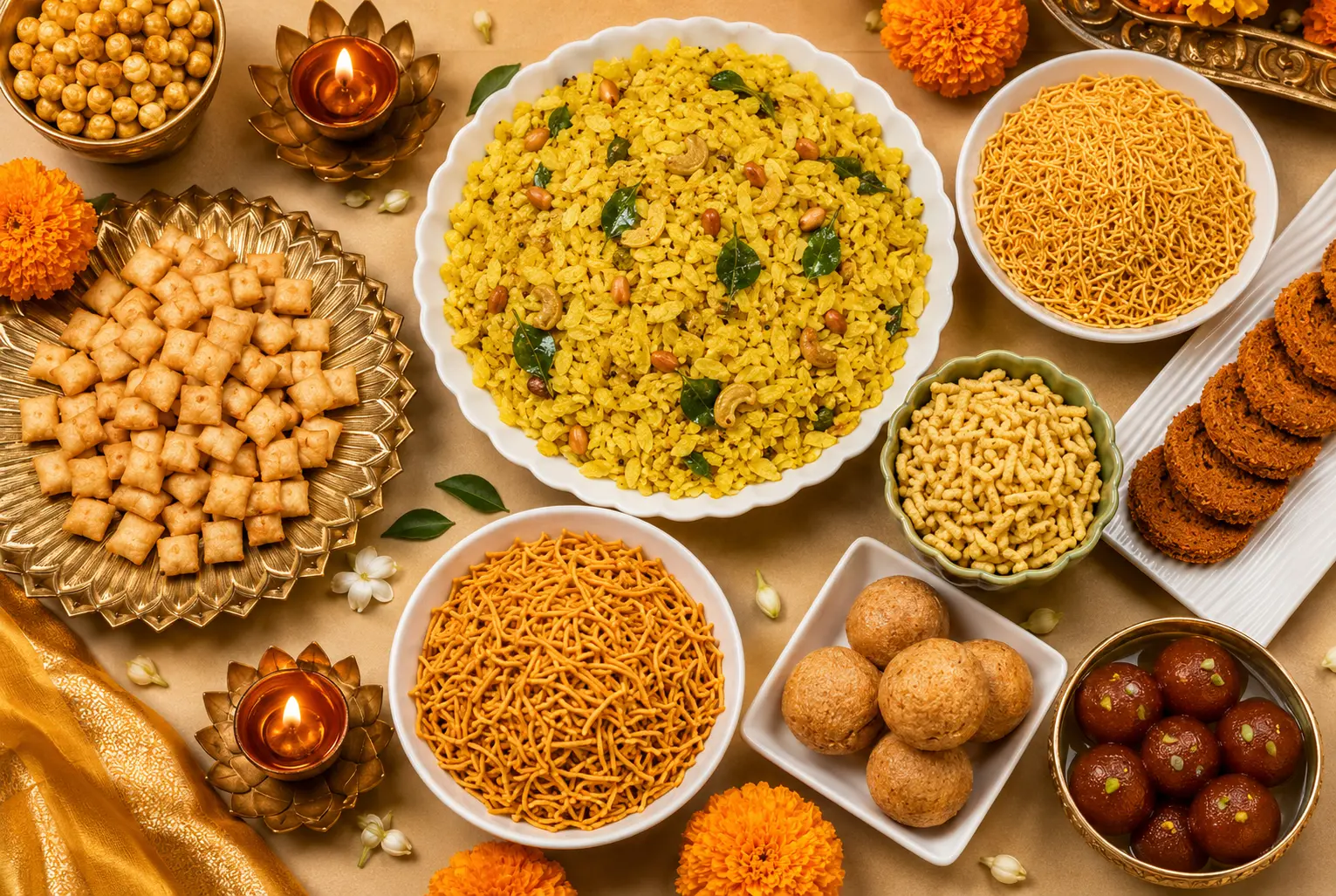
Ask an Indian family what Diwali tastes like and half of them will name something savoury.
The mithai gets the photographs, but the snacks are what actually run out. Namkeen goes with the tea that arrives before the sweets do. Farsan sits in tins on the kitchen counter for a fortnight. Chakli gets made in batches large enough that somebody complains about the heat in the kitchen, and then disappears in three days.
Here are the eleven that turn up most often across the country, with a little of where each one came from, plus notes on putting together a platter and which ones actually survive a long journey.
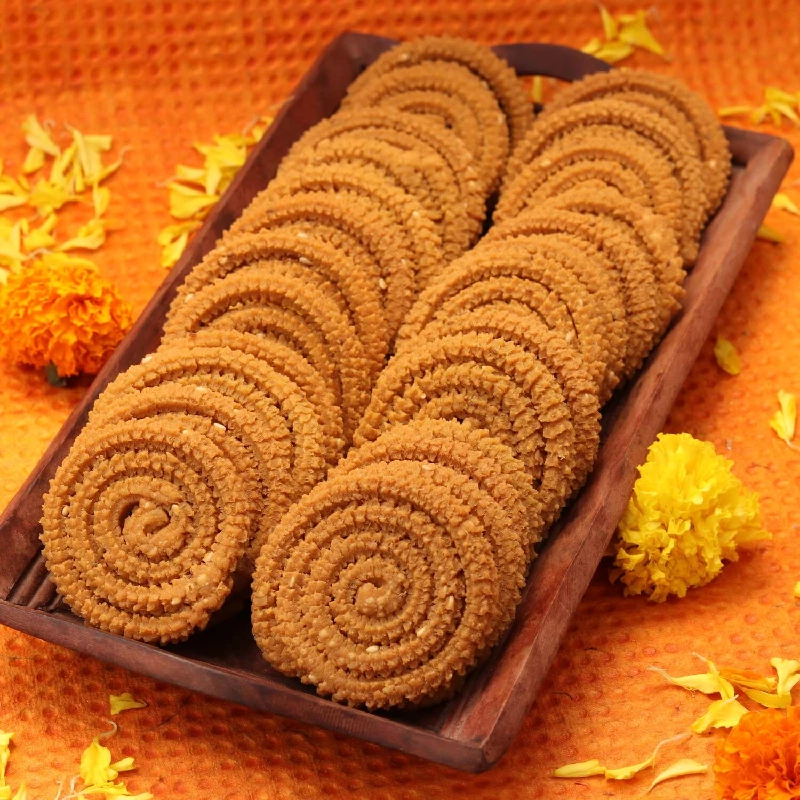
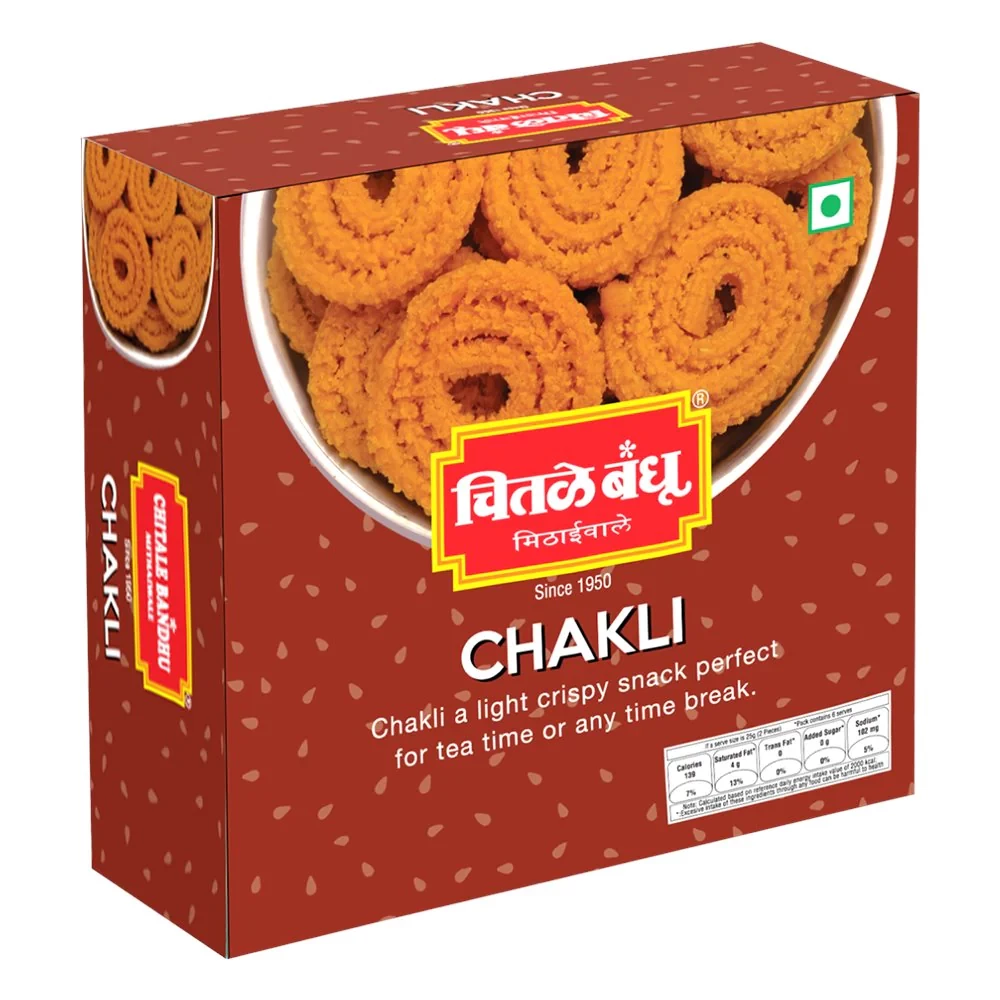
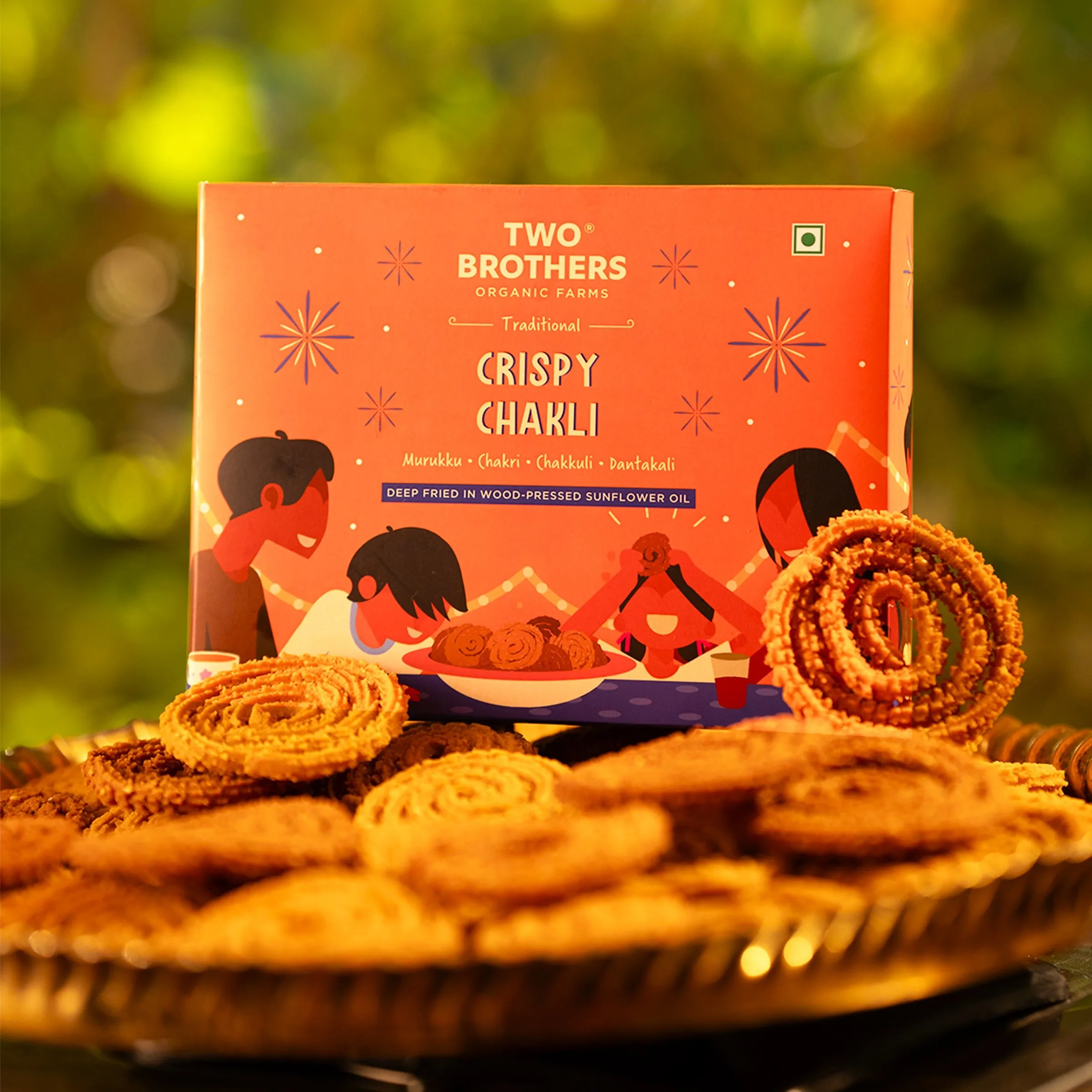
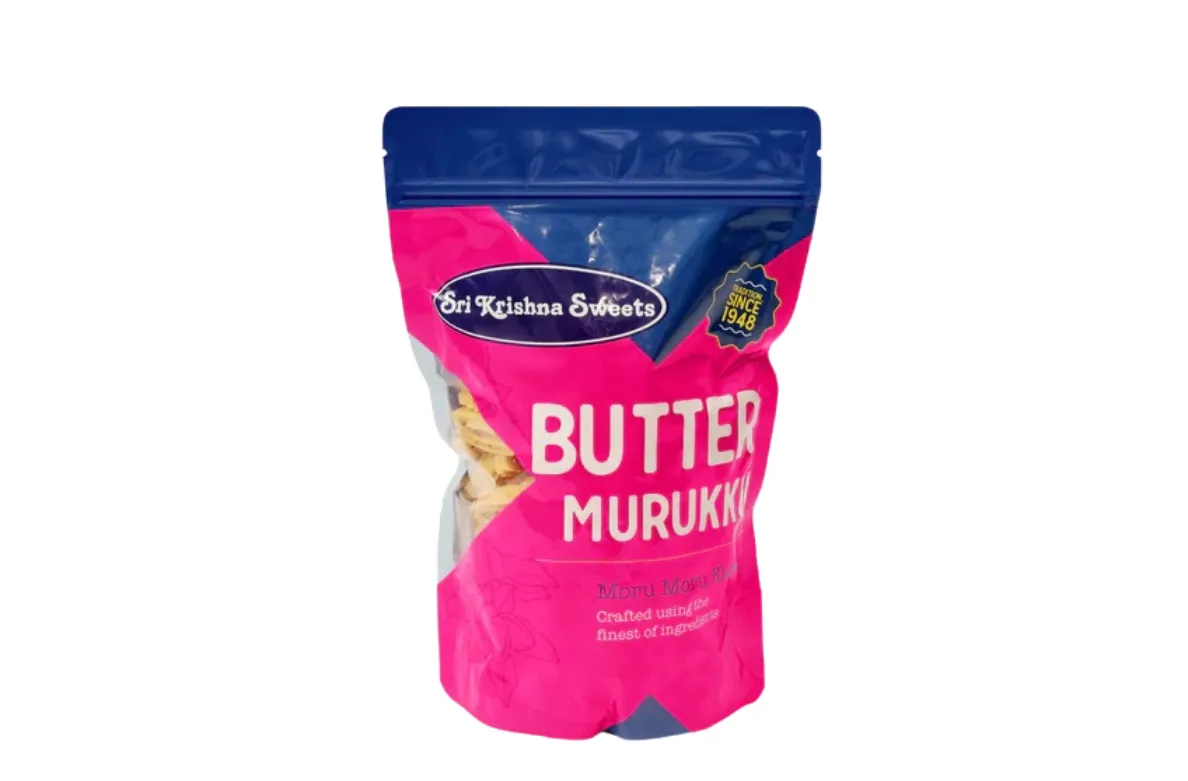
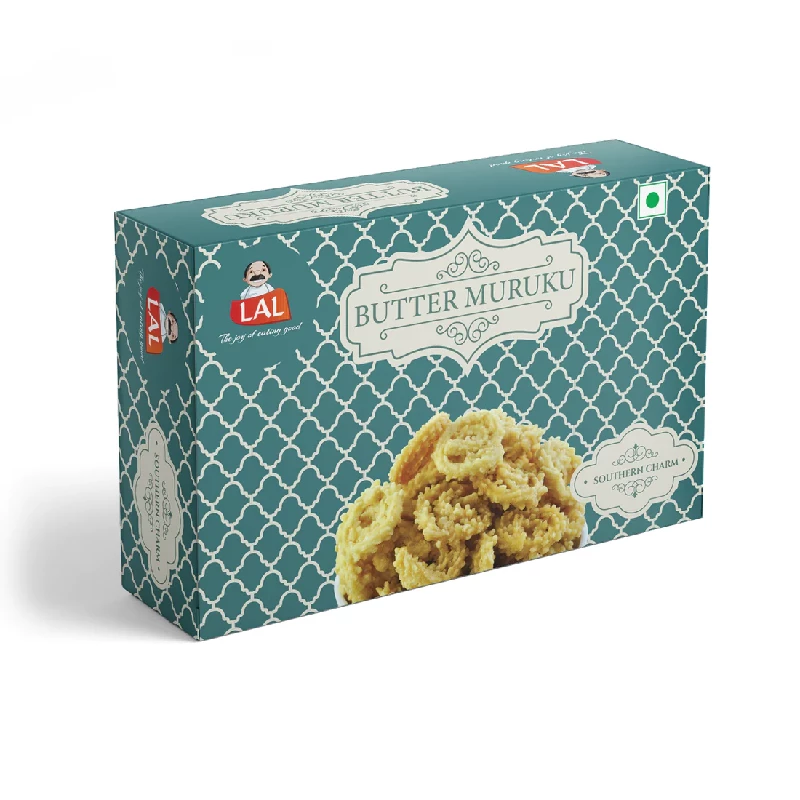
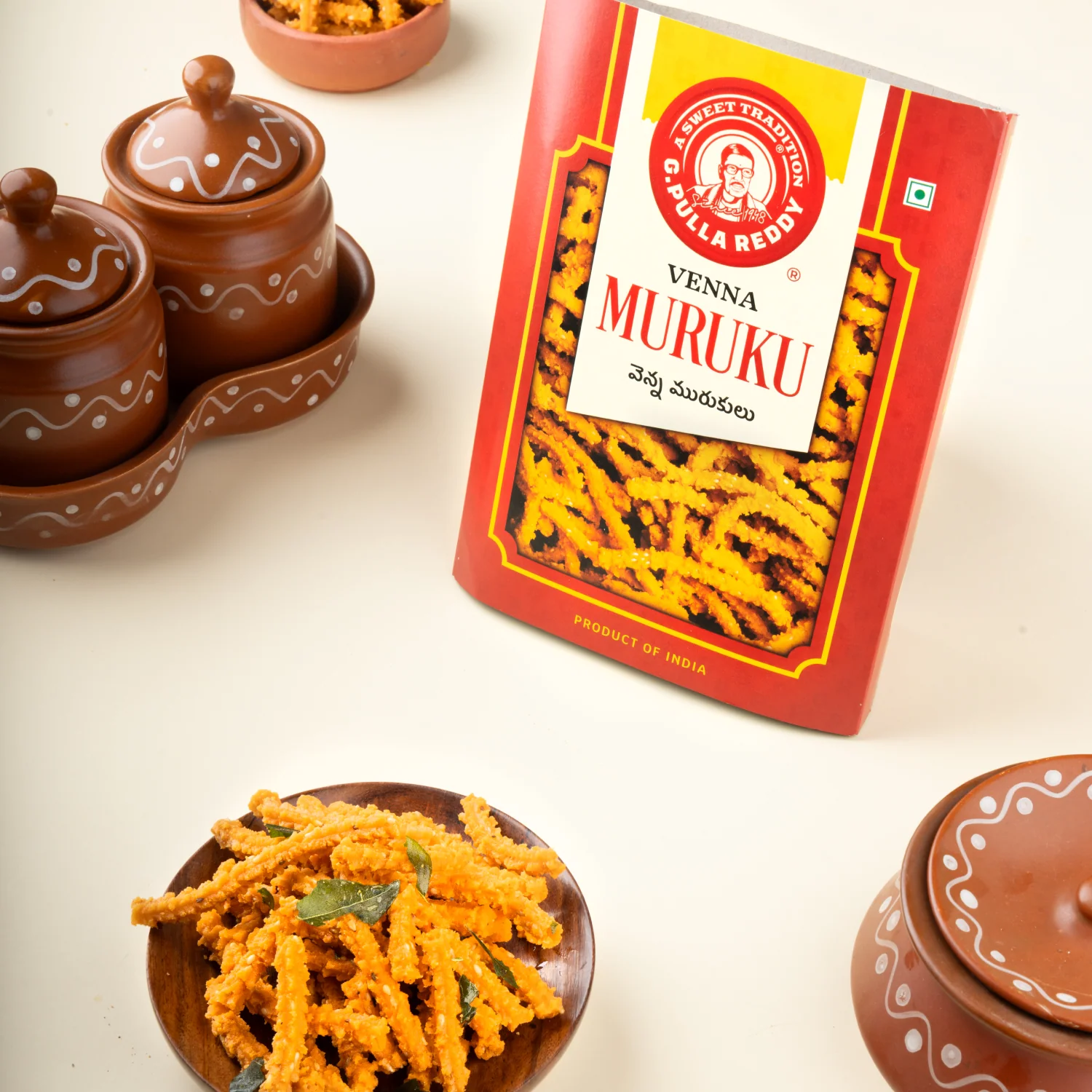
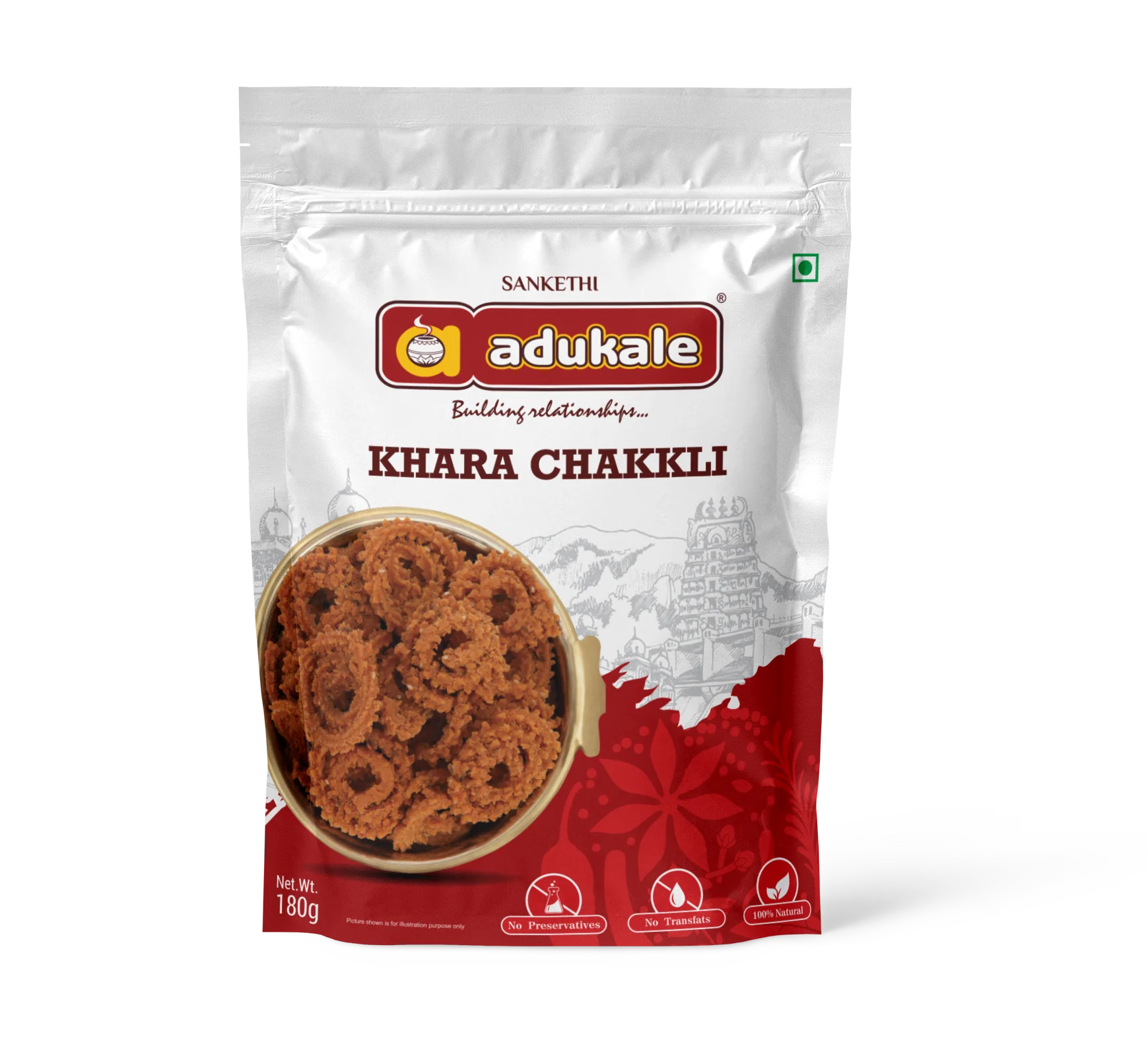
1. Chakli and Murukku
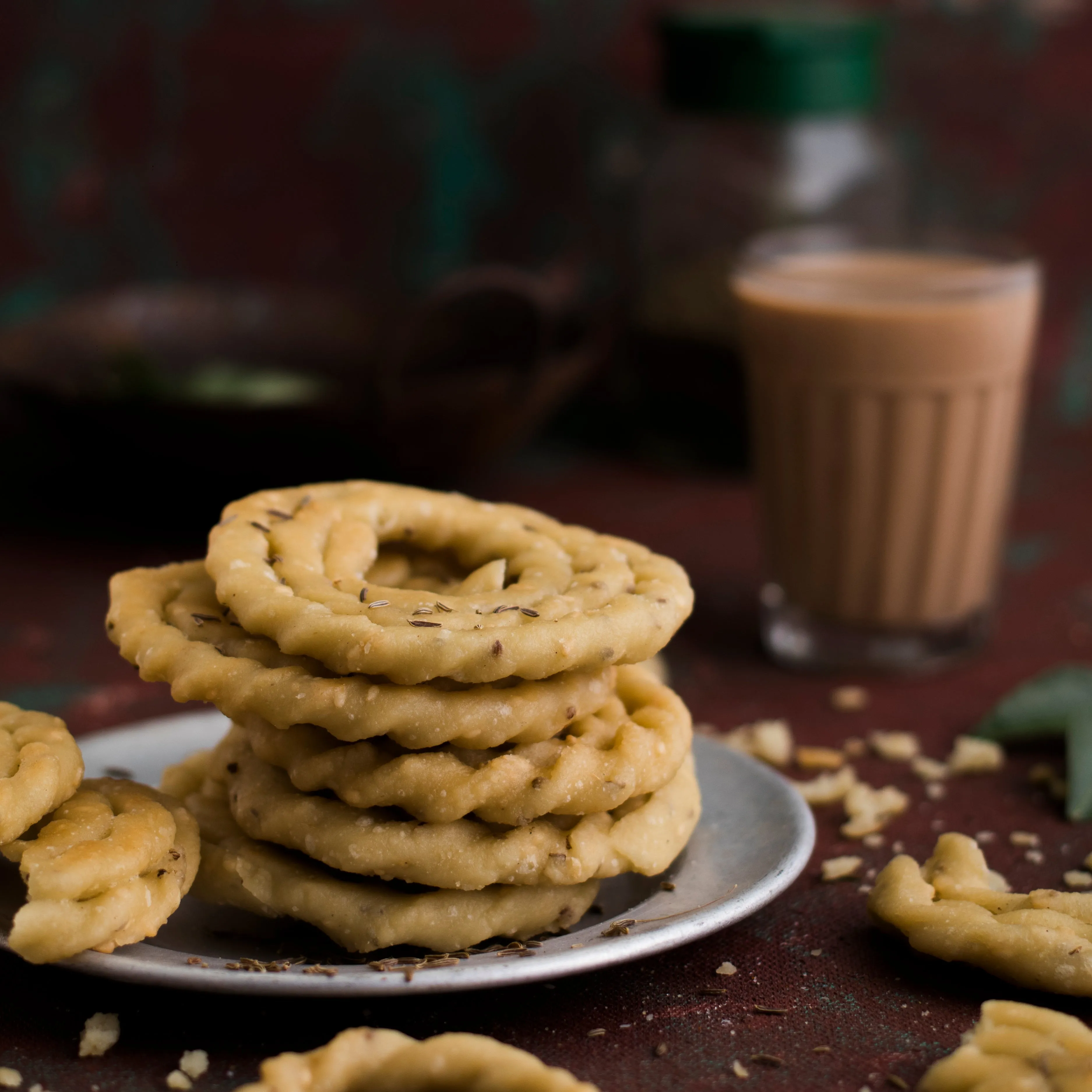
The single most identifiable Diwali snack in India. Coiled spirals of spiced flour dough, pressed through a mould and fried until they shatter.
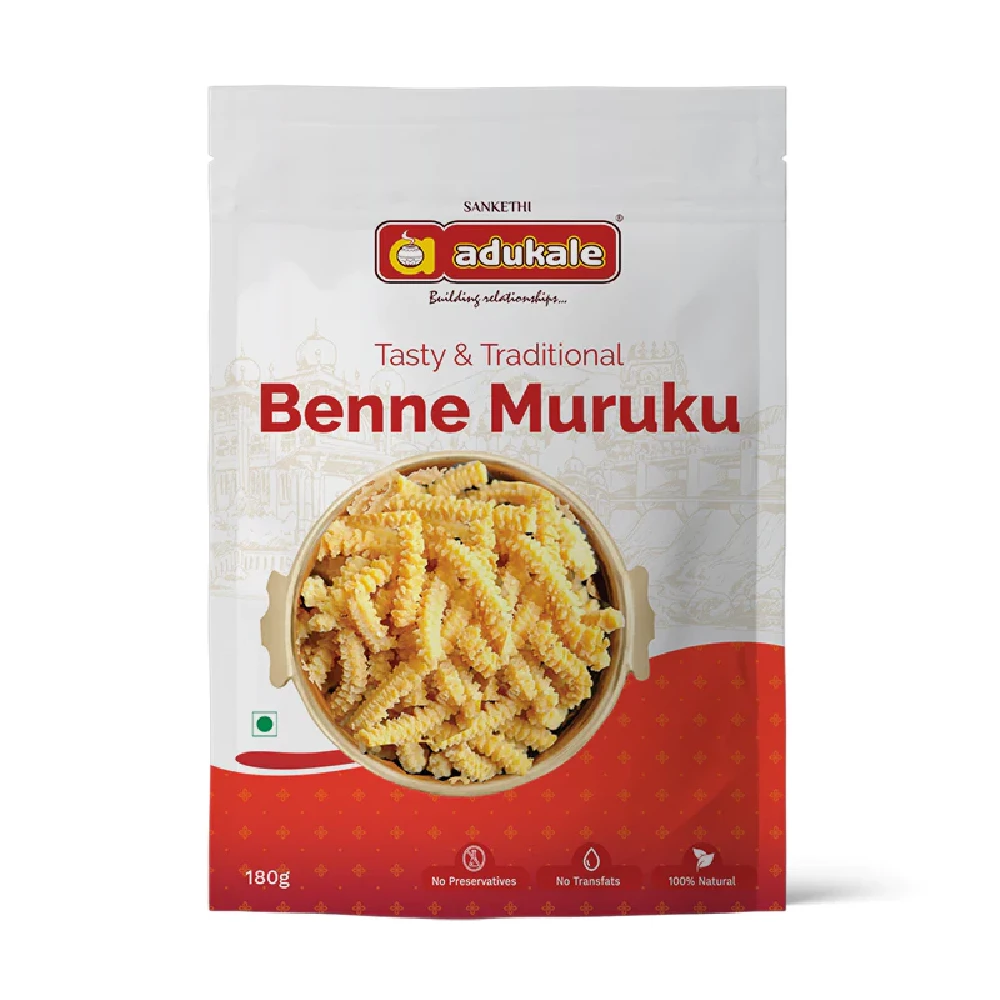
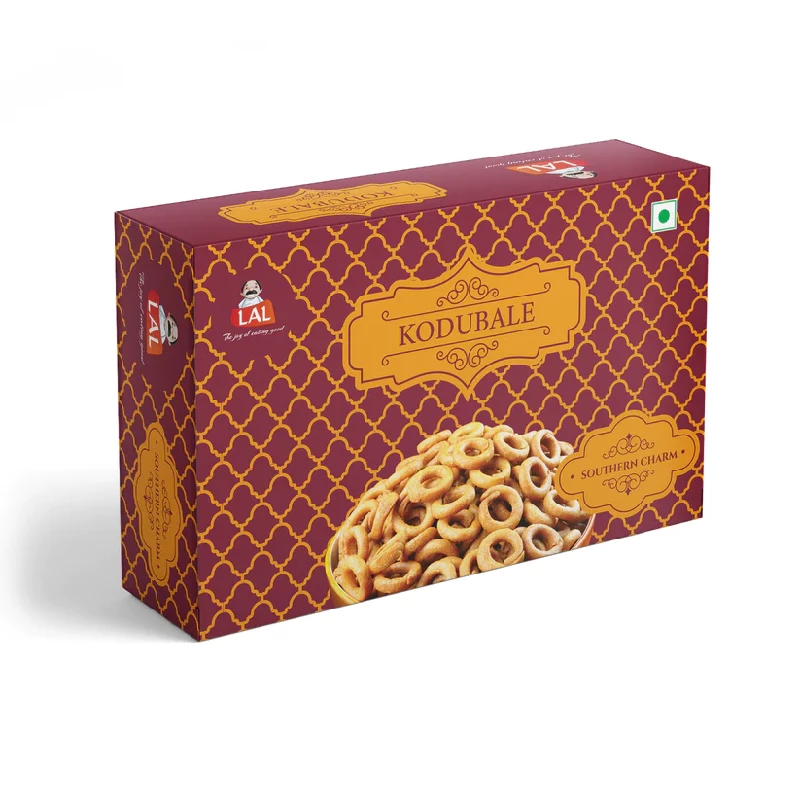
The name changes as you travel. Chakli in Maharashtra and Gujarat, murukku in Tamil Nadu and Kerala, chakralu or janthikalu in Andhra, kodubale in Karnataka when it is shaped into a ring rather than a spiral. The flour changes too: bhajni, a roasted blend of rice, gram and lentils, gives the Maharashtrian version its darker, nuttier taste, while South Indian murukku leans on rice flour and urad dal for a paler, cleaner snap.
A little history. Murukku is simply the Tamil word for twisted, and chakli comes from chakra, meaning wheel. Both names describe the shape rather than the ingredients, which is a good clue as to how old the form is. The spiral is not decorative. Extruding dough into a coil creates the maximum surface area for a given amount of dough, which means maximum crispness, and it fries evenly because no part of the coil is thicker than any other.
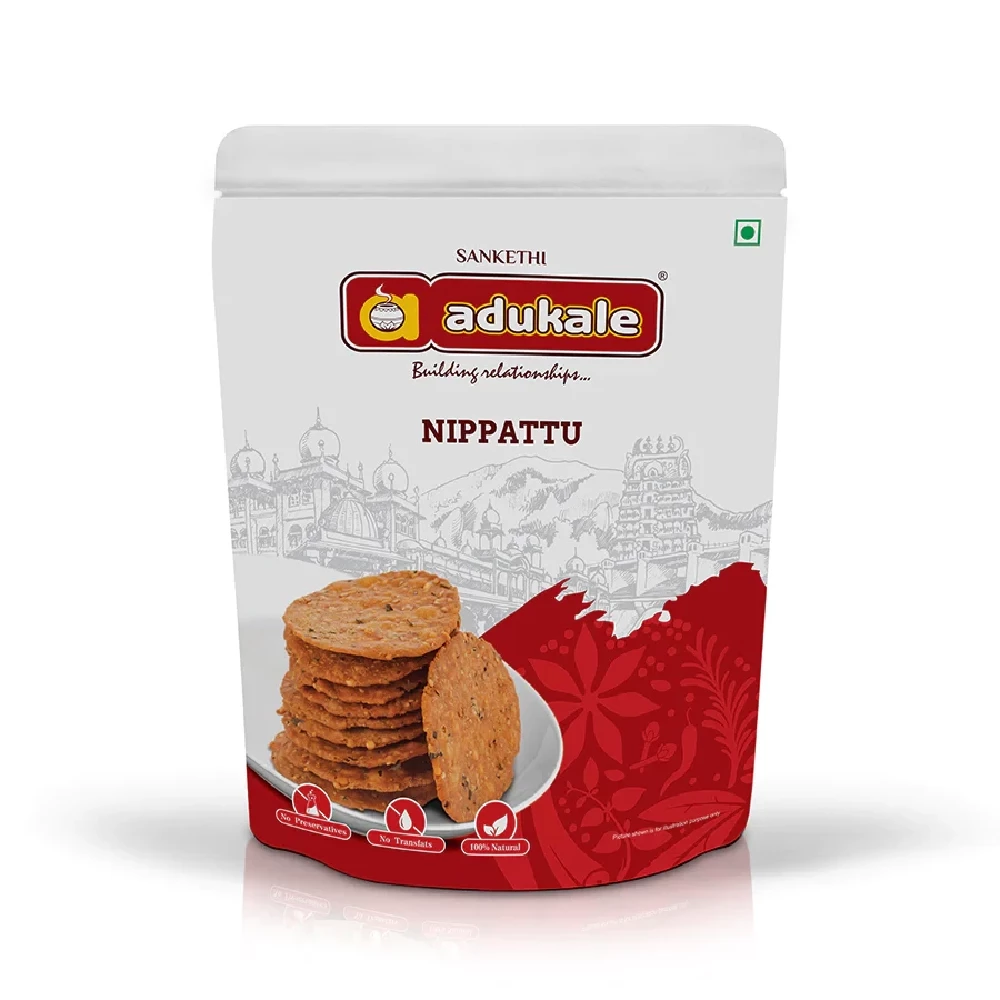
Butter murukku is the softest of the family, and benne murukku from Karnataka is the same idea under a Kannada name. Nippattu and mucchore, Karnataka's flat round crackers, belong to the same tradition without the spiral.
2. Chivda
The snack most likely to be sitting in an unlabelled steel tin in an Indian kitchen right now.
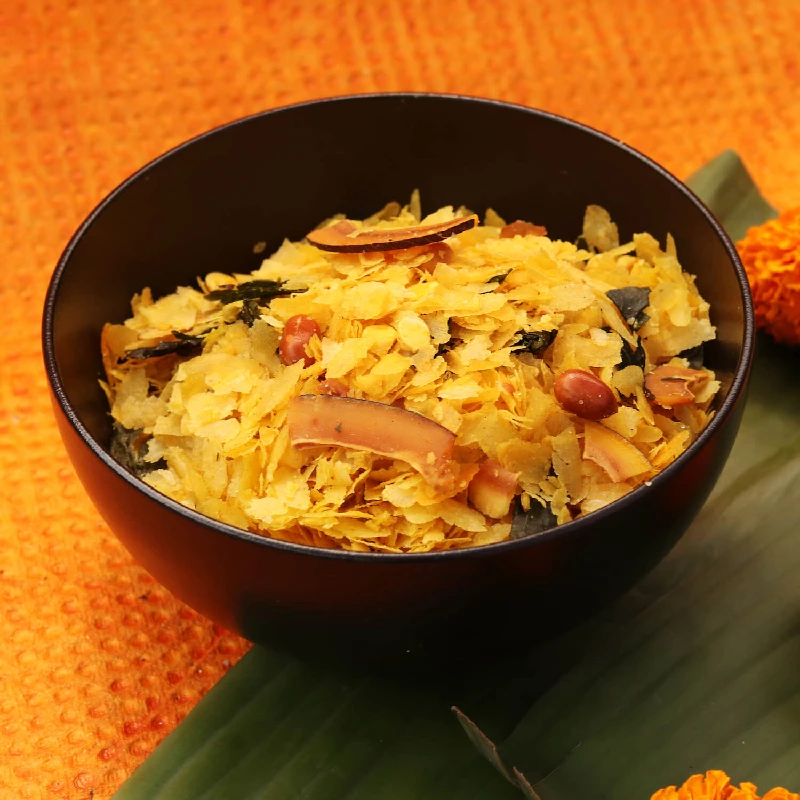
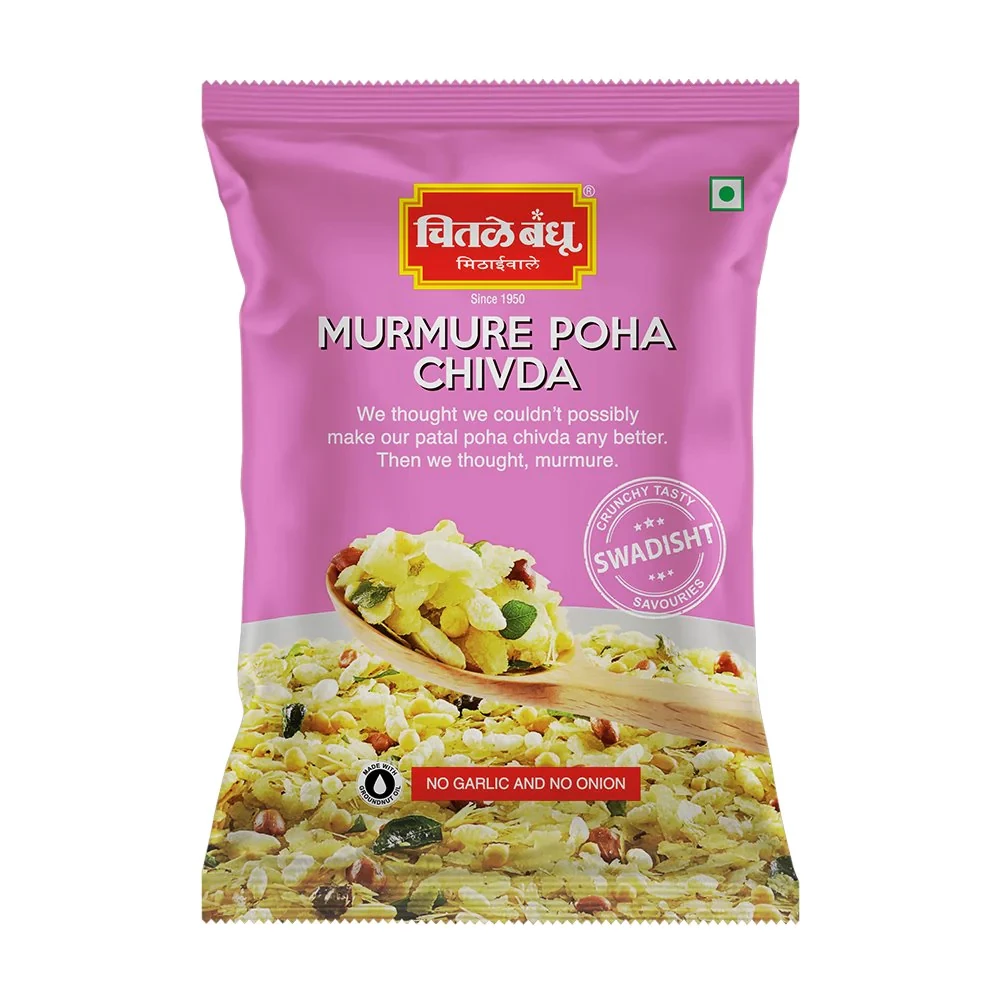
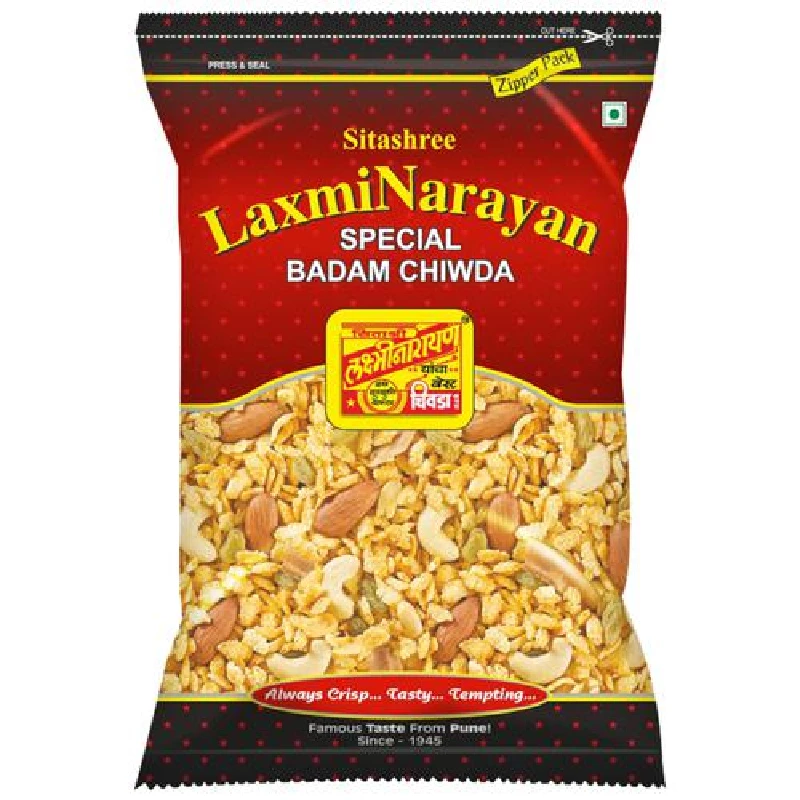
Flattened rice is roasted or fried, then tossed with peanuts, curry leaves, dried coconut, turmeric and a mix of sweet and hot spice. Every household has a ratio and considers it correct.
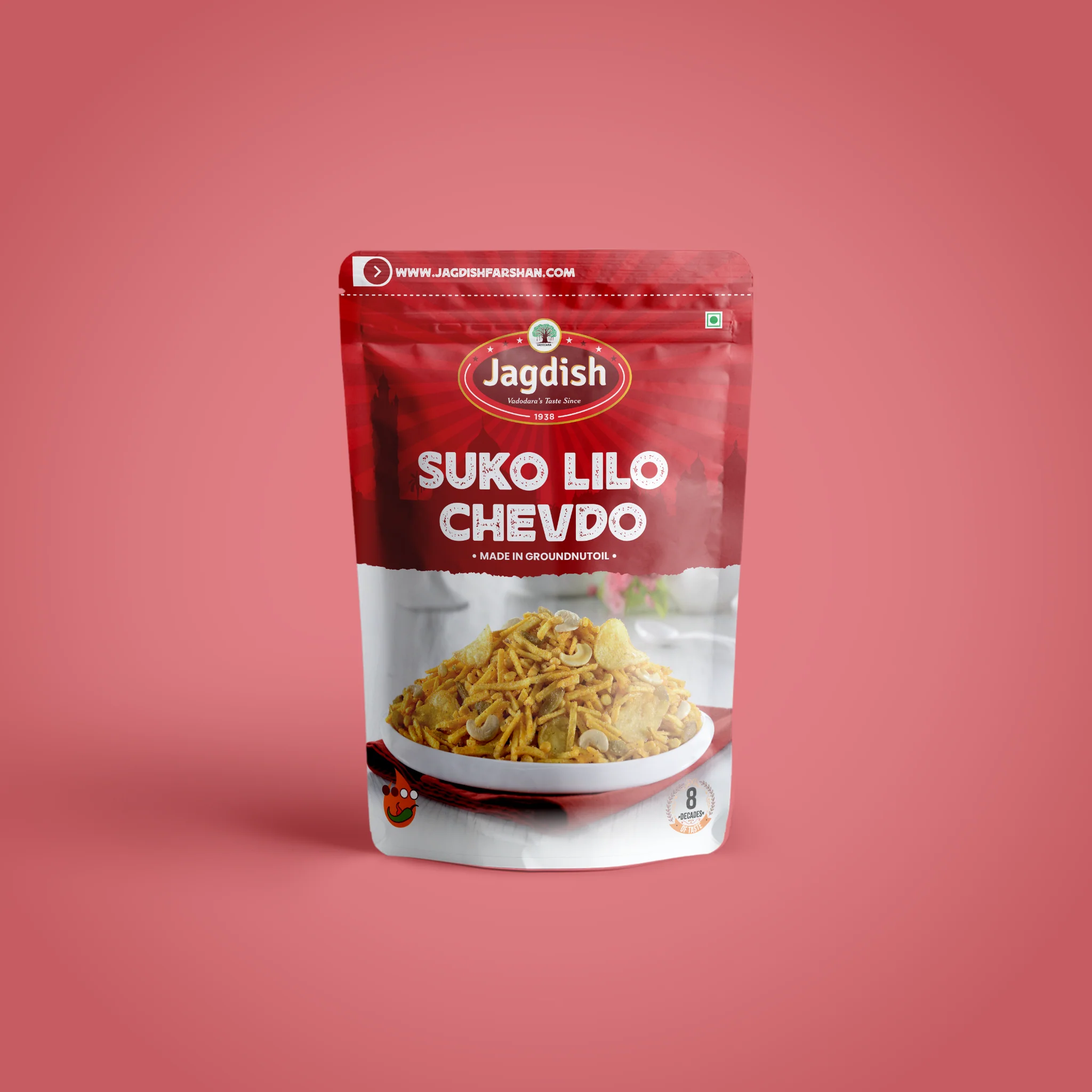
There are really two traditions under the name. Maharashtrian poha chivda is dry, light and usually roasted rather than fried. Gujarati chevdo is a different animal: lilo chevdo is soft and moist, made with fresh ingredients and a shorter shelf life, and Vadodara is where people argue about who makes it best. Suko chevdo is the dry version.
A little history. The word is Marathi and Sanskrit in origin, and the snack owes its existence to poha itself, one of the oldest processed foods in India. Flattened rice appears in ancient texts precisely because it keeps, travels and needs no cooking, which is also why chivda became a festival snack: it can be made a week ahead and it does not go stale.
Farali chevdo is the version made for fasting days, using sabudana and potato instead of grain.
-250-g-1.webp)
-250-g-1.webp)
-250-g-1.webp)
-250-g-1.webp)
3. Bhujia
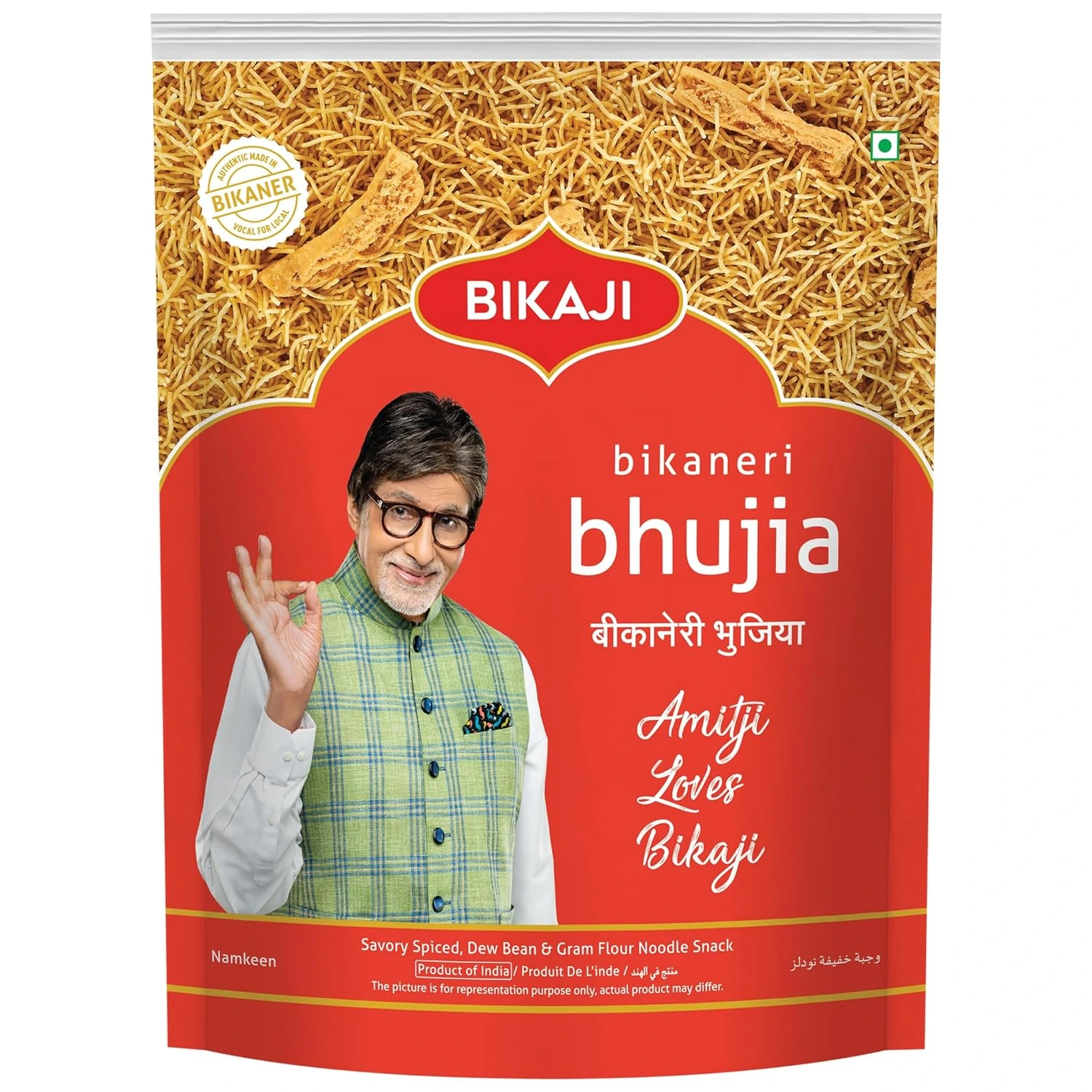
Fine, crisp threads of gram flour and moth dal, deep gold, fiercely more-ish. India's default namkeen.
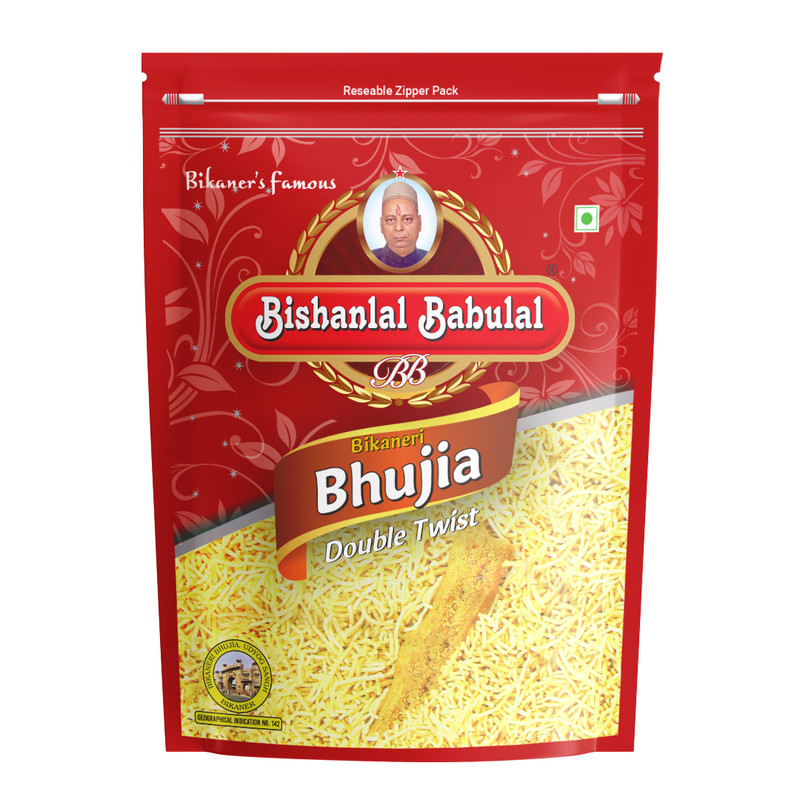
A little history. This one has a properly documented origin. In 1877, Maharaja Dungar Singh of Bikaner asked his kitchen for a new savoury item to serve palace guests, and what emerged was bhujia. It was first made as Dungar Shahi Bhujia, specifically for the king's visitors, before spreading into Bikaner's homes and then across Rajasthan.
The dry desert air of Bikaner is part of the recipe. Low humidity is what allows the threads to stay crisp, which is a large part of why Bikaner became a bhujia town and stayed one. Bikaneri Bhujia received a Geographical Indication tag from the Indian Patent Office in 2010, restricting the name to producers in the Bikaner region.
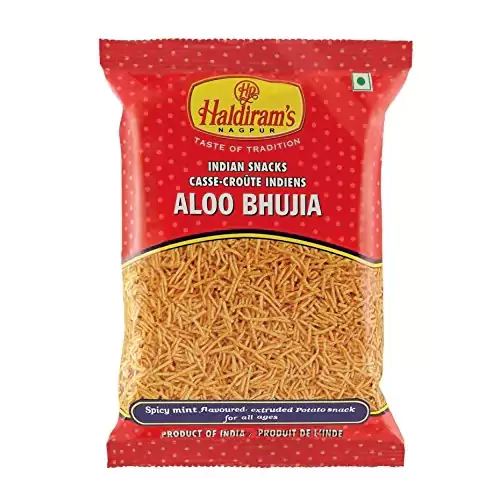
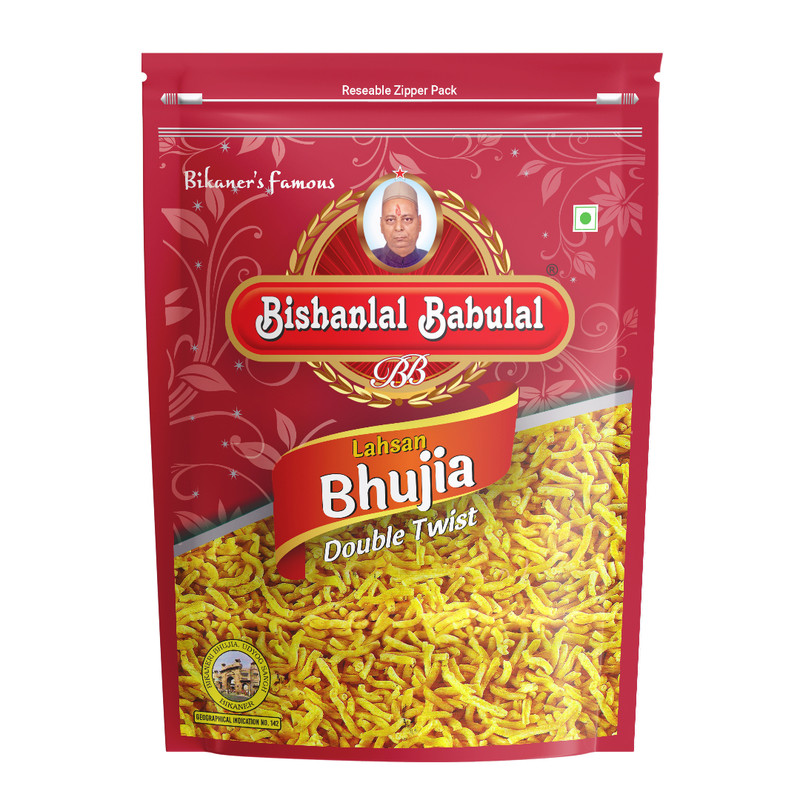
Aloo bhujia adds potato for a softer bite. Lahsun bhujia adds garlic and is not for the timid.
4. Sev
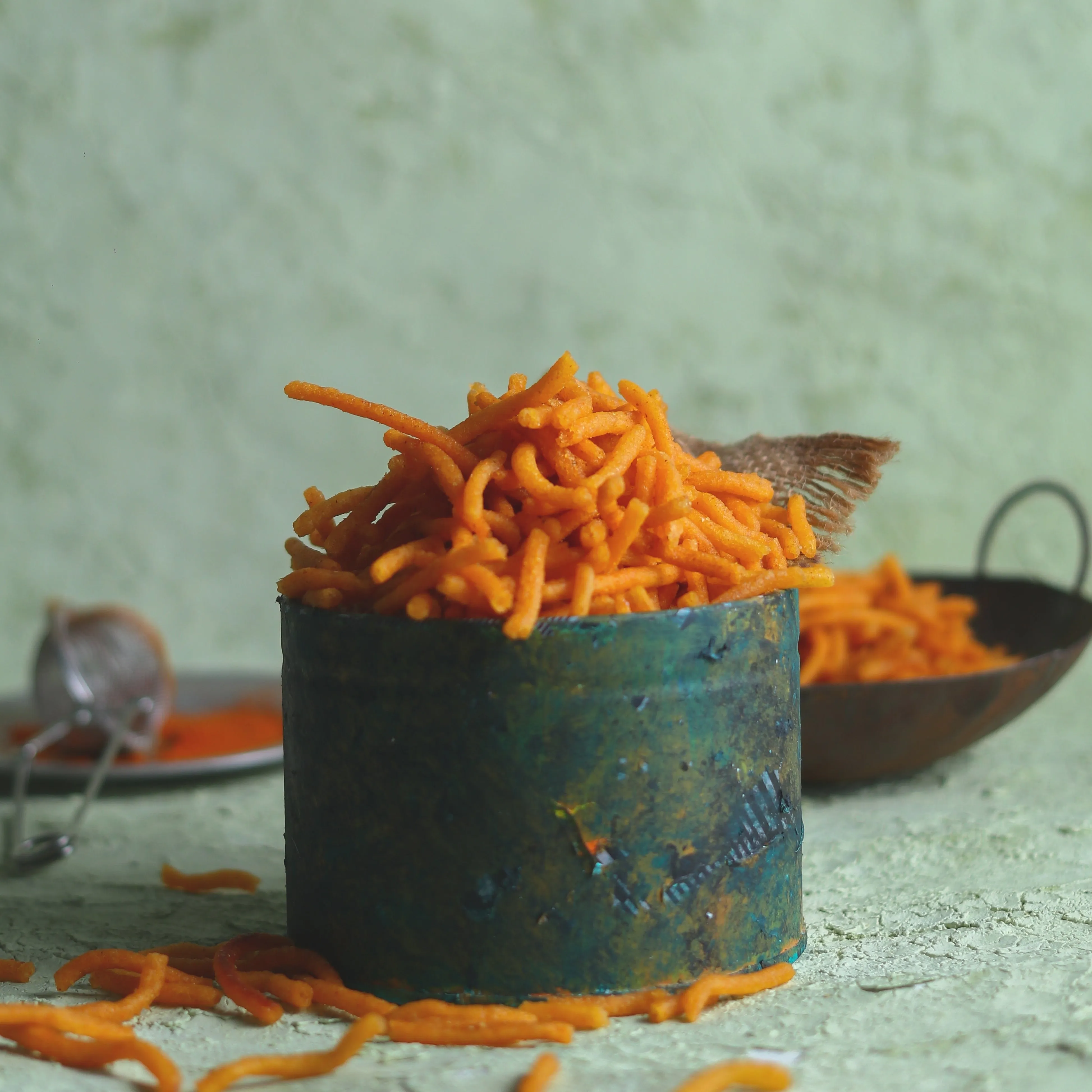
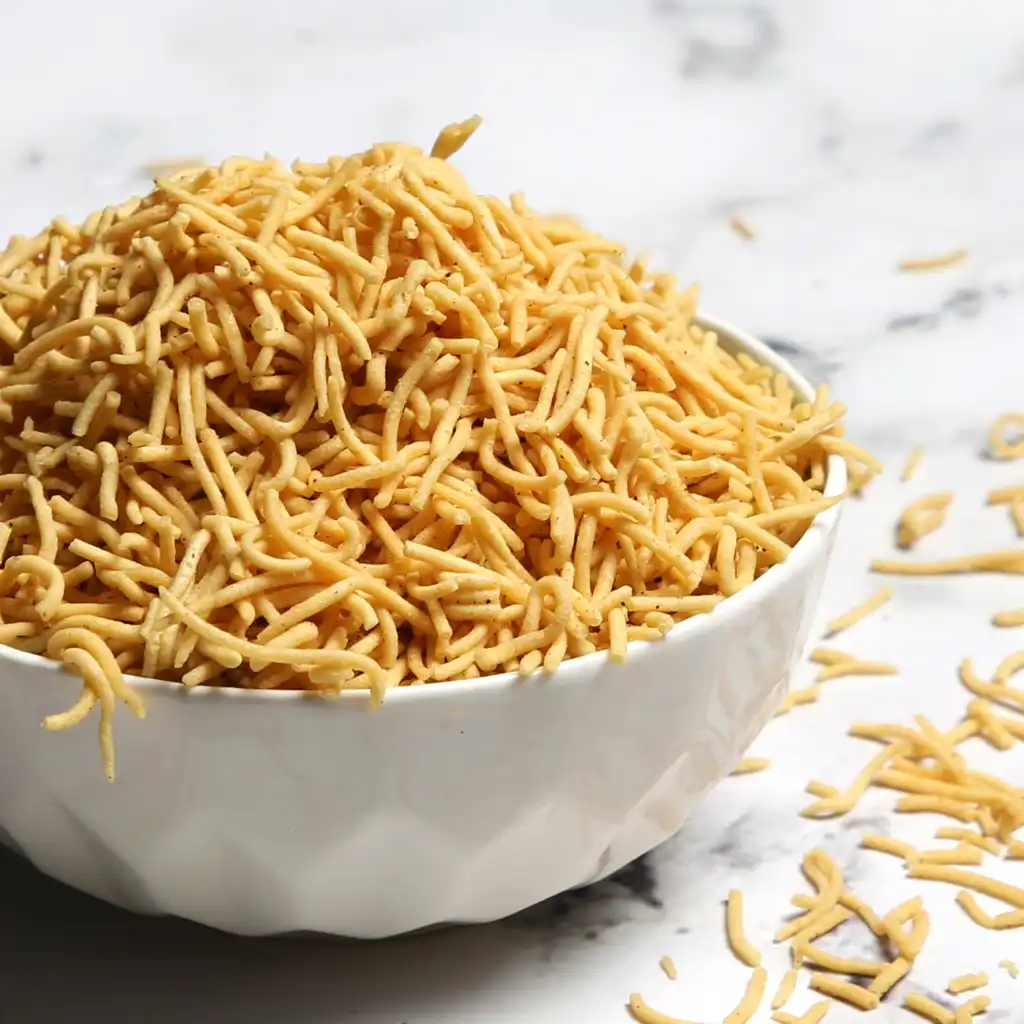
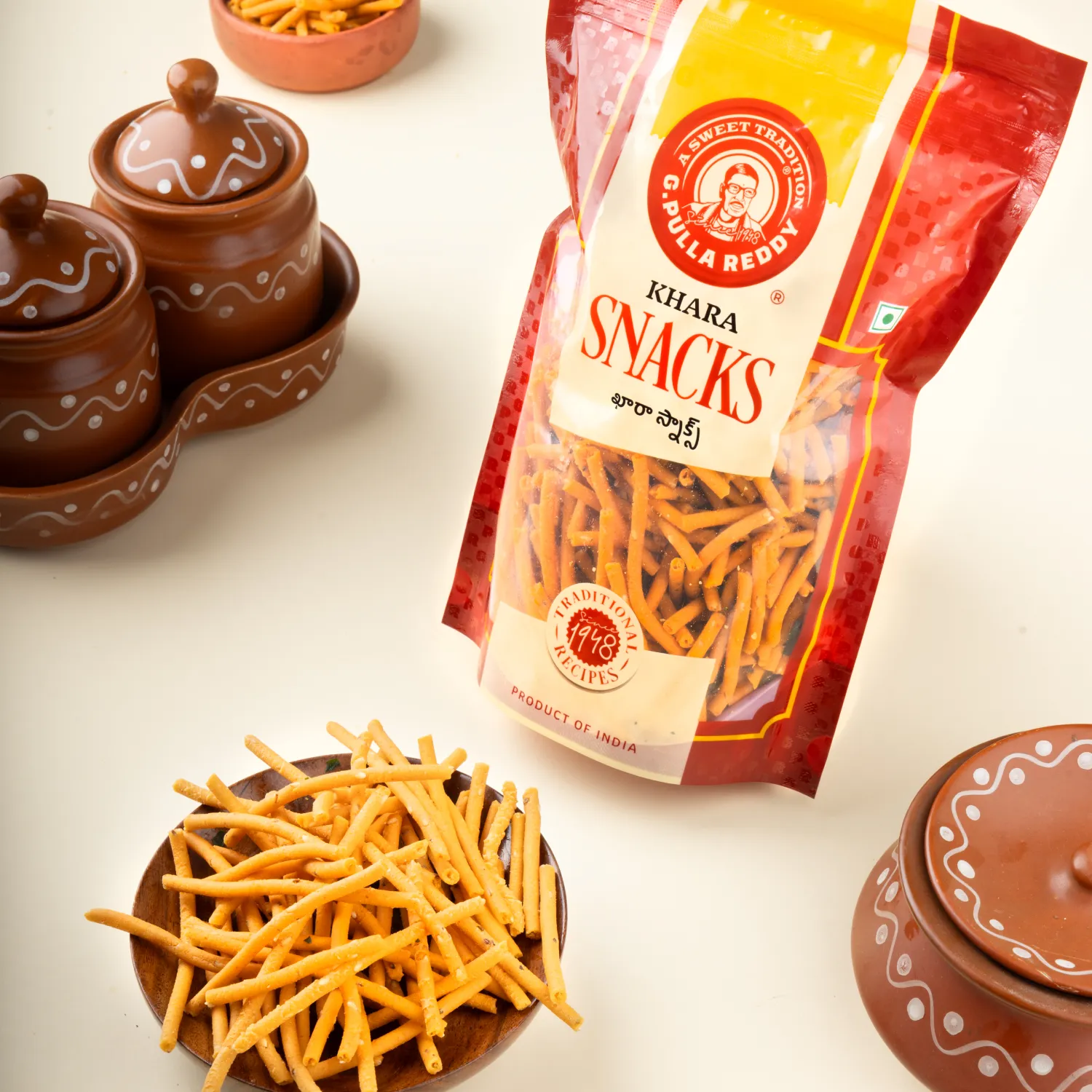
Bhujia's larger cousin, and a category in its own right. Gram flour dough pushed through a plate and fried into strands, thick or fine depending on the plate.
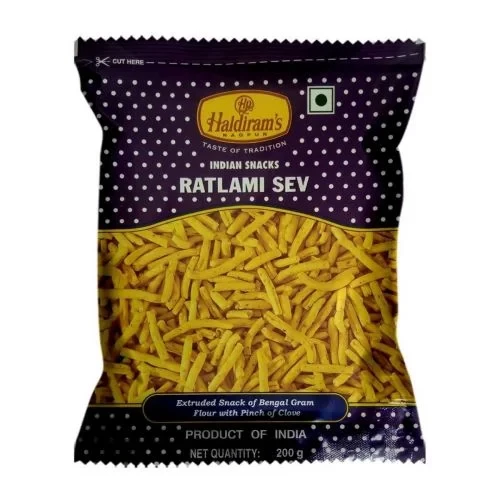
Ratlami sev from Madhya Pradesh is heavy with clove and black pepper, and has a warmth that lingers. Omapodi from Tamil Nadu carries ajwain, which is what omam means. Mota sev is the thick version. Ujjaini sev sits somewhere between Ratlami and plain.
A little history. Sev is old enough that no single origin claim holds, but Ratlam's association with it is unusually specific, tied to a local community of makers who built the town's reputation on a particular spice ratio. The town now has a bazaar largely given over to it.
Sev has a second life beyond snacking. It is the crunch on top of bhel, sev puri and poha, which means most Indian households buy it year-round and simply buy more of it at Diwali.

5. Mixture and Farsan
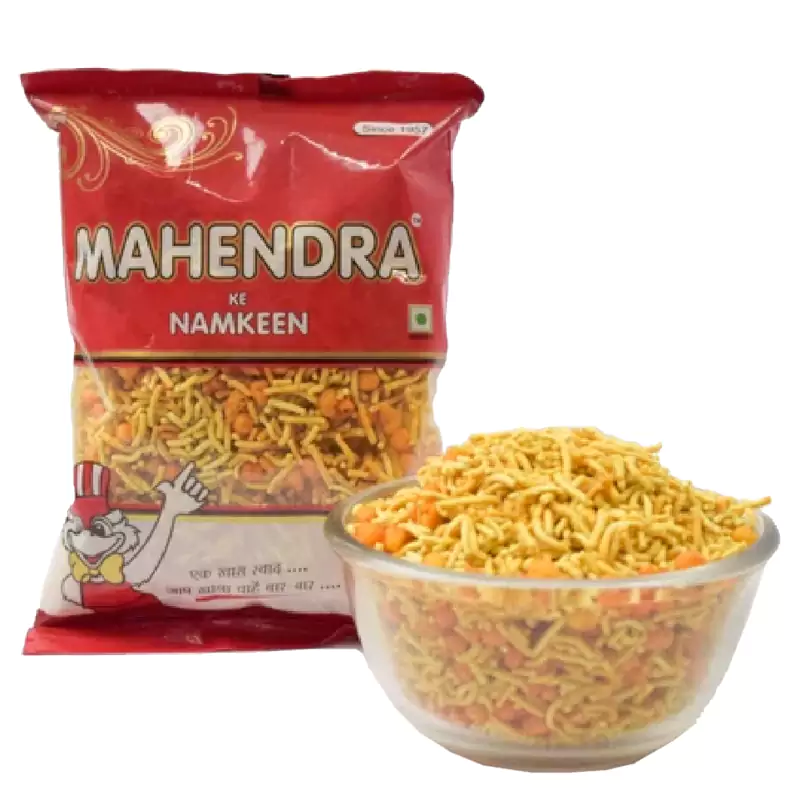
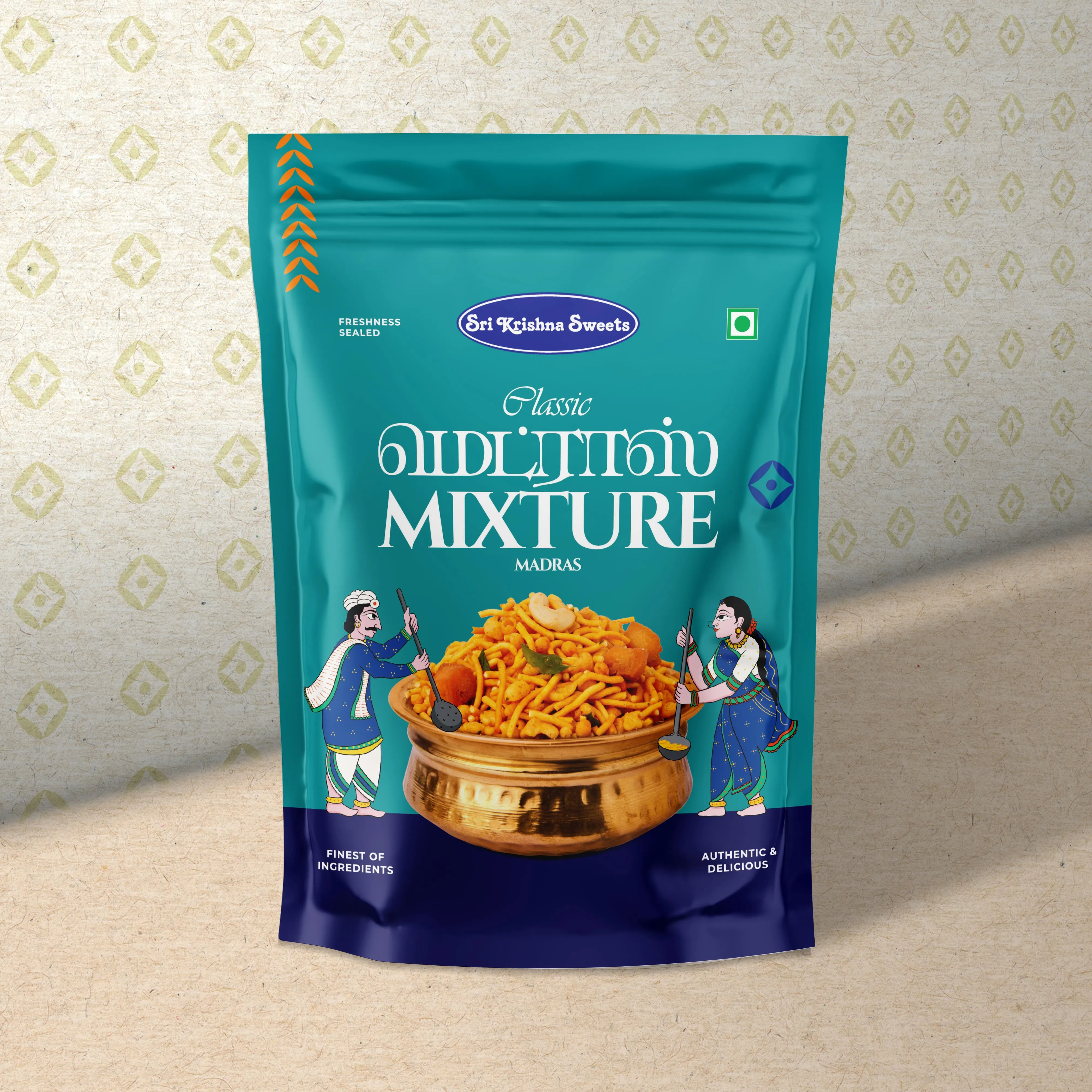
Not one snack but an assembled one, and the most-served item on any Diwali platter.
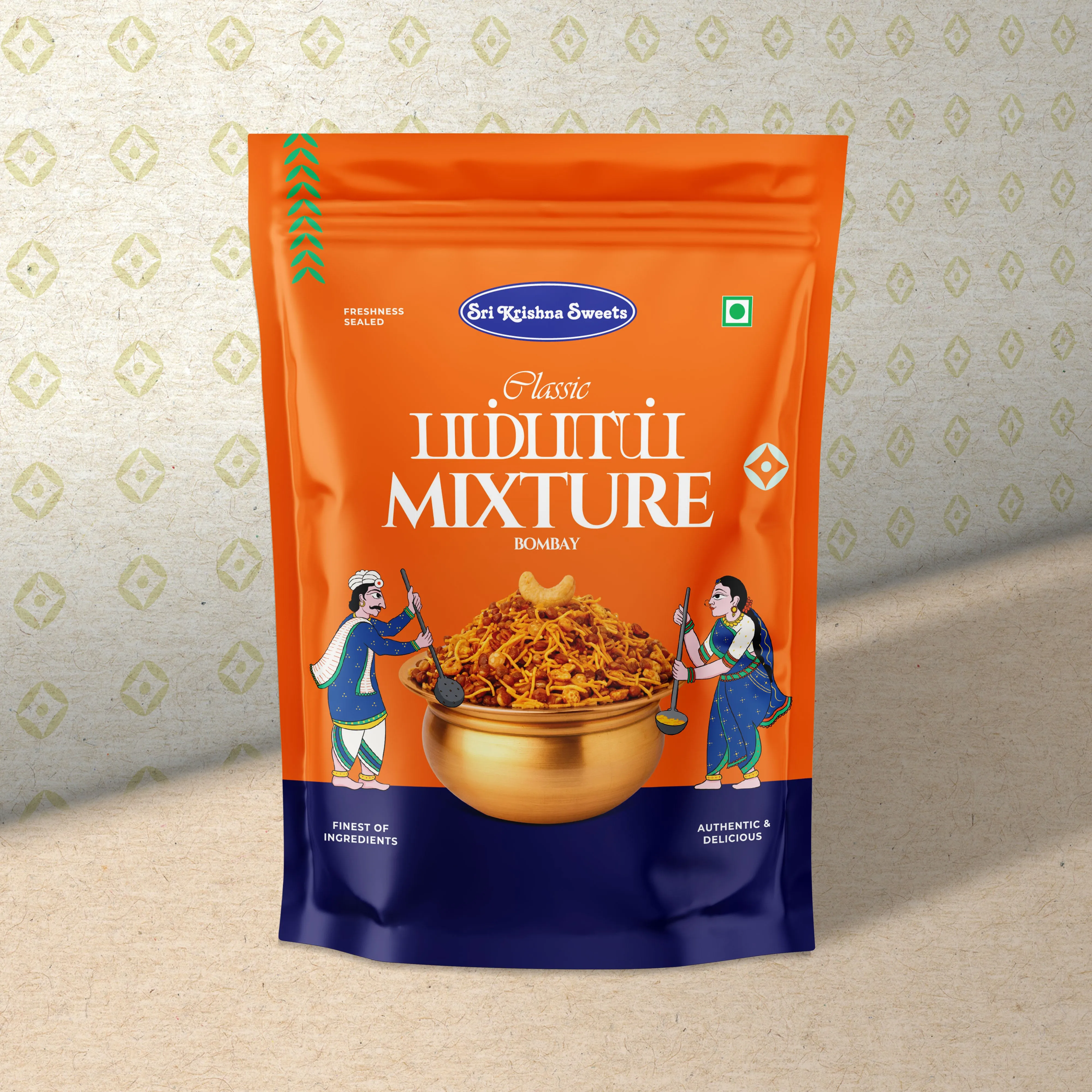
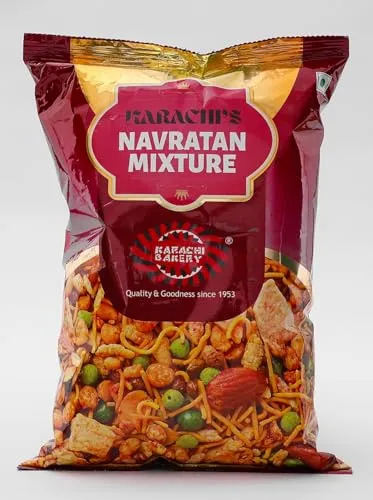
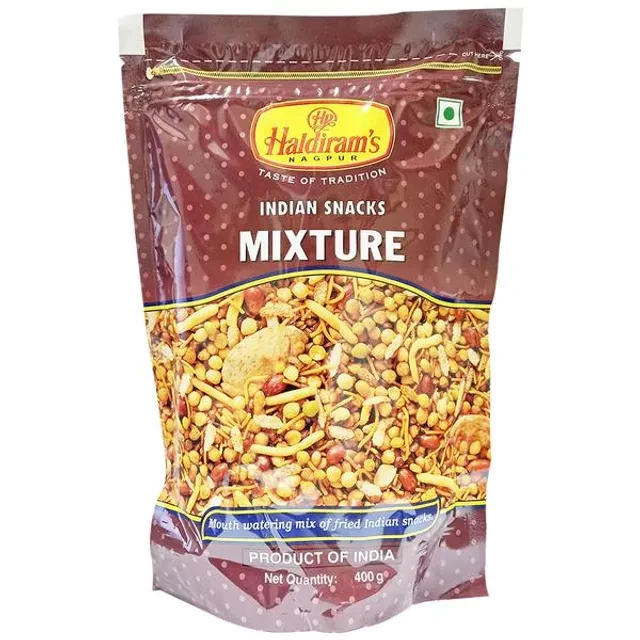
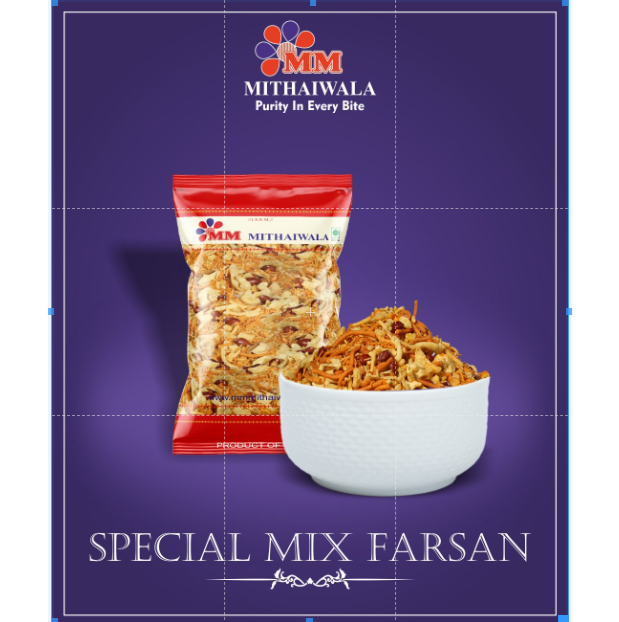
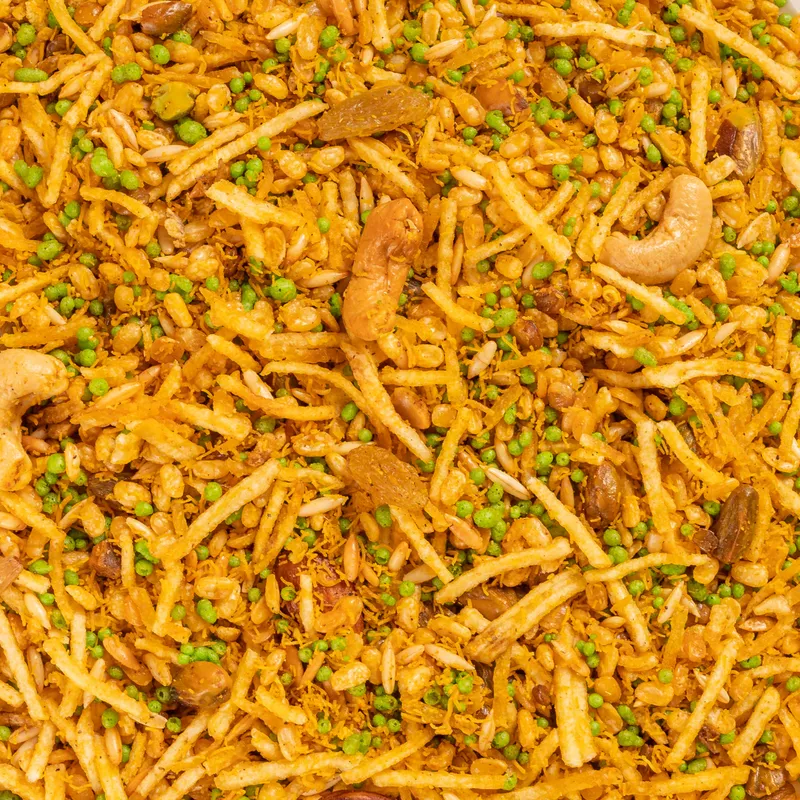
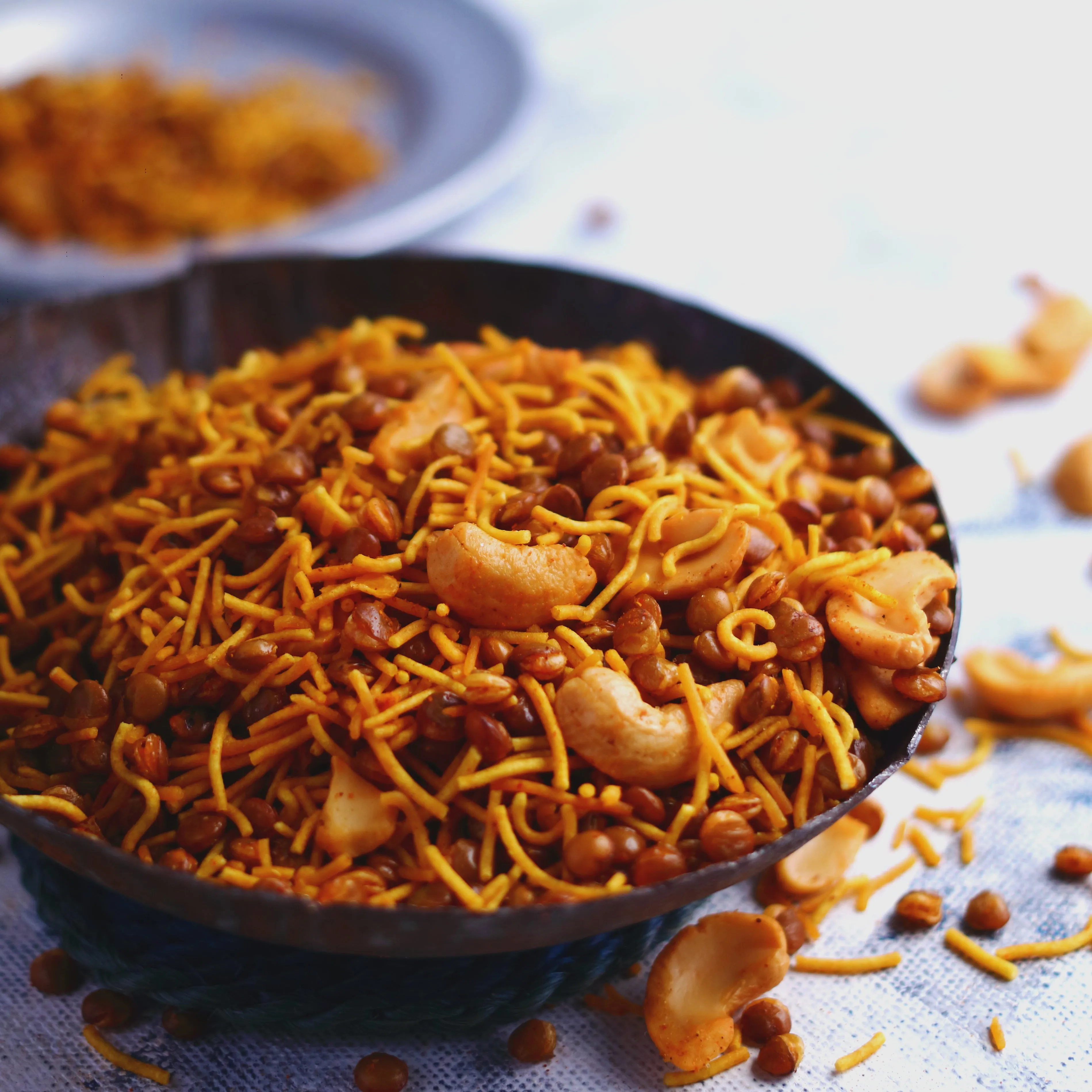
Sev, boondi, fried lentils, peanuts, curry leaves, sometimes poha, occasionally raisins. The proportions are what make a mixture regional rather than generic.
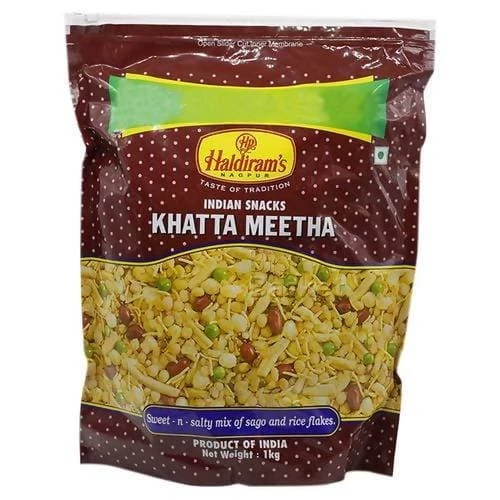
Madras mixture is heavy on curry leaf and coconut oil. Bombay mixture is spicier and sev-dominant. Navratan mixture means nine ingredients, and usually includes dried fruit. Khatta meetha is the sweet-and-sour version that divides opinion in every family. Kashmiri dry fruit mixture leans on nuts and raisins.
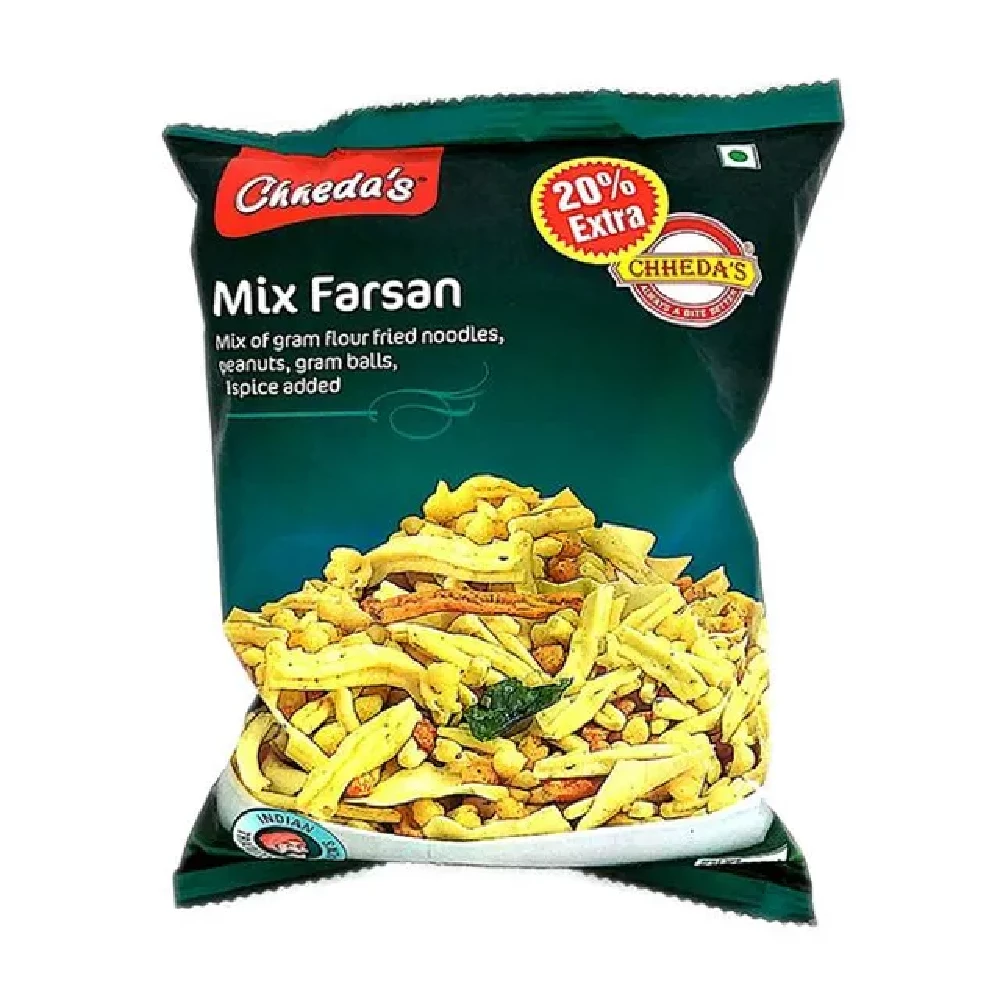
A little history. Farsan is the Gujarati word for savoury snacks as a category, and it covers far more than mixture alone. The word has travelled: mix farsan is sold across Maharashtra and beyond, and the term is now used loosely anywhere in western India to mean the savoury half of a festival spread.
Mixture also solves a practical problem. It is the only snack on this list where variety is built into a single pack, which is why it is what most people reach for when guests arrive unannounced.
, 250 g-1.webp)
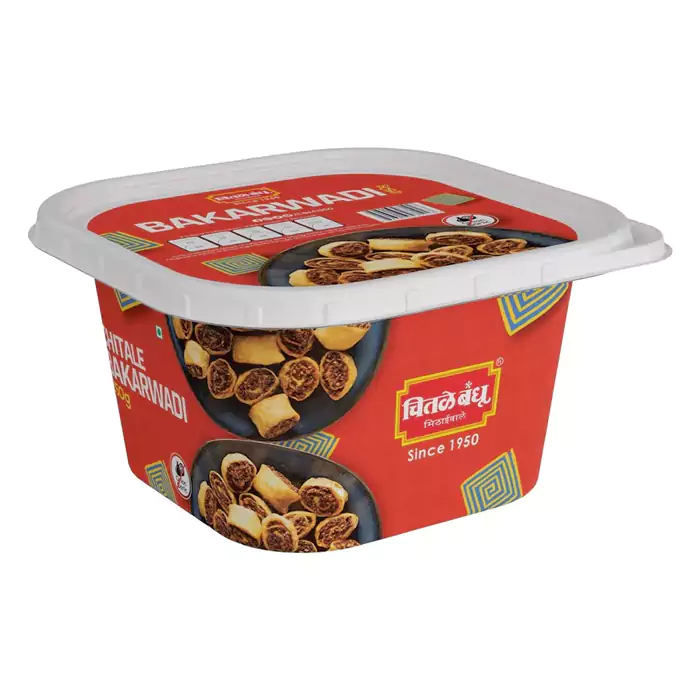
6. Bhakarwadi
A tight spiral, sliced into rounds, sweet and hot and sour at once. Dough rolled around a filling of coconut, sesame, poppy seed, jaggery and spice, then fried.
A little history. Origin is genuinely disputed. Most accounts place it in Gujarat as a variant of the bhakhri, adapted and popularised in Maharashtra, where Pune's Chitale Bandhu turned it into something close to a civic emblem from the 1950s onward. The Gujarati version tends to be sweeter and the Maharashtrian spicier, which is roughly what you would expect if the snack crossed the border and stayed.
It is the most technically fiddly item on this list to make at home, which is why it is also the one most people buy.
-250-g-1.webp)
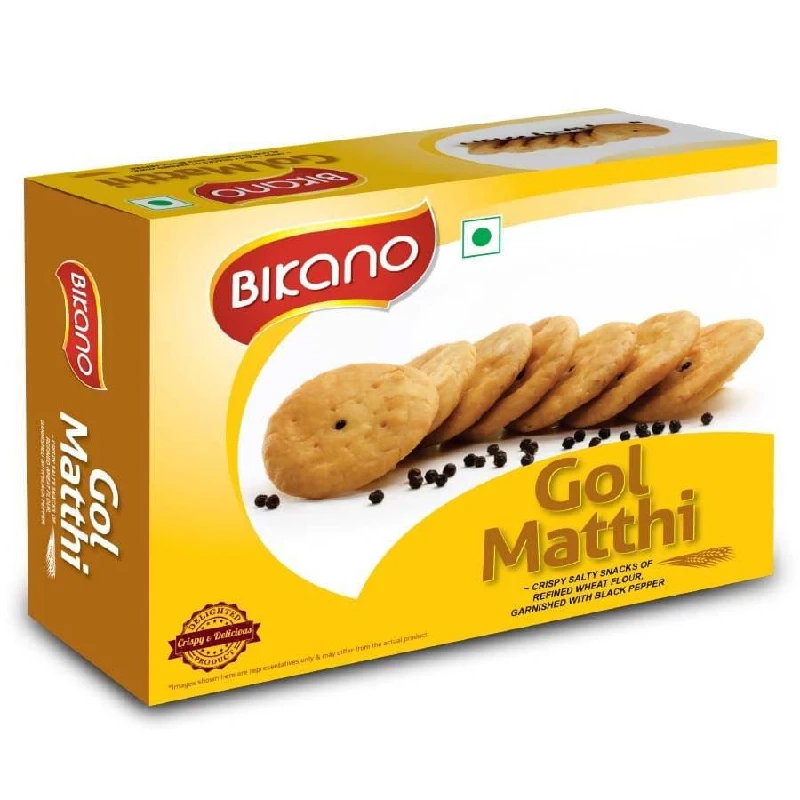
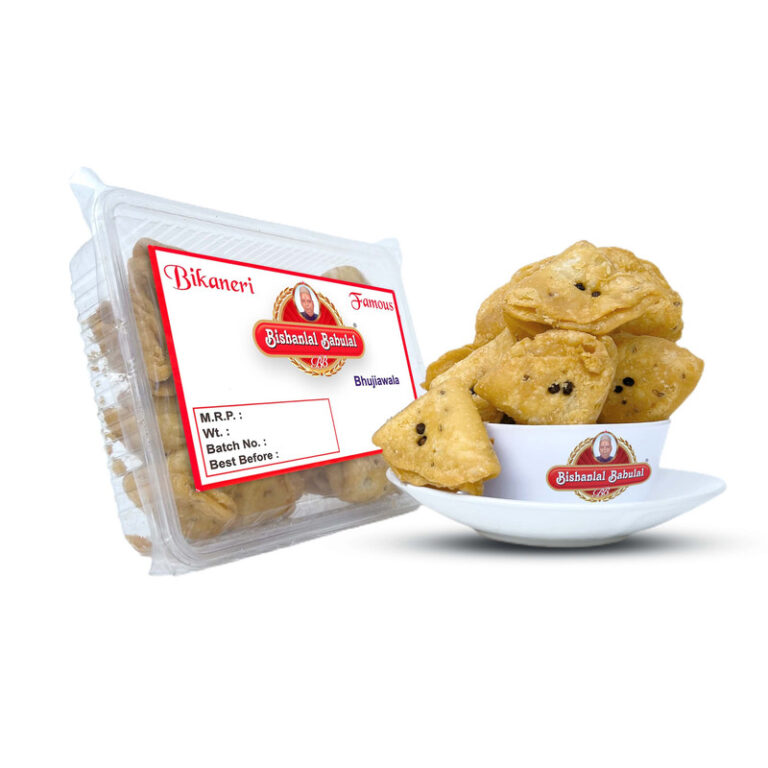
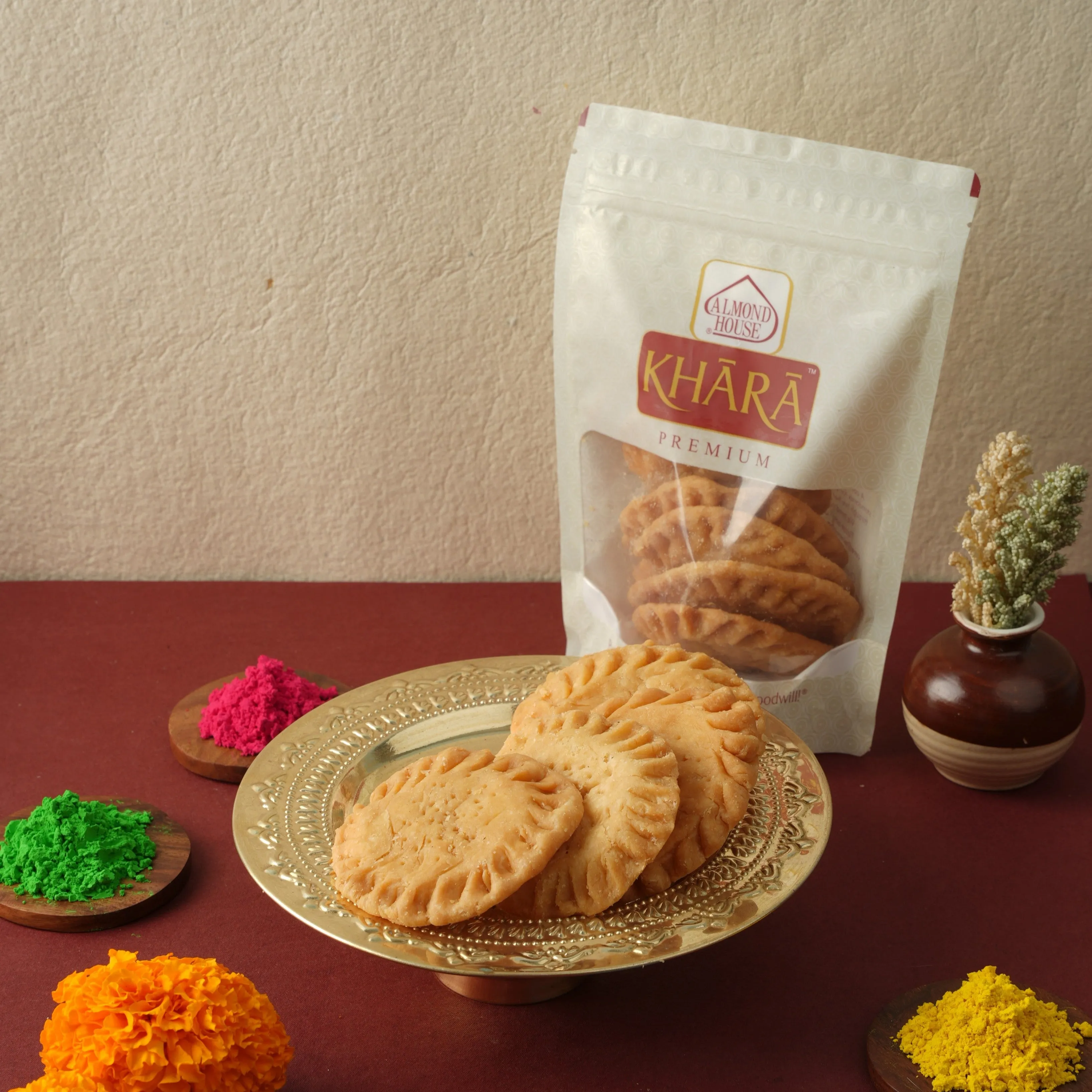
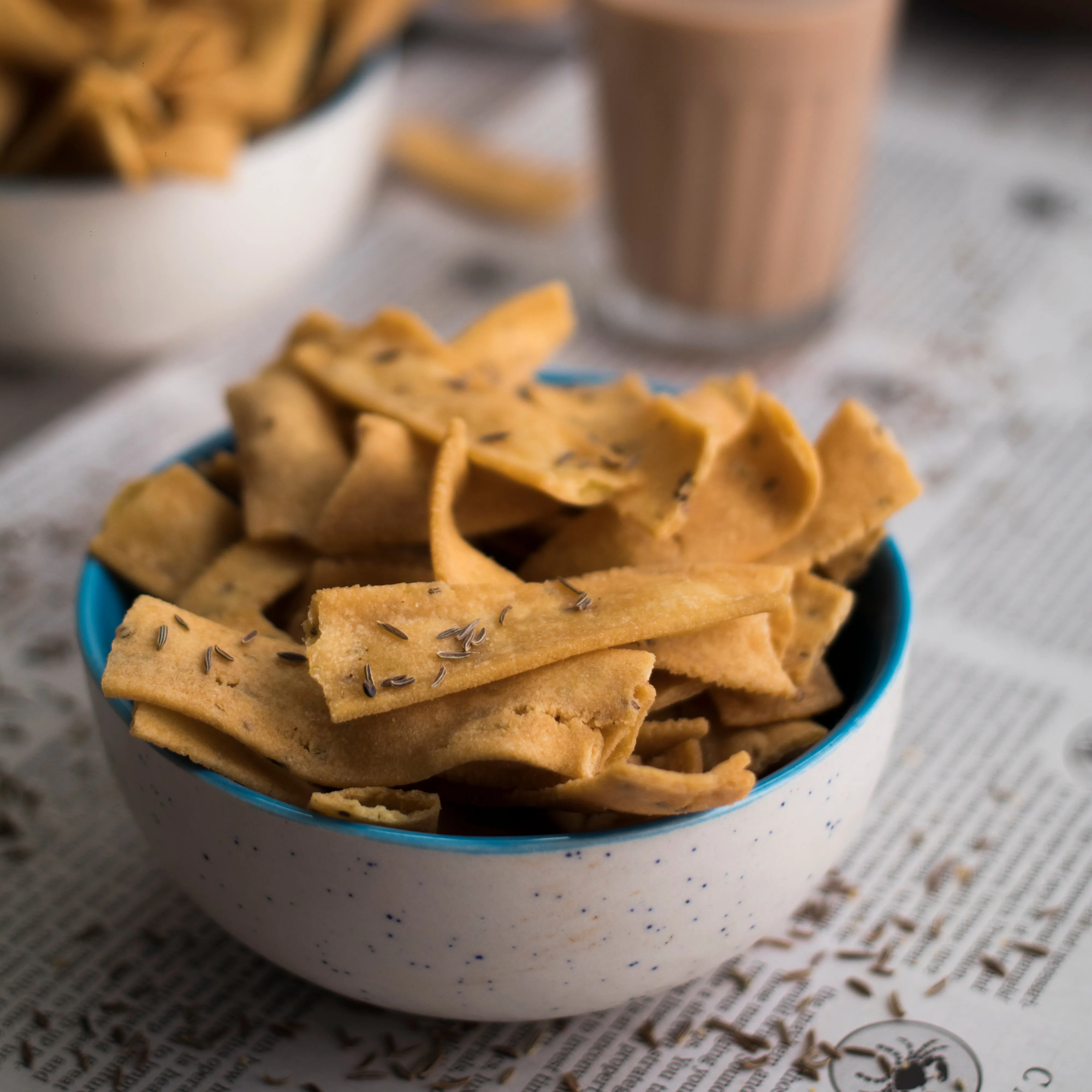
7. Mathri
Flaky discs of wheat flour, layered with ghee and studded with ajwain or jeera, fried until they crack cleanly rather than shatter.
Gol matthi is round, trikon is triangular, and the thod and jeera versions differ by spicing rather than shape.
A little history. Mathri belongs to Rajasthan and the wider Marwari trading world, and its defining quality is not flavour but shelf life. It was made to travel: a snack that keeps for weeks without refrigeration, packed for merchants crossing desert routes where fresh food was not an option. That same quality is why it ends up in Diwali tins and, these days, in parcels going overseas.
Traditionally eaten with achar or a cup of tea, rarely alone.
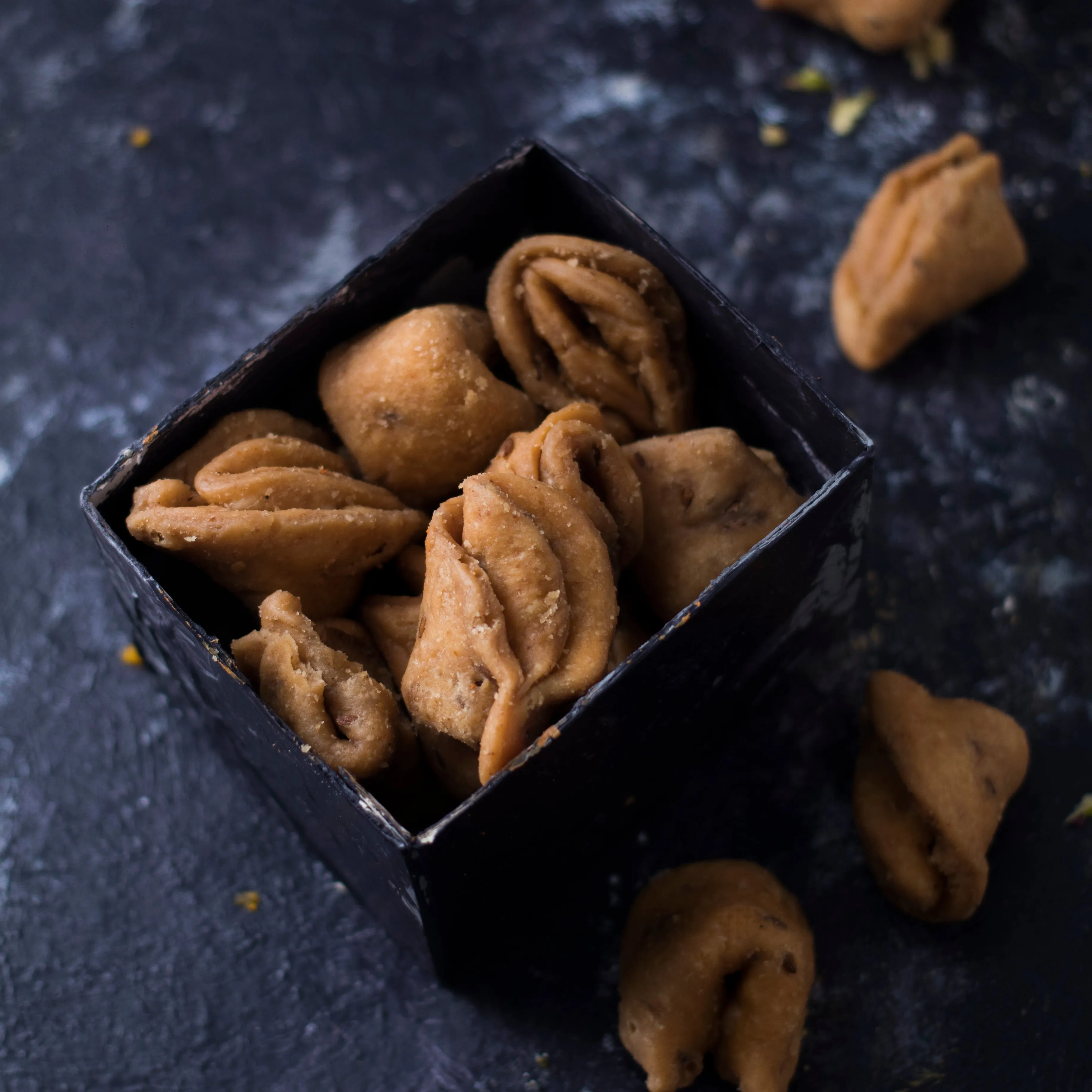
8. Gathiya
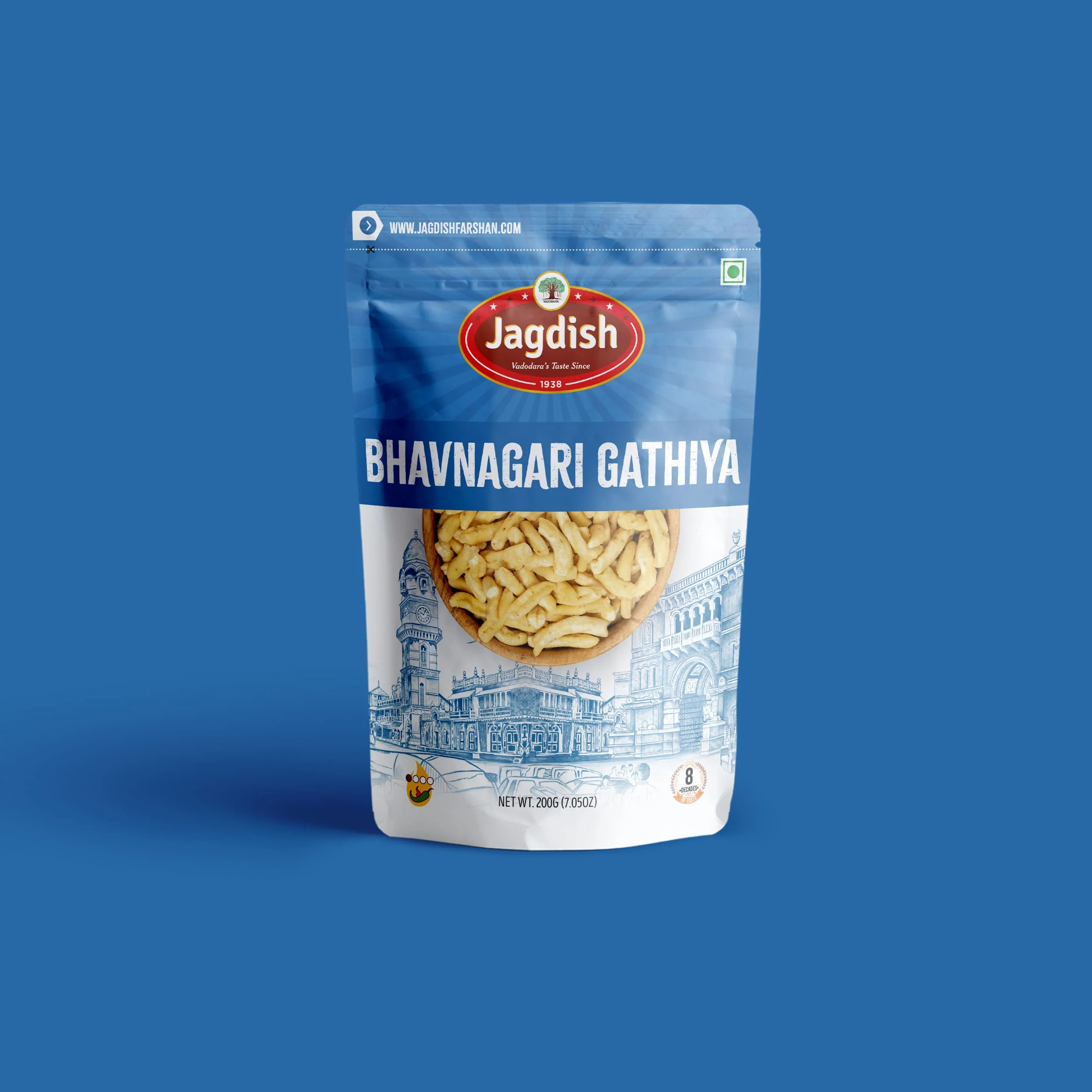
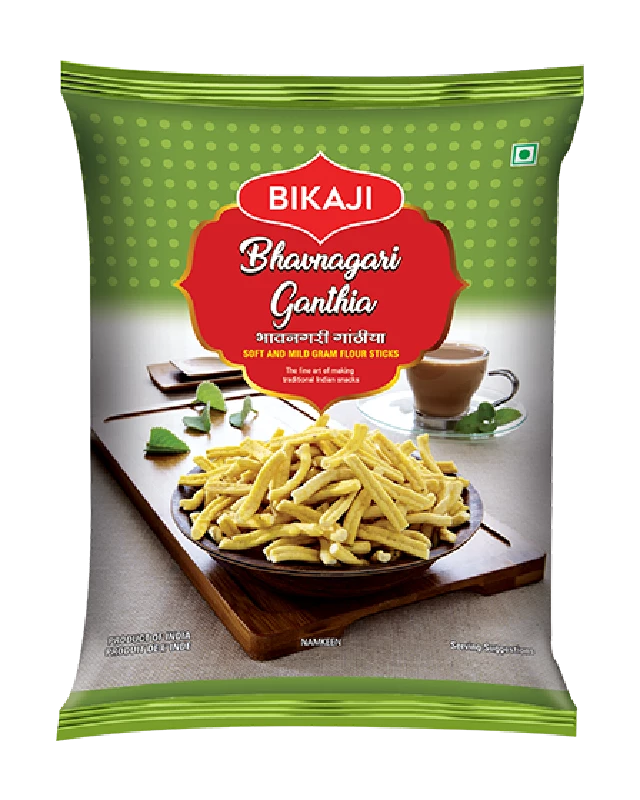
Soft, thick, slightly crumbly strands of besan, quite unlike the crispness of sev despite looking similar.
Bhavnagari gathiya is the reference version, named for the Gujarati city, and it is deliberately soft rather than crunchy, seasoned with ajwain and a little baking soda that gives it its texture.
A little history. Gathiya is Gujarat's contribution to the national namkeen shelf, and in Gujarat it is breakfast as much as a snack, eaten with fried chillies and papaya sambharo. The fact that it is soft is the point: it is meant to be eaten in quantity, not nibbled.
Farsi puri belongs in the same family, a flaky fried disc that turns up on every Gujarati Diwali plate.
9. Chekkalu and Chegodi
The Andhra and Telangana contribution, and the two items on this list most likely to be missing from a shop outside India.
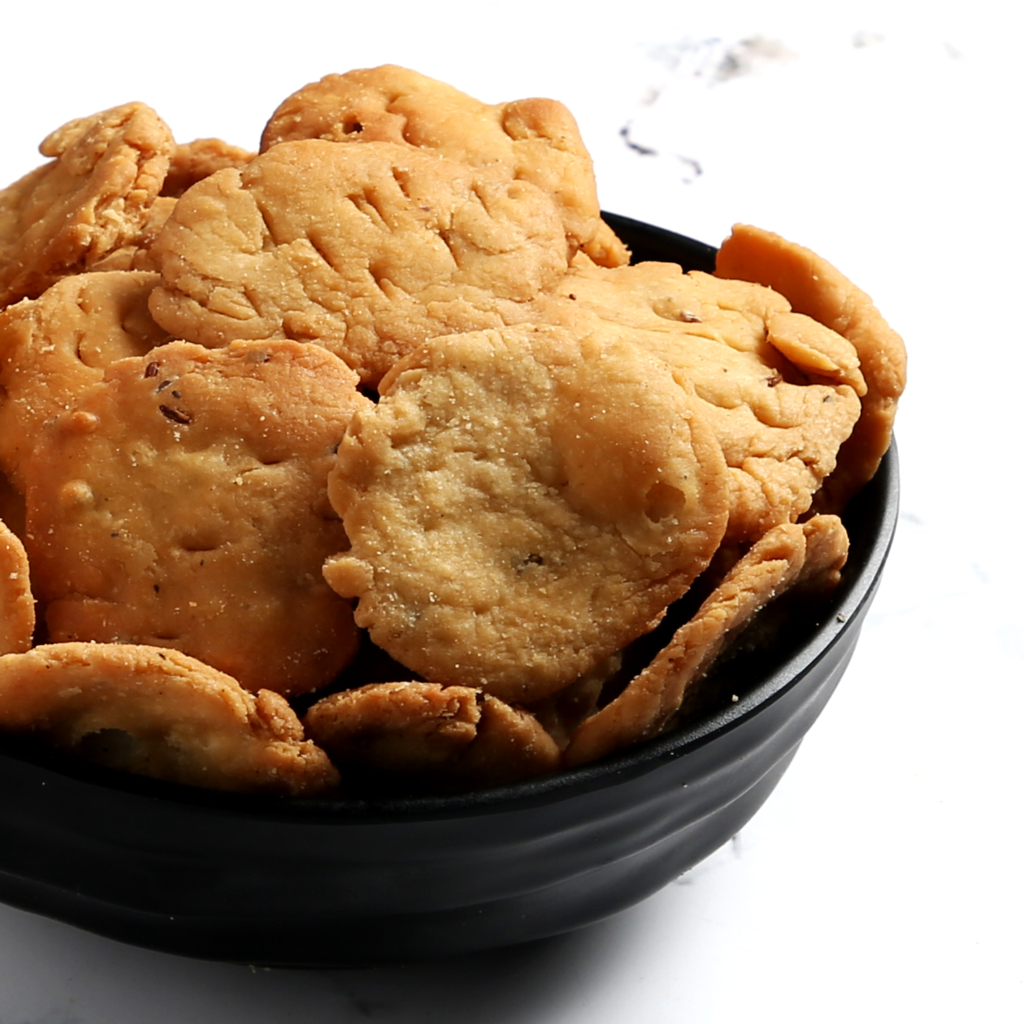
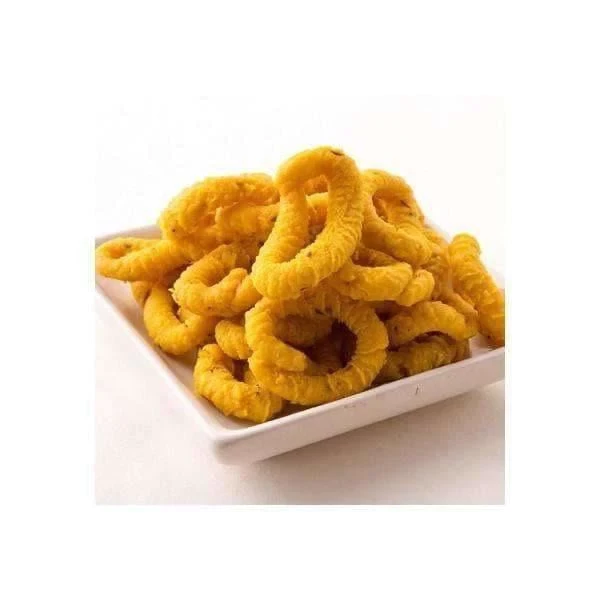
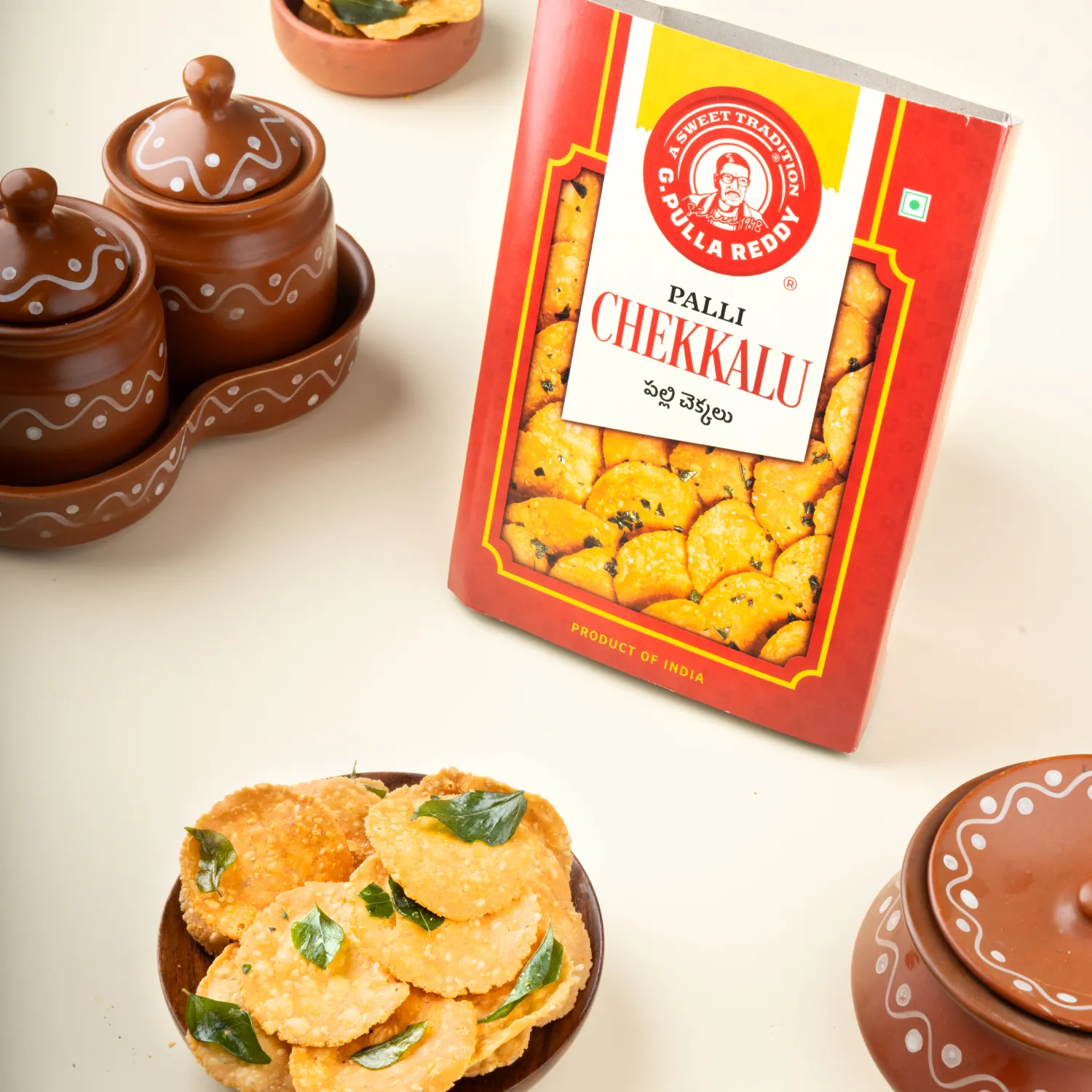
Chekkalu are flat, thin rice-flour discs, studded with chana dal and curry leaves, crisp all the way through. Chegodi are small rings of the same family of dough, closer to a savoury bangle. Karampusa adds heat and a folded shape.
A little history. Both are rice-based rather than wheat-based, which is the clearest marker of a southern snack tradition built on what grows in the delta rather than what grows in the north. They are still largely made by hand, shaped one at a time, which is why they have not scaled the way bhujia has and why they remain a regional speciality rather than a national one.
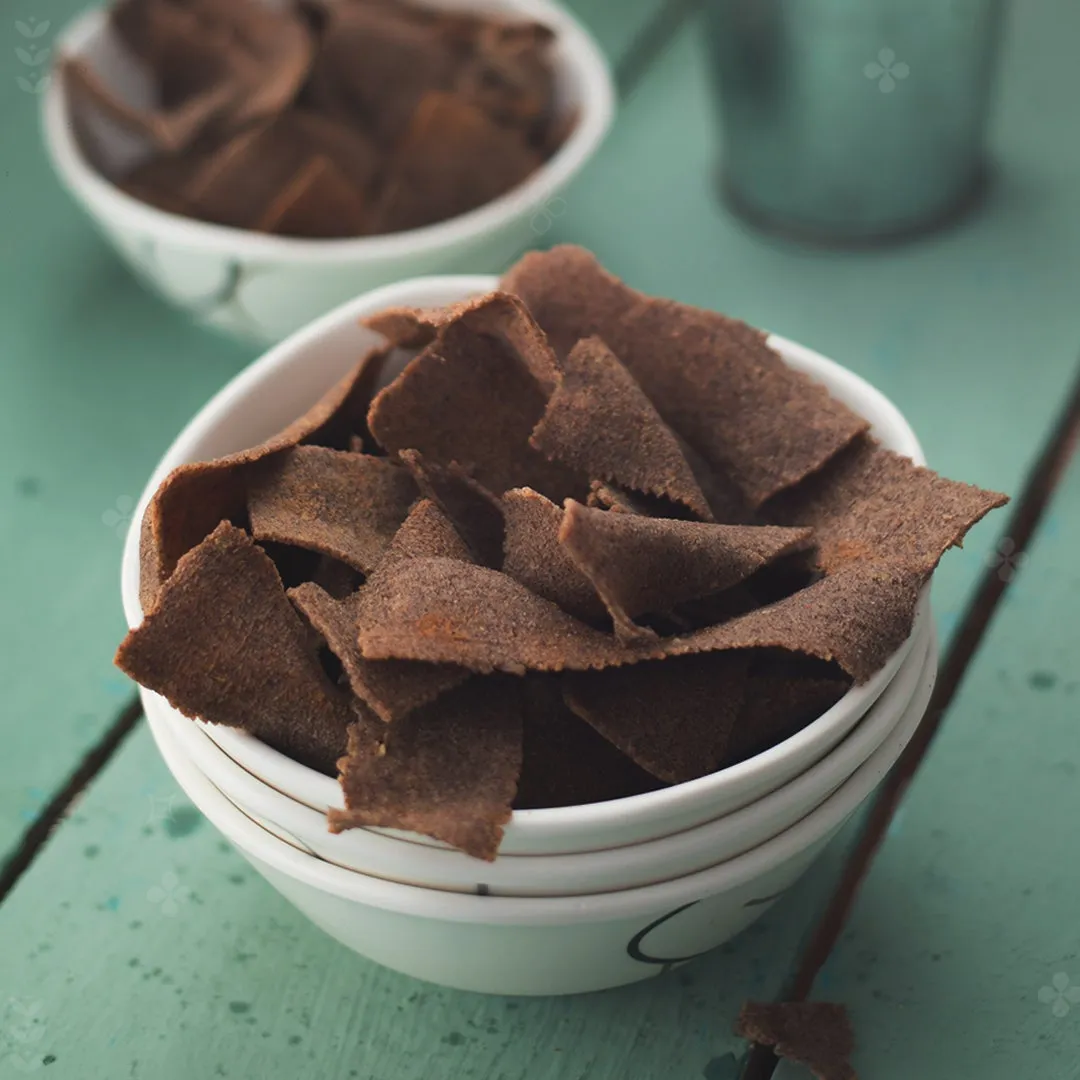
Ribbon pakodi, flat strips with a serrated edge, is the third member of this group.
, 250 g-1.webp)
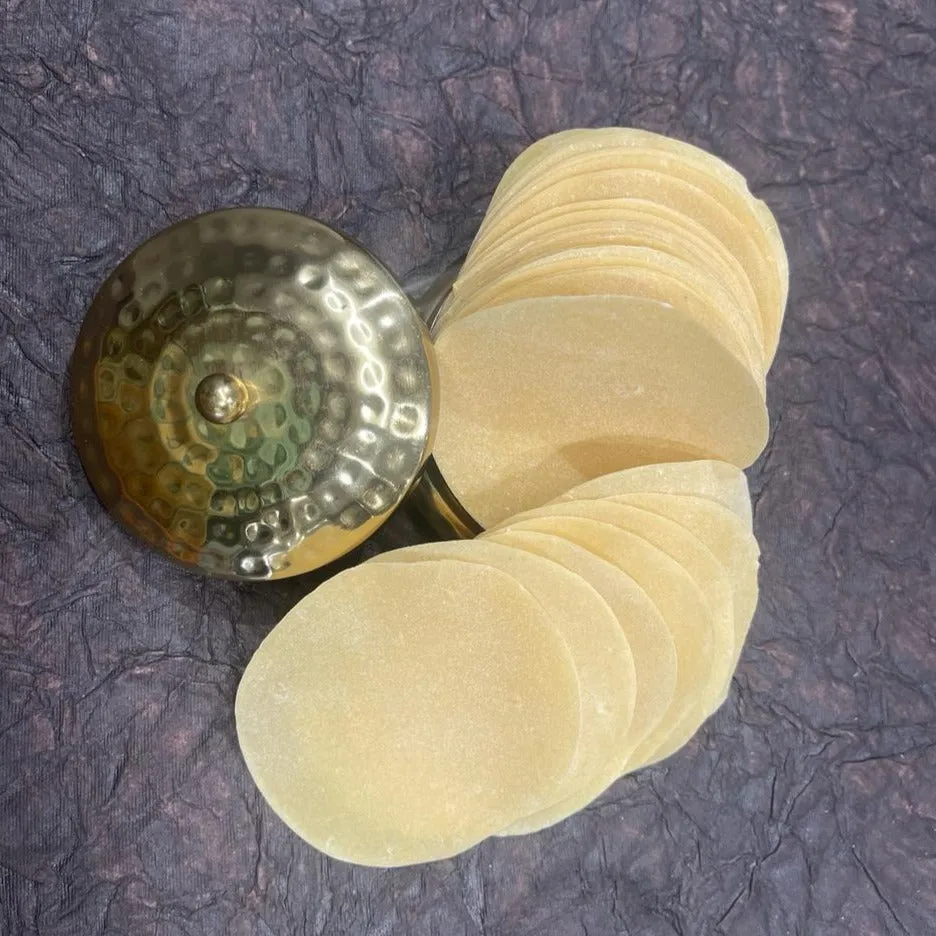
10. Roasted Makhana
The newest entry on this list by a long way, and the one changing fastest.
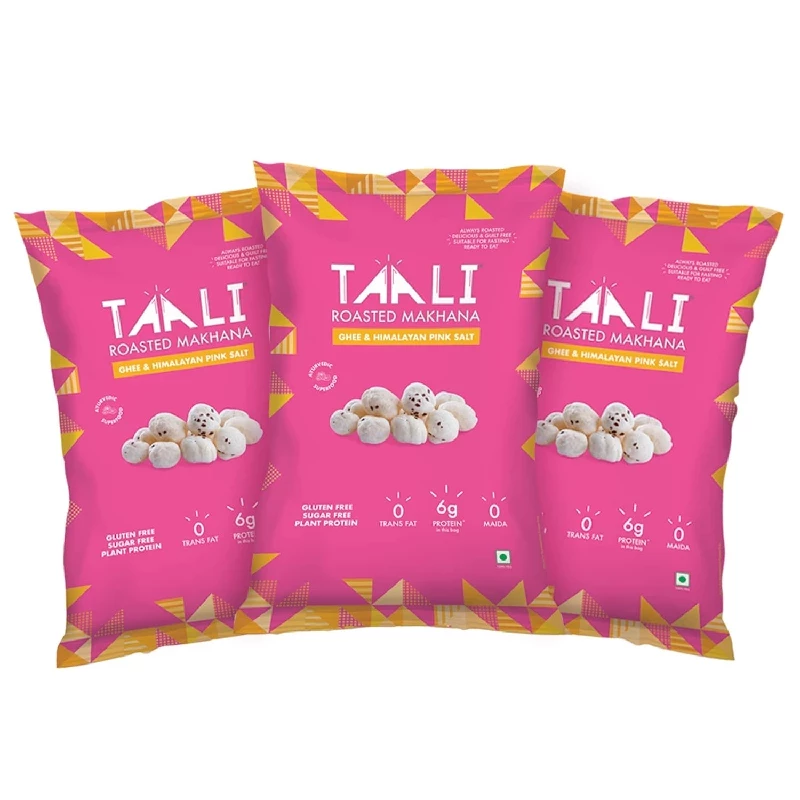
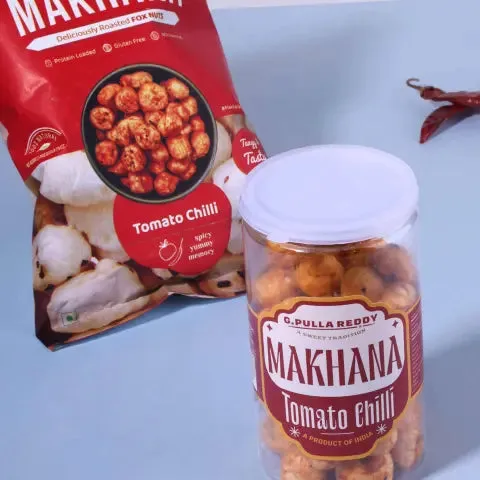
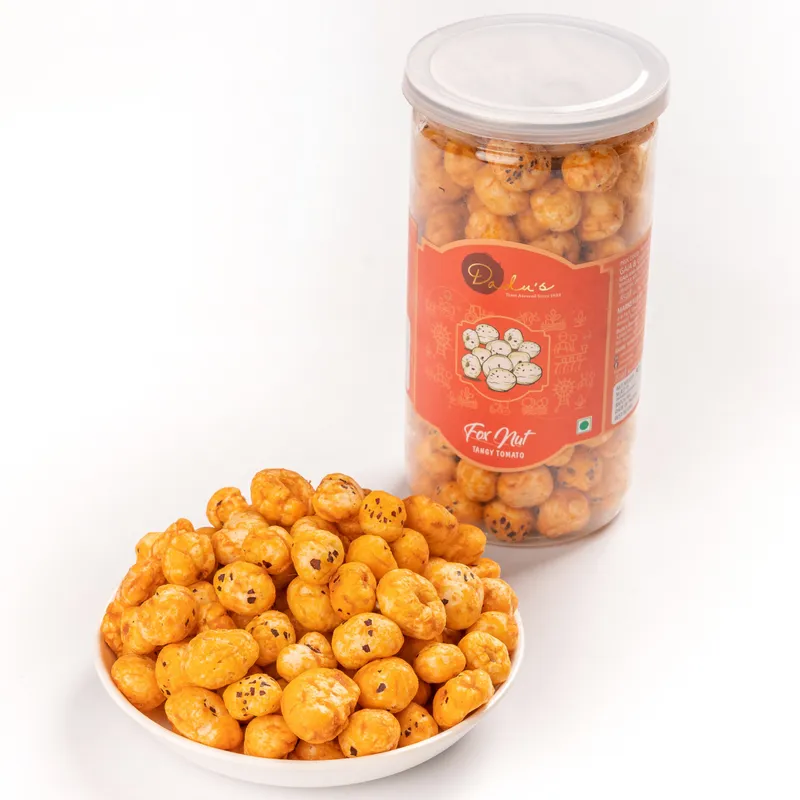
Makhana are the puffed seeds of a water lily, roasted until they turn light and hollow. Plain, they taste of almost nothing. Roasted with salt, chilli, tomato or pink salt, they become the snack that now turns up on Diwali platters in households that would not have served them a decade ago.
A little history. Makhana is not new at all, only newly fashionable. It comes from the Mithila region of northern Bihar, where it has been grown for centuries in shallow ponds, and Bihar still produces over eighty per cent of India's supply. The harvest is genuinely difficult: farmers wade chest-deep into the water to collect the seeds by hand, dry them, then roast them at a precise temperature until they pop.
Mithila Makhana received a Geographical Indication tag in 2022. It also has a festival of its own. The Maithil Brahmin community distributes makhana during Kojagara Puja, which falls a couple of weeks before Diwali, so its association with the festive season predates its arrival on the modern snack shelf entirely.
It is the item most likely to be eaten by the guest who has been politely declining everything else.
, 70 g-1.webp)
, 70 g-1.webp)
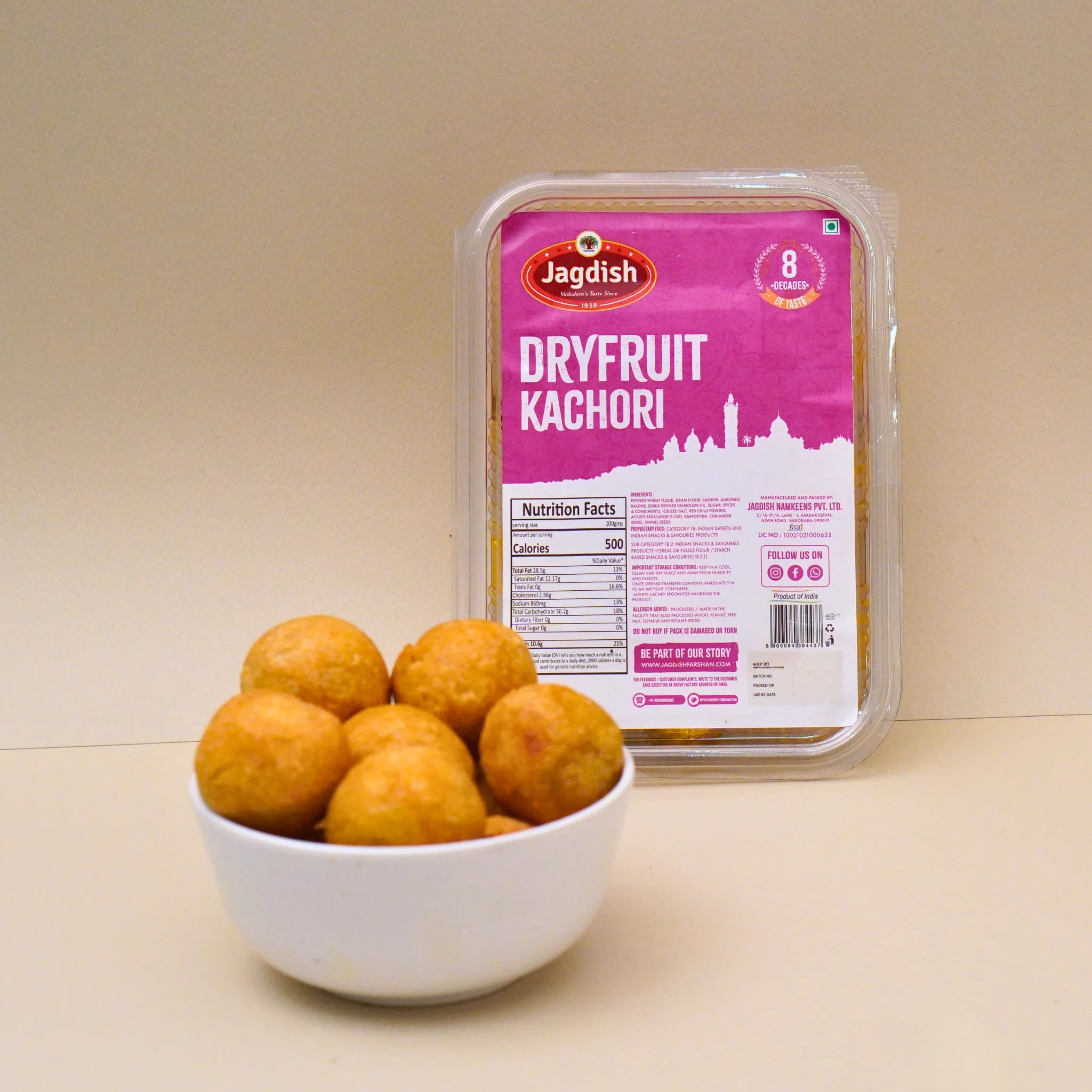
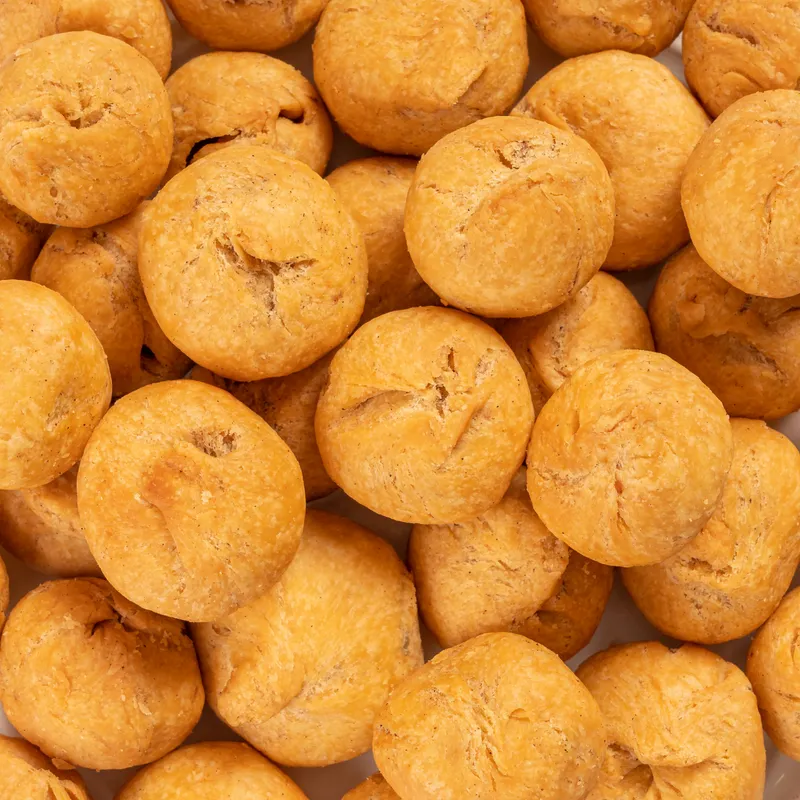
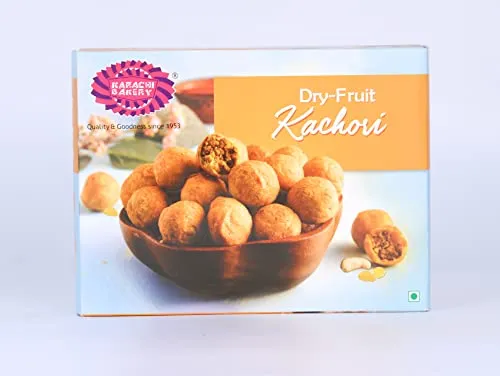
11. Dry Kachori
The heavy one, and the reason it belongs here rather than in a list of fresh snacks is that it keeps.
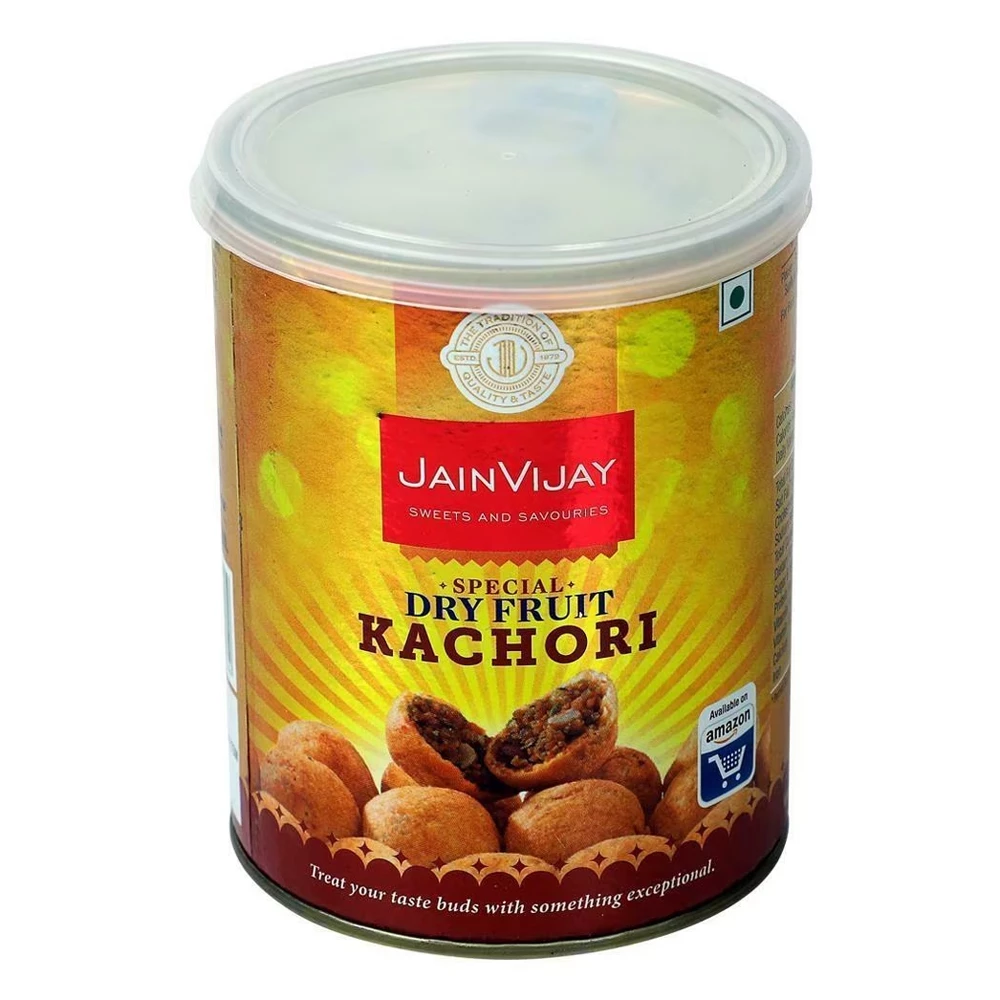
A crisp shell filled with spiced lentil or dry fruit, fried and then left to dry so it can sit in a tin for weeks. Nothing like the soft, chutney-drenched kachori of a street stall.
A little history. Kachori as a form is old and widely spread, but the dry version is a Rajasthani and Marwari innovation driven by the same logic as mathri: make it so it lasts. The dry fruit version, filled with nuts and khoya rather than dal, is the festive upgrade, and it is what most people mean when they order kachori for Diwali.
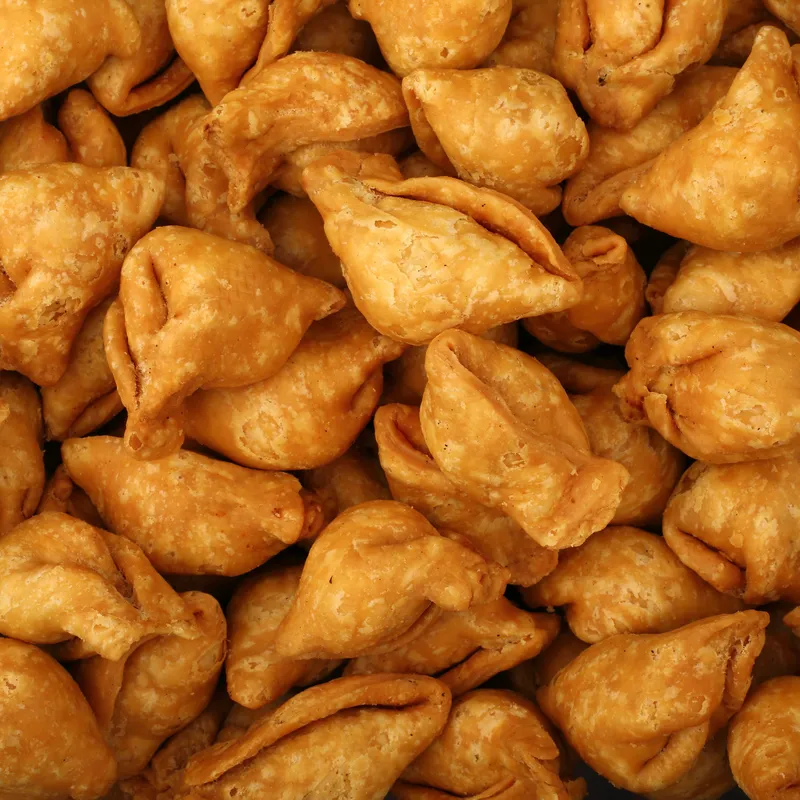
Dry samosa follows the same principle in a different shape.
What About Shakkarpara?
The one item that refuses to sit on either side of the line.
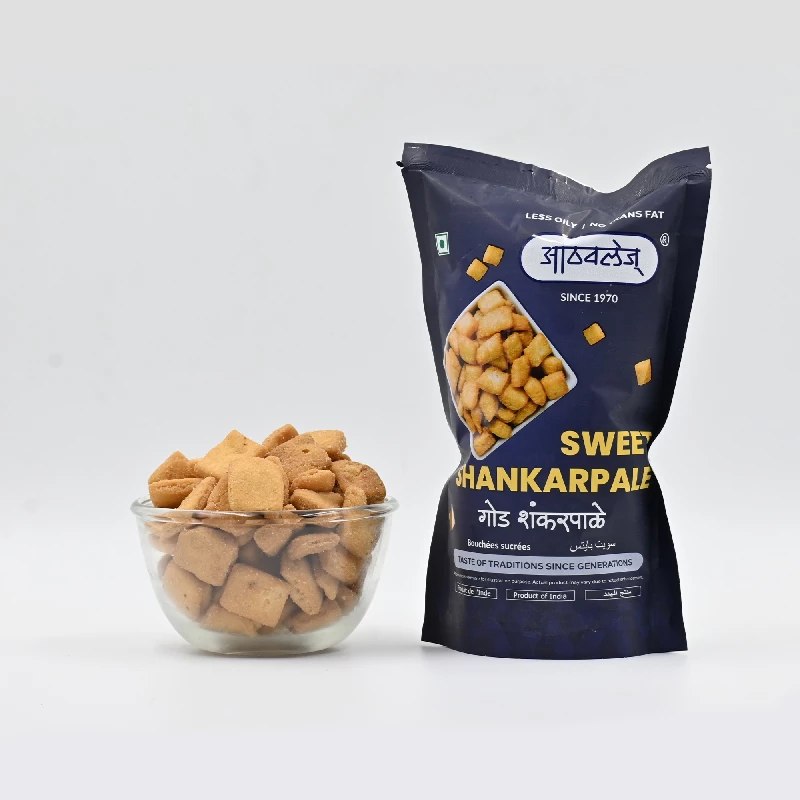
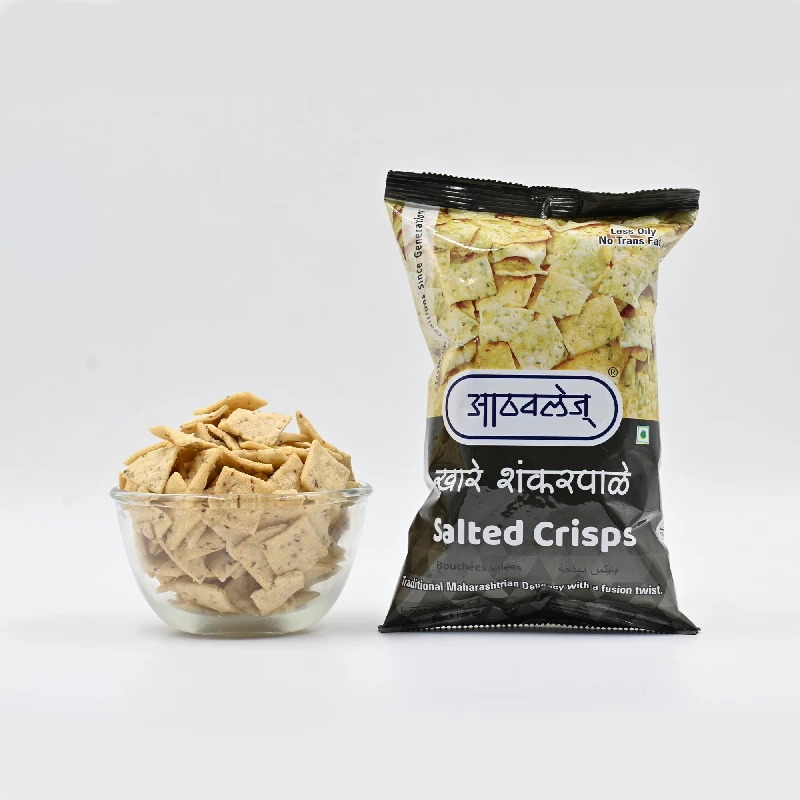
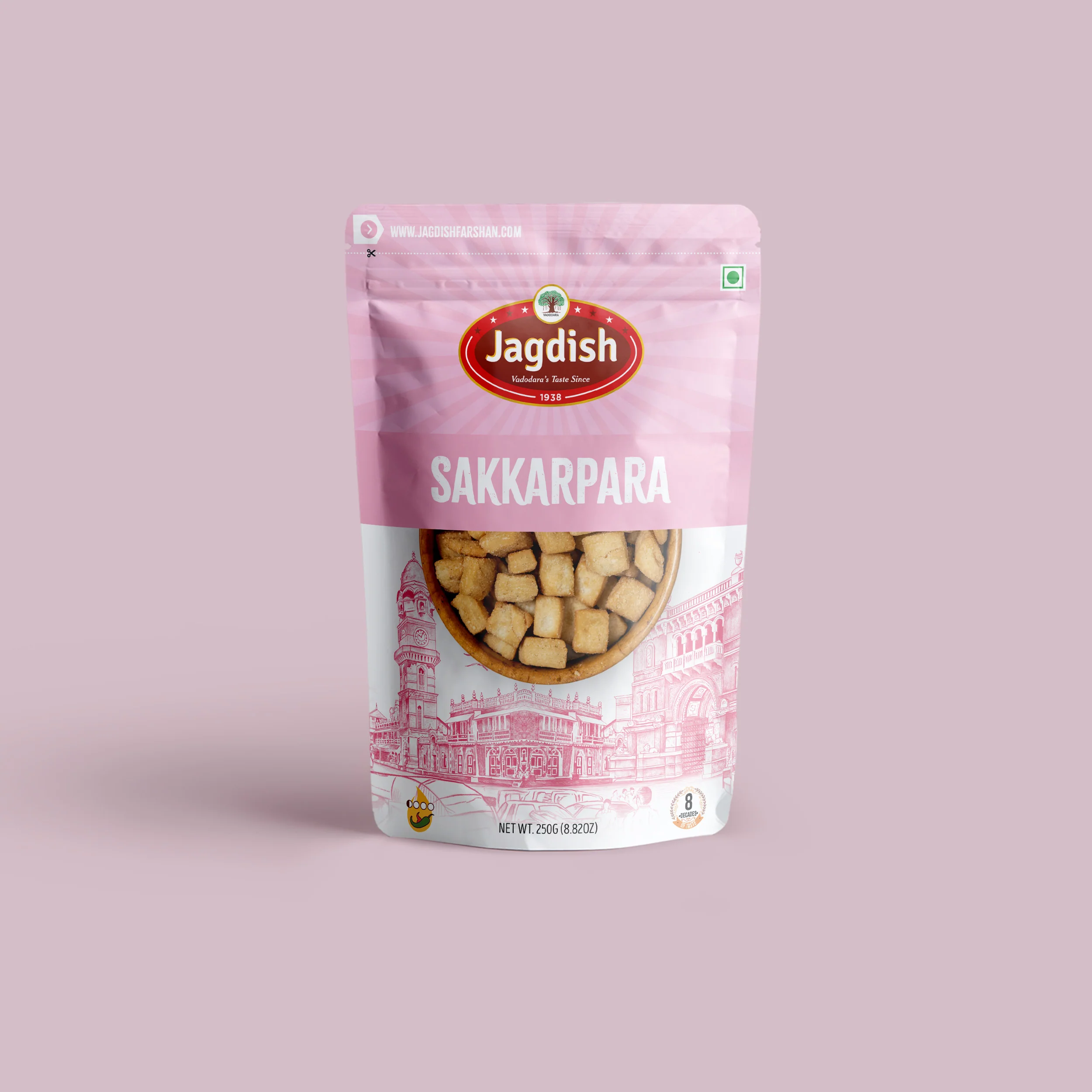
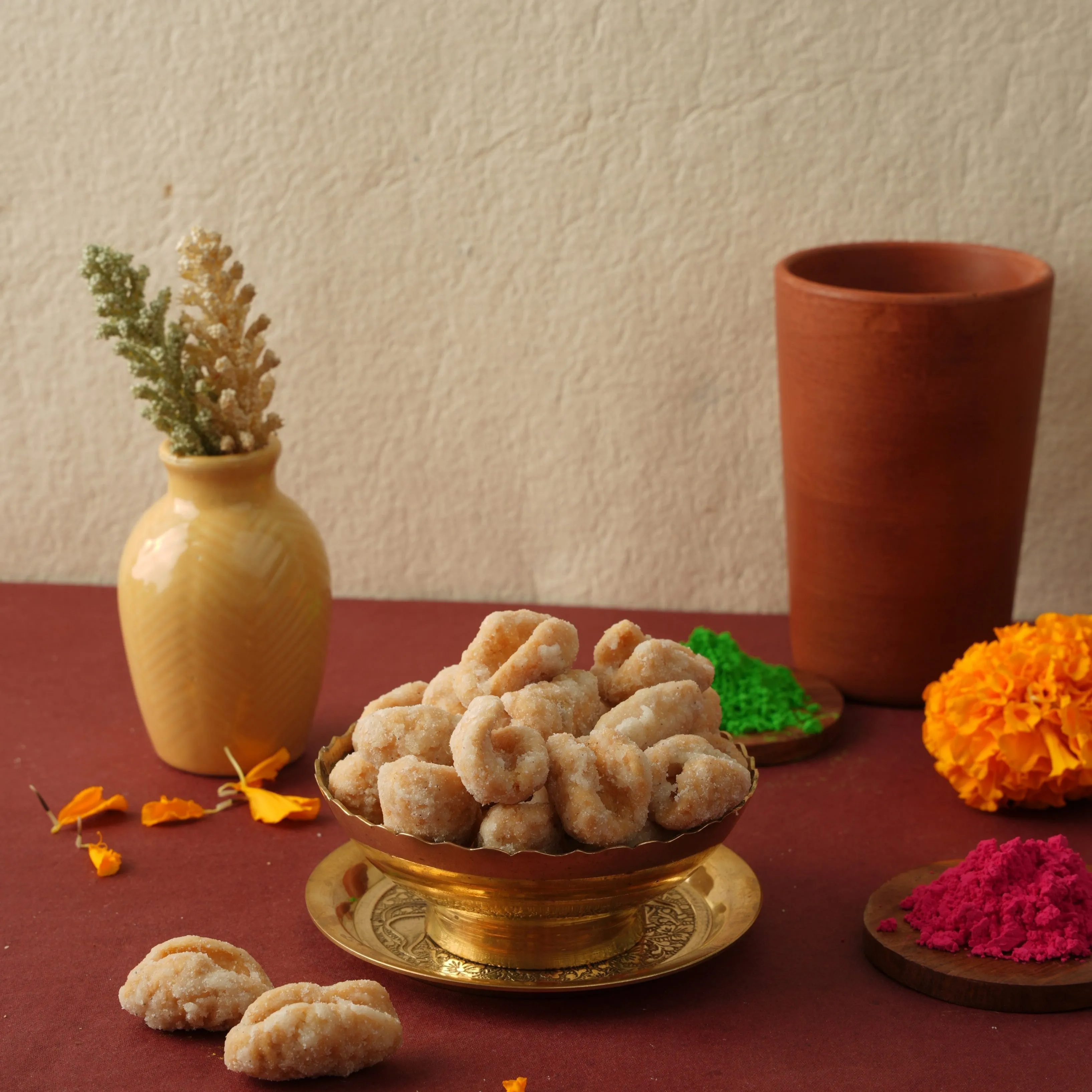
Shakkarpara is sweet, shankarpali is what Maharashtra calls it, and khare or khara shankarpali is the savoury version made in the same batch, from the same dough, on the same afternoon. Most households make both and keep them in adjacent tins.
We have covered it as a sweet in 11 Most Popular Diwali Sweets, but if your Diwali platter is missing the savoury version, it belongs here.
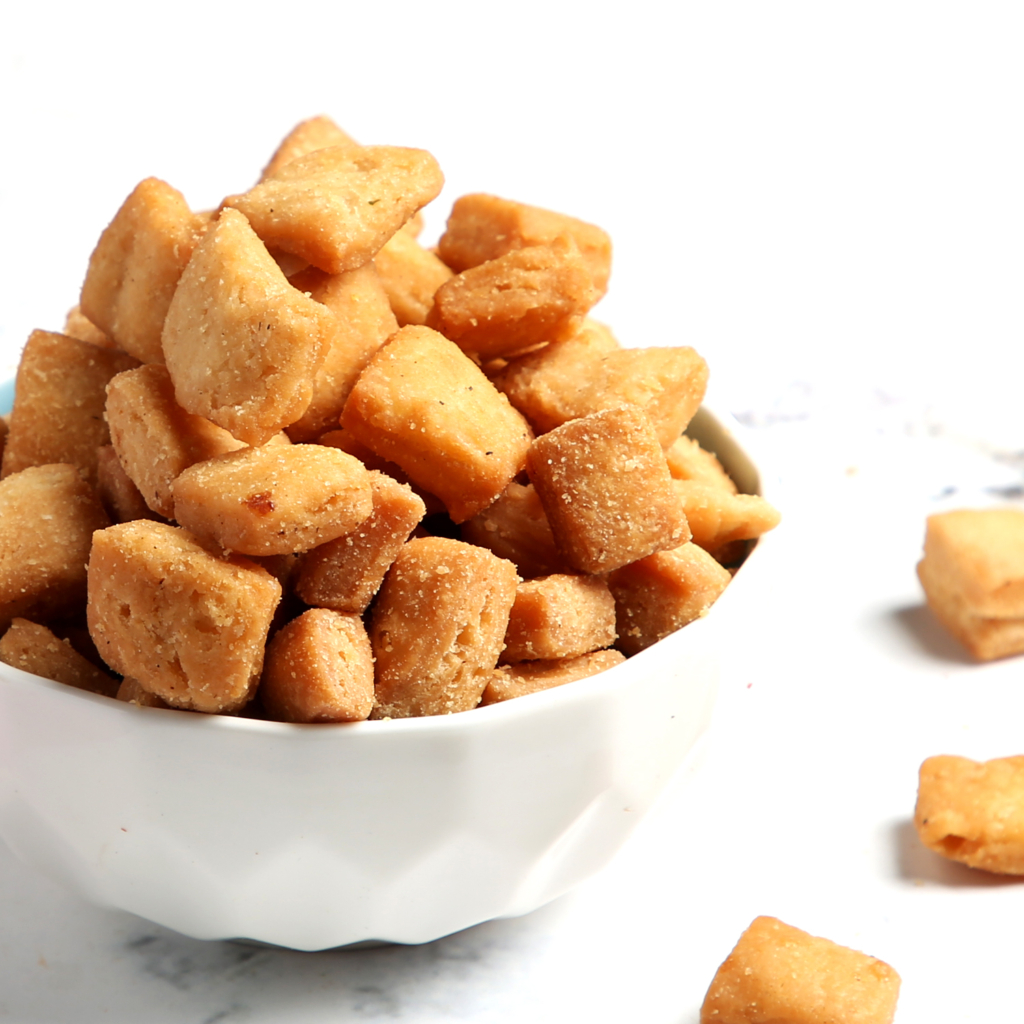
Building a Diwali Snack Platter
If you are hosting rather than gifting, the platter is a balancing act rather than a shopping list.
Pick one from each texture. A spiral (chakli or murukku), a strand (sev or bhujia), a flat cracker (mathri or nippattu), a loose mix (chivda or mixture) and one filled item (bhakarwadi or dry kachori). Five items covering five textures reads as generous. Five variations of sev does not.
Balance the heat. Ratlami sev, lahsun bhujia and karampusa are all genuinely hot. Put at least two mild items alongside them, because guests will otherwise work their way through the gathiya and leave the rest.
Serve namkeen before mithai. This is how it is done at home and there is a reason for it: savoury first keeps people eating, sweet first ends the session.
Small bowls, refilled. A single large platter goes soft in an hour once it is open. Several small ones, topped up, keep everything crisp.
One thing for the guest who is being careful. Roasted makhana and baked rather than fried snacks mean nobody has to decline the whole tray.
If You Would Rather Not Assemble It Yourself
Ready-made combo packs and hampers cover several items in one order, which saves both the choosing and the coordinating. Our guide to Diwali gift hamper ideas covers the options, including what works for a household, a gathering and gifting.
Which of These Travel Well
Snacks are, as a category, far better travellers than sweets. Almost everything on this list is fried or roasted, low in moisture, and needs no refrigeration, which is exactly what a long journey demands.
Excellent over long distances. Mathri, dry kachori, chekkalu, chegodi, roasted makhana, bhujia, sev, mixture and shakkarpara. Most of these keep for three to six months in sealed packs. Mathri and dry kachori were designed for travel in the first place.
Very good, with a shorter window. Chakli, murukku, bhakarwadi and dry chivda. These stay crisp for weeks rather than months, and are best eaten within the season.
Needs care. Lilo chevdo, the soft moist Gujarati version, has a genuinely short shelf life compared with everything else here. Check the date on the pack before sending it a long way.
If you are ordering to send abroad rather than to serve at home, that distinction matters more than which regional variety you prefer.
The Snacks Are the Part People Miss
Diwali away from India is manageable in most respects. The lights can be bought locally. The mithai can be approximated. What is hard to replace is the tin on the counter, the specific chakli your family always bought, the chevdo from the shop two streets from your parents' house.
The Desi Food ships traditional Diwali snacks, namkeen and farsan from India to over 80 countries, including the USA, UK, Canada, Australia and the Gulf, sourced from the brands themselves rather than resellers.
Browse the full range on the Diwali sweets and snacks collection.