
Types of Chakli in India - From Bhajani To Muruku and More
Explore the types of chakli in India, from Bhajani to Murukku. Order fresh chaklis from The Desi Food with global delivery to 80+ countries.
Latest Articles
 Wellness
What Is Avipattikar Churna? Ingredients, Traditional Uses and Safety
Oct 8, 2026
 Staples
Organic Honey vs Regular Honey: What the Label Covers and What It Doesn't
Oct 8, 2026
 Beauty
8 Best Natural Shampoos for Men to Buy Online in the USA, UK and Beyond
Oct 8, 2026
 Wellness
Best Ayurvedic Herbs for Sleep: 8 Herbs and the Forms They Come In
Sep 30, 2026
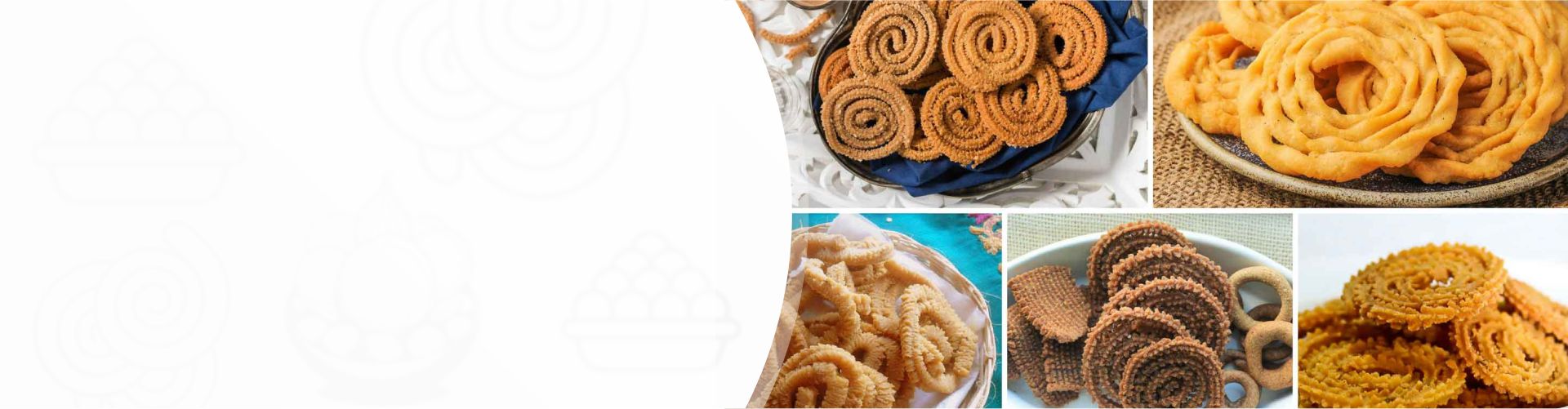
The various types of chakli in India reflect the incredible diversity of our food culture, from Bhajani to Muruku and more. Chakli is more than a crispy snack. It's part of our Indian festivals, childhood memories, and home kitchens. Whether Diwali, a road trip, or an occasion of tea-time craving, Chakli is always welcome in its spiral form. But did you know there are so many ways to make Chakli in India? From Maharashtra's Bhajani Chakli to South India's popular muruku, this favorite snack has many avatars. That’s why food lovers often search for types of chakli in India to explore regional variations.
Let's go on a crispy tour of the various Chakli varieties in India and discover why every one of them is unique!
What Is Chakli?
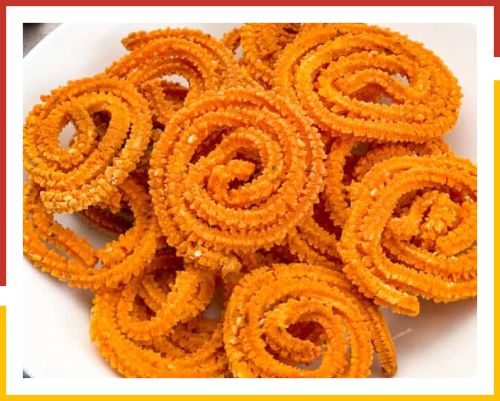
Chakli is a spiral fried snack prepared from rice flour, wheat flour, or lentil flour, along with spices such as sesame seeds, ajwain (carom seeds), cumin, and chilli powder. It is pressed into a round spiral form with a specific chakli maker and then fried to a golden brown and crispy texture.
Chakli is particularly favored during festivals such as Diwali, yet it's also a common homemade snack in Indian households. It is one of the most loved Indian festive snacks for gifting, thanks to its long shelf life and nostalgic taste.
Why Are There So Many Varieties?
Chakli is made in so many tasty ways throughout India since every region works with the grains and spices they are most familiar with. Rice flour is used by some, and some include lentils, roasted pulses, or even an undertone of butter, developing flavorful variations and textures.
Whether mild or spicy, extra crispy or soft, chakli inevitably makes it into our snack boxes and our hearts. Many of these regional Diwali snacks reflect not just the taste but also the history of Indian households.
Most Popular Varieties of Chakli in India
These are some of the most popular varieties of chakli in India:
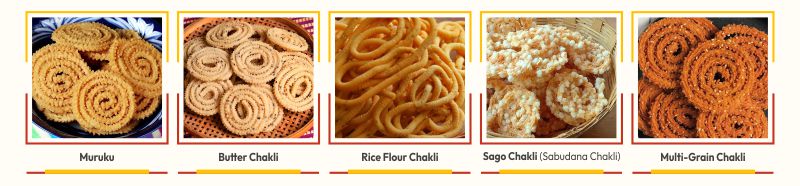
Bhajani Chakli
Bhajani is a roasted flour mixture in Marathi. This one is prepared with a special roasted rice, chana dal, urad dal, and spice mix. It's dark-colored, strongly flavored, and has a nutty fragrance. It's an indispensable item during Diwali Faral in Maharashtrian households. You can now also buy Bhajani Chakli online to enjoy its authentic taste anywhere in the world.
Muruku
Muruku is South India's version of chakli. It's often prepared using rice flour and urad dal flour. It is lighter in shade and crisper in texture. In Tamil, "muruku" translates as "twisted," an appropriate name for its coiled shape. Muruku is available in numerous shapes, such as Thenkuzhal, Kai muruku (hand-shaped), and Ribbon muruku. If you’ve ever wondered about the difference between the two, just look up muruku vs Chakli and you’ll be surprised how deep the regional variations go.
Butter Chakli
Butter Chakli is prepared using rice flour, roasted gram flour (puffed chana dal), and some butter for softness. It's not spicy and melts away in your mouth. Children enjoy this version because it is gentle and light.
Rice Flour Chakli
This one employs plain rice flour with a few spices and sesame seeds. It is light and plain, usually served during teatime or packed in lunch boxes.
Sago Chakli (Sabudana Chakli)
This variety employs sago (sabudana), ground peanuts, and potato flour, thus making it suitable for religious fasts (vrats). It's crunchy and chewy, typically consumed during Navratri or Ekadashi.
Multi-Grain Chakli
With more and more people seeking healthy snacks, some now produce chakli from flours such as ragi, jowar, or oats. These multi-grain chaklis are full of fibre and nutrients but still crunchy and tasty!
How Is Chakli Prepared?
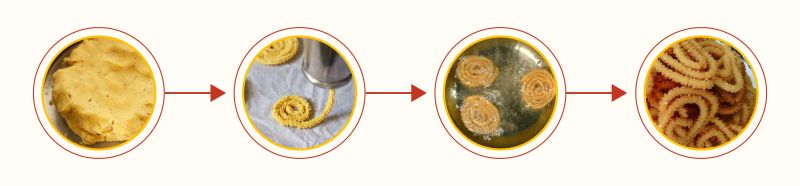
Although the ingredients vary, the process remains almost the same:
Preparation of the dough – Spices and flours are mixed with water to form a smooth, soft dough.
Shaping – The dough is fed into a chakli press or maker and spiralled right onto a flat surface or frying ladle.
Frying – Spirals are fried in hot oil until golden brown and crispy.
Cooling and storing – After cooling, they are kept in airtight containers so they remain fresh for weeks.
Each home contributes its love and touch, such as a pinch of asafoetida, or adding hot oil to the dough for a bit of crunch!
How to Enjoy Chakli?
Chakli is one of those snacks that fit just about every moment. You can enjoy it with a steaming cup of tea or coffee, or serve it during festivals as part of a colorful Diwali Faral platter. It's perfect for school tiffins, long road trips, or even packed in lunchboxes for a crunchy surprise.
During festivals like Pongal and Krishna Jayanthi in South India, regional Diwali snacks like muruku are served alongside sweets and banana chips, making every bite even more special. Whether gifted in festive boxes or shared at home, chakli brings joy wherever it goes.
Chakli and Childhood Memories
We all remember the delight of seeing our mothers and grandmothers prepare chakli at home. The kitchen with the smell of roasted flour, the crackle of hot oil, and the excitement of stealing a hot chakli straight from the frying pan. Chakli is more than a snack; it's an experience that accompanies us wherever we are.
Where Can You Get Genuine Chakli?
Living outside India? Missing homemade chakli flavor during Diwali? The Desi Food features best-quality chaklis, such as Bhajani Chakli, Butter Chakli, and muruku, from top Indian brands to your doorstep. Order online from anywhere in the world with international delivery to 80+ countries and enjoy the crispy bite of home wherever you are. Now, enjoying Bhajani Chakli online is easier than ever!
Chakli: One Snack, Many Stories
From Maharashtra to Tamil Nadu, from rice flour to multi-grains, chakli is testimony to the fact that there can be many shapes and flavours to one snack. It's crunchy, comforting, and part of our festivities forever.
So the next time you take a bite of a chakli, remember how it has travelled, from your state, your tradition, and perhaps even your childhood. No matter which types of chakli in India you grew up eating, each one holds a memory and a story.
Frequently Asked Questions
What are the various types of chakli in India?
There are numerous varieties of chakli in India like Bhajani Chakli of Maharashtra, muruku from South, Butter Chakli of Karnataka, Chakli made of Rice Flour from Gujarat, and the more recent variants like Multi-Grain Chakli prepared using ragi or oats.
How is Chakli different from Murruku?
Muruku is a South Indian variant prepared using rice and urad dal flour, typically light and crunchy. Chakli employs mixed flours and spices, which makes it stronger in flavor and darker in color.
Do people eat Chakli only during Diwali?
No, although chakli is a regional Diwali snack, it's consumed throughout the year as a tea-time snack, travel snack, or school tiffin item.
How can I purchase authentic Bhajani Chakli online?
You can purchase Bhajani Chakli online at reliable websites such as The Desi Food, which provides genuine regional snacks with international shipping to 80+ nations.
Can Chakli be a healthy snack?
Yes, provided it is prepared using whole grains such as jowar, ragi, or oats. These multi-grain chakli variants are rich in fibre and ideal for guilt-free snacking.
You May Also Like
View all Articles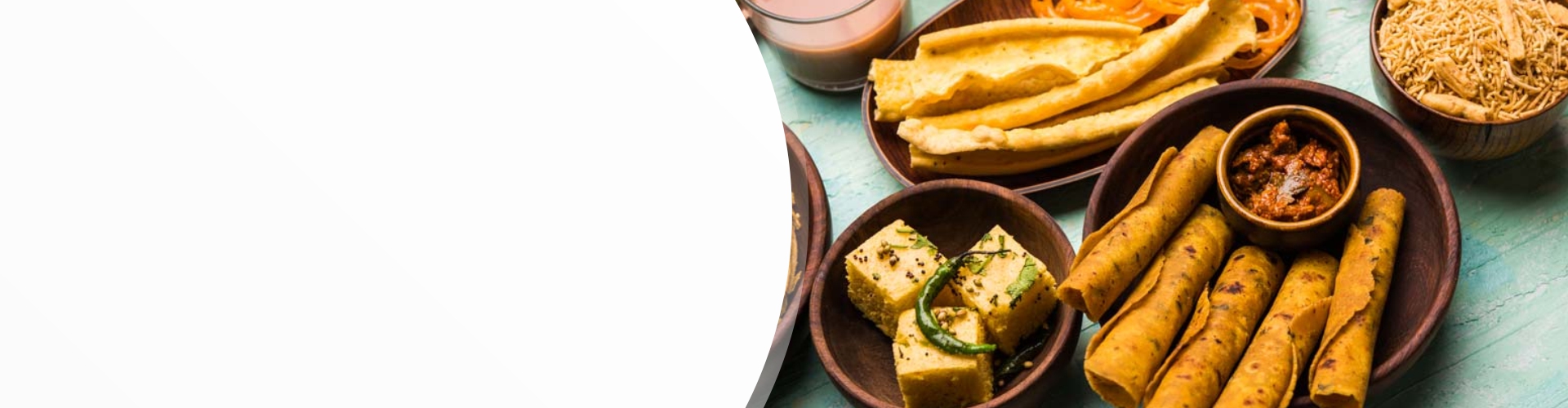 Delicacies
Deliciously Desi: 10 Easy Gujarati Breakfast Recipes and Snacks to Elevate Your Morning!
By ChaitanyaAug 11, 2026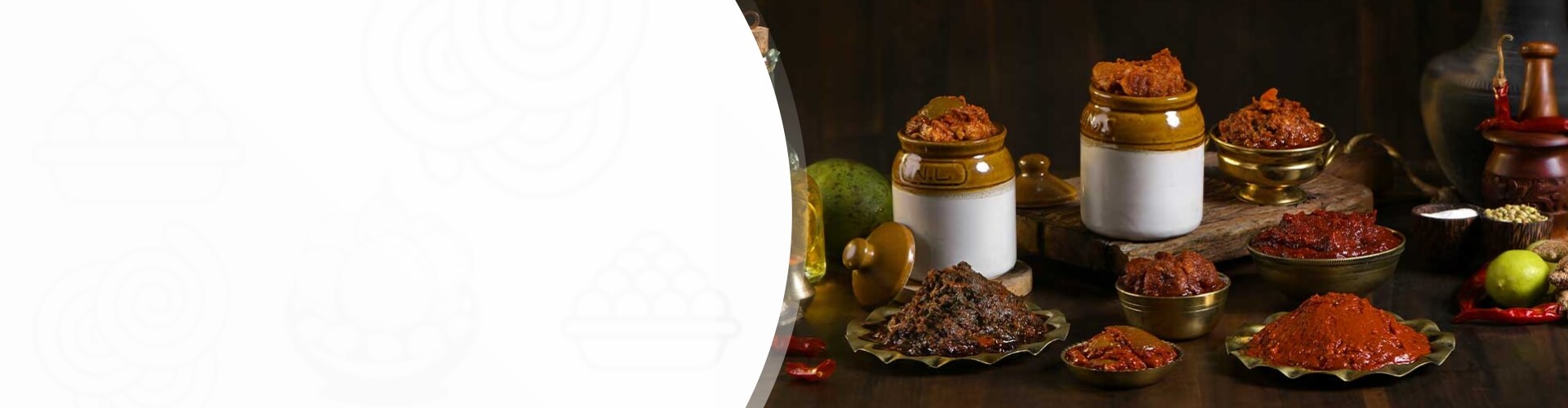 Delicacies
Best Indian Pickle: Spice Up Your Meals, Anywhere in the World
By Saroja HuddarAug 11, 2026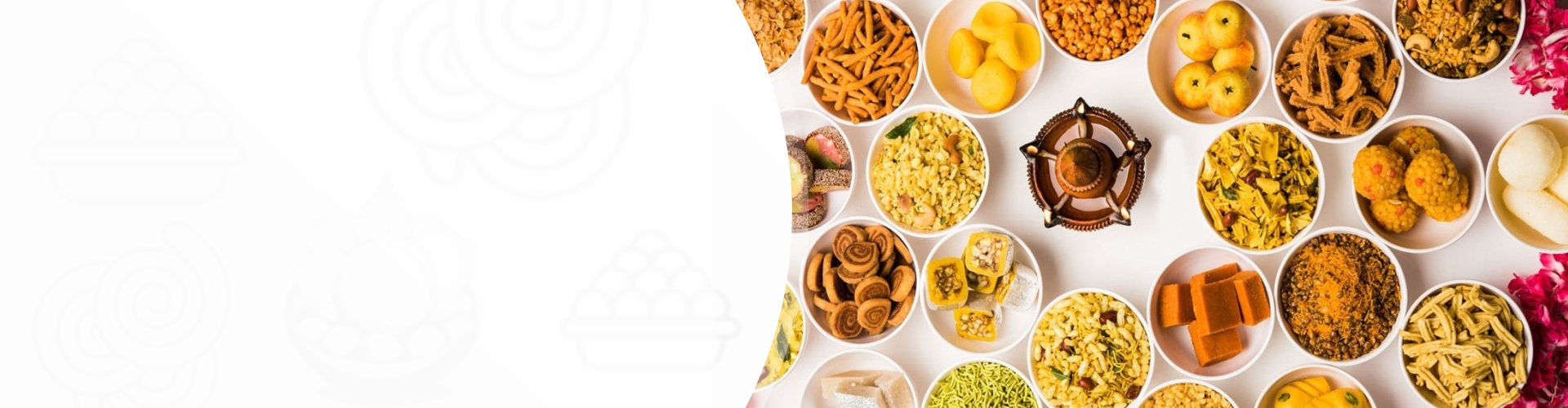 Delicacies
15 Best Indian Snacks Loved Worldwide (Healthy & Indulgent)
By Saroja HuddarAug 11, 2026