
11 Most Popular Diwali Sweets in India
11 Most Popular Diwali Sweets in India
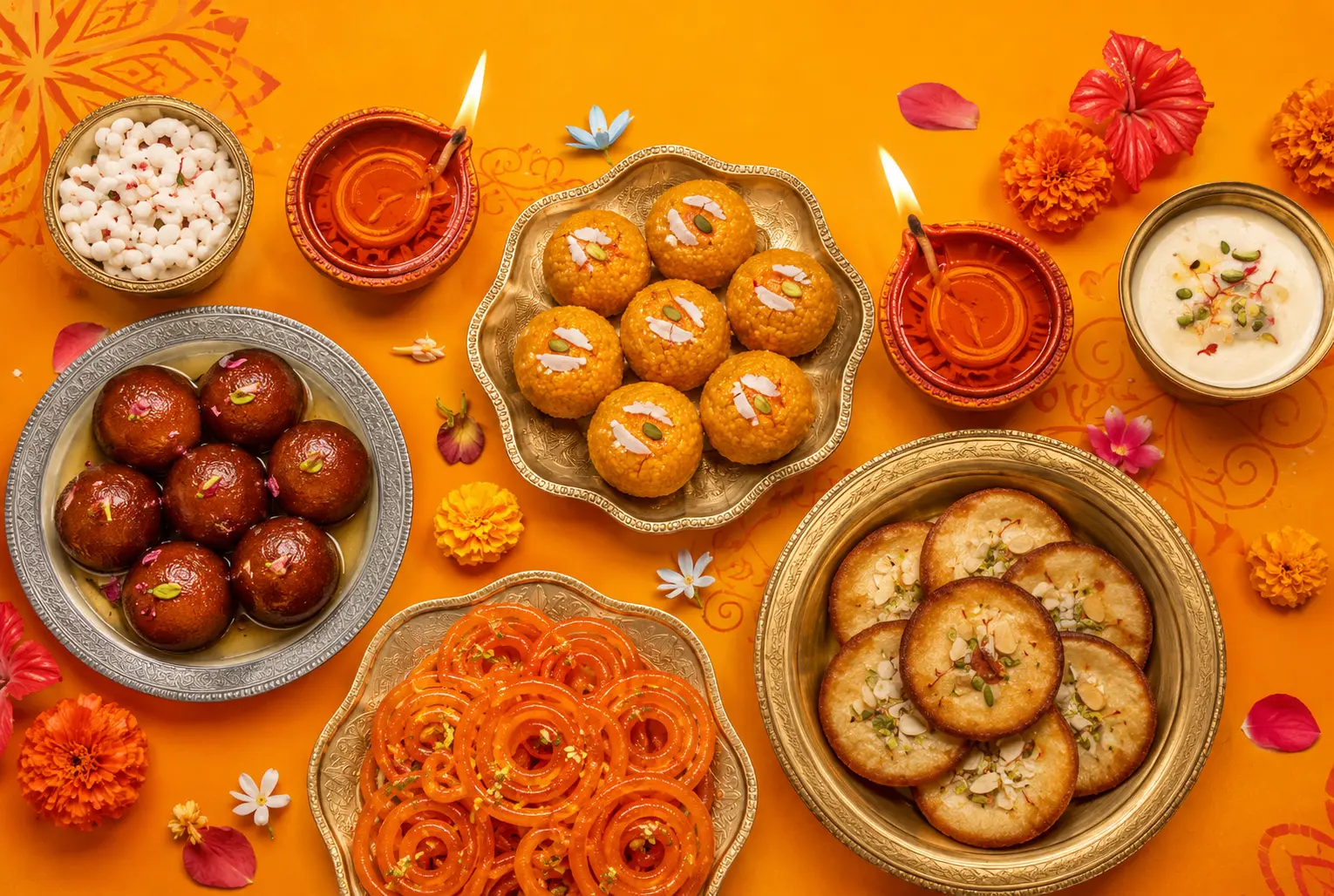
Every Indian household has its own Diwali list, and no two are quite the same. A family in Hyderabad reaches for pootharekulu and mysore pak. A Maharashtrian kitchen fills up with karanji and shankarpali. In Delhi it is motichoor ladoo and kaju katli, and in Coimbatore the mysore pak is a different sweet altogether, soft enough to dissolve.
What follows is the eleven that turn up most often across the country, with a little of where each one came from. Some are centuries old. Some were invented in a particular shop that people still name.
At the end there is a short note on which of these actually survive a long journey, because that decides a great deal if you are sending a box rather than serving one.
1. Kaju Katli

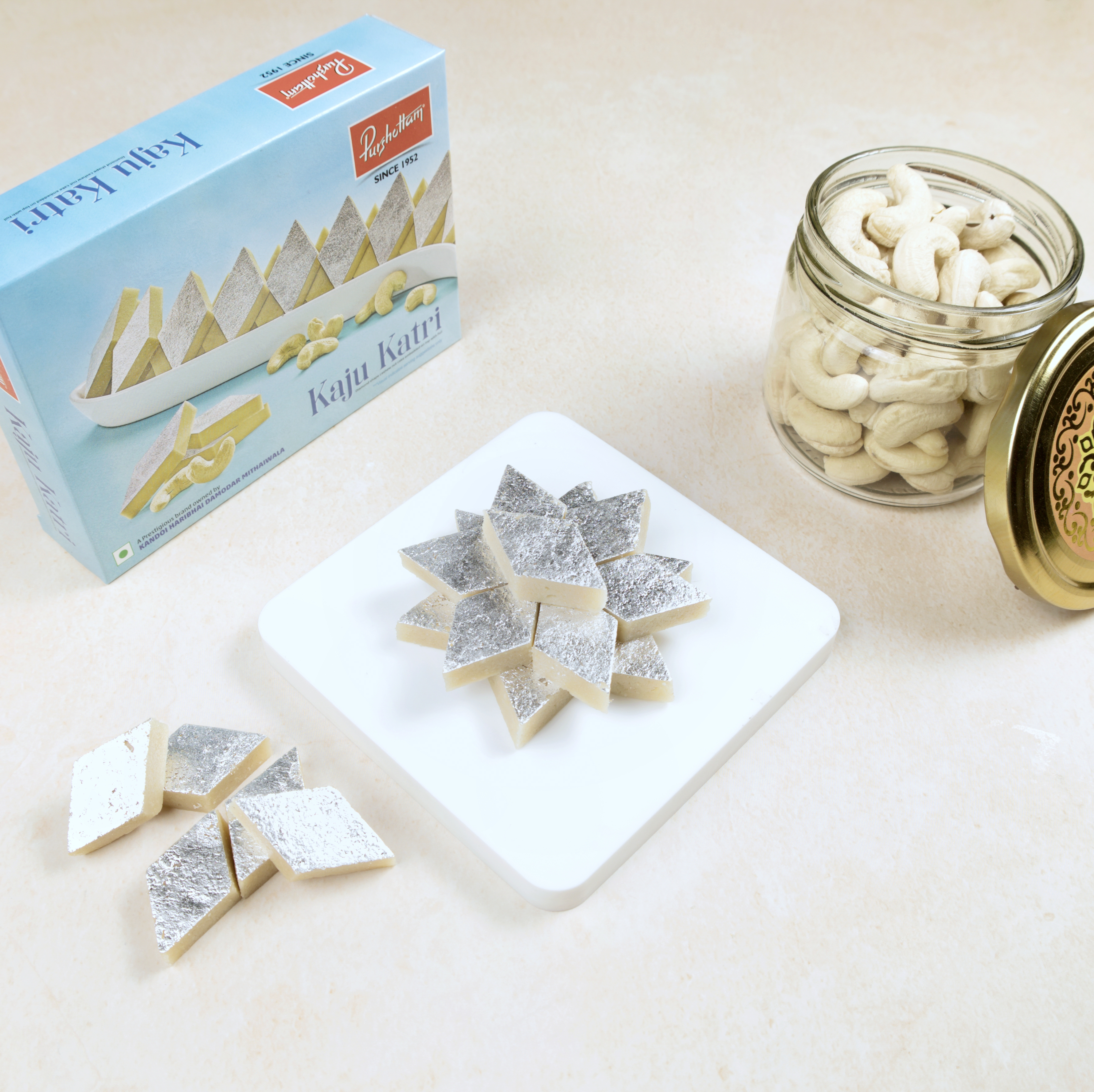
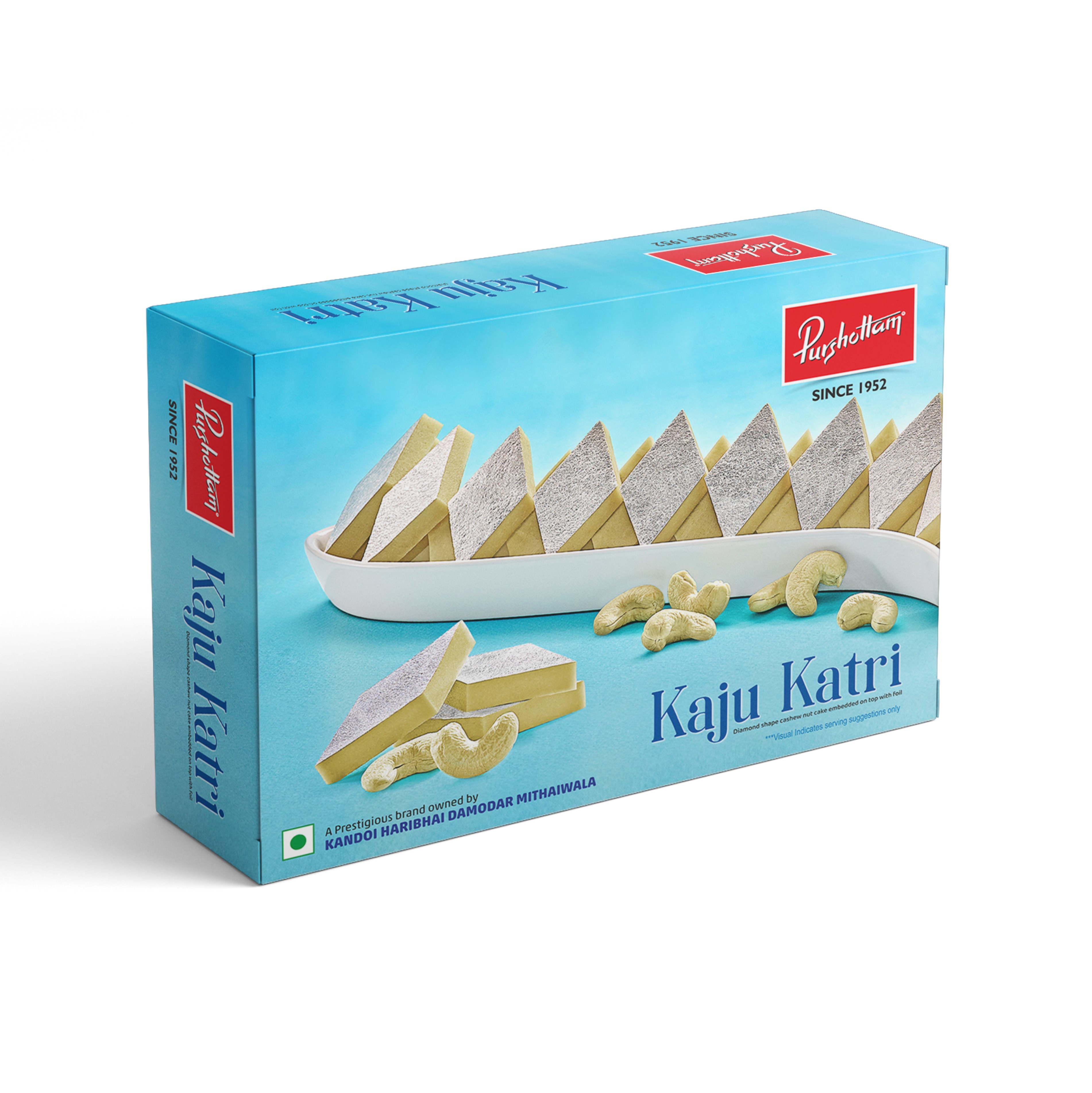
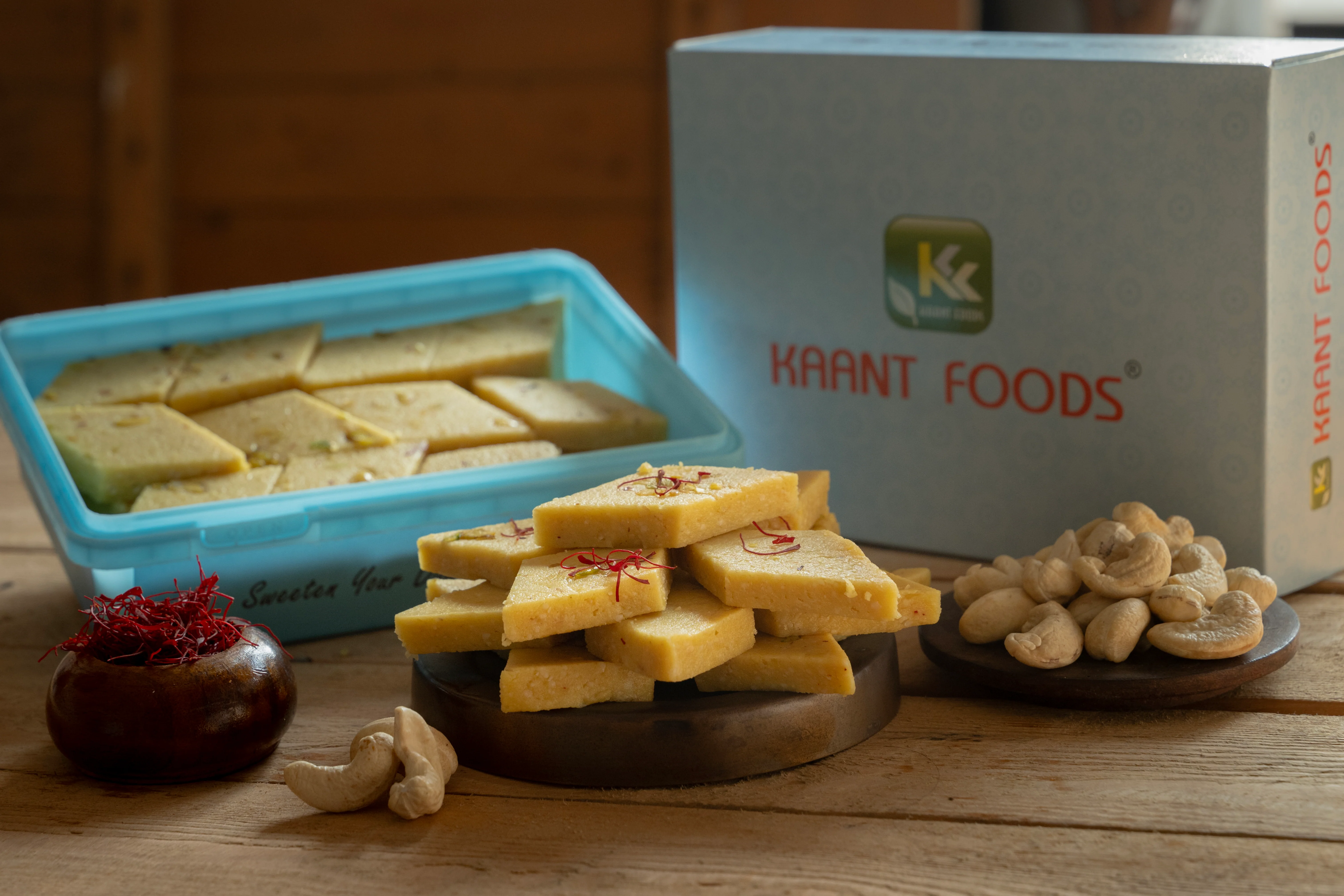
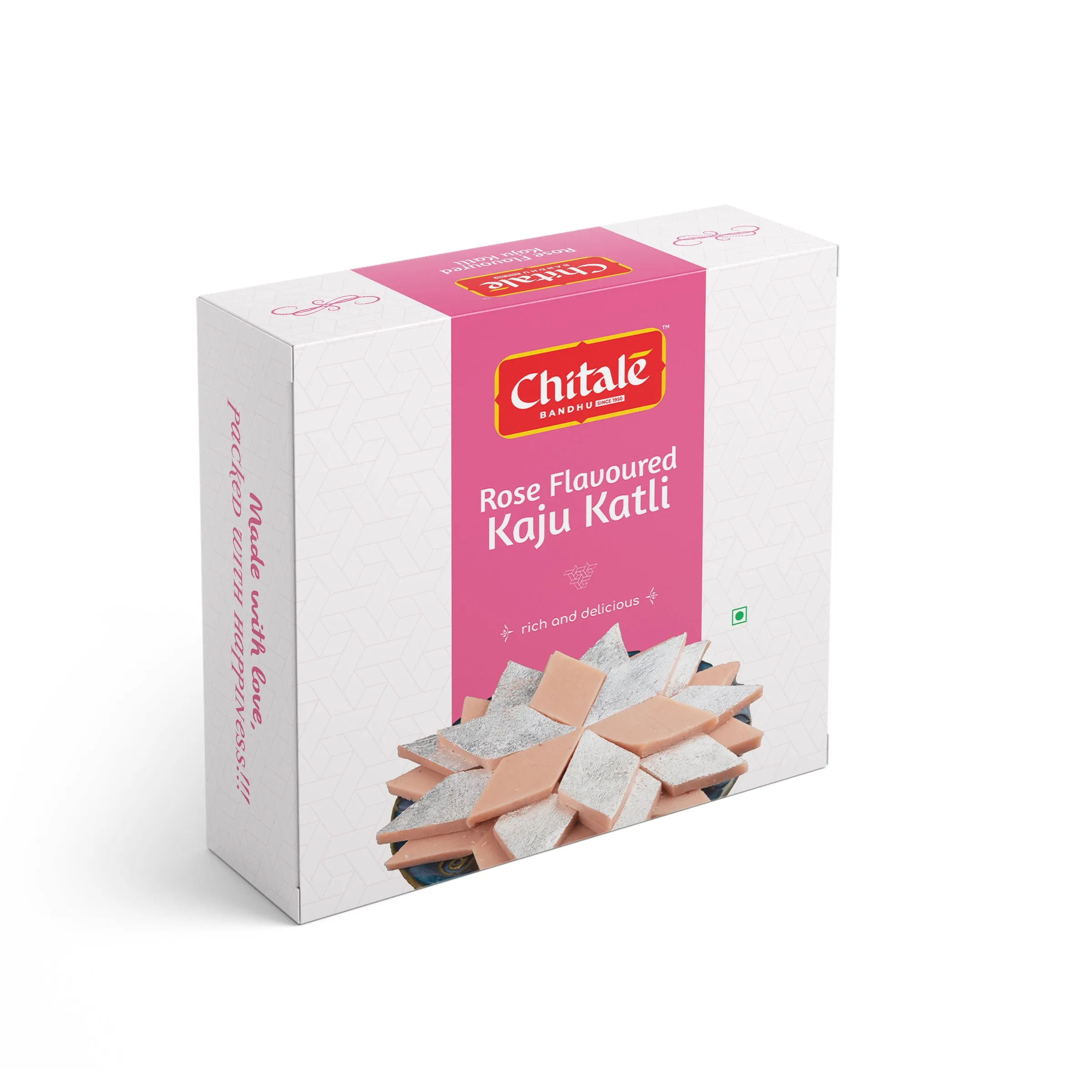
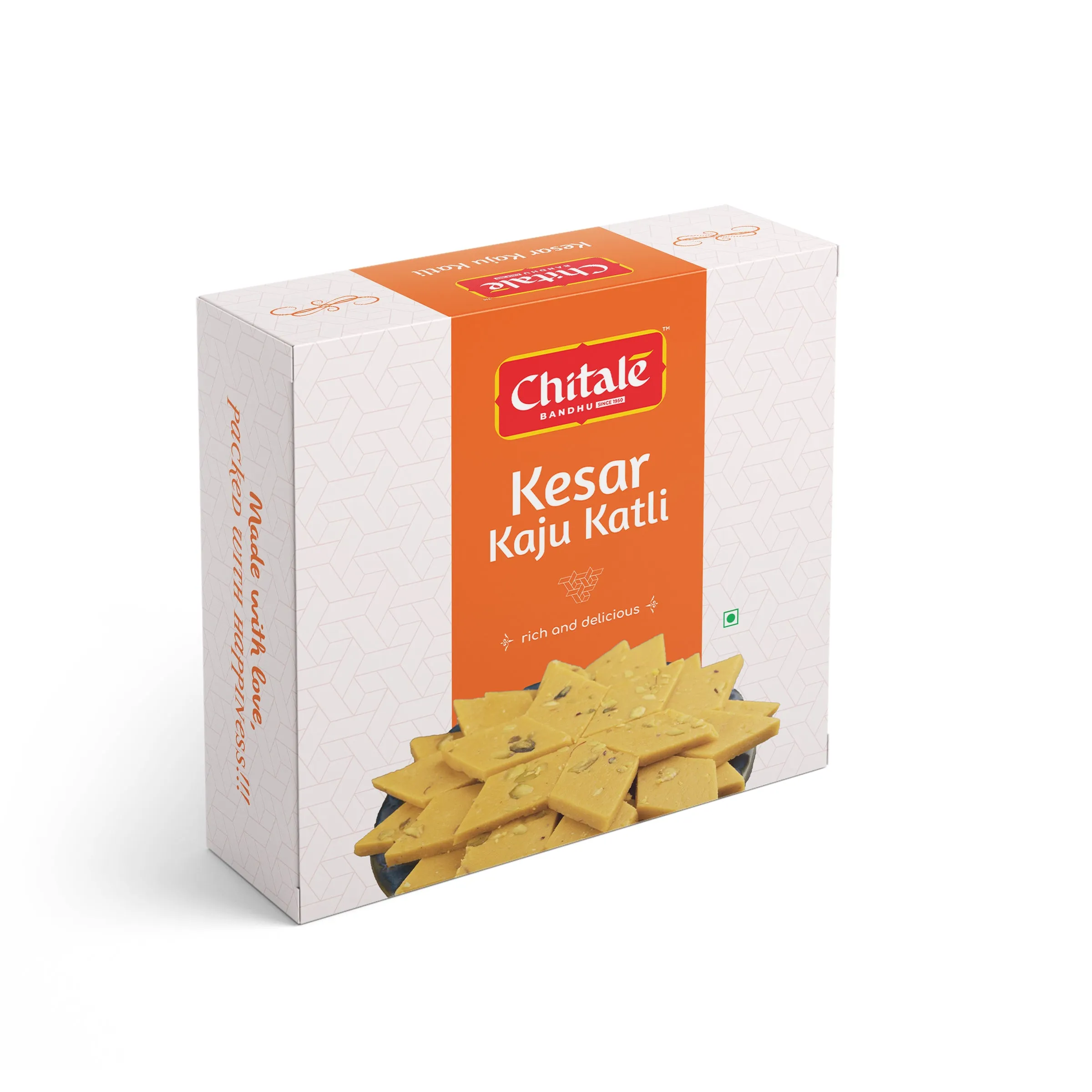
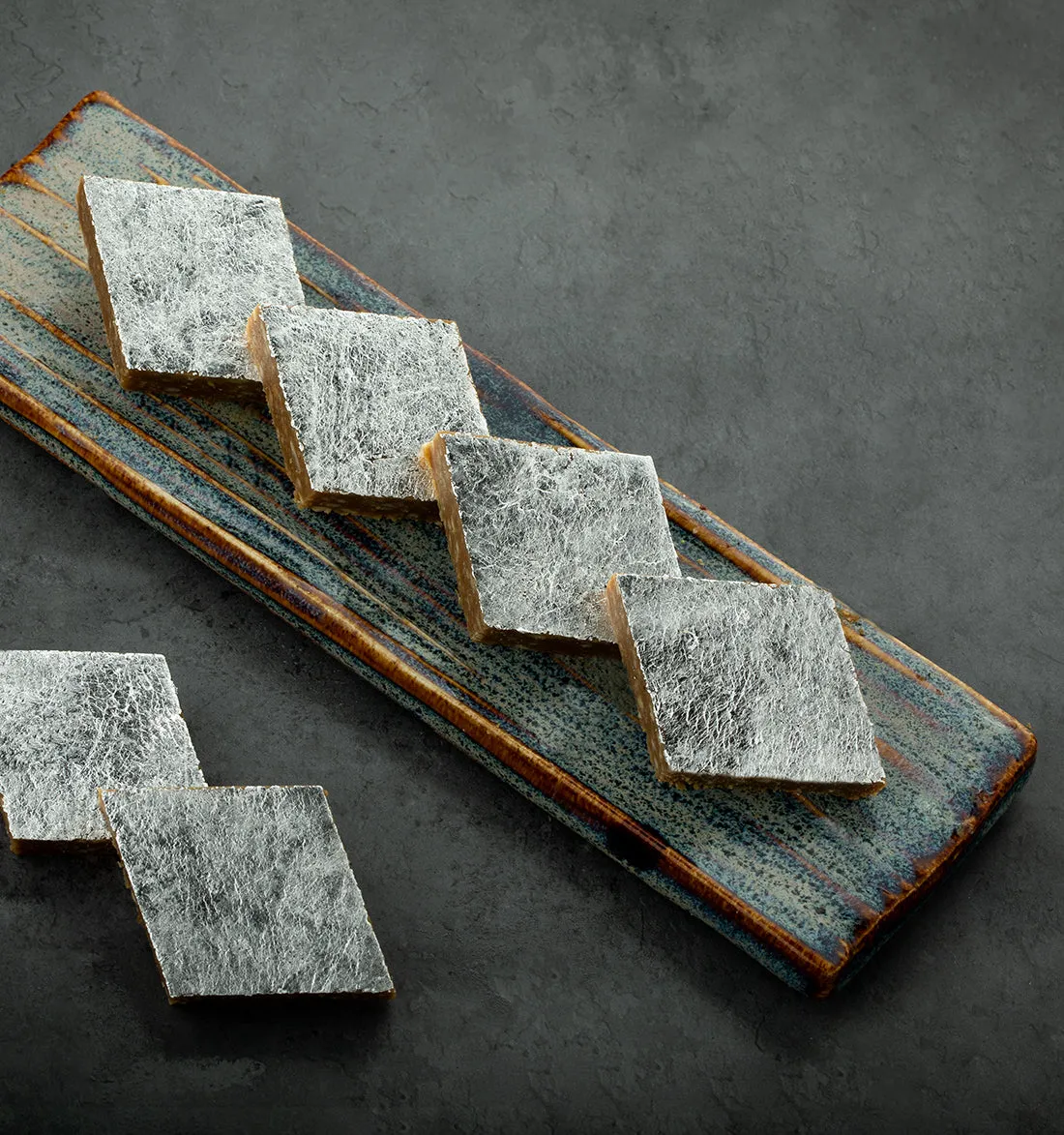
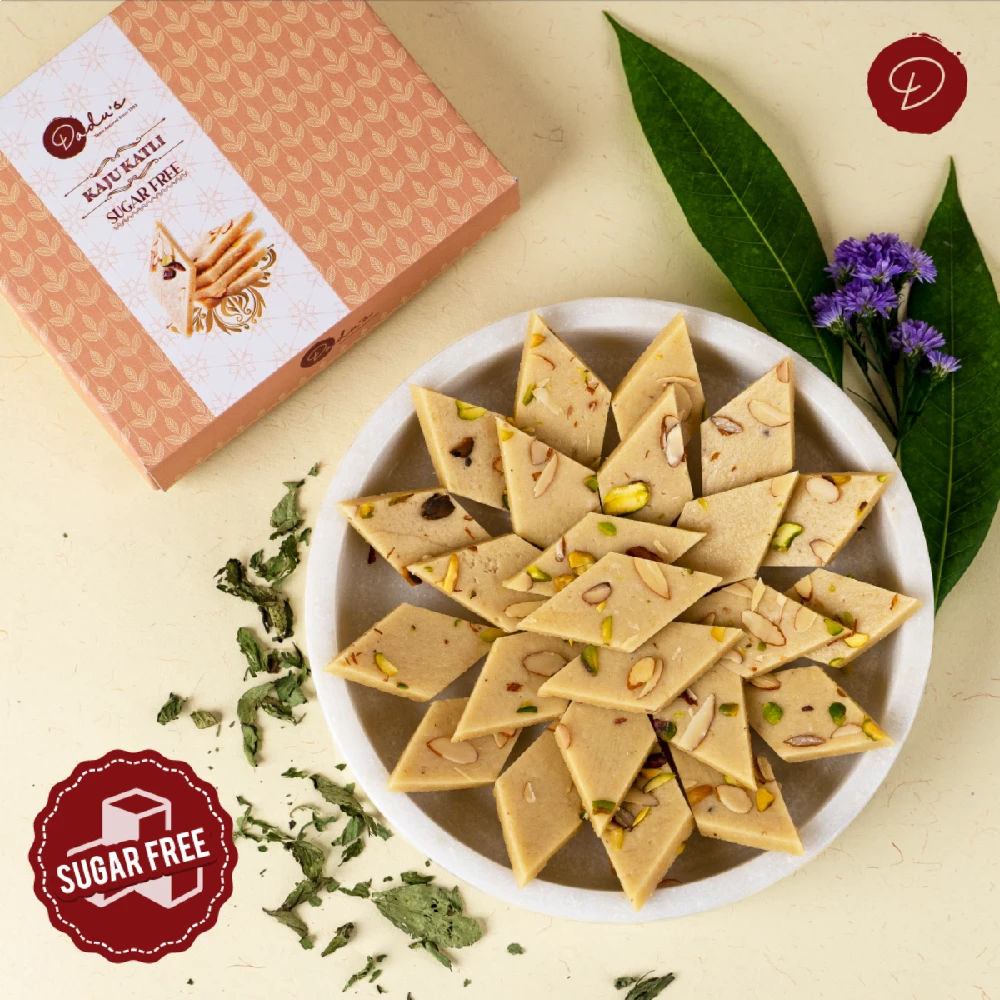
The most gifted Diwali sweet in India, and the one most likely to be sitting in a silver-topped box on somebody's table this November.
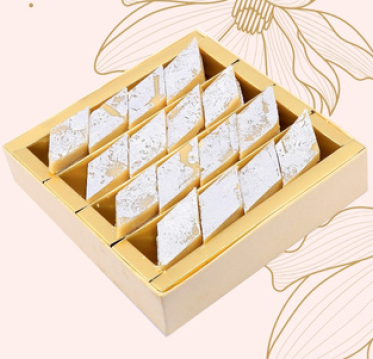
Cashews are ground to a fine paste, cooked with sugar into a smooth dough, rolled thin and cut into diamonds. The silver layer on top is vark, edible and traditional rather than decorative excess.
A little history.
Cashews are not native to India. Portuguese traders brought them to the Konkan coast in the sixteenth century, and it took roughly two hundred years for the nut to travel inland and end up in Mughal kitchens, where confectioners applied the existing technique for almond barfi to this new imported nut. Kaju katli is, in other words, a fusion sweet that has had four centuries to stop feeling like one.
The flavour is deliberately restrained. No rosewater, usually no saffron, sometimes a whisper of cardamom. That restraint is exactly why it works as a gift: there is almost nobody who dislikes it.
2. Ladoo
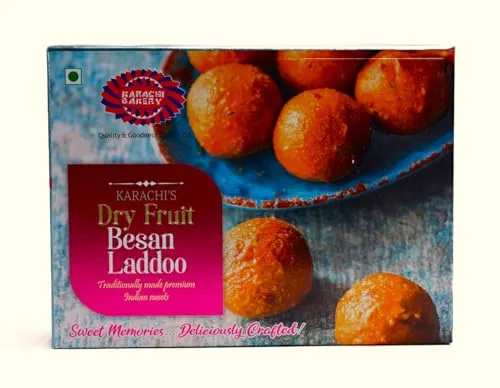
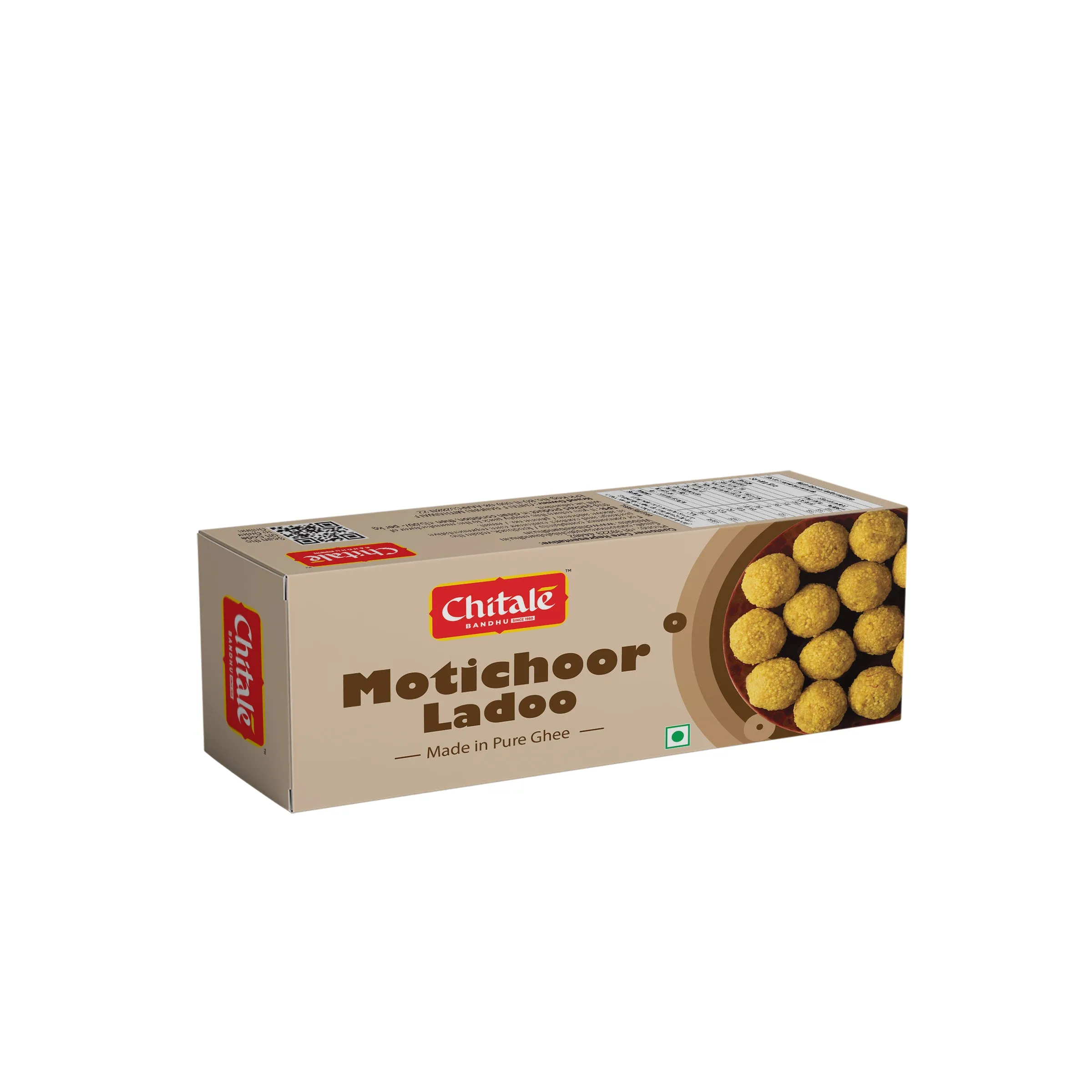
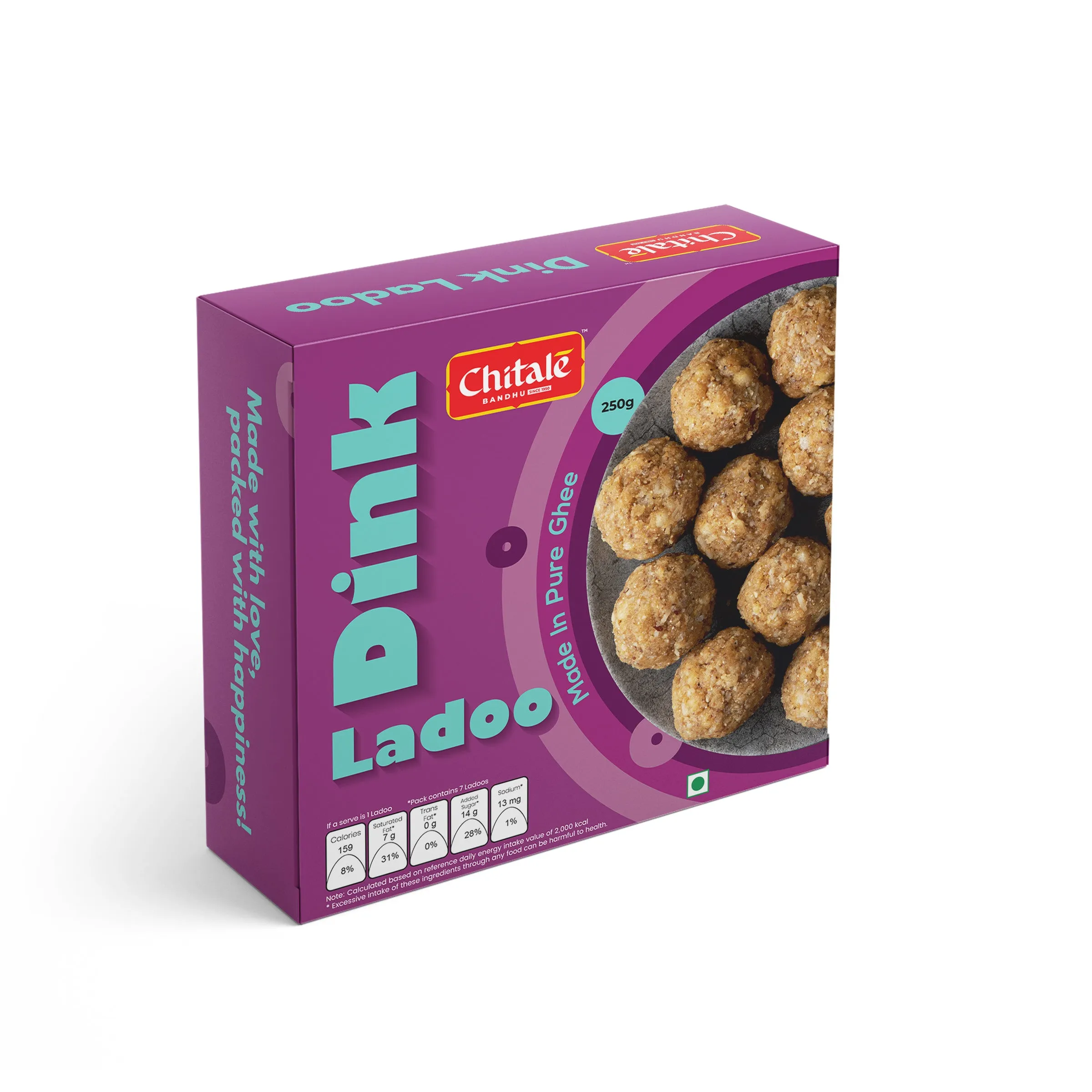
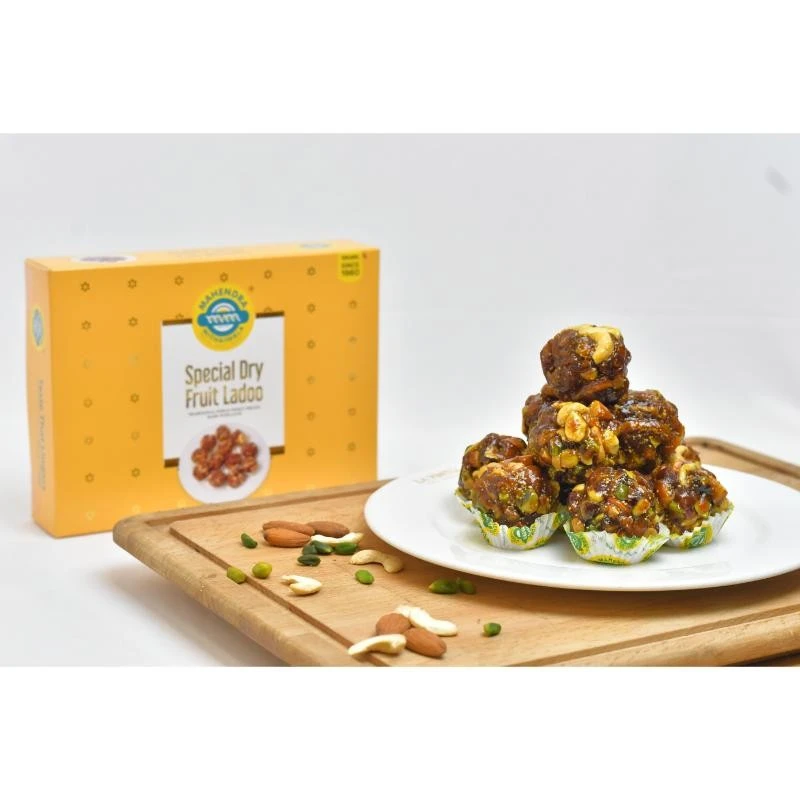
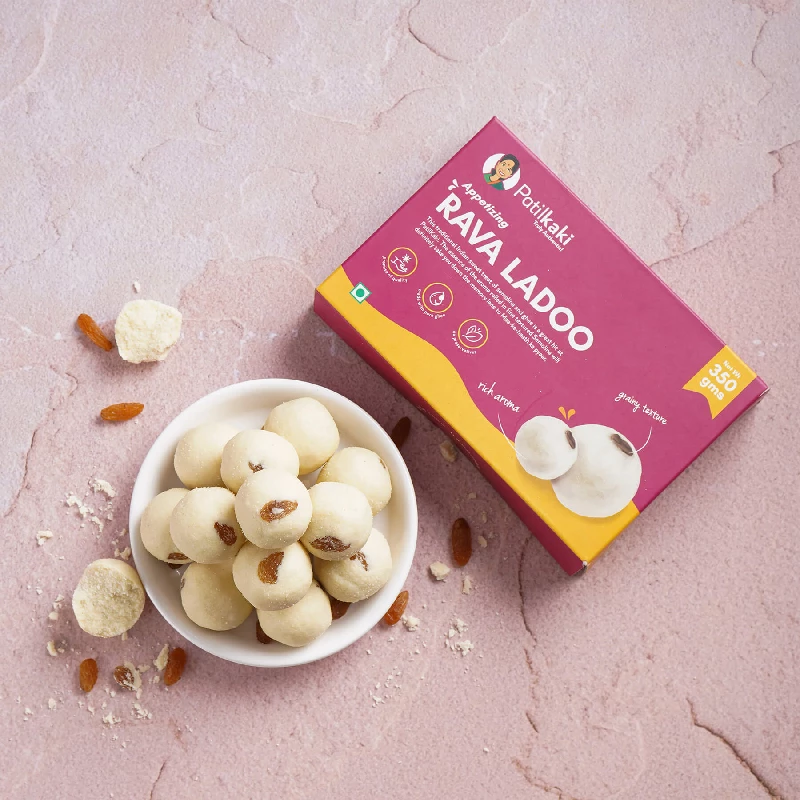
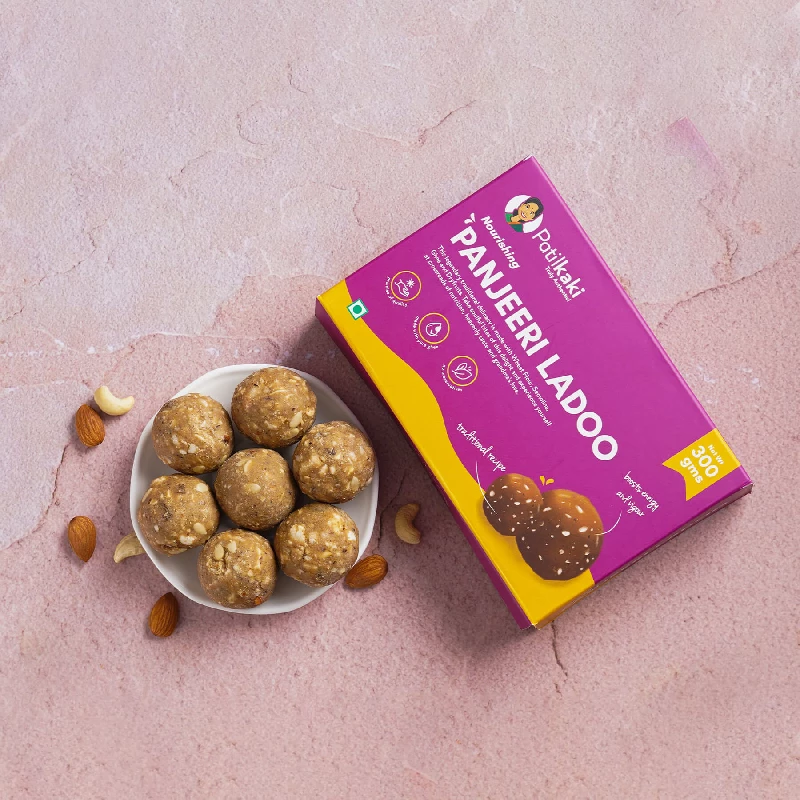
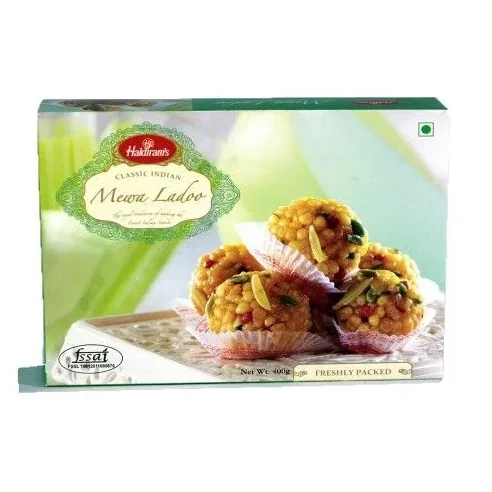
Not one sweet but a whole family of them, held together by shape rather than ingredient.
Motichoor ladoo is made from tiny droplets of gram flour batter, fried and bound in syrup. Besan ladoo uses coarser gram flour roasted slowly in ghee until it turns nutty and dark. Boondi ladoo uses larger pearls, rava ladoo semolina, and gondh ladoo edible gum, which is a winter sweet meant to warm you.
A little history.
The ladoo has a decent claim to being the oldest sweet on this list. Ancient medical texts describe sesame and jaggery balls used as a means of delivering medicine, the shape chosen because it was easy to portion and easy to eat. The physician Sushruta is traditionally credited with the idea. Somewhere along the way the medicine dropped out and the sweet stayed.
It remains the sweet most likely to be made at home rather than bought, and the first thing offered to a deity before anyone else gets any.
3. Soan Papdi
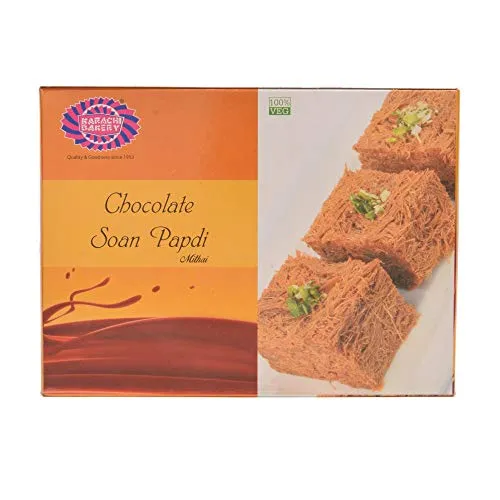
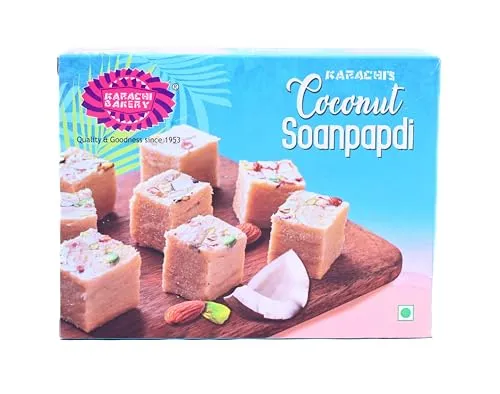
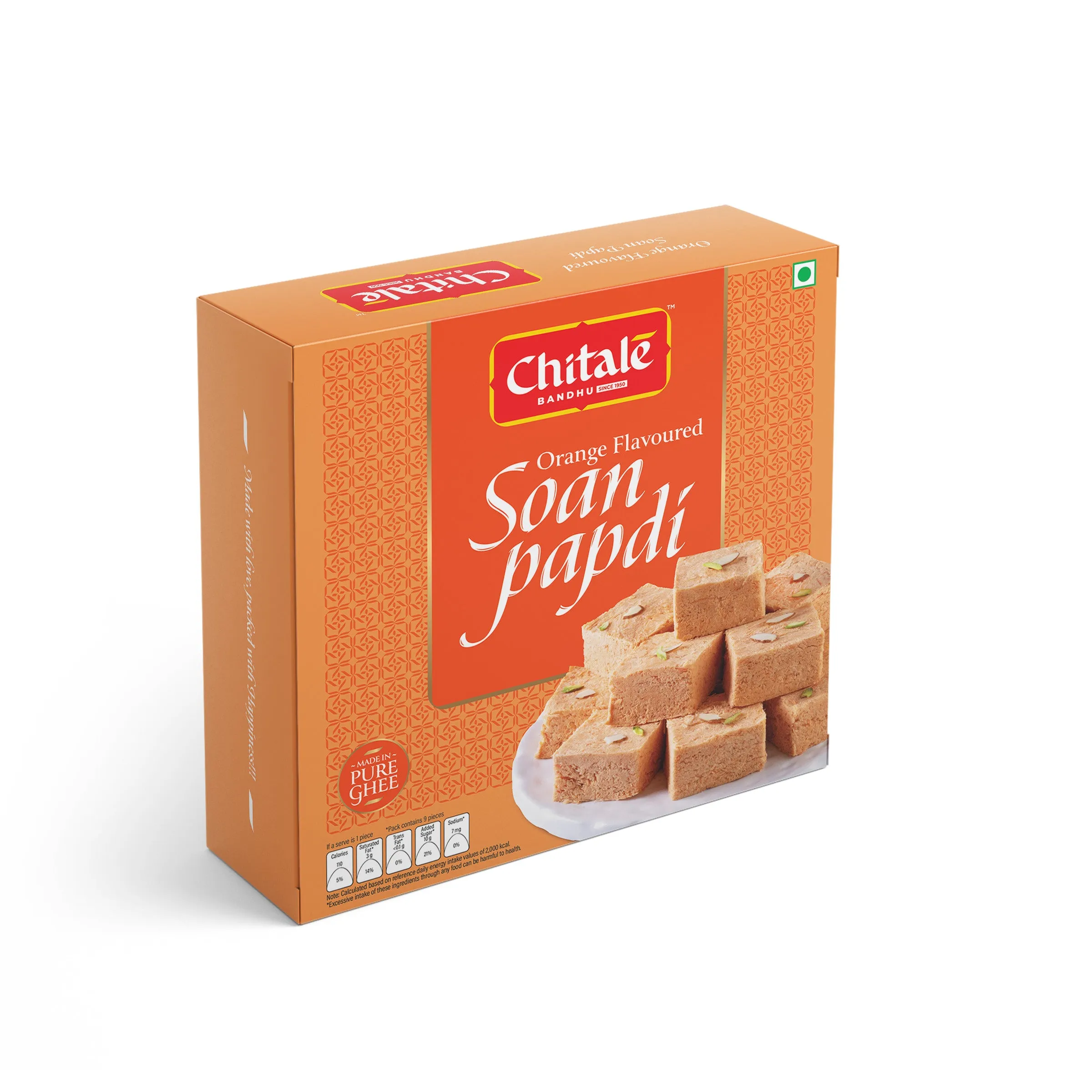
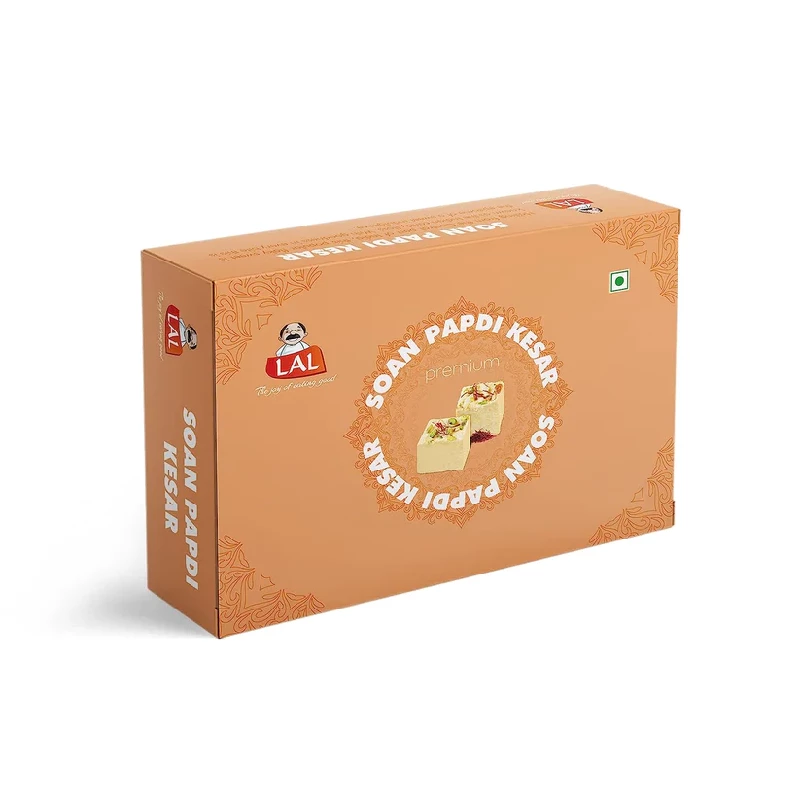

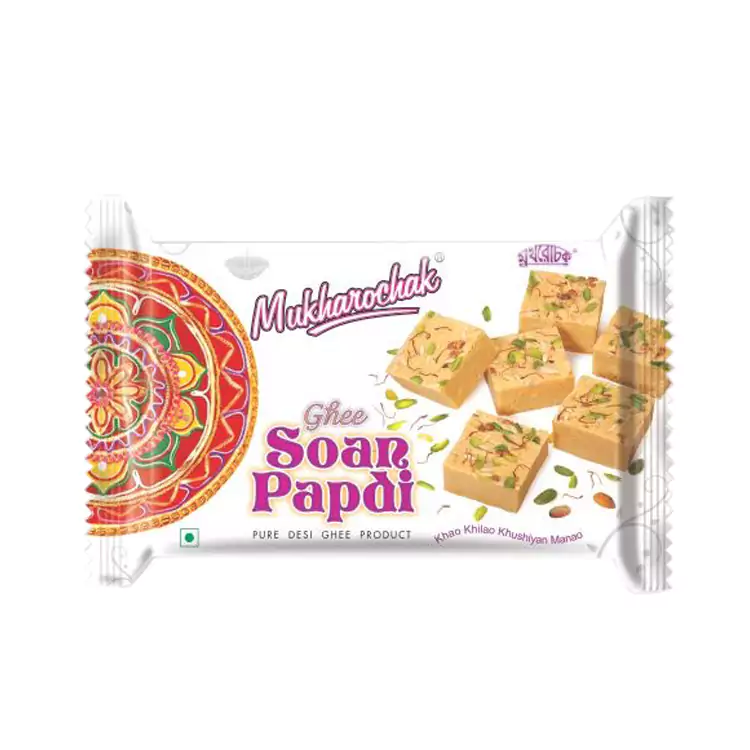
Flaky, layered, dissolving into threads the moment it hits your mouth. Made from gram flour and sugar, pulled and folded repeatedly until the syrup forms hundreds of fine strands.
A little history.
Its origins are genuinely disputed. One account traces it to Maharashtra, another to Rajasthan, and a third argues it is a descendant of Persian pashmak, the same technique behind Turkish pismaniye and Iranian cotton candy sweets. Given how the pulling method works, the Persian connection is the most convincing, which would make soan papdi a distant cousin of a sweet made from Istanbul to Tehran.
It has also acquired a modern reputation as the gift that gets passed along from house to house, a joke Indians tell about themselves every Diwali. Unfair, mostly. A fresh box is very good, and the flavoured versions have quietly changed the category.
4. Barfi
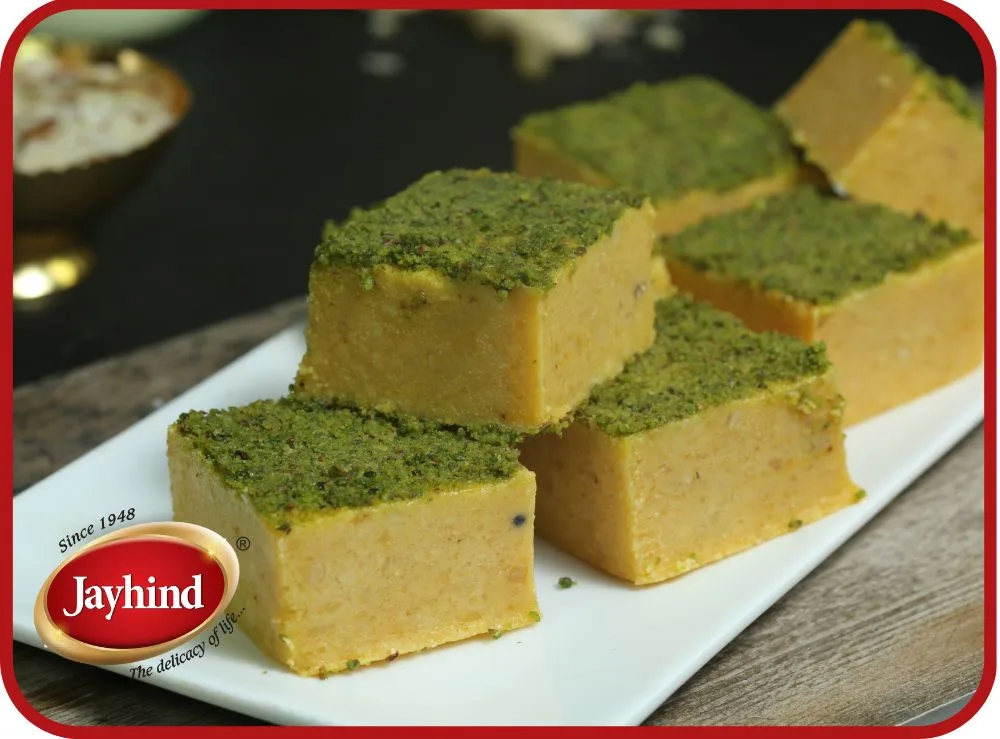
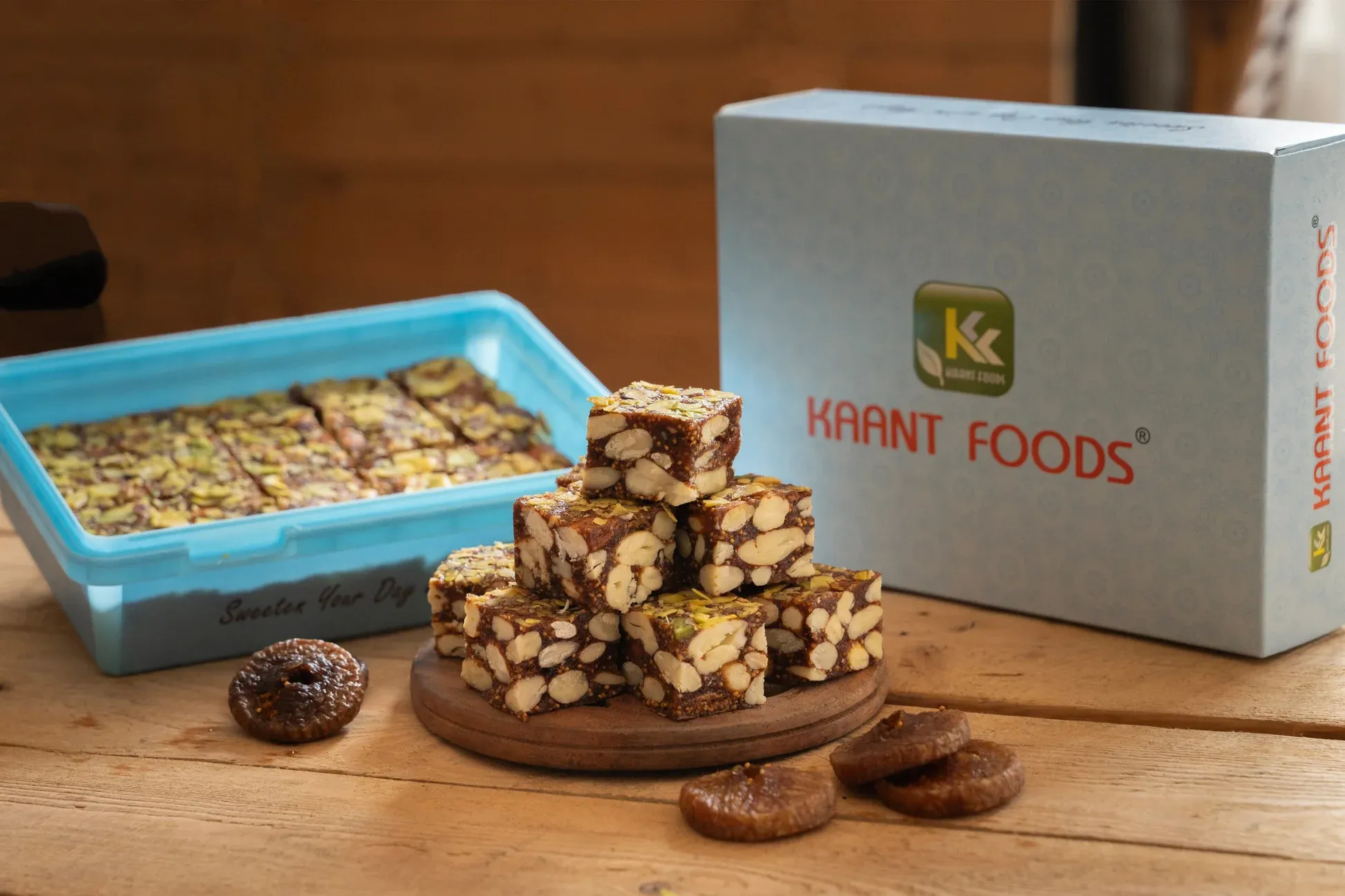
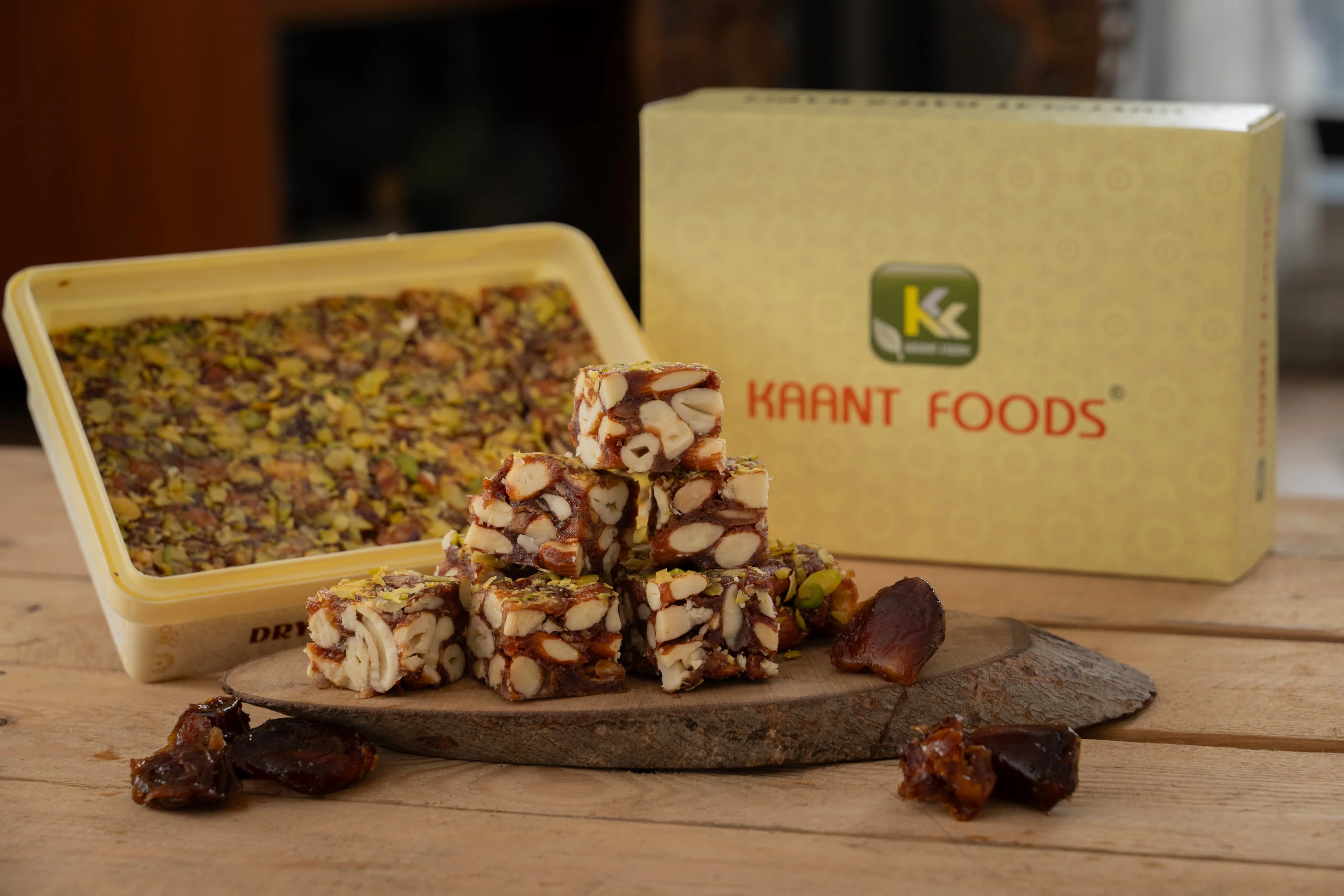
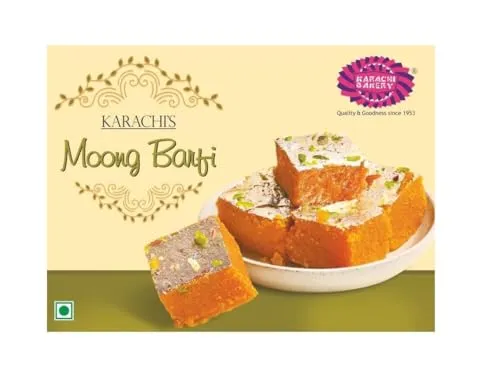
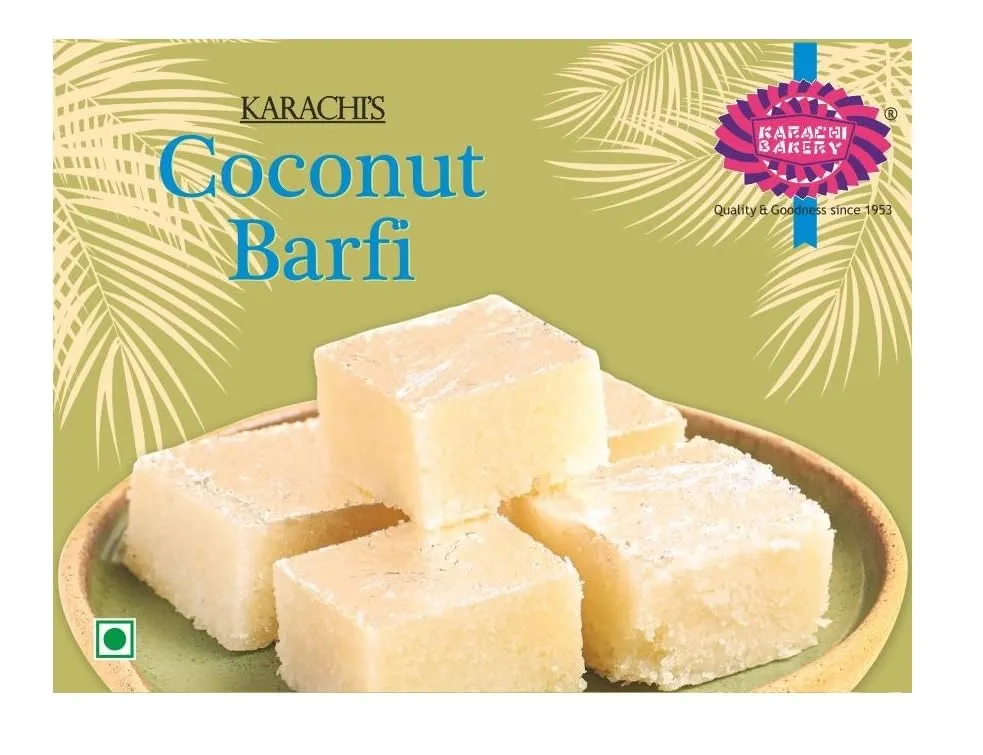
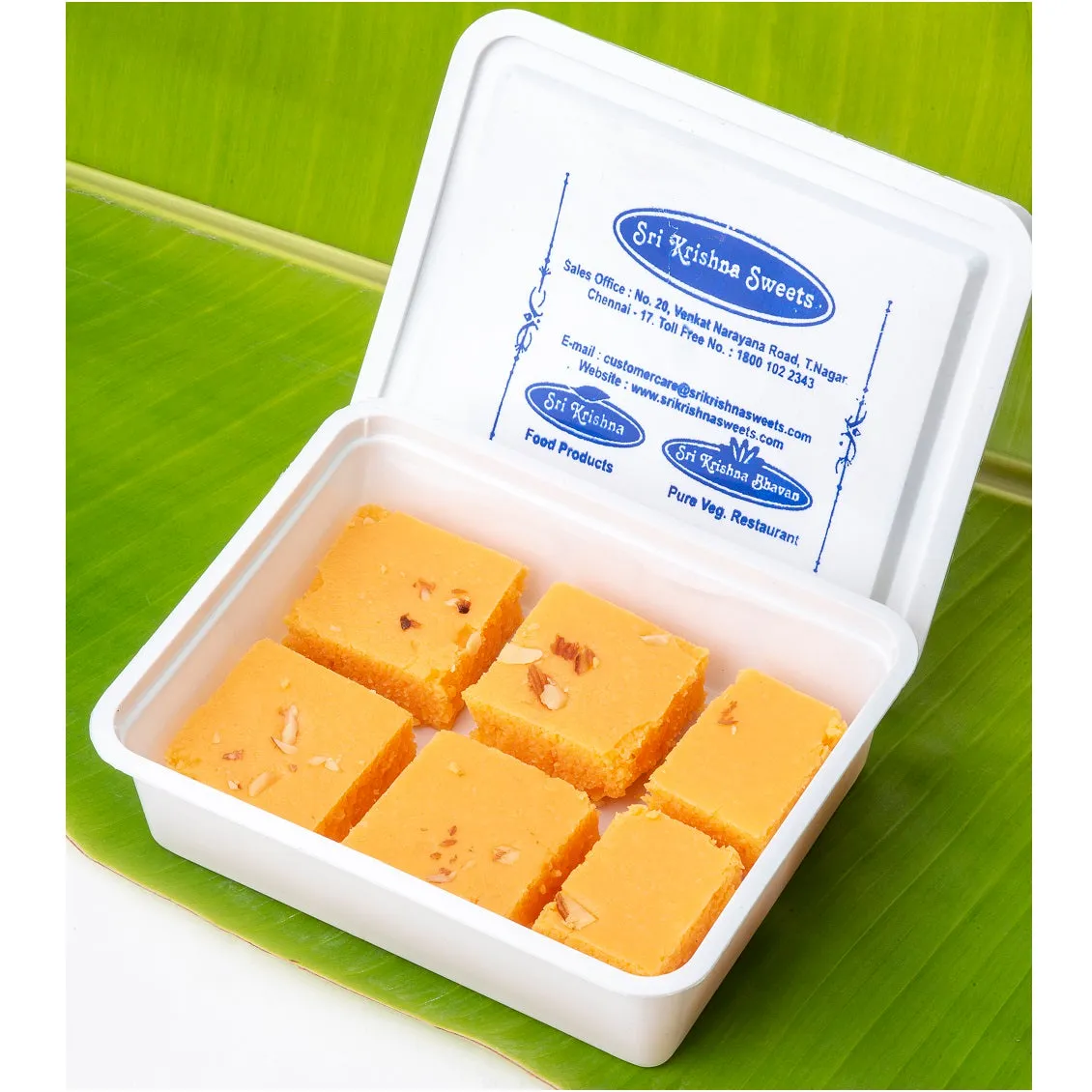
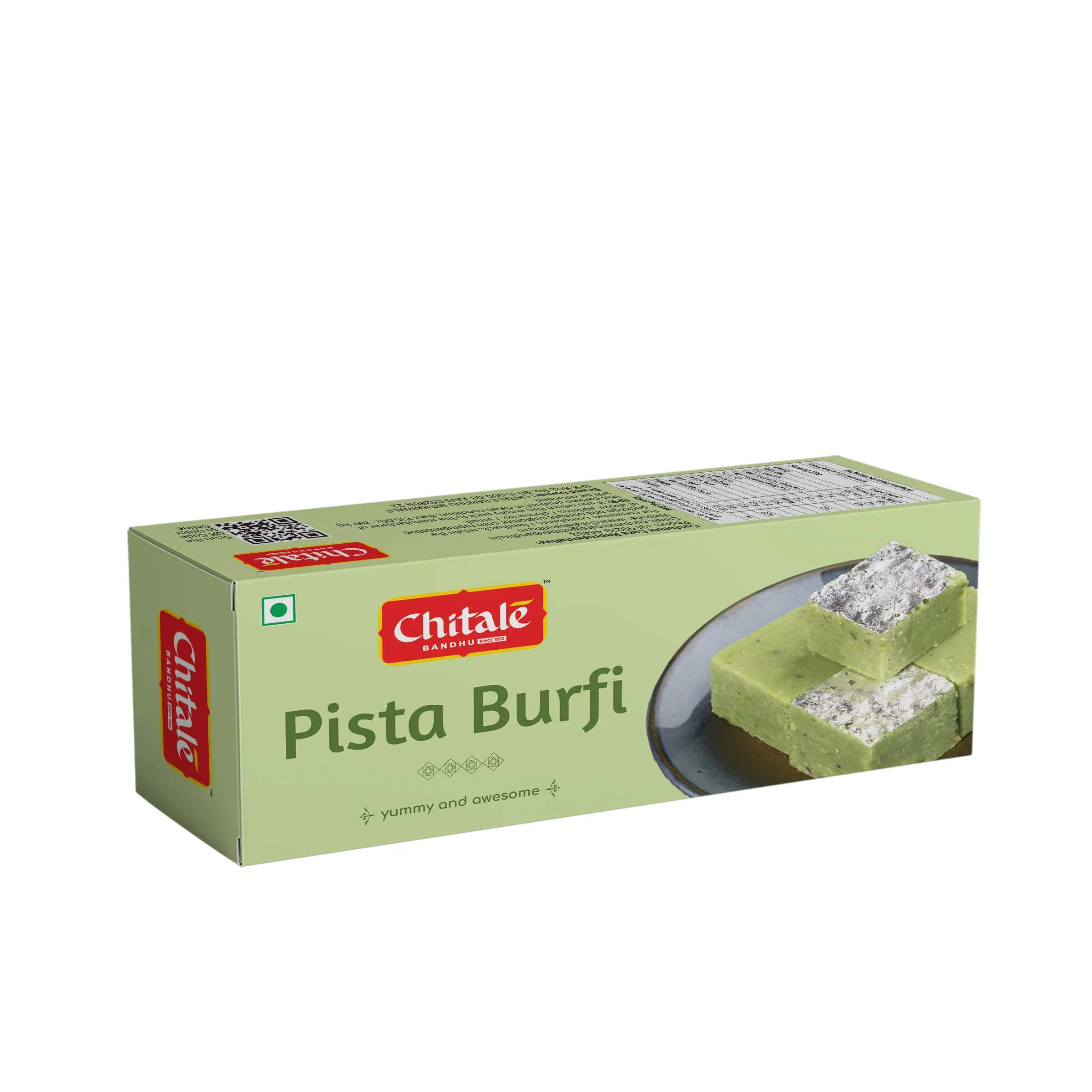
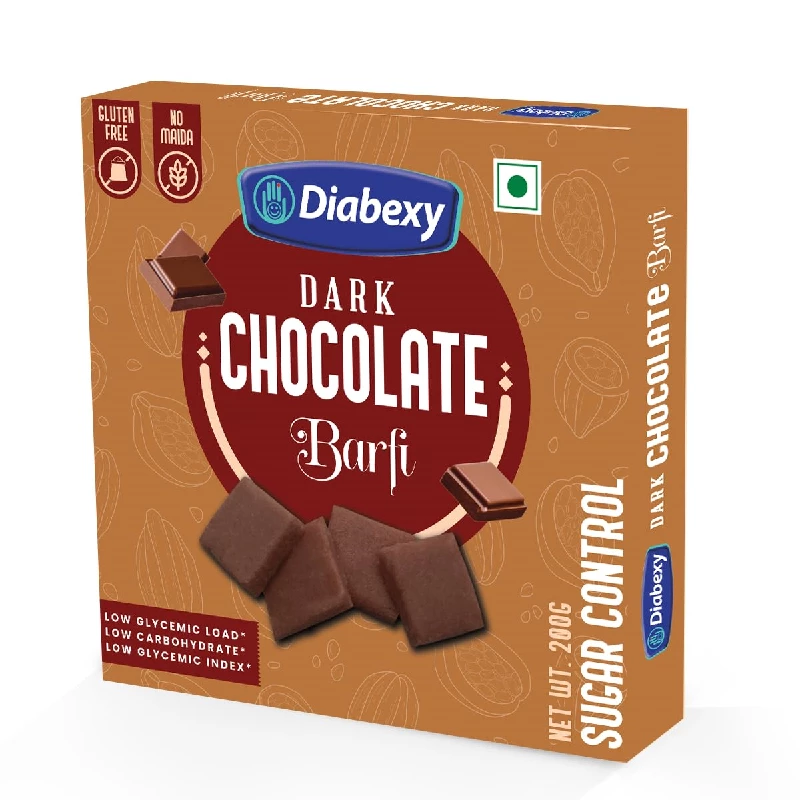
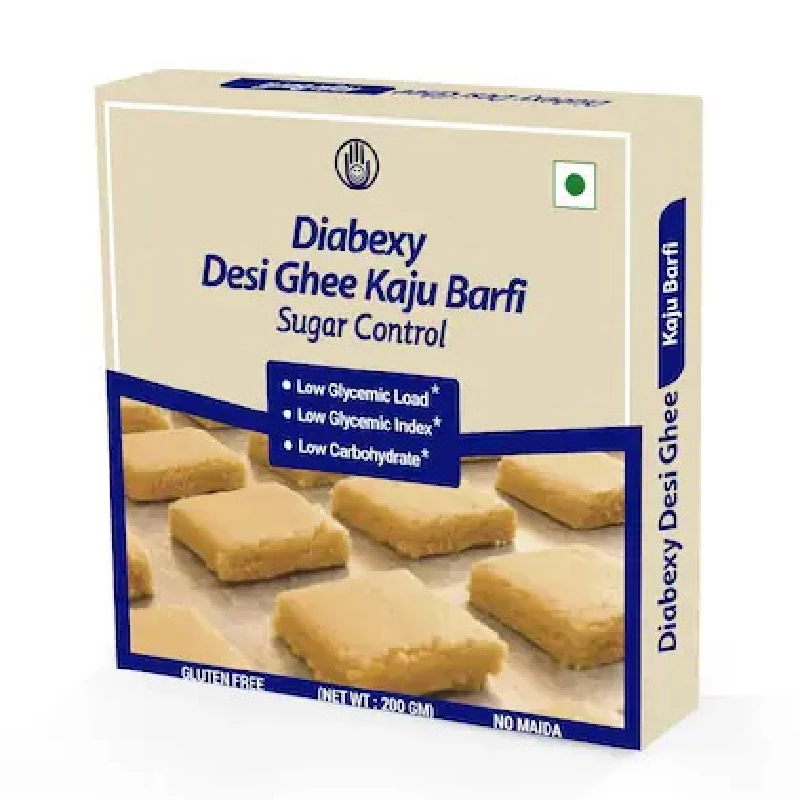
The most adaptable sweet in Indian confectionery. Milk or gram flour cooked down with sugar until it sets firm enough to cut into squares, then flavoured with whatever the region prefers.
Besan barfi, coconut barfi, badam barfi, pista barfi, moong dal barfi, chocolate barfi. Every state has a version and most families have a favourite they consider definitive.
A little history.
The name comes from the Persian barf, meaning snow, borrowed for the sweet's pale colour and the way a good one has a slightly crystalline surface. The word arrived in India with Persian influence during the Delhi Sultanate, which puts the sweet's naming somewhere around the thirteenth or fourteenth century.
5. Mysore Pak
, 500 g-1.webp)
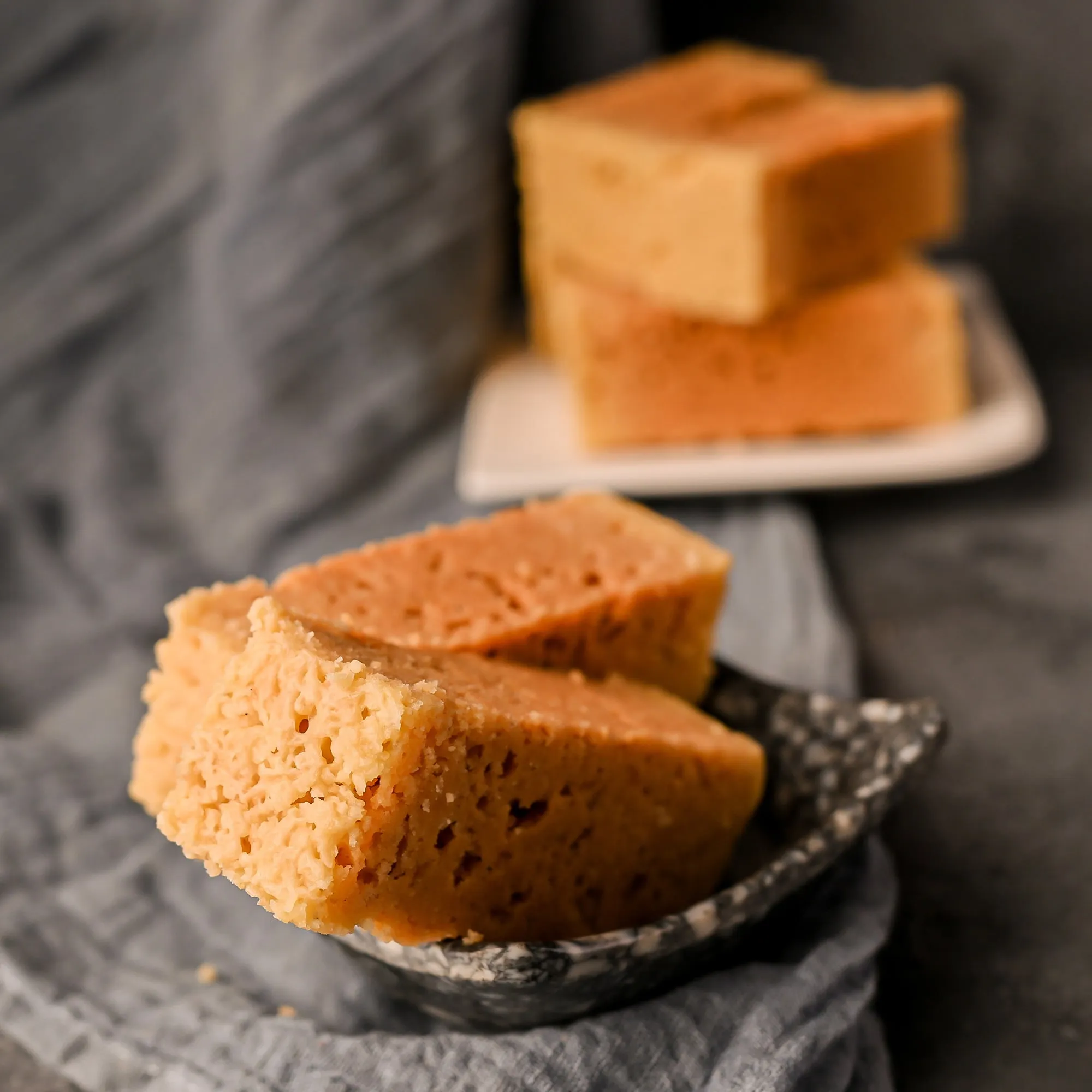
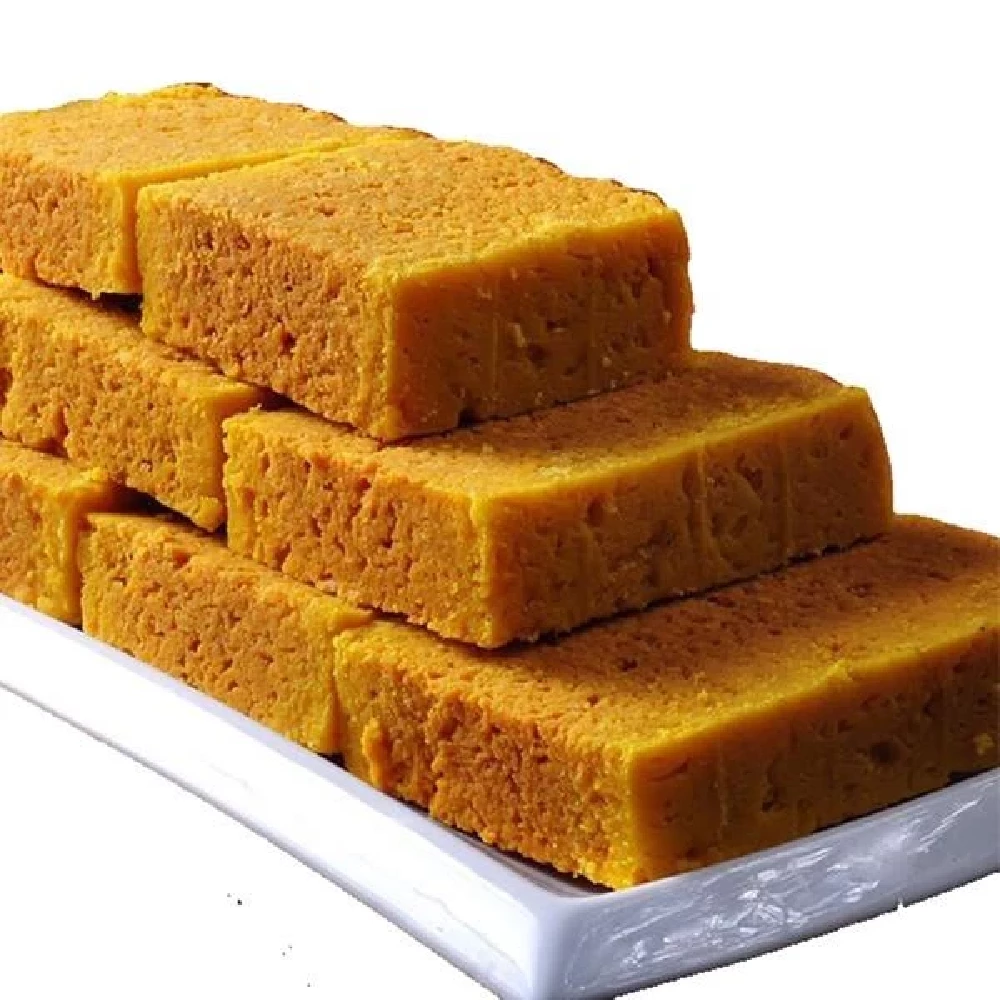
Two sweets share this name, and Indians hold firm views about which is correct.
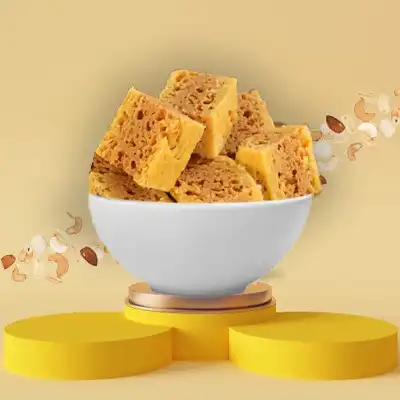
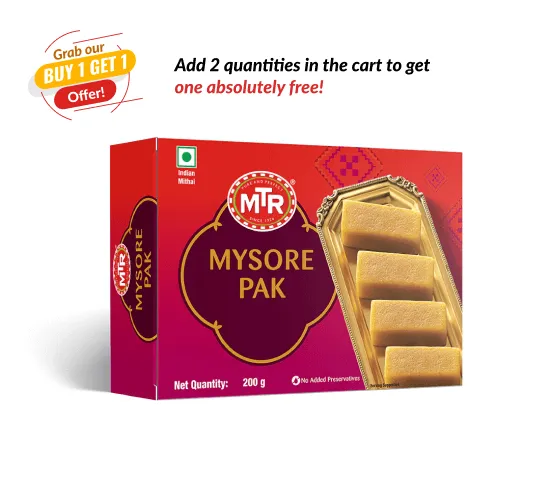
The original is hard and porous, almost honeycombed, made from gram flour, ghee and sugar cooked until it sets dense. The other is soft, so rich with ghee that it collapses on the tongue.
A little history.
Mysorepak has a documented origin, which is rare. It was created in the kitchens of the Mysore Palace during the reign of Krishnaraja Wadiyar IV in the early twentieth century, by a royal cook named Kakasura Madappa who improvised it and had to name it on the spot. Paka refers to the sugar syrup consistency. His descendants still run a sweet shop in Mysore.
The soft version came much later, from Sri Krishna Sweets in Coimbatore, who reformulated it into something closer to fudge and called it Mysurpa. In much of Tamil Nadu that version has effectively replaced the original.
6. Peda
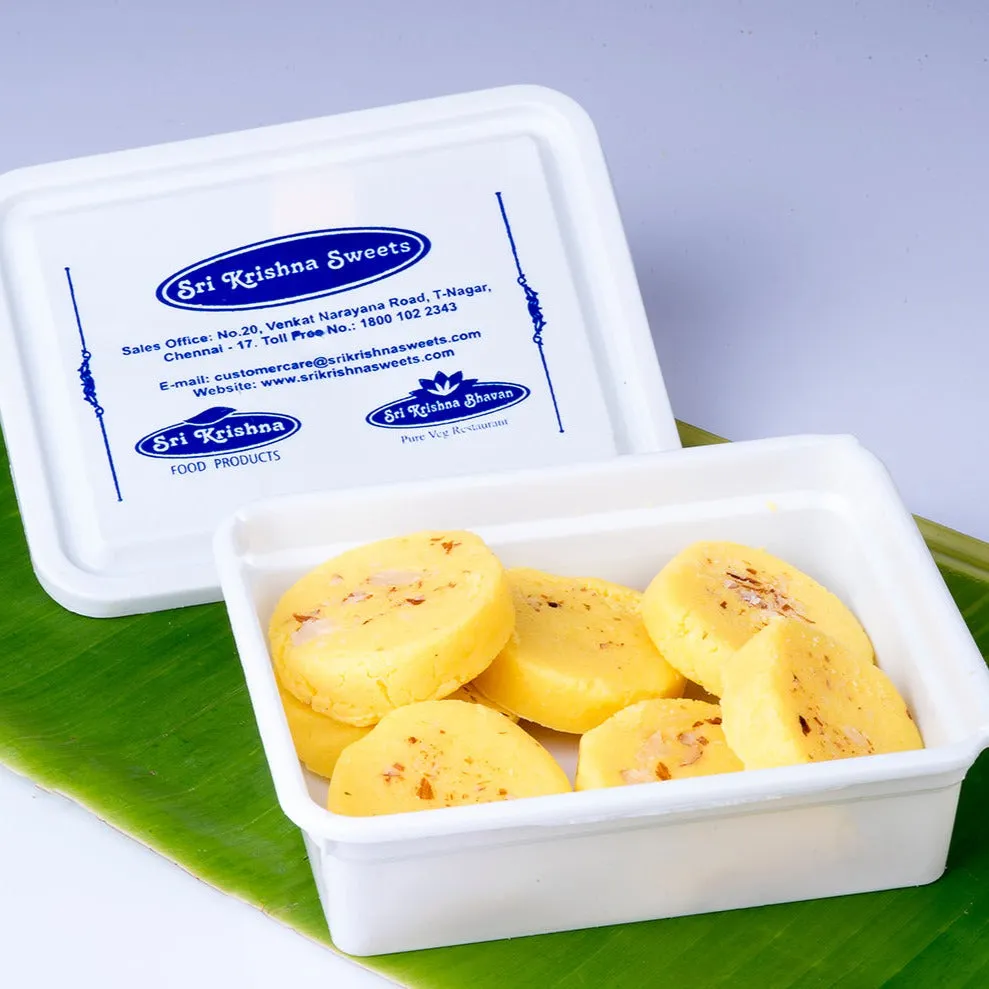
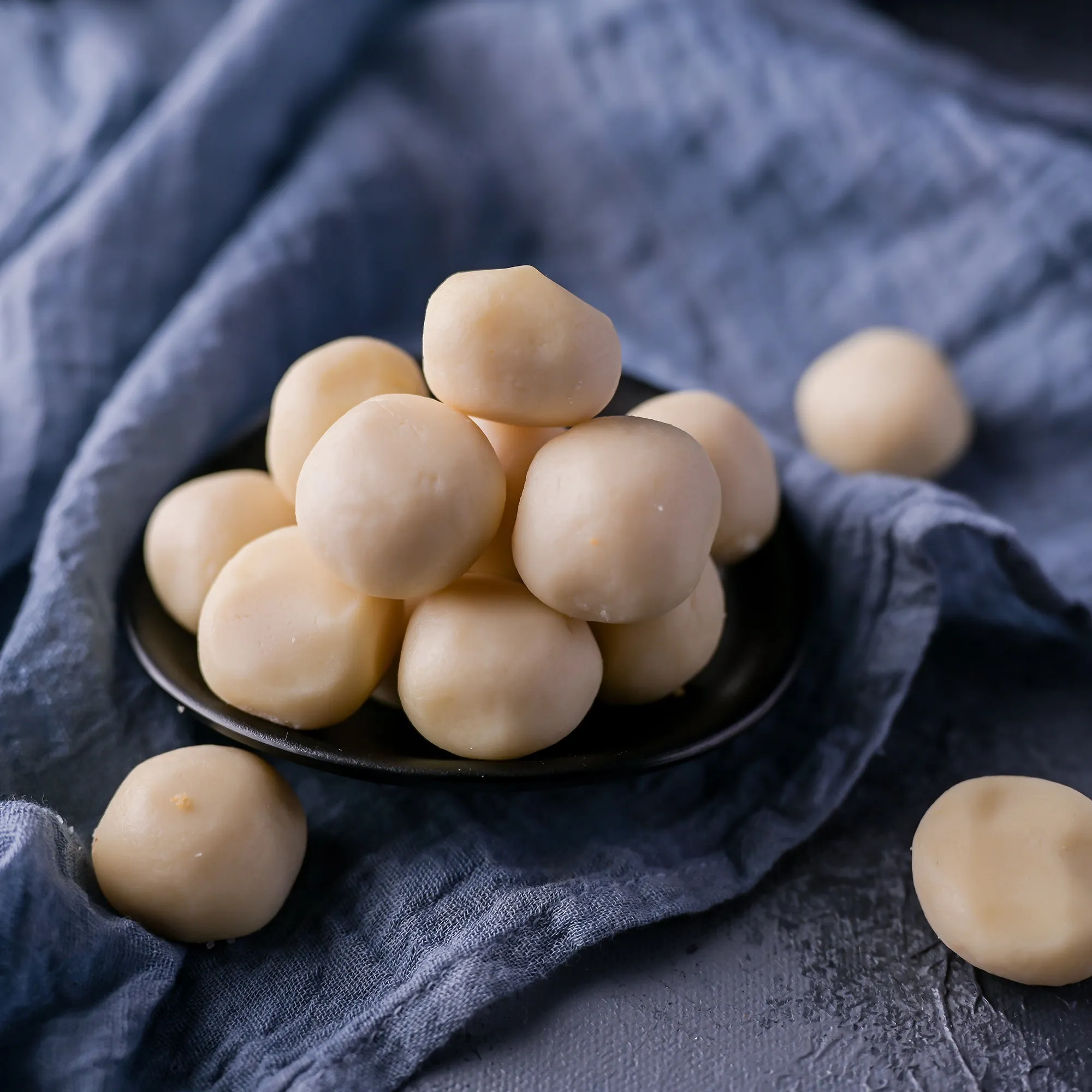
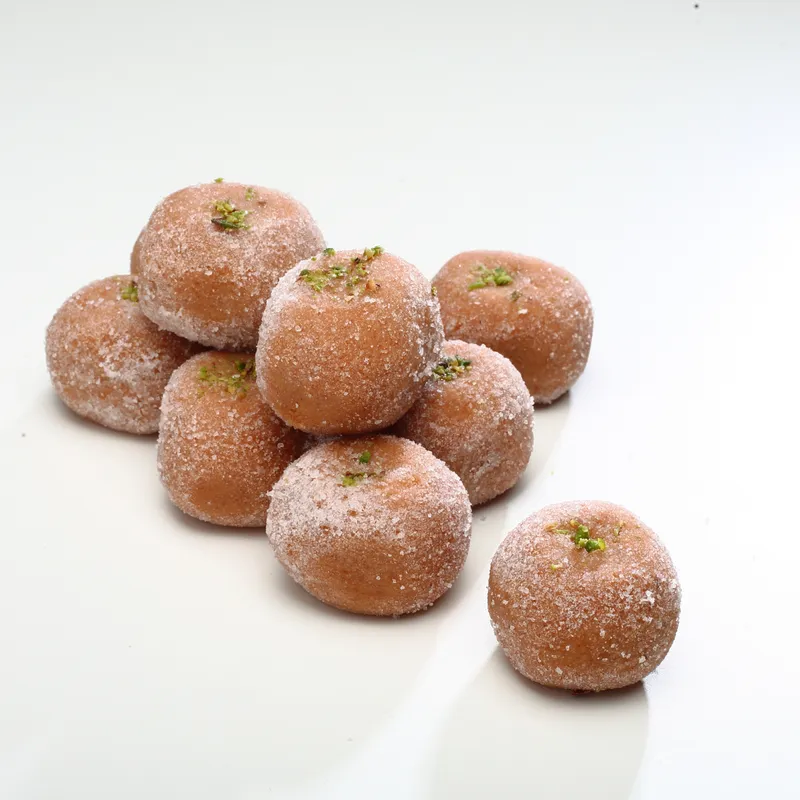
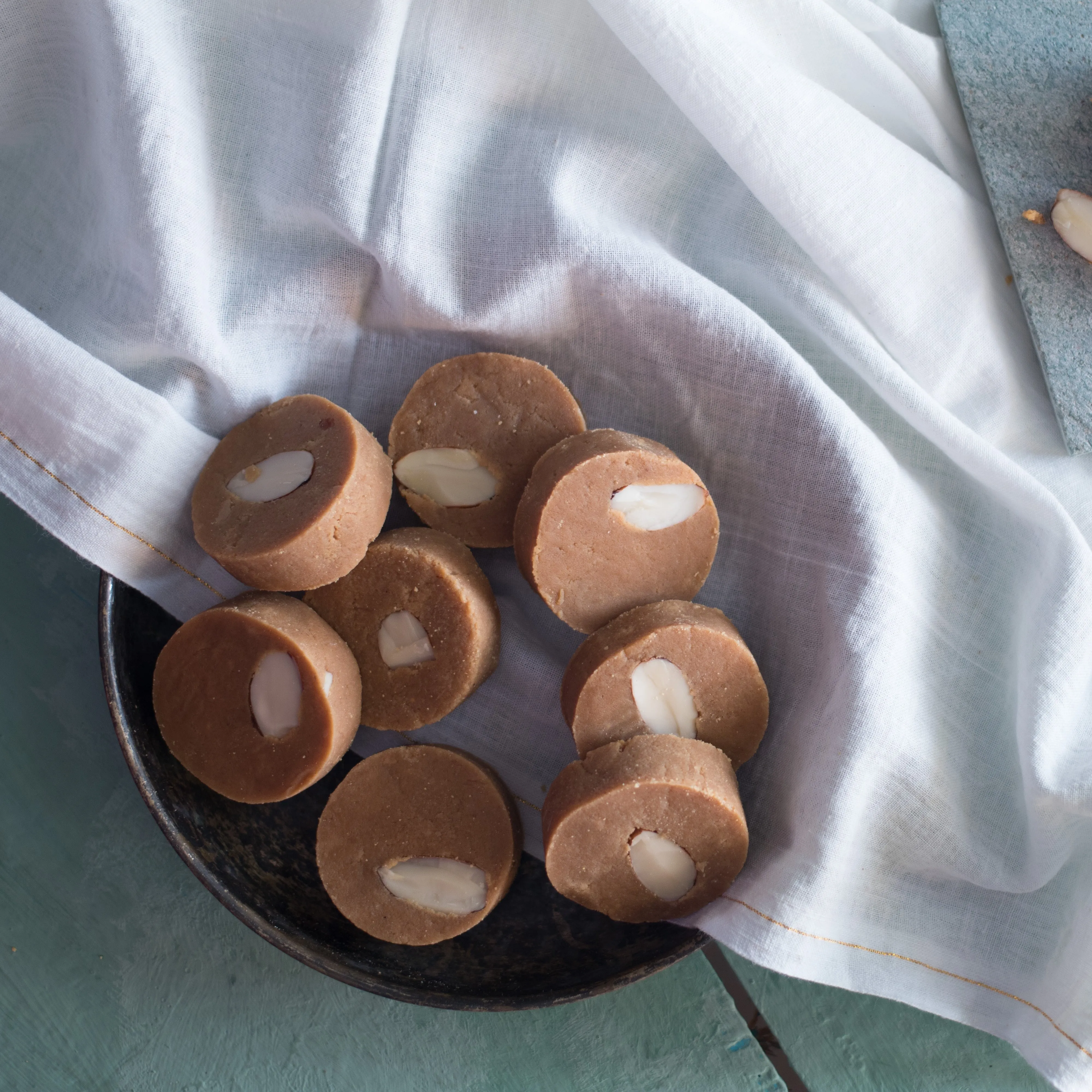
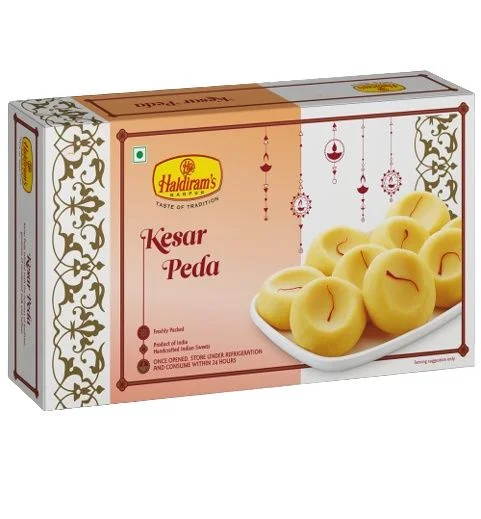
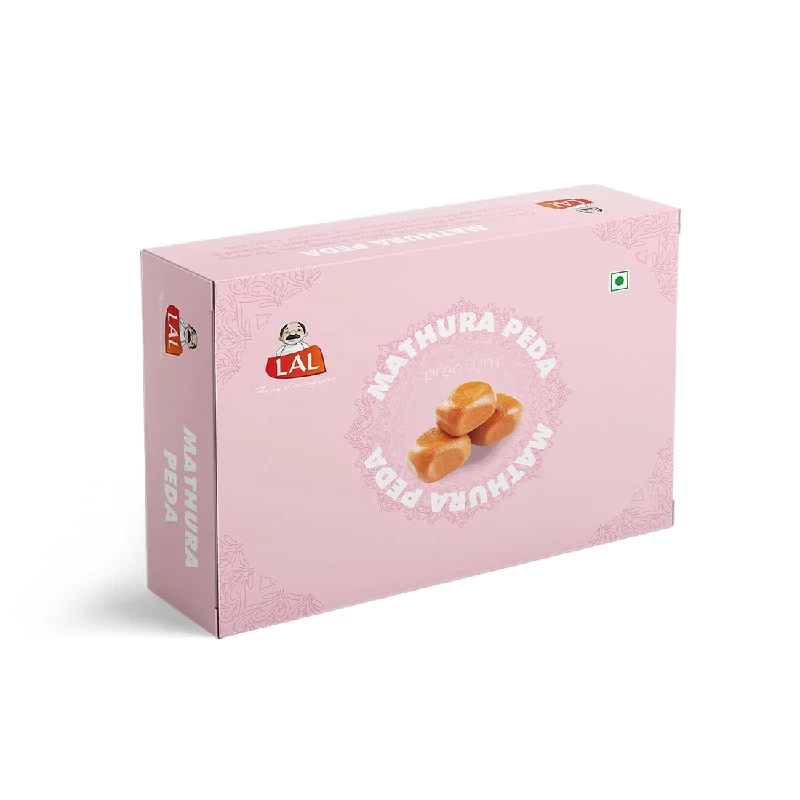
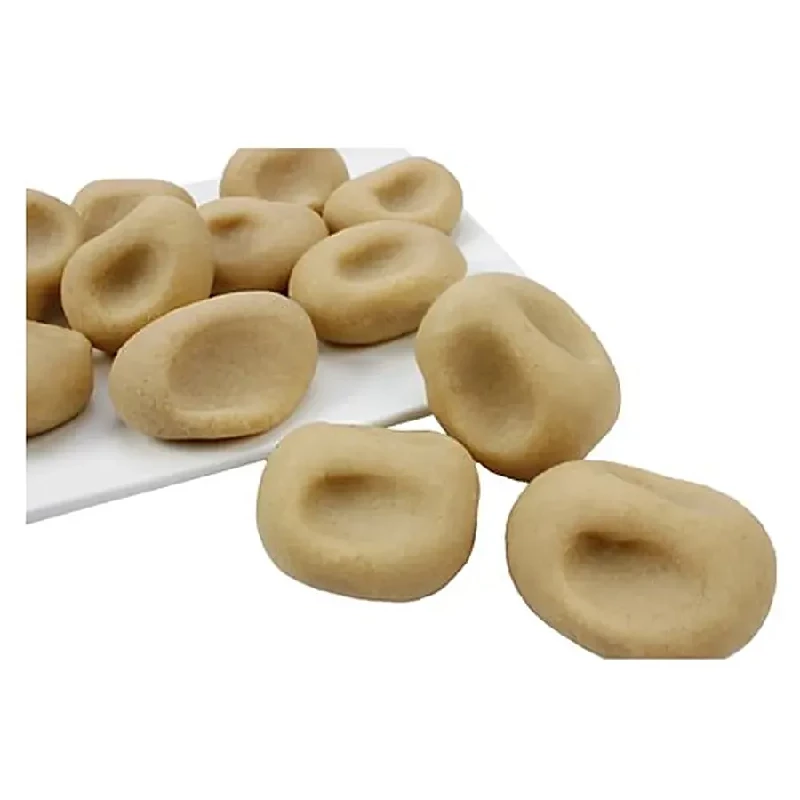
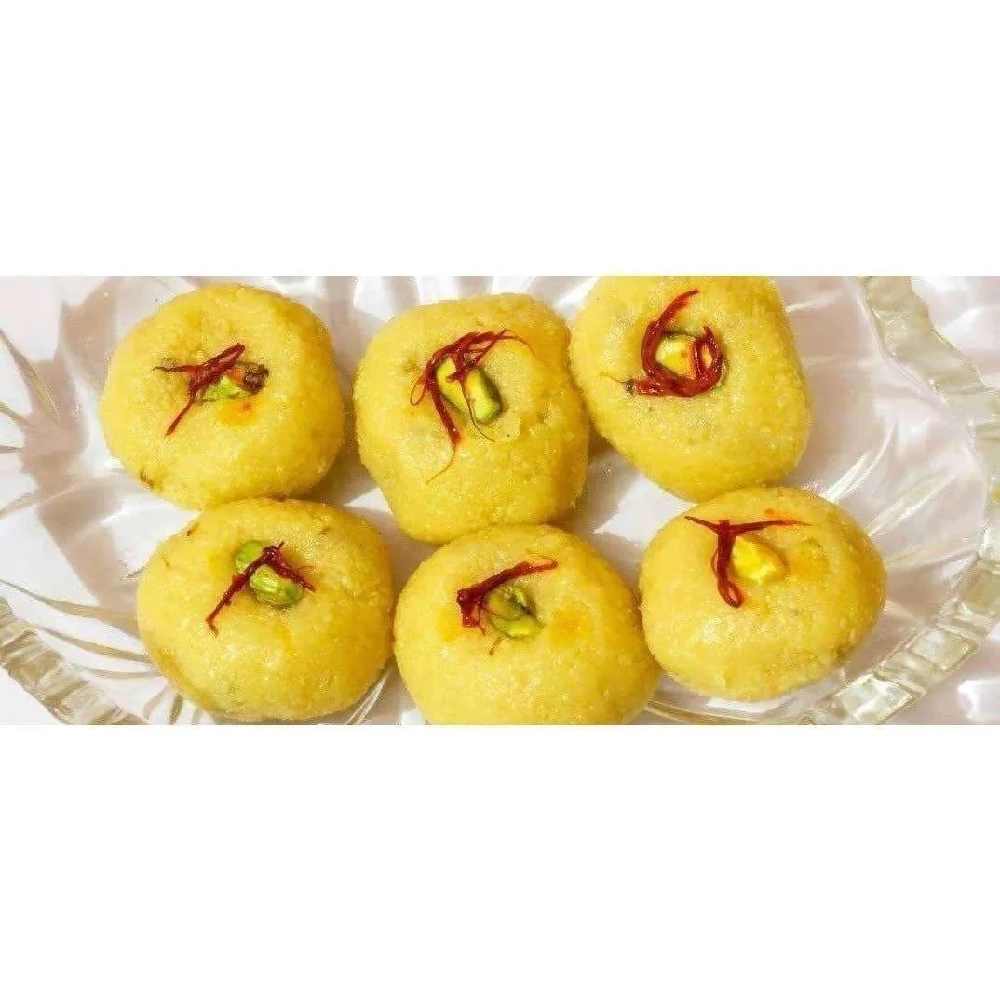
A small, flattened round of thickened milk, usually pale gold, often pressed with a thumbprint or a pistachio.
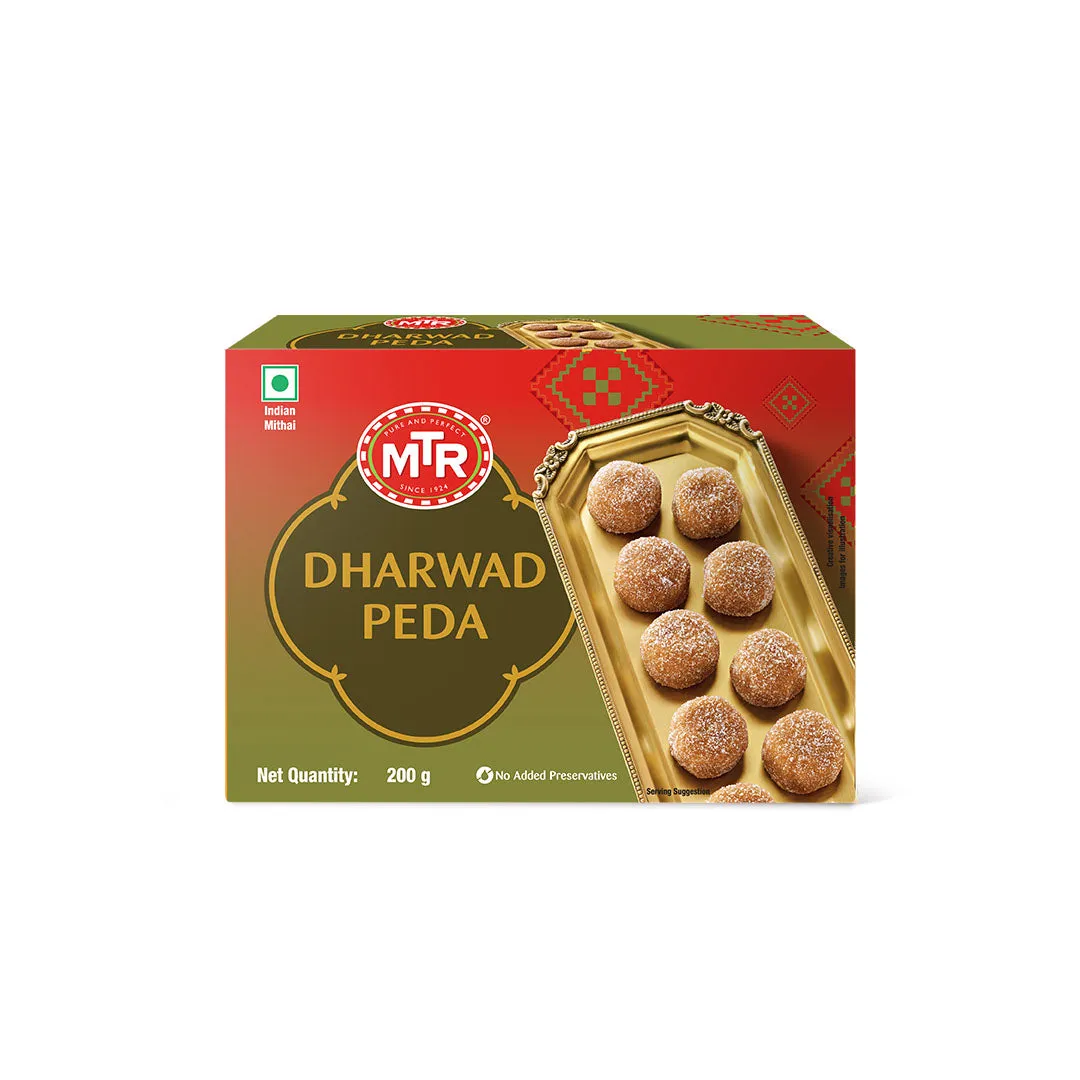
Khoya is cooked slowly until it darkens and firms, sweetened, and shaped by hand. Kesar peda carries saffron. Mathura peda is browner and grainier. Dharwad peda is caramelised almost to the point of tasting burnt, in a good way.
A little history.
Dharwad peda has an unusually specific story. A family of confectioners named Thakur fled a plague outbreak in Uttar Pradesh in the nineteenth century and settled in Dharwad, Karnataka. They adapted their North Indian peda recipe to local buffalo milk, and the result was different enough that it became a regional speciality in its own right. It now carries a Geographical Indication tag, and the family shop still trades under the Thakur name.
Peda is closely tied to temple offering, particularly around Krishna, which is why Mathura is so associated with it.
7. Halwa
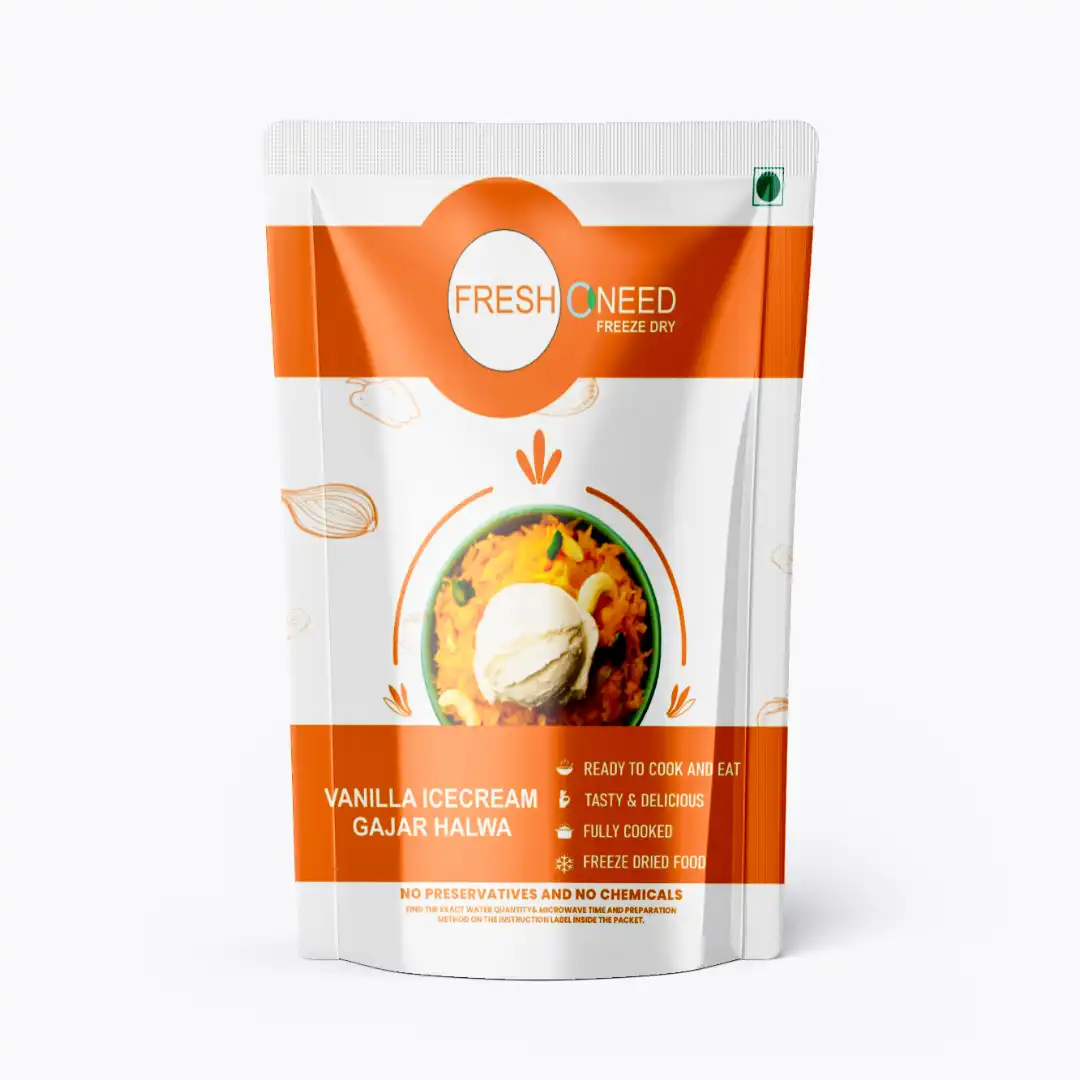
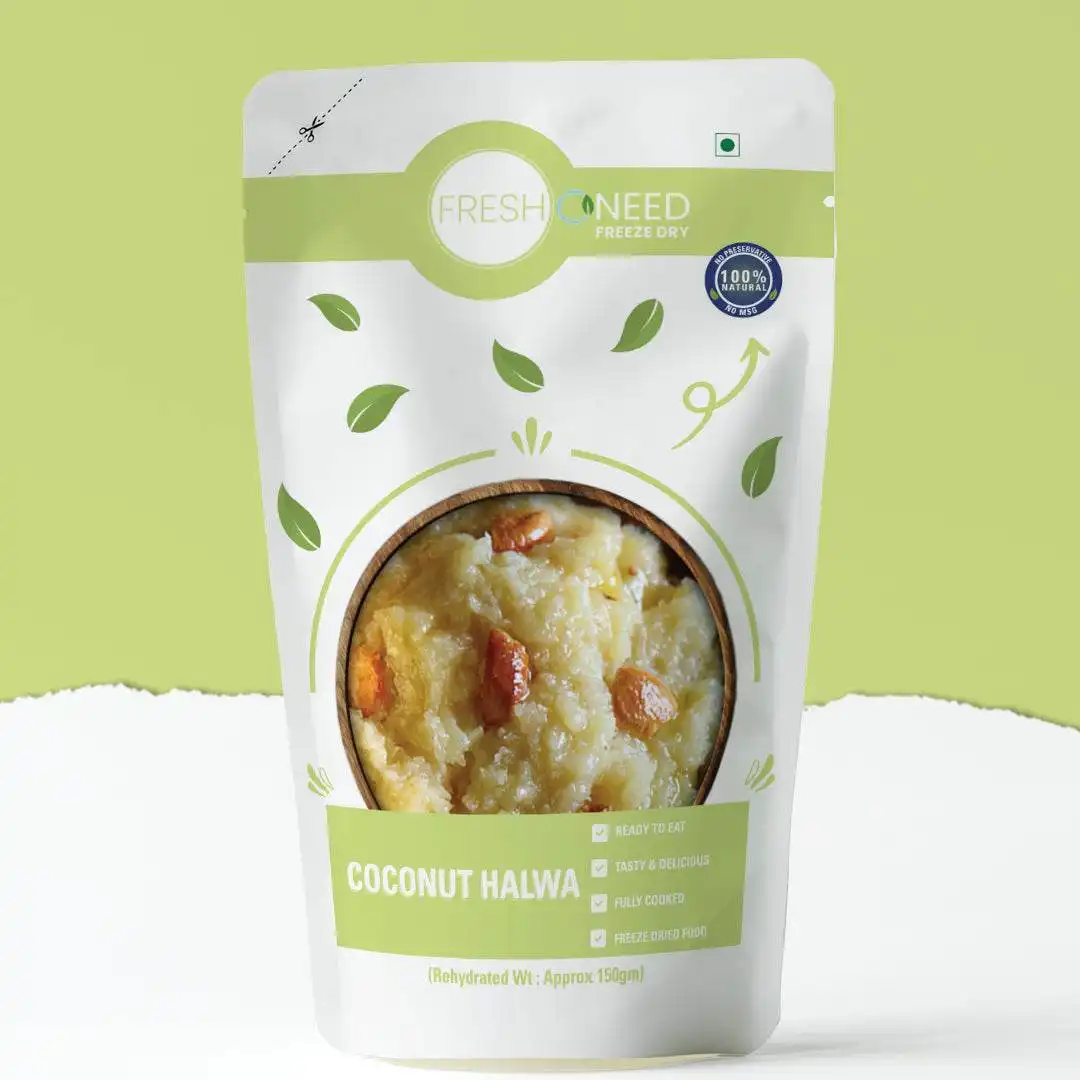
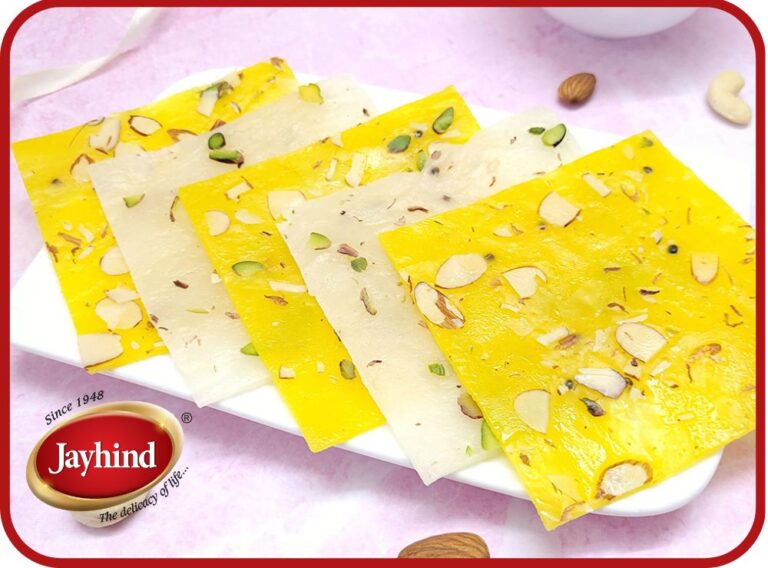
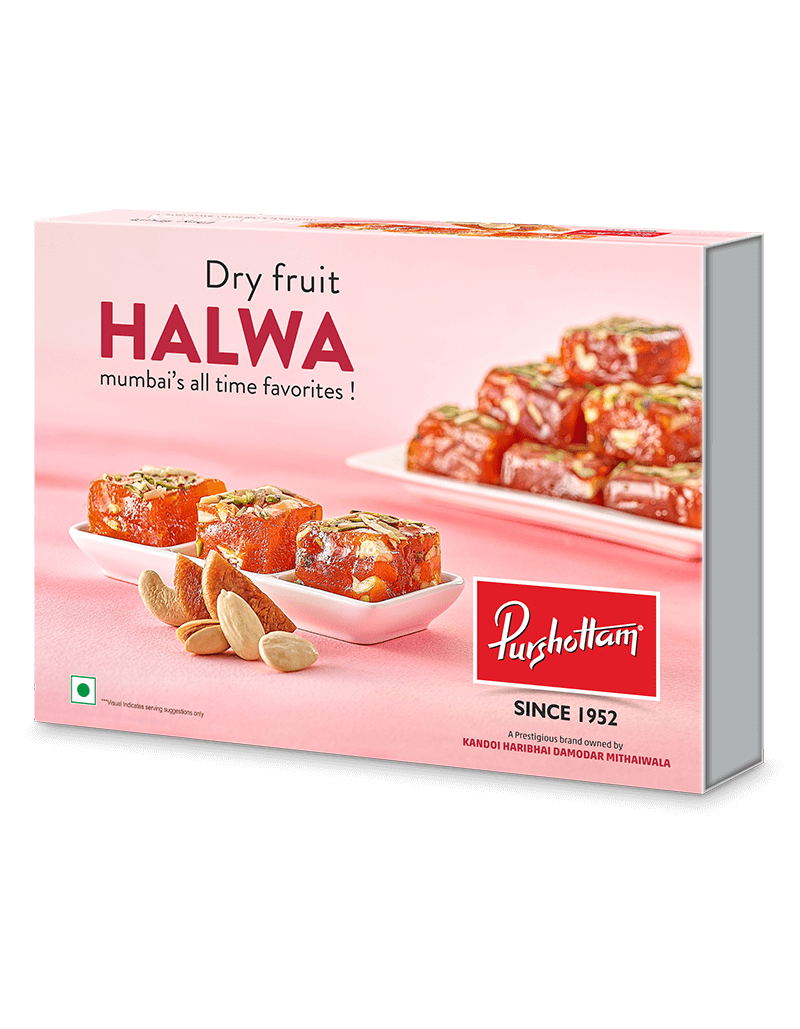
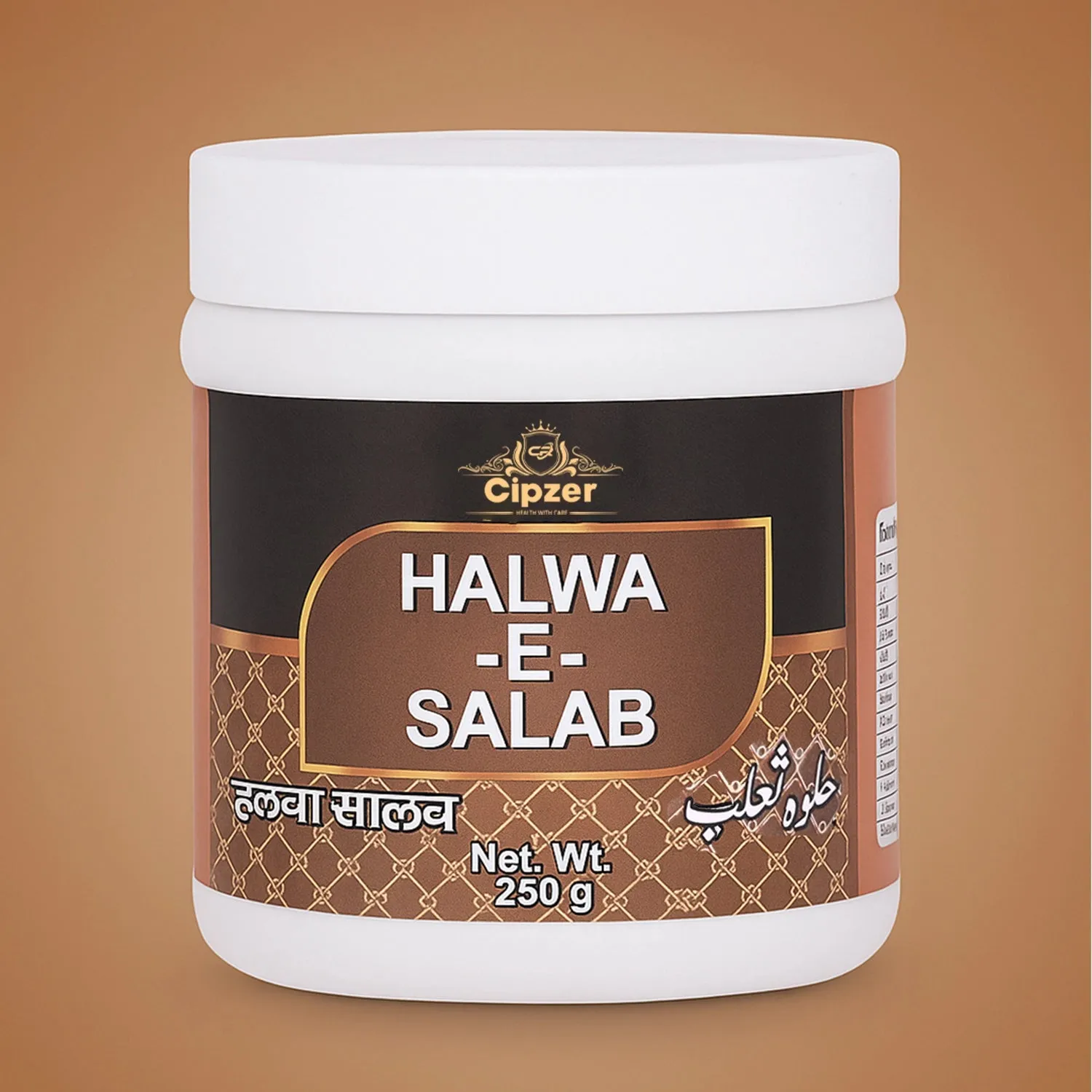
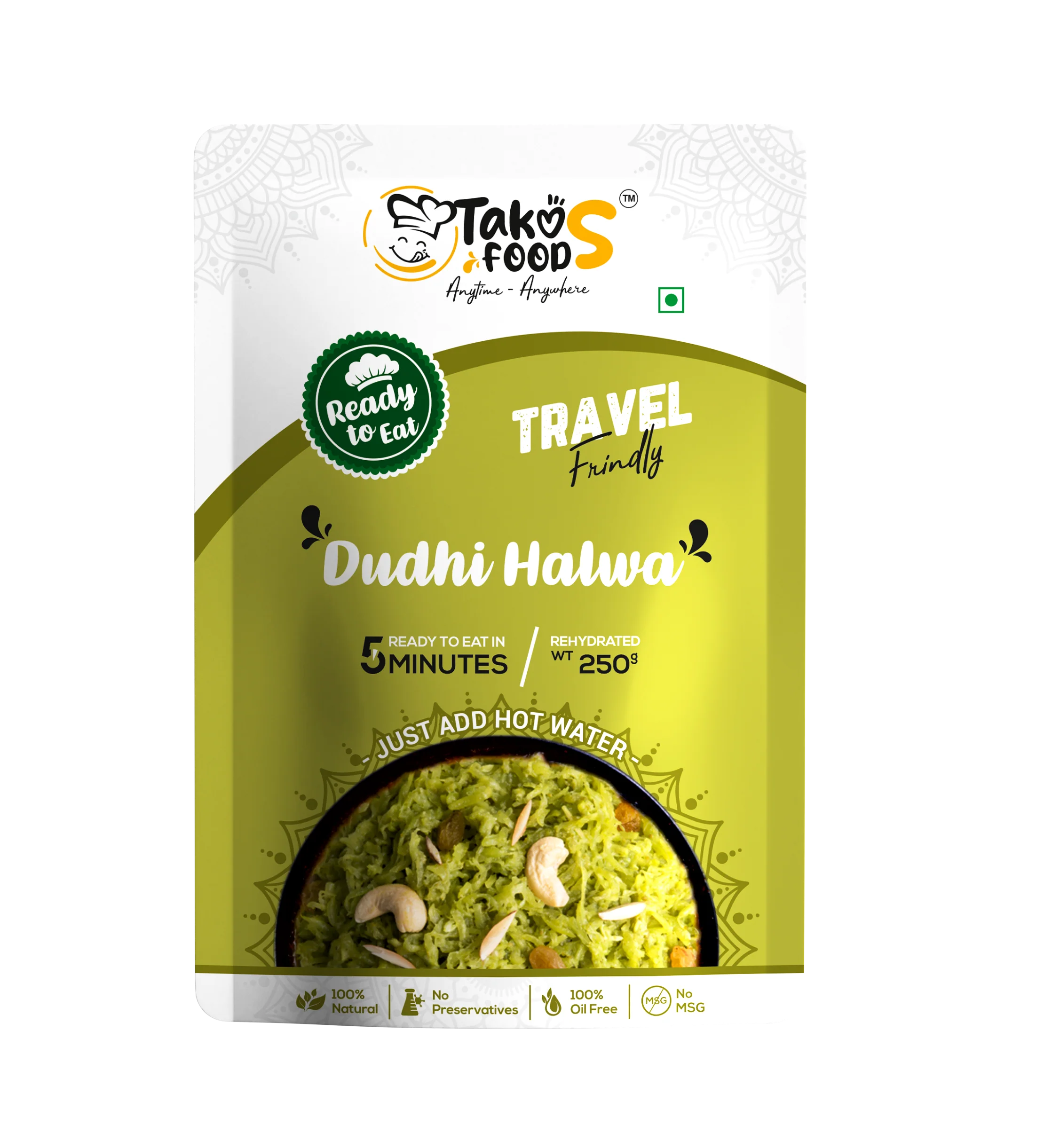
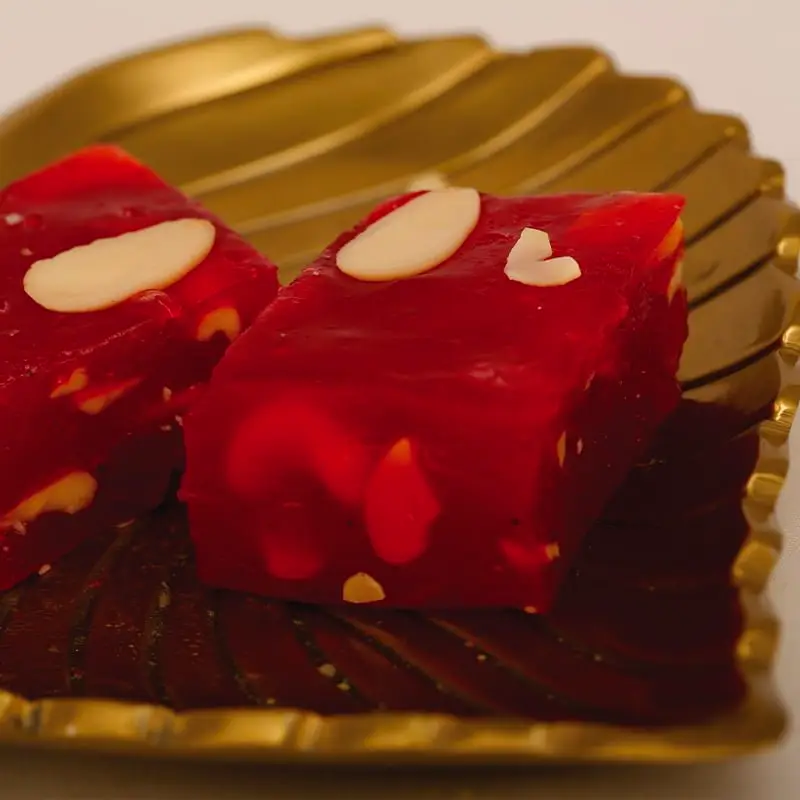
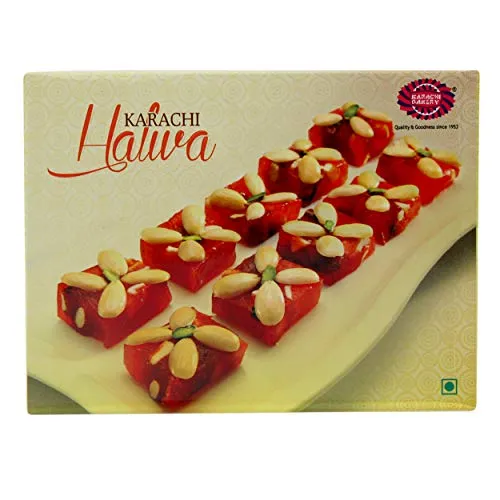
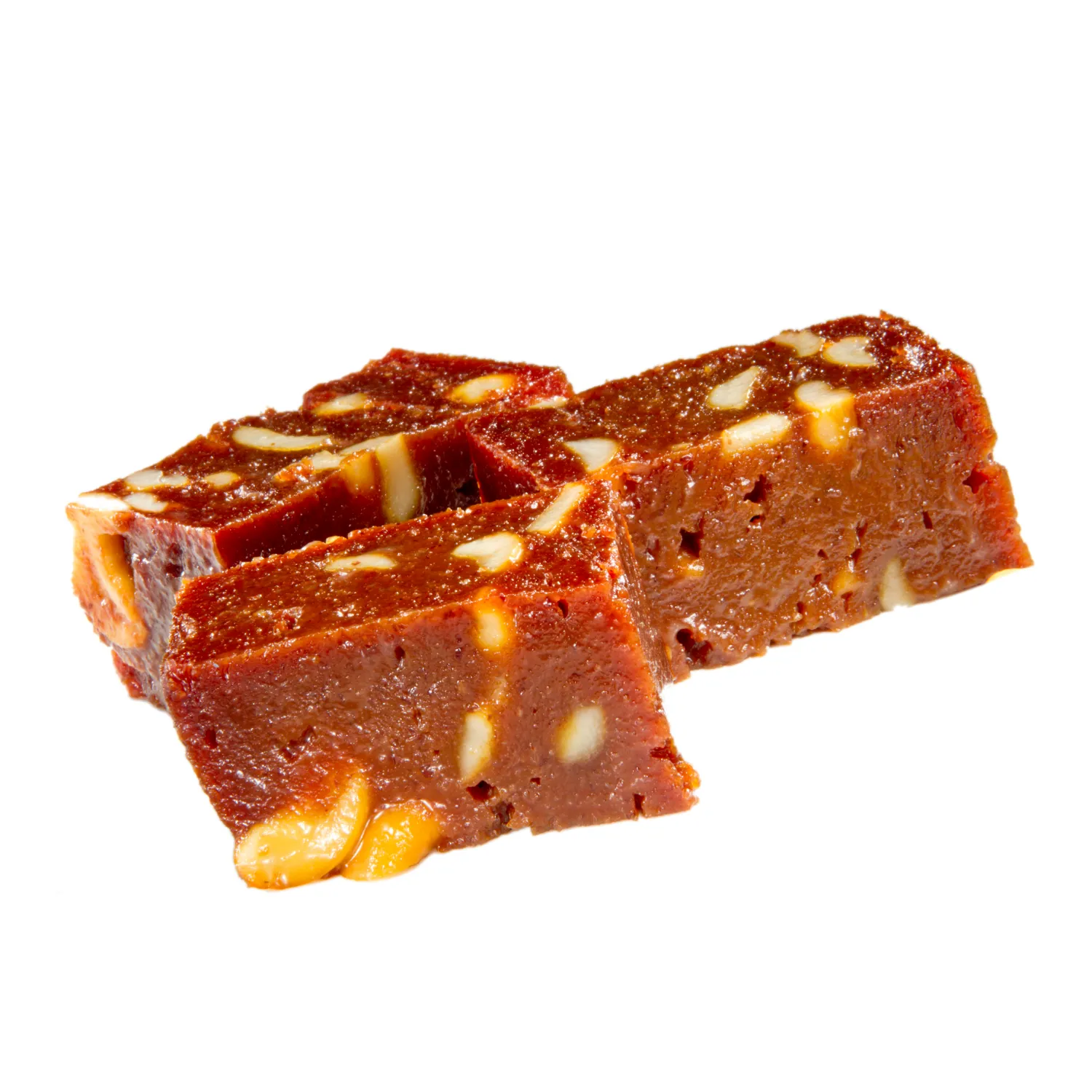
A word that covers an enormous range. Semolina halwa, moong dal halwa, badami halwa, the translucent Bombay halwa that is closer to a chewy jelly, and Bandar halwa from coastal Andhra.
A little history.
The word is Arabic, from hulw, meaning sweet, and the technique arrived in India through Persian and Central Asian cooking. It is worth being clear that Indian halwa is a different thing from Middle Eastern halva, which is sesame-based and crumbly. Same root word, two separate traditions that diverged centuries ago.
Bombay halwa, confusingly, is generally credited to Karachi, which is why it is also sold as Karachi halwa. The name changed with Partition depending on who was selling it.
8. Gulab Jamun
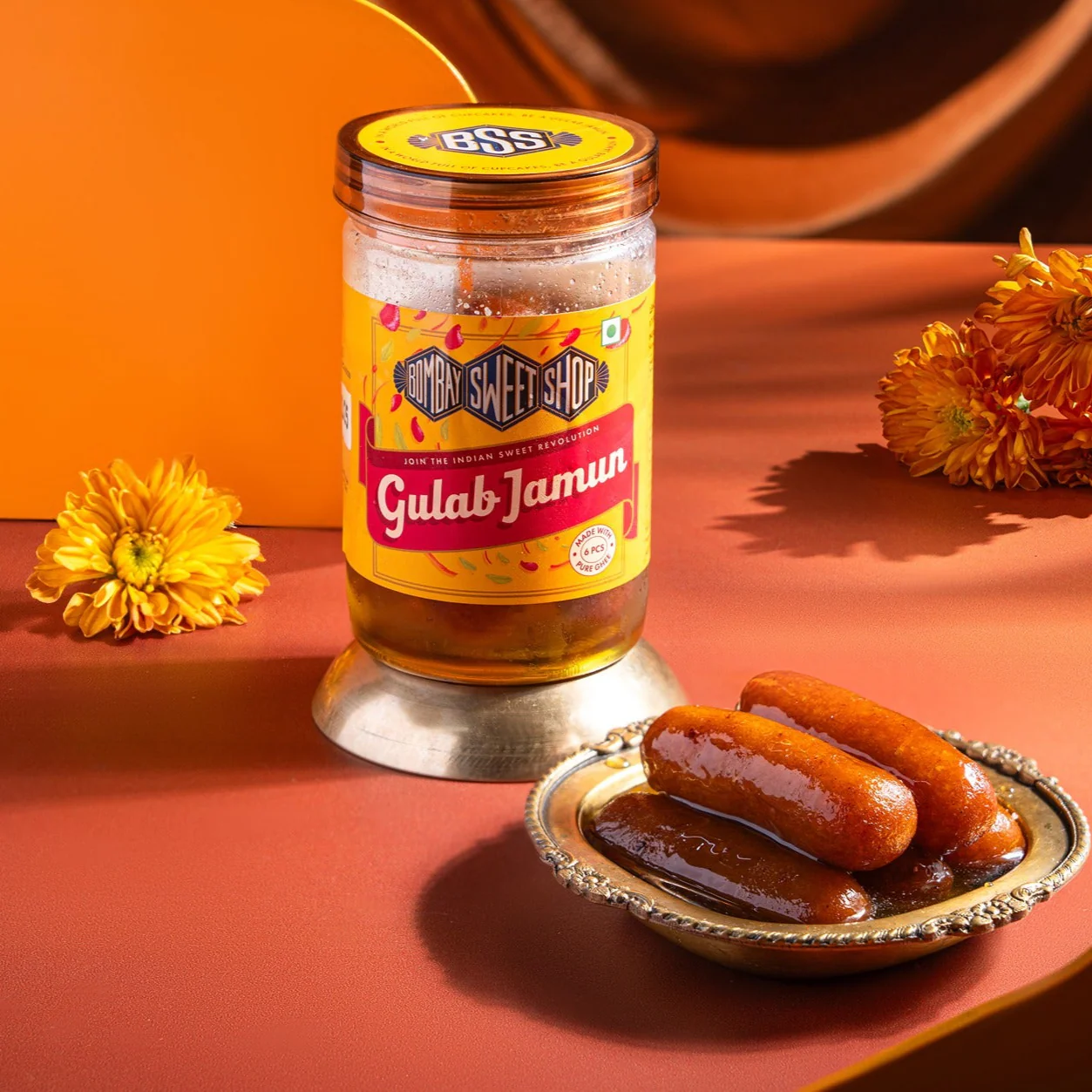
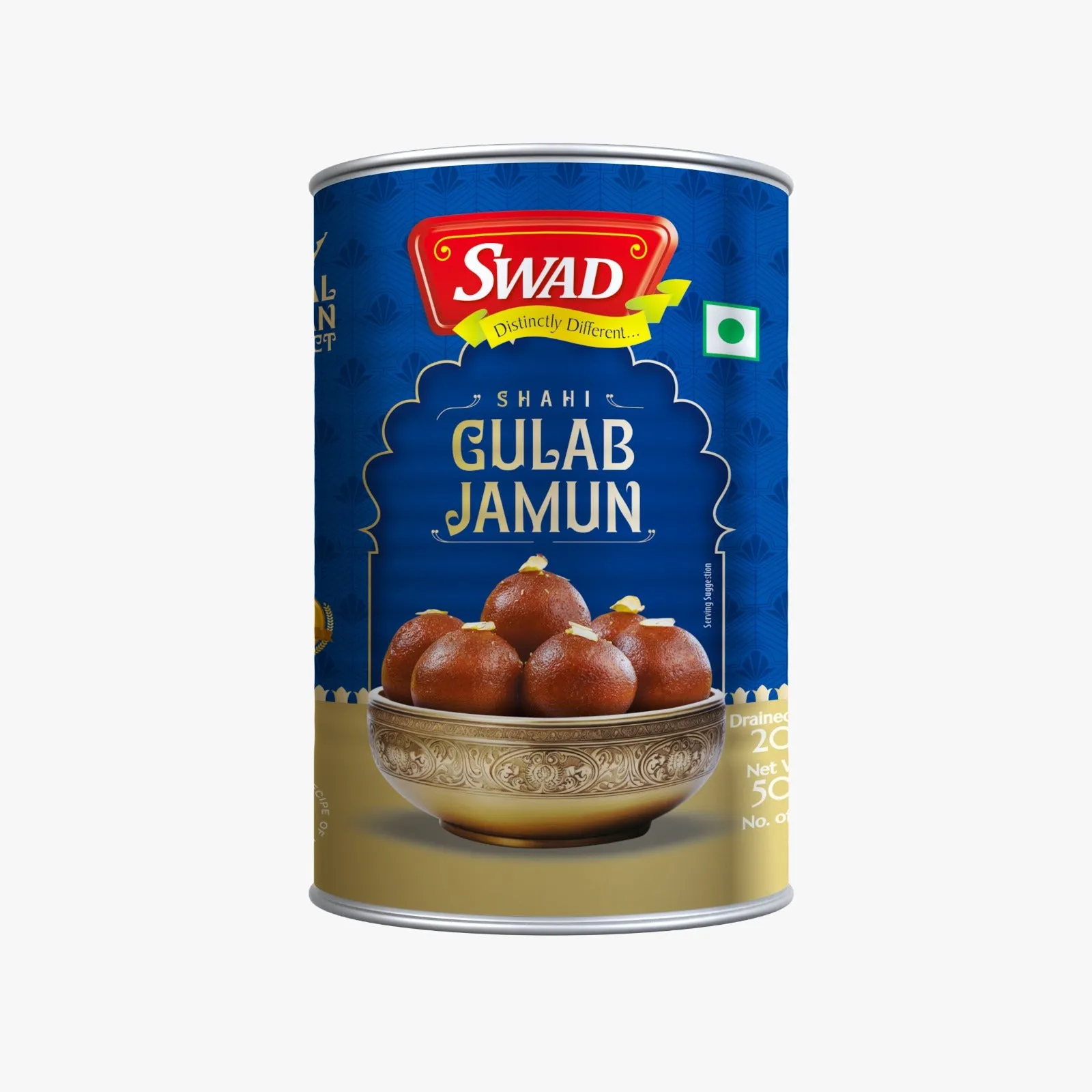
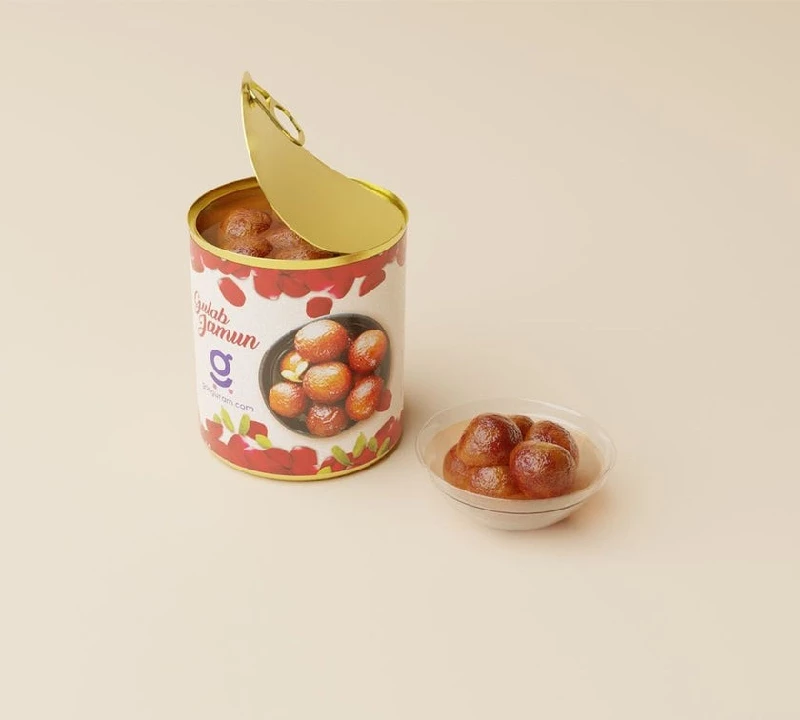
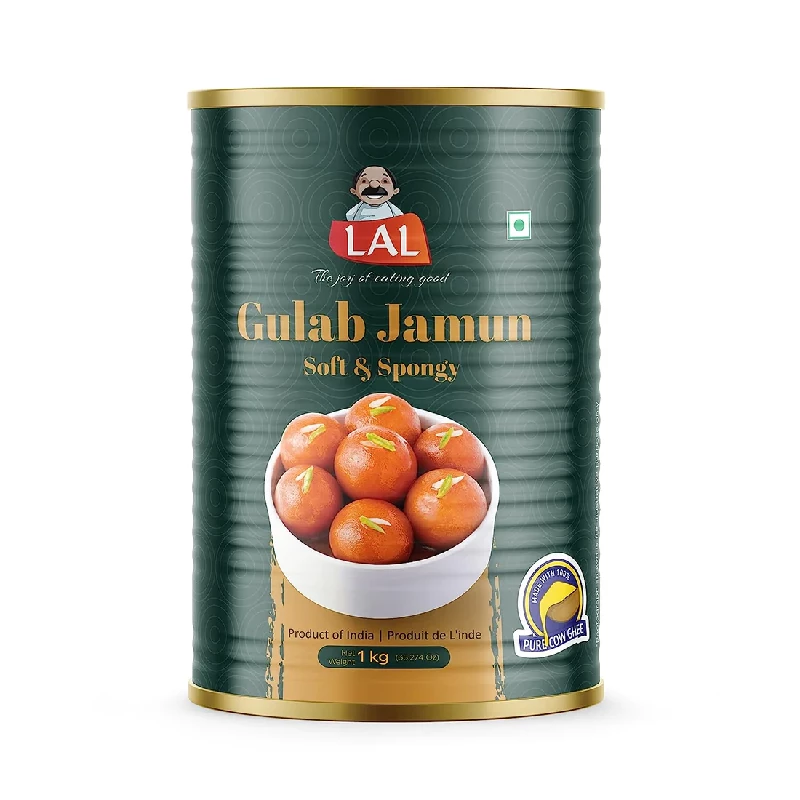
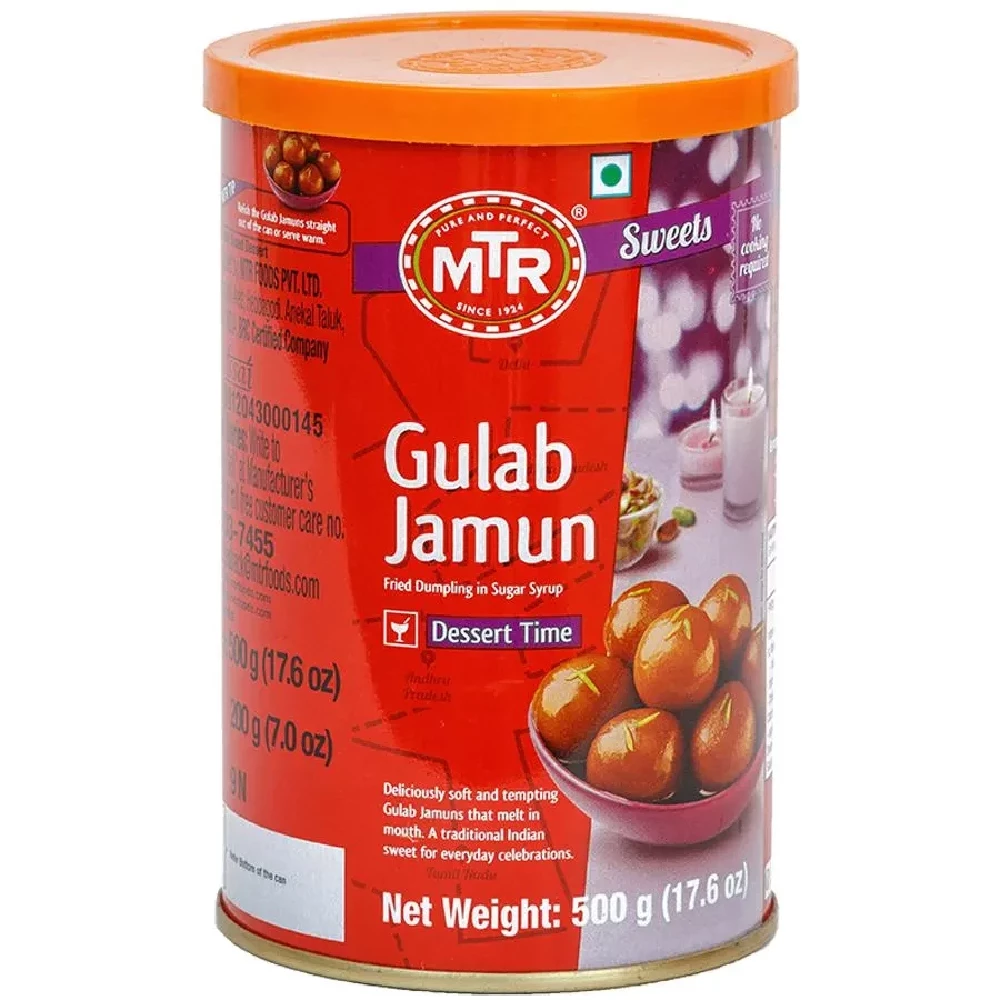
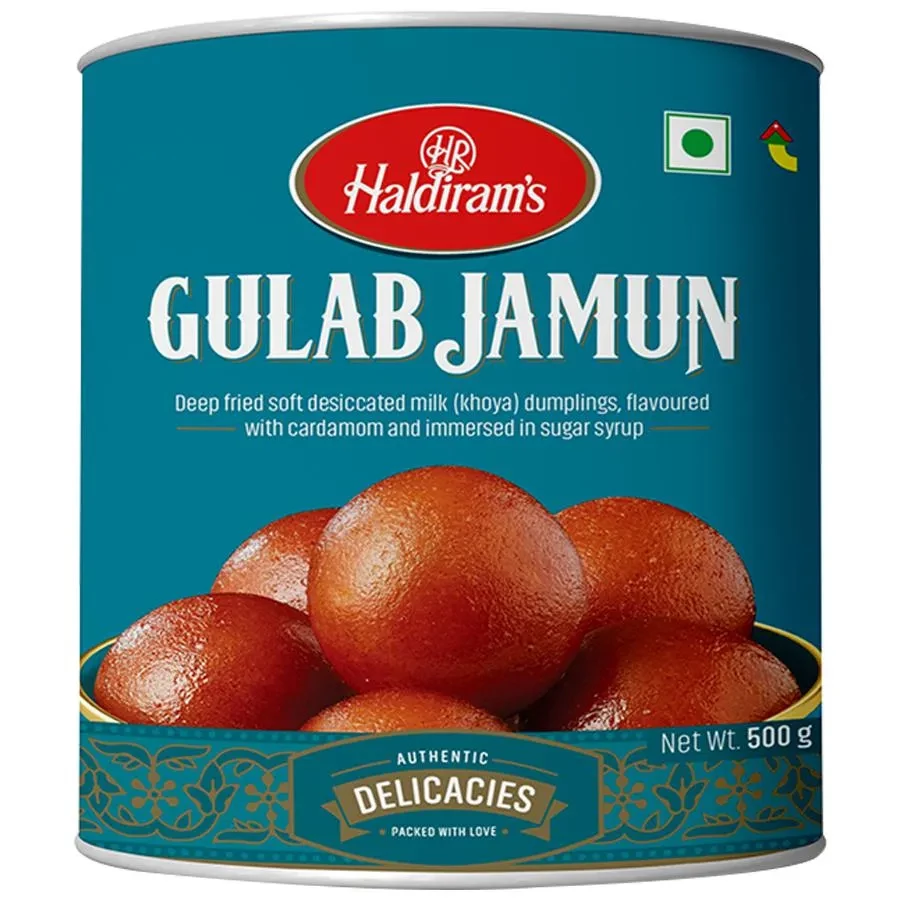
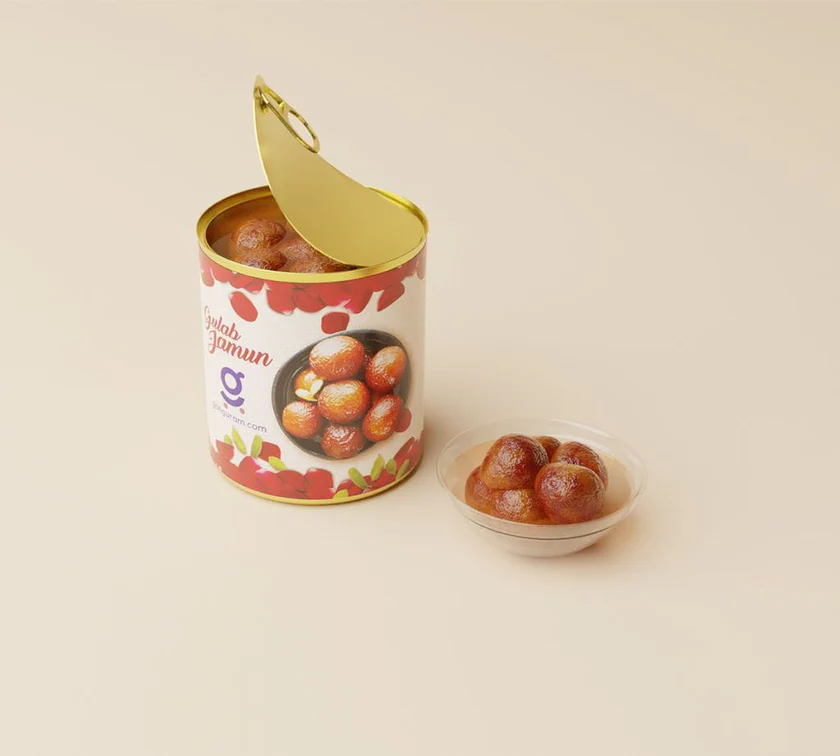
Dough balls of milk solids, fried until deep brown, then left to soak in cardamom and rose syrup until they are saturated all the way through.
Served warm it is a dessert. Served cold it is something else entirely, and people have strong preferences.
A little history.
The name is Persian: gul for flower and ab for water, meaning rose water, with jamun added in India because the shape and colour resemble the black plum of that name. The sweet is usually traced to a Persian dish called luqmat al-qadi, which reached the subcontinent through Mughal kitchens and was reworked with khoya instead of plain dough.
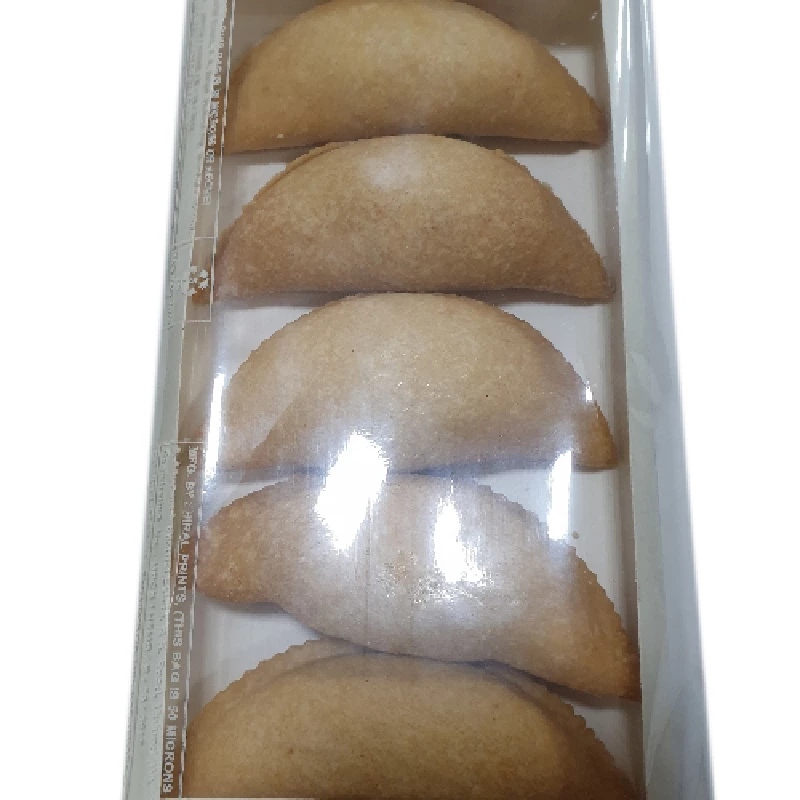
9. Karanji

, 500 g-1.webp)
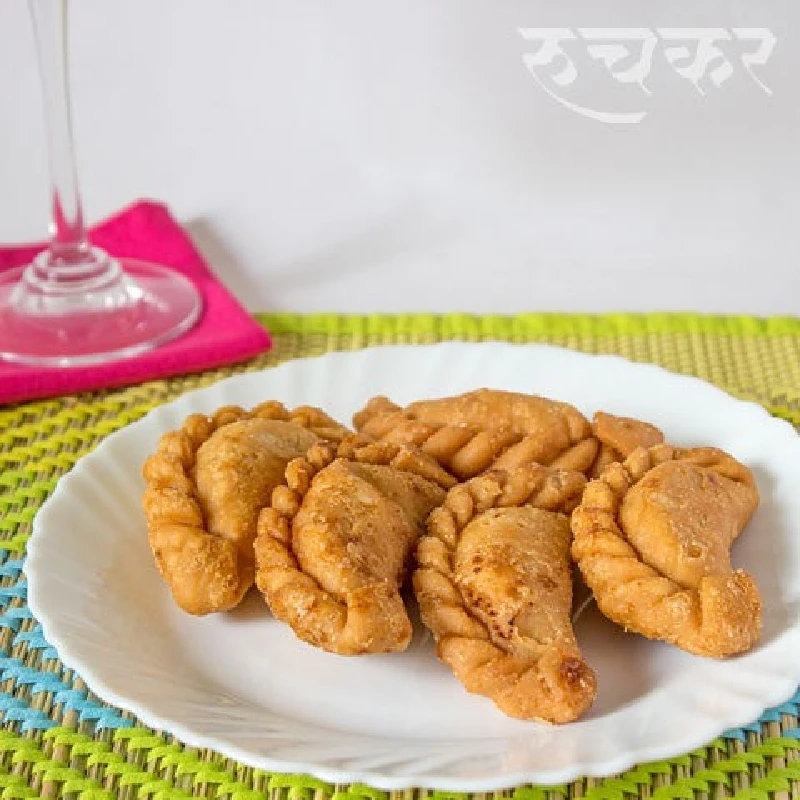
A half-moon pastry, crimped at the edge, filled with coconut, jaggery and nuts, and fried until it blisters.
Called karanji in Maharashtra, gujiya in the North, karjikai in Karnataka, and kajjikayalu in Andhra. The filling shifts as the name does.
A little history.
Filled pastries of this shape appear across a very wide region, from the Middle East through Central Asia and into India, which makes any single origin claim doubtful. In Maharashtra it is inseparable from Diwali faral, and the folding is traditionally a shared job, with several people sitting around the same tray.
10. Shakkarpara
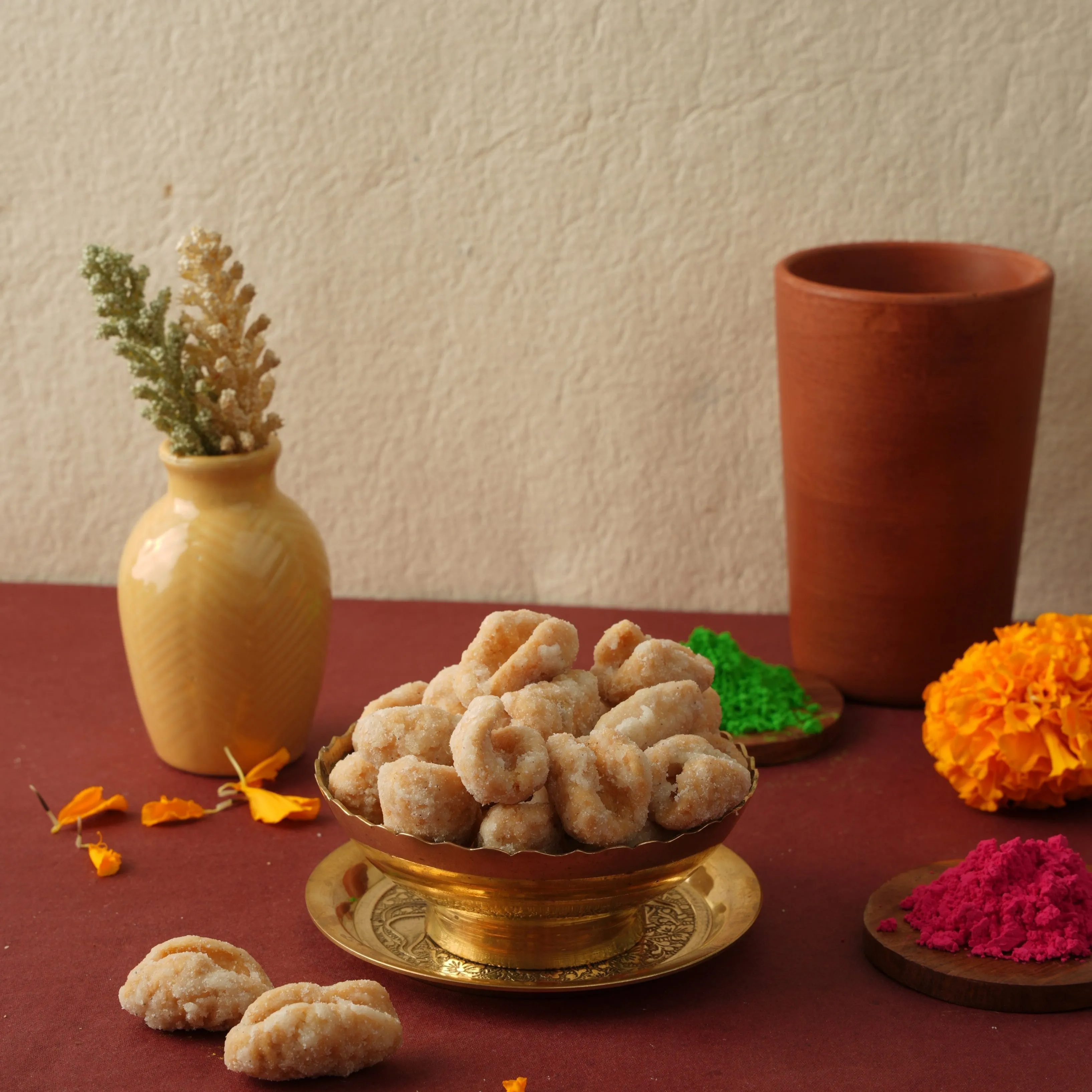
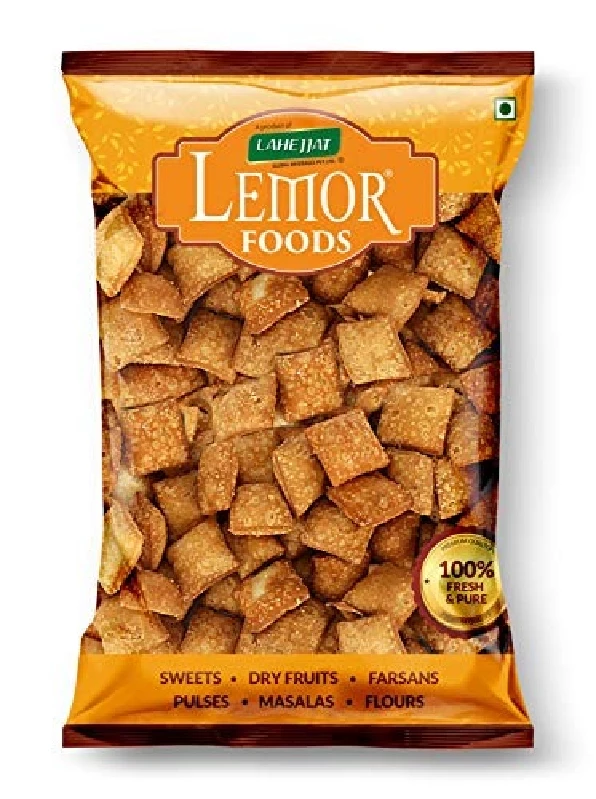
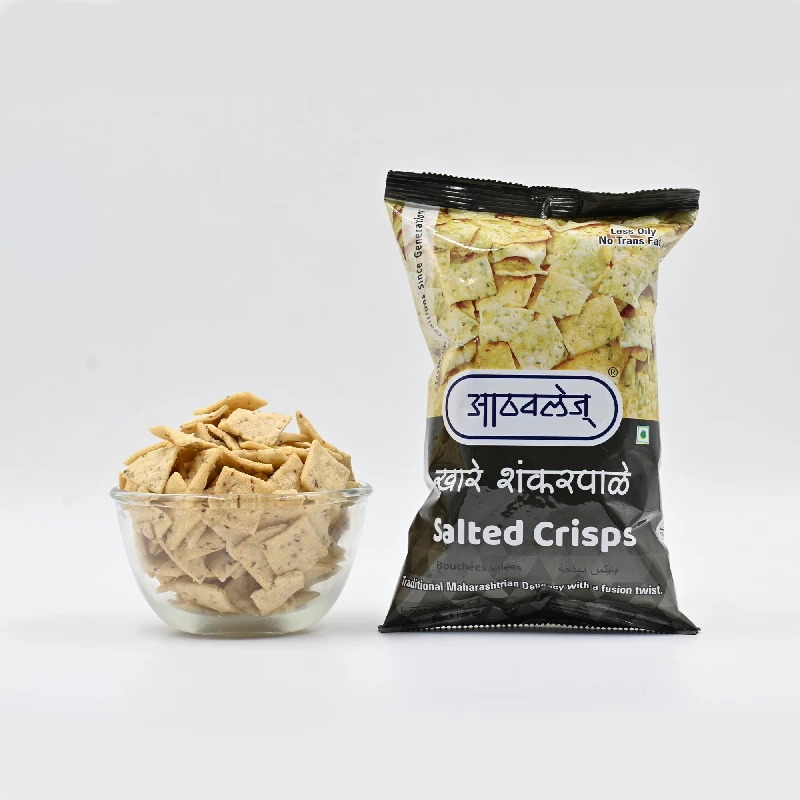
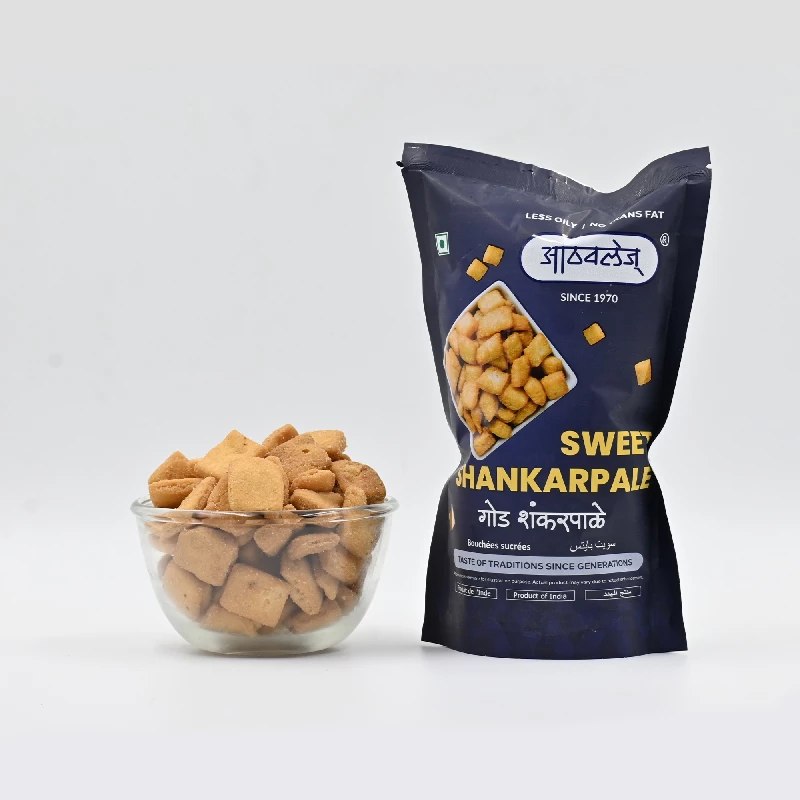
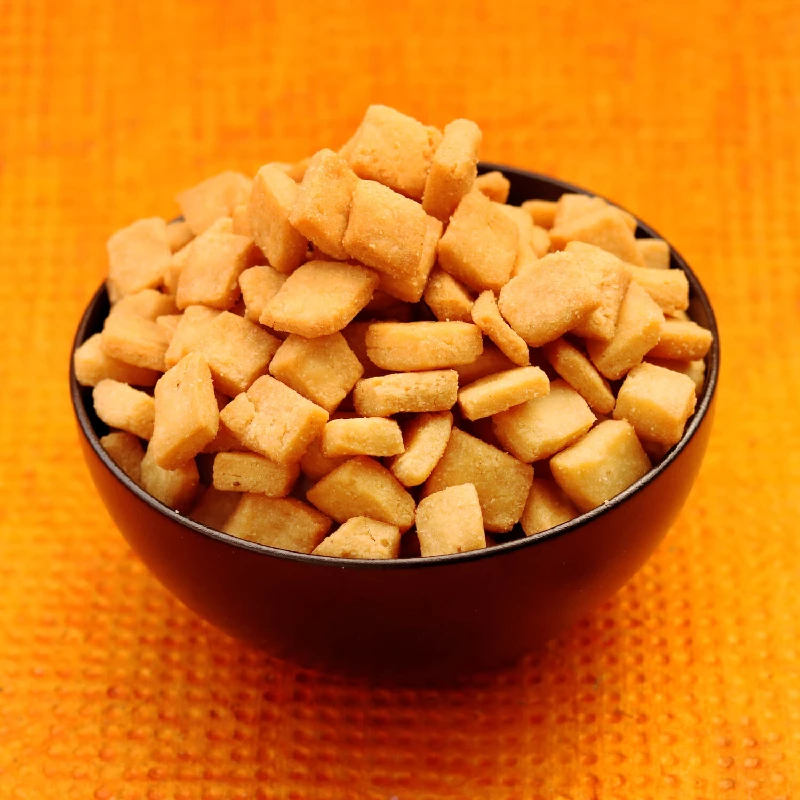
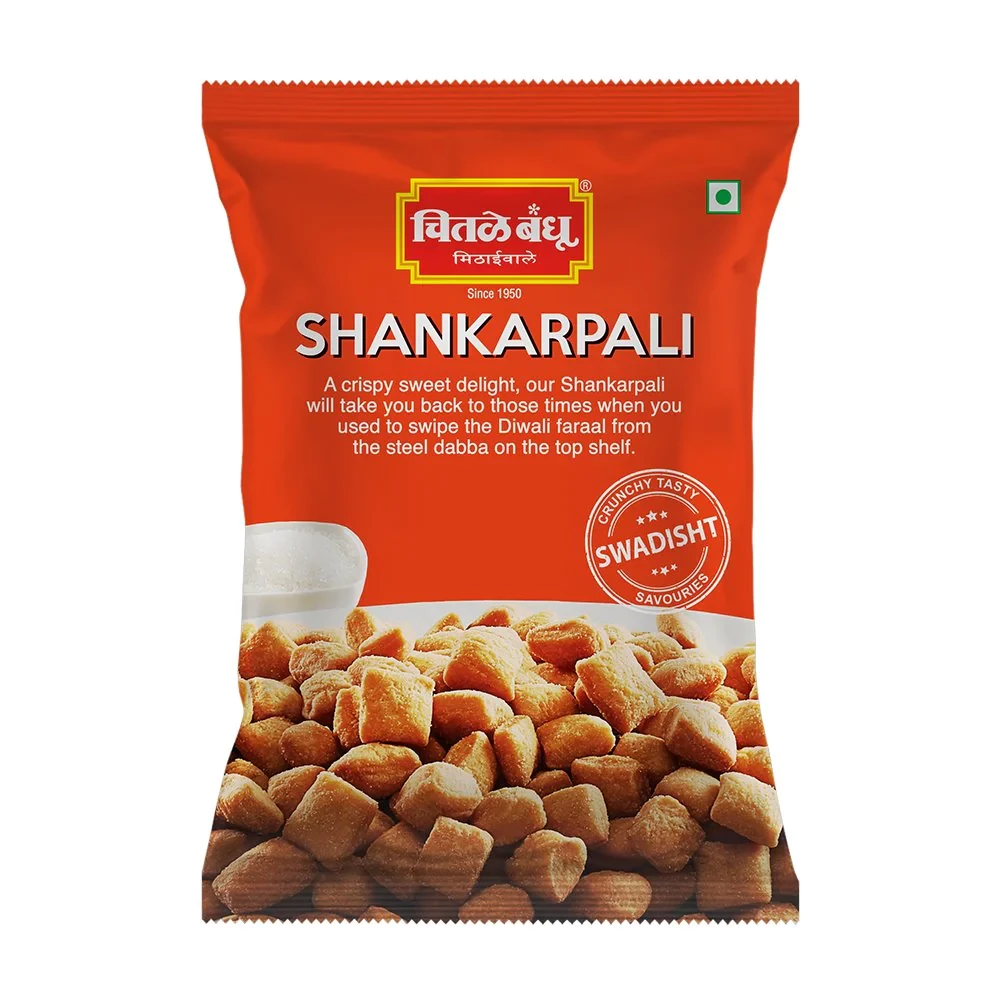
Small diamonds of dough, lightly sweetened, fried until they snap. Called shankarpali in Maharashtra and Karnataka, shakkarpara in the North, and made in enormous quantities because they keep for weeks.
A little history.
The word is Persian in construction, shakar meaning sugar, and versions of the same fried dough diamond exist across Central Asia and Eastern Europe. It is the humblest sweet on this list and probably the most-eaten, because it is the one that sits in a tin on the kitchen counter through the whole festival rather than being brought out for guests.
A savoury version, khara or khare shankarpali, is made alongside the sweet one in most Maharashtrian households.
11. Pootharekulu
, 1 Piece-1.webp)
 - Pootharekulu(Dry fruit) With Jaggery, 15 pcs-1.webp)
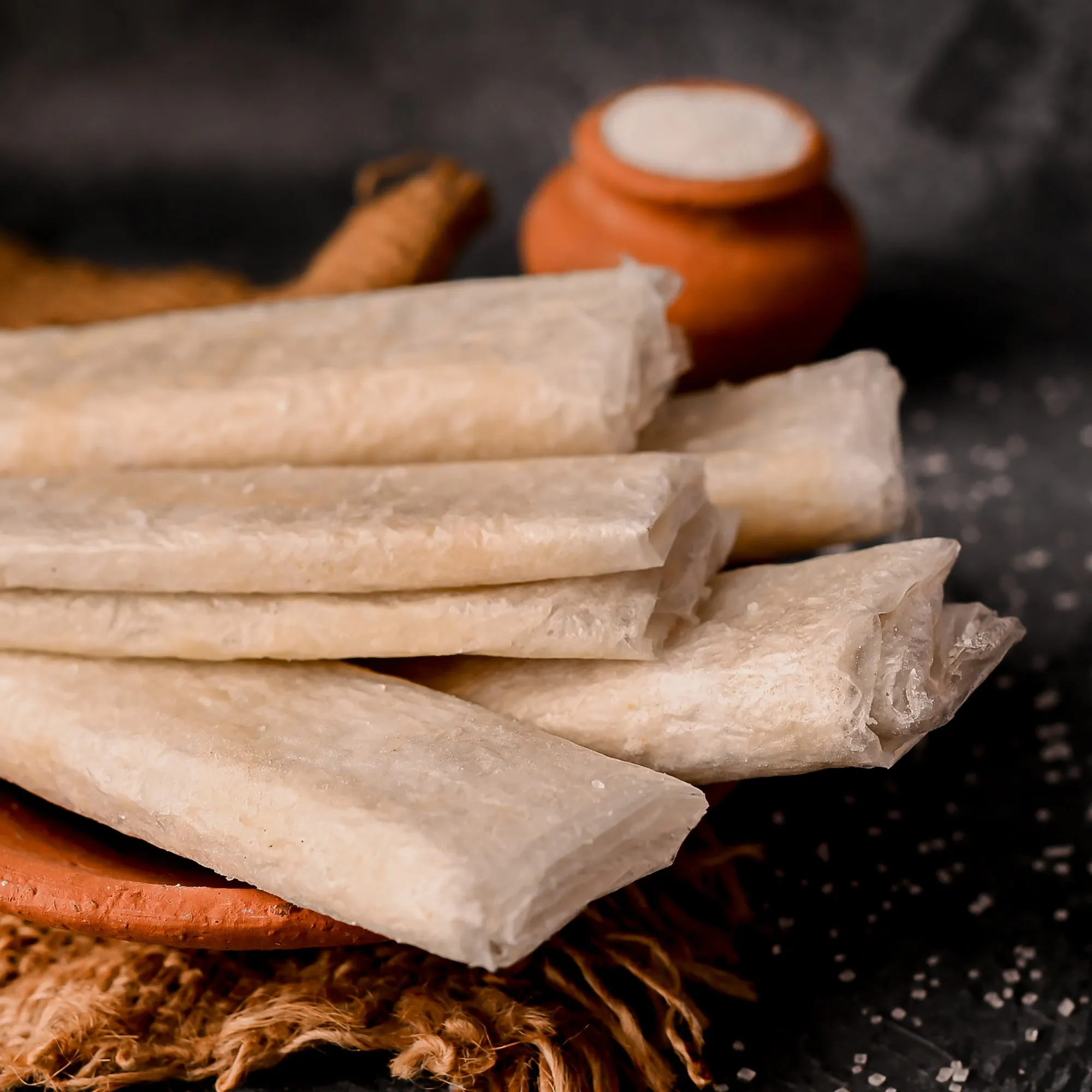
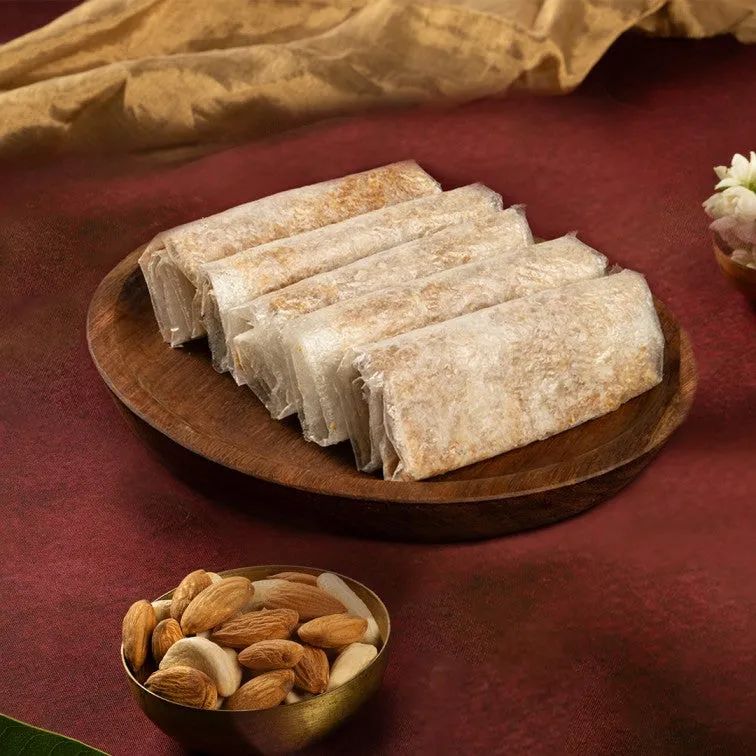
The most technically extraordinary sweet in India, and almost nobody outside Andhra Pradesh has heard of it.
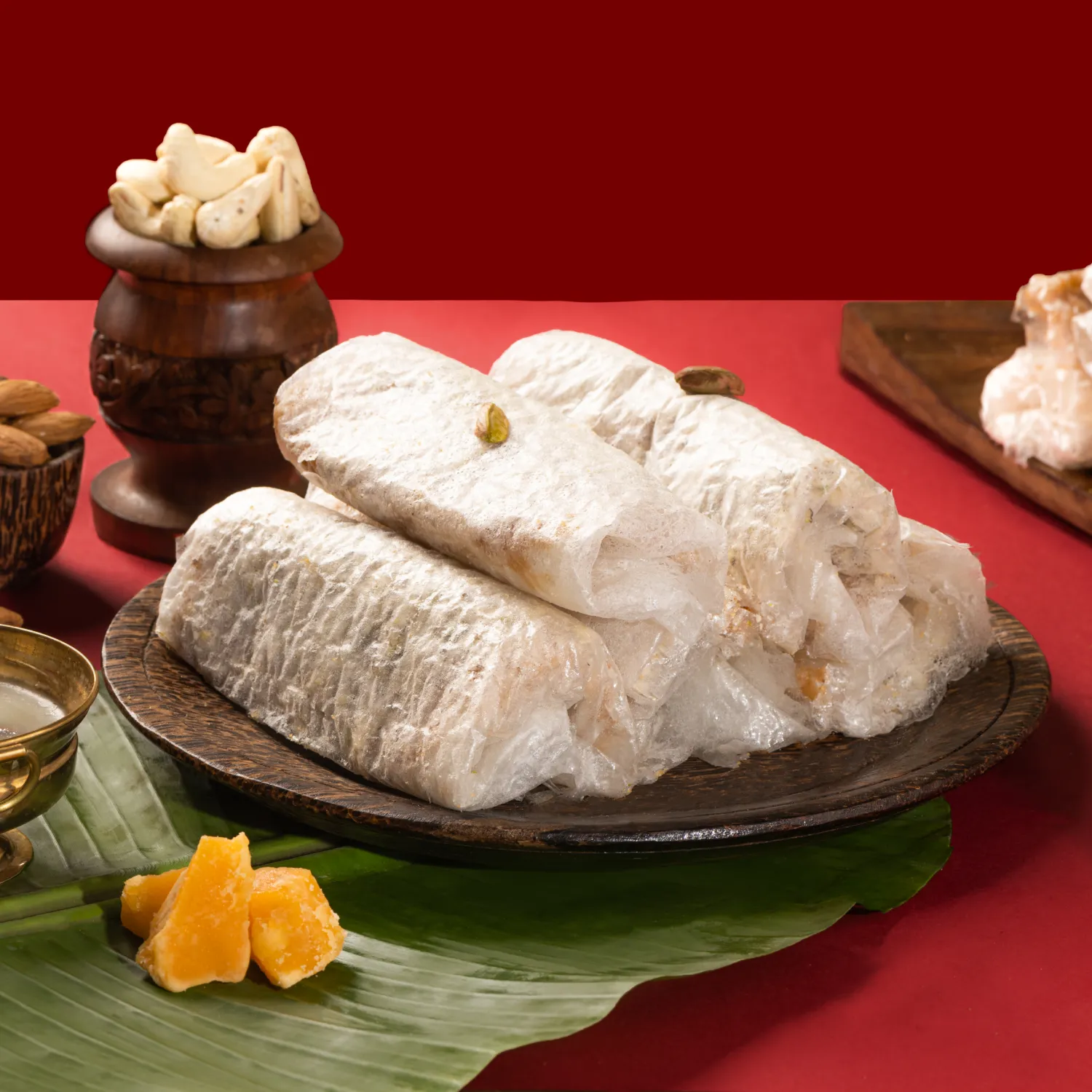
Sheets of rice starch so fine they are nearly transparent are lifted off an inverted clay pot, then layered with ghee and powdered sugar or jaggery and rolled. The name means sheet roll, and eating one is closer to eating a very rich pastry made of paper.
A little history. It comes from Atreyapuram, a village in the Godavari delta, and is credited to a woman named Atreyapuram Sundari, who is said to have developed the technique in the nineteenth century. The sheet-making is still done by hand, largely by women in the same village, and cannot be mechanised: the batter is wiped onto a heated pot in a single motion and peeled away seconds later. Atreyapuram pootharekulu received a Geographical Indication tag in 2023.
If someone from coastal Andhra opens a box and finds these, it registers in a way no amount of kaju katli will.
Which of These Travel Well
Worth knowing if you are sending a box to someone in another country rather than serving it at home.
Holds up over a long journey. Kaju katli, soan papdi, barfi, mysore pak, shakkarpara, karanji, pootharekulu and most ladoos. The common factor is low moisture and no need for refrigeration. Dry fruit-based sweets last longest of all.
Needs more thought. Peda and halwa vary by preparation. The firmer, drier versions ship well. The soft milk-heavy ones have a shorter window.
Eat fresh, or send tinned. Gulab jamun in syrup will not survive weeks in transit, but ready-to-serve tinned versions travel perfectly well and warm through in minutes. The same applies to most chhena-based sweets like rasgulla and to fresh milk sweets like kalakand.
If you are ordering to send abroad, that distinction matters more than anything else on this page.
The Sweet Nostalgia That Diwali Brings
Diwali away from India hits differently. The lights can be bought locally, the rangoli drawn from memory, but the mithai is the part that is hard to recreate. What most people miss is not sweets in general. It is a specific box from a specific shop, the one that always appeared at home.
The Desi Food ships traditional Diwali sweets from India to over 80 countries, including the USA, UK, Canada, Australia and the Gulf, sourced from the brands themselves rather than resellers.
Browse the full range on the Diwali sweets and snacks collection.