What Is Triphala? Benefits, Uses, How to Take It, and Side Effects
What is Triphala? Learn what this traditional Ayurvedic blend contains, how it is used, what research says about it, and what to know before using it.
Latest Articles
 Wellness
What Is Avipattikar Churna? Ingredients, Traditional Uses and Safety
Oct 8, 2026
 Staples
Organic Honey vs Regular Honey: What the Label Covers and What It Doesn't
Oct 8, 2026
 Beauty
8 Best Natural Shampoos for Men to Buy Online in the USA, UK and Beyond
Oct 8, 2026
 Wellness
Best Ayurvedic Herbs for Sleep: 8 Herbs and the Forms They Come In
Sep 30, 2026
Triphala is one of those Ayurvedic formulations that has been around for centuries and is still widely used today. You may have seen it as a fine brown powder called Triphala churna, in capsules, or as an ingredient in other Ayurvedic preparations.
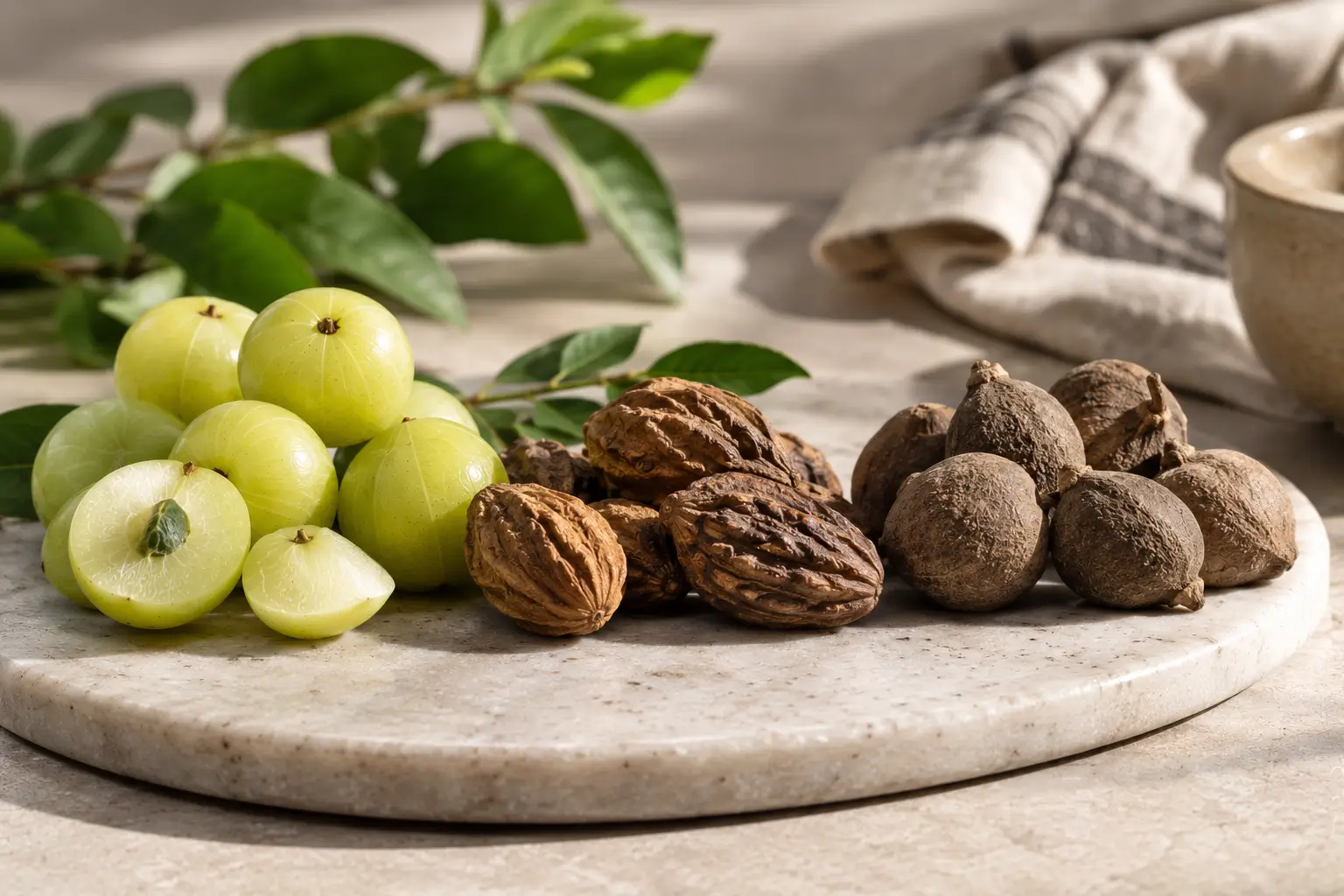
The name itself tells you what it is. "Tri" means three, and "phala" means fruits. Traditional Triphala is made by combining three fruits: amla (Amalaki), haritaki (Harad), and bibhitaki (Baheda).
It is particularly associated with digestive health in Ayurveda, which is why people often look for Triphala when dealing with constipation or irregular bowel movements. But there is more to the formulation than its traditional use as a digestive remedy, and modern research is still working out which of its claimed benefits are supported by good human evidence.
If you're considering Triphala powder, you may also be wondering how and when to take it, whether to choose organic Triphala powder, and whether there are any side effects.
We'll look at what Triphala contains, its potential benefits, how it is commonly used for constipation, how to take Triphala powder, and what to know before making it part of your routine. We've also included a few Triphala products below so you can see the different options available.
What Is Triphala?
Triphala is a traditional Ayurvedic herbal formulation made from three fruits:
Amalaki, commonly known as amla or Indian gooseberry
Haritaki, also called Harad
Bibhitaki, also called Baheda
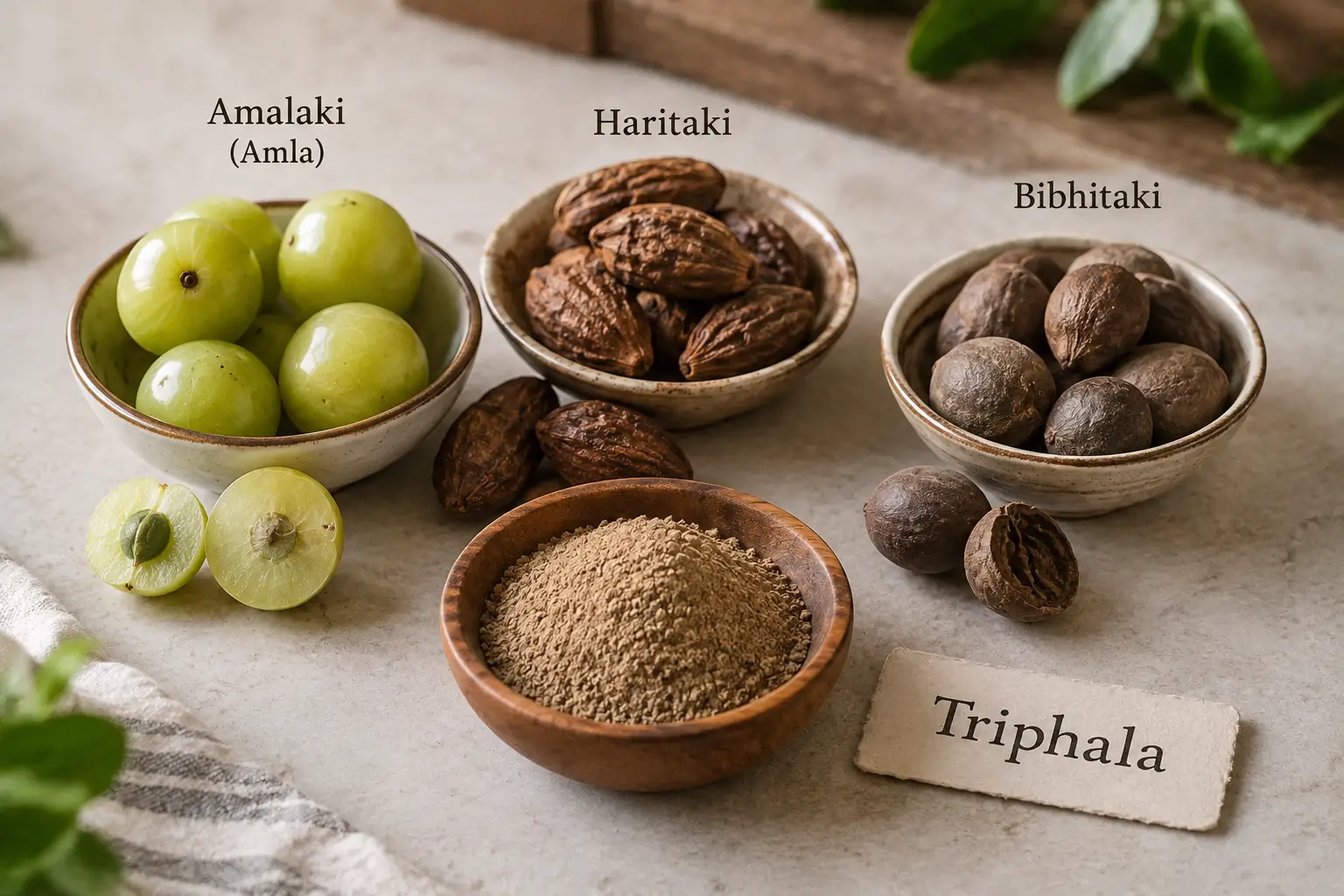
These three fruits belong to different plant species and contribute different plant compounds to the formulation. Research has identified polyphenols and other phytochemicals in Triphala, including compounds such as gallic acid, ellagic acid, and chebulinic acid.
Traditionally, Triphala has been used for a wide range of purposes, with digestive health being one of its better-known applications. A review of Triphala's traditional and scientific literature describes its historical use in Ayurveda for gastrointestinal concerns and as a laxative preparation.
That traditional history is useful context, but it is important not to treat every traditional use as a clinically established benefit.
What Is in Triphala Churna?
A conventional Triphala churna contains the powdered fruits of the three plants.
Amla
Amla, or Amalaki, is the fruit of Phyllanthus emblica. It contains vitamin C and a range of polyphenolic compounds.
Haritaki
Haritaki comes from Terminalia chebula. It is one of the three fruits traditionally used in Triphala and has been studied for its phytochemical and gastrointestinal properties.
Bibhitaki
Bibhitaki comes from Terminalia bellirica. Like the other two ingredients, it contains a variety of plant compounds that contribute to Triphala's overall phytochemical profile.
The three fruits are traditionally combined rather than used individually. Modern analyses also show that the fruits have different phytochemical profiles, which is one reason Triphala is studied as a combination rather than simply as one plant ingredient.
Triphala Churna Benefits: What Does the Research Say?
Triphala churna is traditionally used for digestion and bowel regularity, but research has looked at much more than that. Studies have explored Triphala in areas including metabolic health, antioxidant activity, oral health, gut health, and inflammation.
Here's what the research says about some of the most talked-about Triphala benefits.
1. Digestive health and bowel regularity
Digestive health is one of the main reasons Triphala has been used traditionally. Its three fruits contain plant compounds that may influence intestinal activity and the gut environment.
Research shows: Studies have investigated Triphala for gastrointestinal health, including bowel function and changes in the gut microbiome.
What this means for you: If you're considering Triphala churna for digestion or occasional constipation, this is one of the areas where its traditional use and modern research overlap most closely.
2. Antioxidant properties
Triphala contains a variety of polyphenols and other phytochemicals, including gallic acid, ellagic acid, and chebulinic acid. These compounds have antioxidant activity.
Research shows: Laboratory and preclinical studies have found antioxidant activity in Triphala extracts, linked to the plant compounds found in its three fruits.
What this means for you: Triphala naturally provides a combination of antioxidant plant compounds rather than a single active ingredient.
3. Metabolic health
This is one of the areas where research has produced some interesting findings. Researchers have looked at Triphala in relation to blood glucose, cholesterol, body weight, and other metabolic markers.
Research shows: A systematic review of randomized controlled trials found improvements in some measures, including LDL cholesterol, total cholesterol, and triglycerides. Some studies also reported reductions in body weight, BMI, and waist circumference.
What this means for you: Triphala has been studied for several markers linked to metabolic health, although it shouldn't replace prescribed treatment for conditions such as diabetes or high cholesterol.
4. Gut microbiome
The gut microbiome is another area researchers have started exploring in relation to Triphala.
Research shows: In a human study, four weeks of Triphala supplementation changed the composition of participants' gut bacteria, with changes observed in several bacterial groups.
What this means for you: Triphala may interact with the microorganisms living in the gut, which could help explain some of its traditional connection with digestive health. More research is needed to understand what these changes mean for specific health outcomes.
5. Oral health
Triphala has also been studied in an entirely different form: as a mouthwash!
Research shows: Clinical studies have found that Triphala mouthwash can reduce plaque and gingival inflammation. A systematic review of randomized trials also reported improvements in these measures.
What this means for you: The research here is specifically about using Triphala as a mouth rinse, not taking Triphala churna orally. It's an interesting example of how the same herbal formulation can be studied for different uses depending on how it is prepared and used.
6. Anti-inflammatory activity
Inflammation is another area frequently discussed in Triphala research. Its various plant compounds have demonstrated anti-inflammatory activity in laboratory and preclinical studies.
Research shows: Studies have found that Triphala extracts can influence several biological pathways involved in inflammation.
What this means for you: These findings help explain why Triphala continues to attract research interest, but laboratory findings alone don't tell us what effect taking Triphala churna will have on inflammation in a person.
So, what are the main Triphala benefits?
In short, the research around Triphala currently centers on:
Digestive health: Traditionally used for digestion and bowel regularity, with research exploring gastrointestinal effects.
Antioxidant activity: Contains polyphenols and other plant compounds with antioxidant properties.
Metabolic health: Human studies have reported changes in some cholesterol, blood glucose, and body-measurement markers.
Gut health: Research suggests Triphala can influence the composition of gut bacteria.
Oral health: Triphala mouthwash has been studied for plaque and gingival inflammation.
Anti-inflammatory activity: Laboratory and preclinical research has identified anti-inflammatory properties.
The most important thing to remember is that Triphala is a combination of three different ingredients, not a single active compound, so its effects may come from several plant compounds working together. Research is still developing, but there is enough evidence across these areas to explain why Triphala remains widely studied and traditionally used.
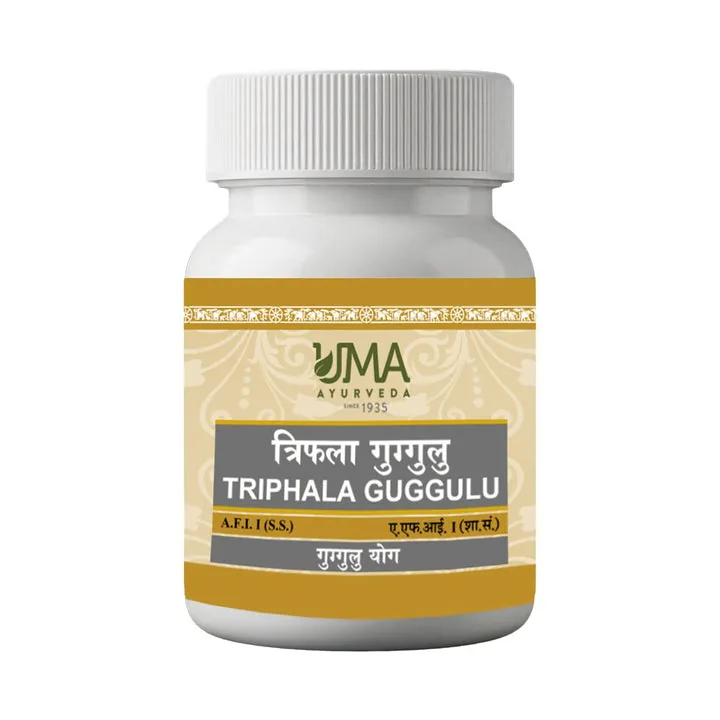
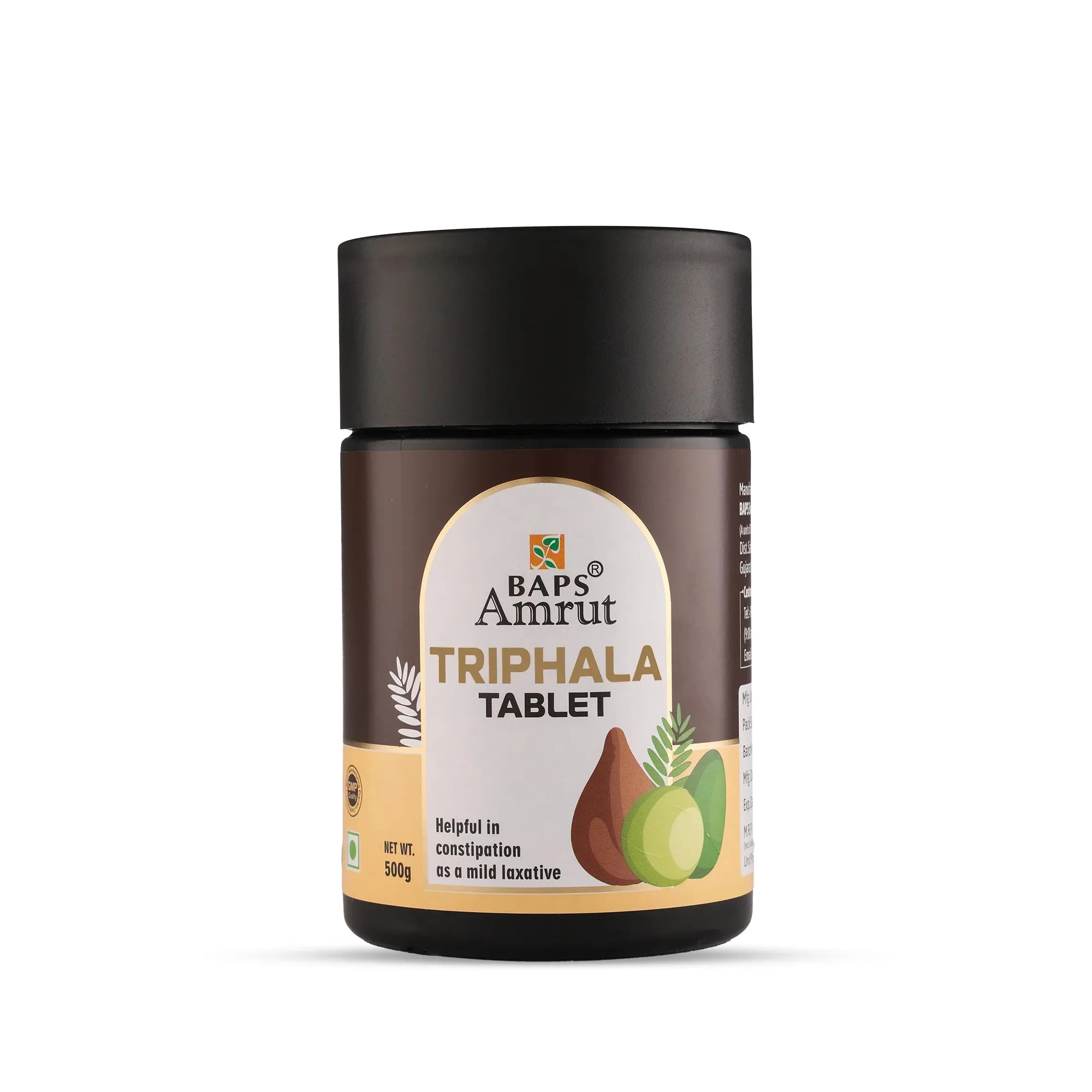
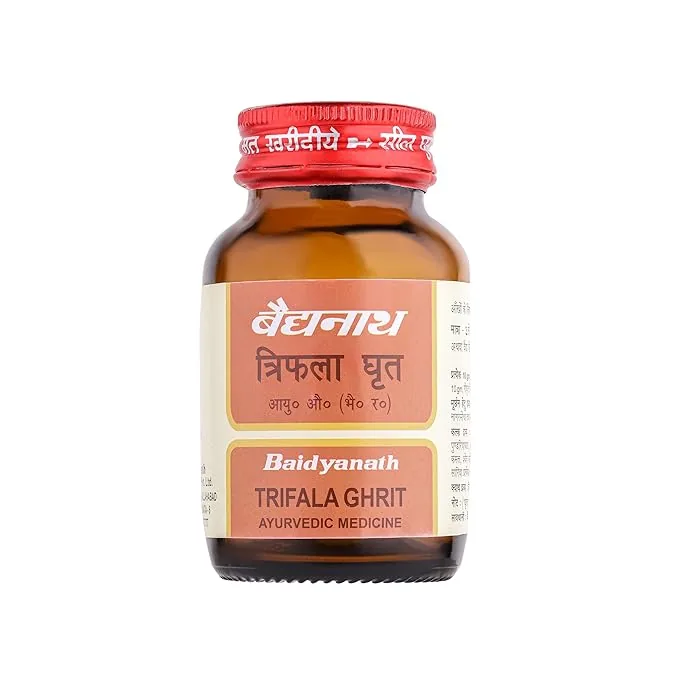
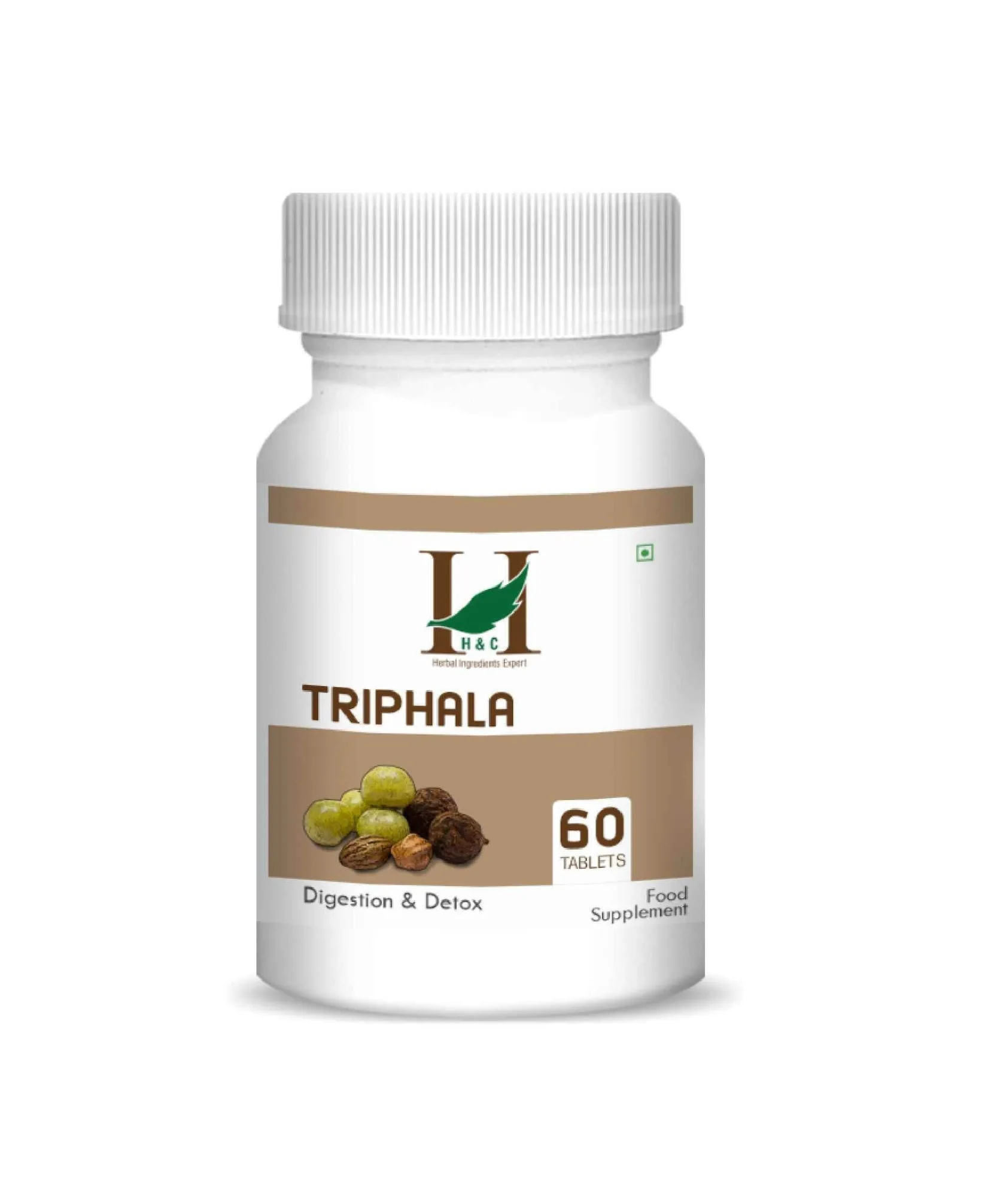
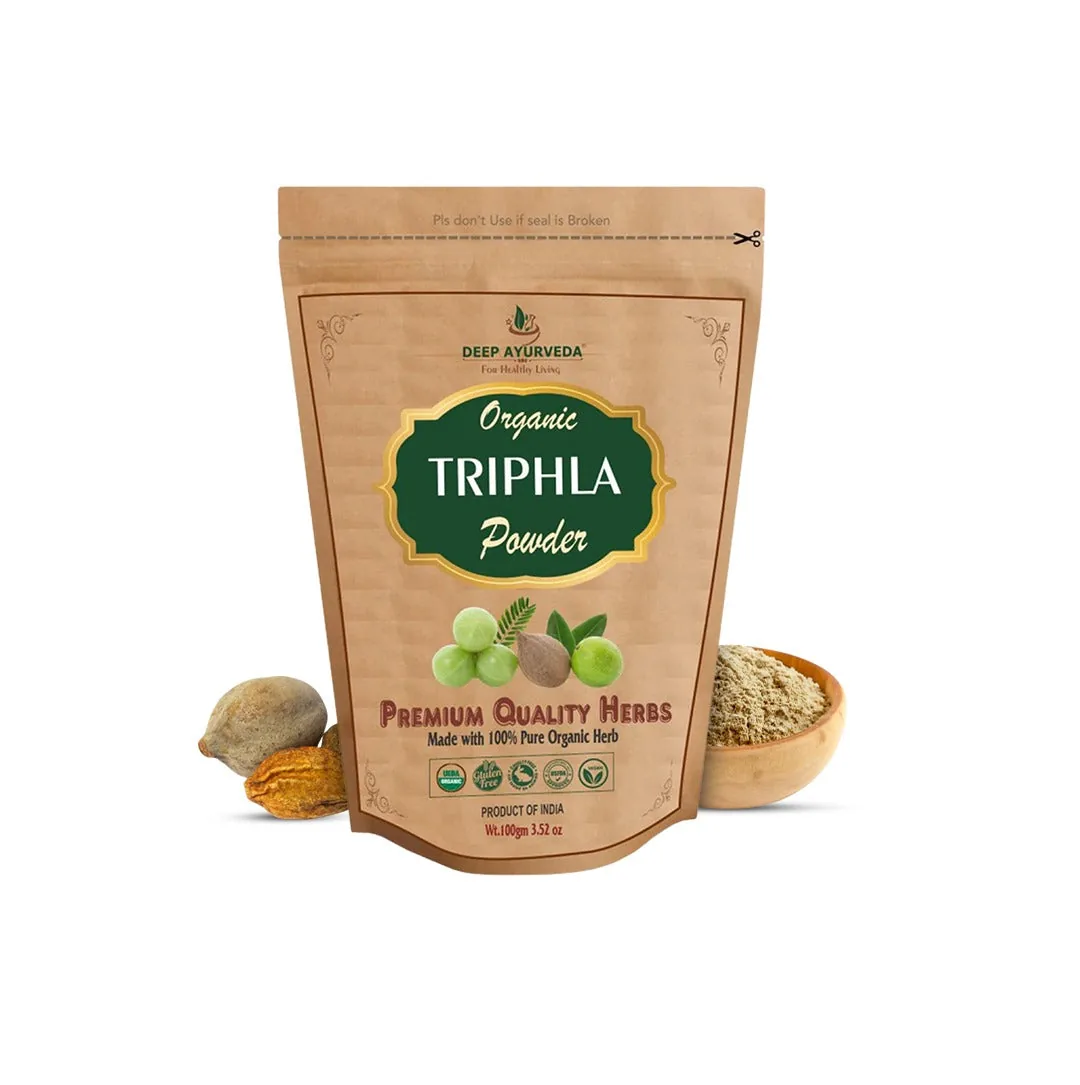
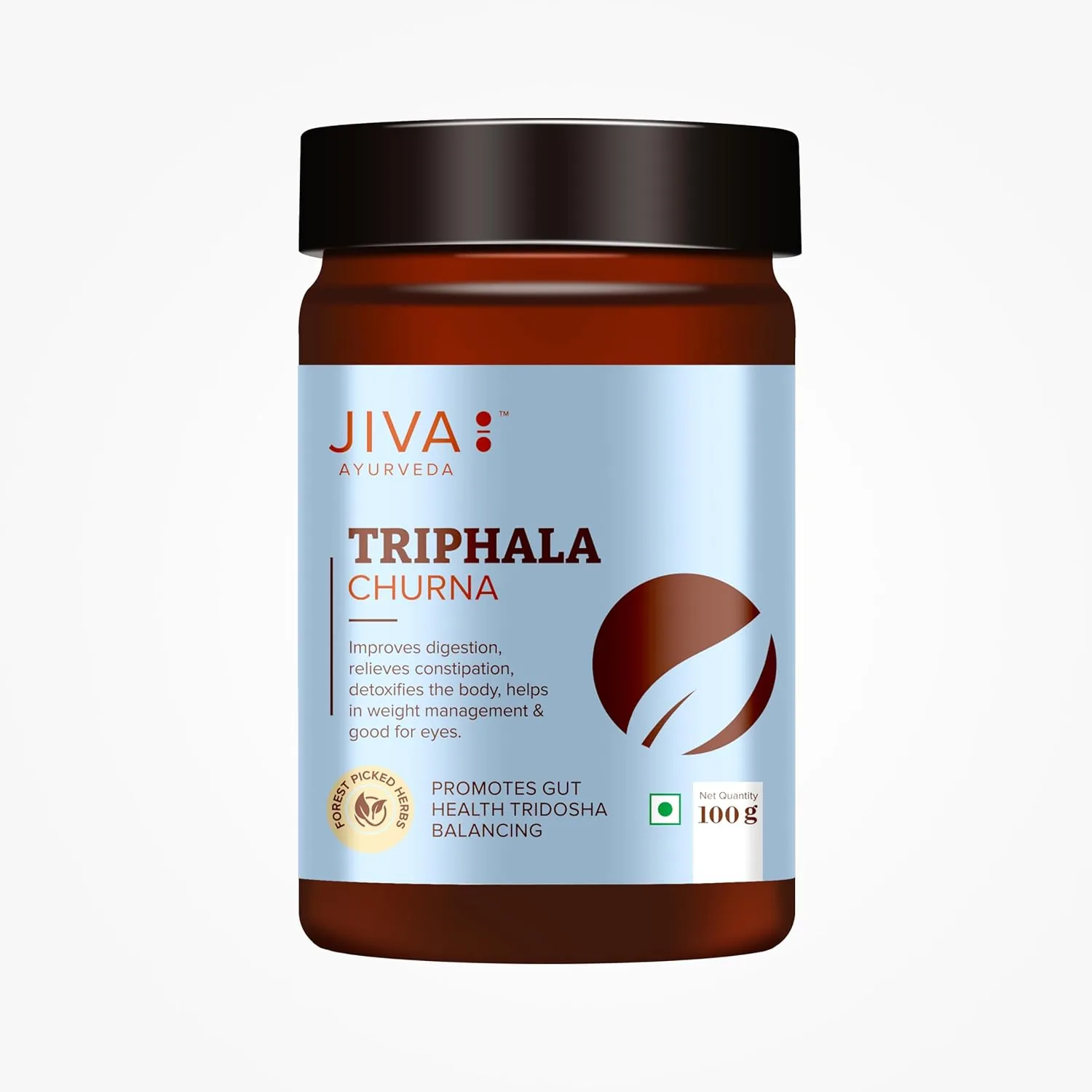
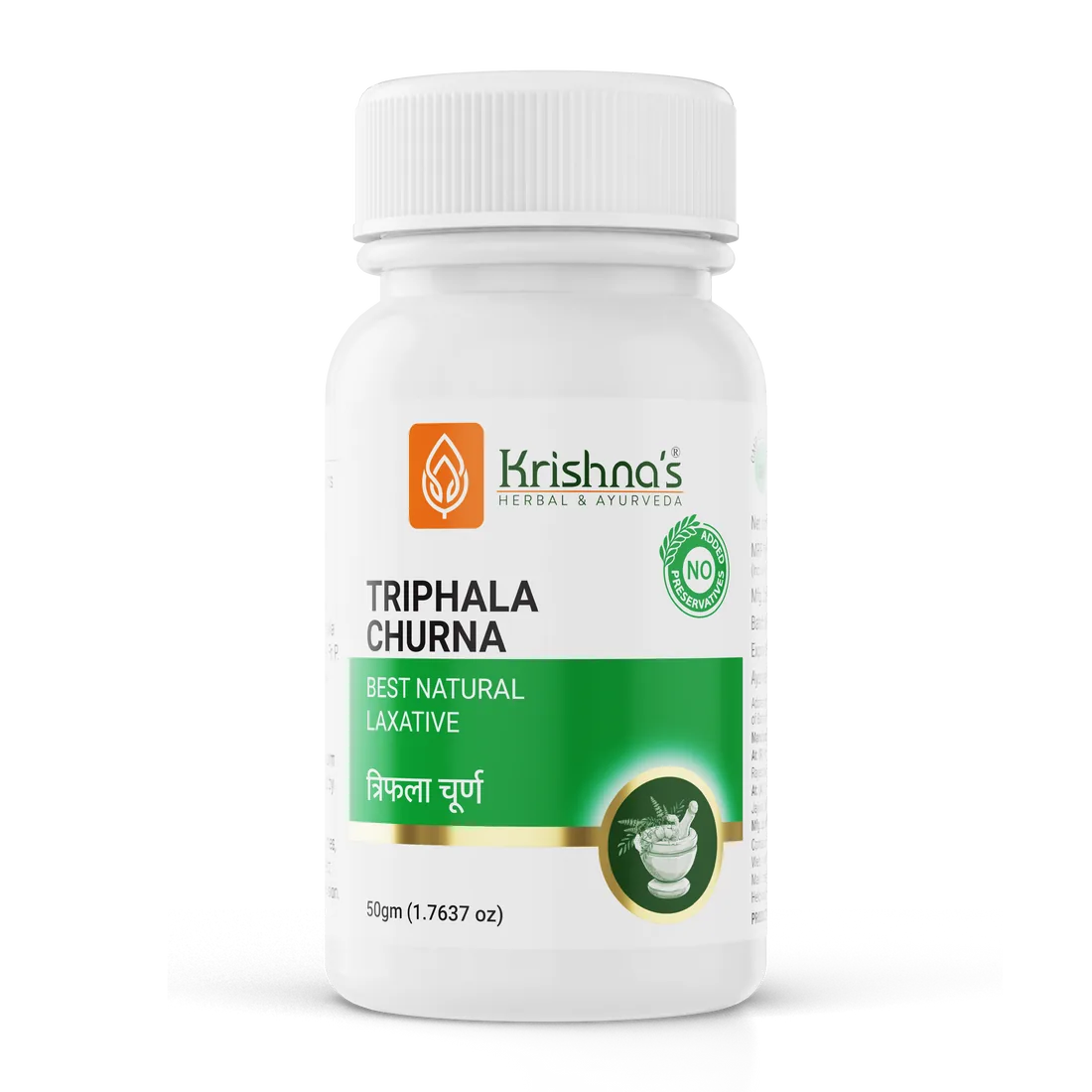
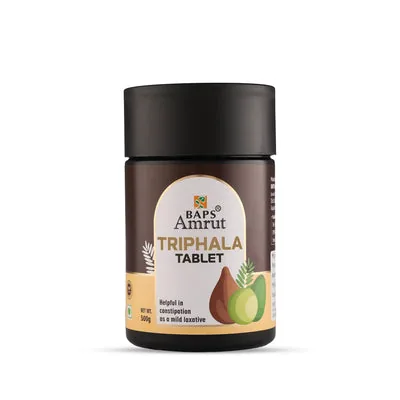
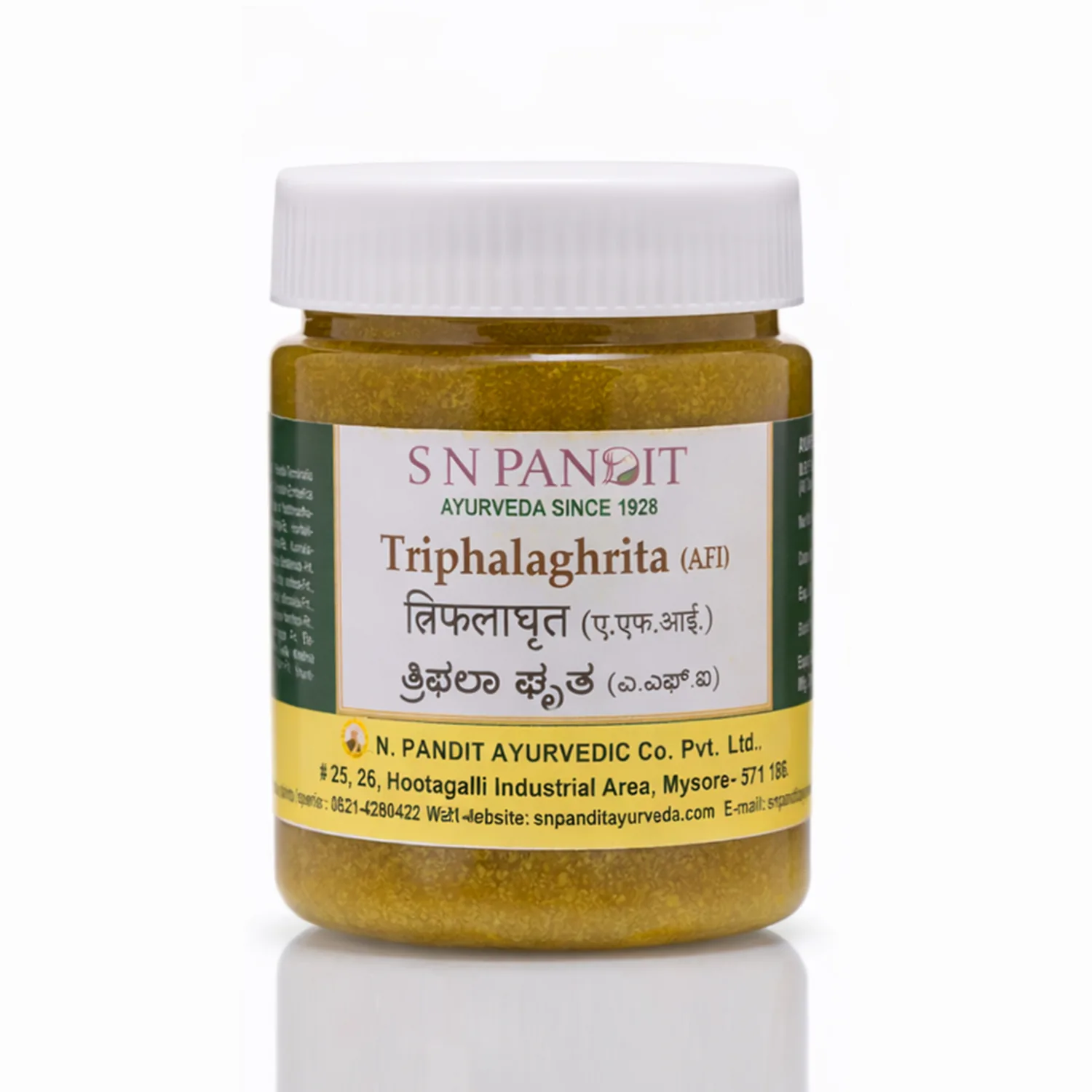
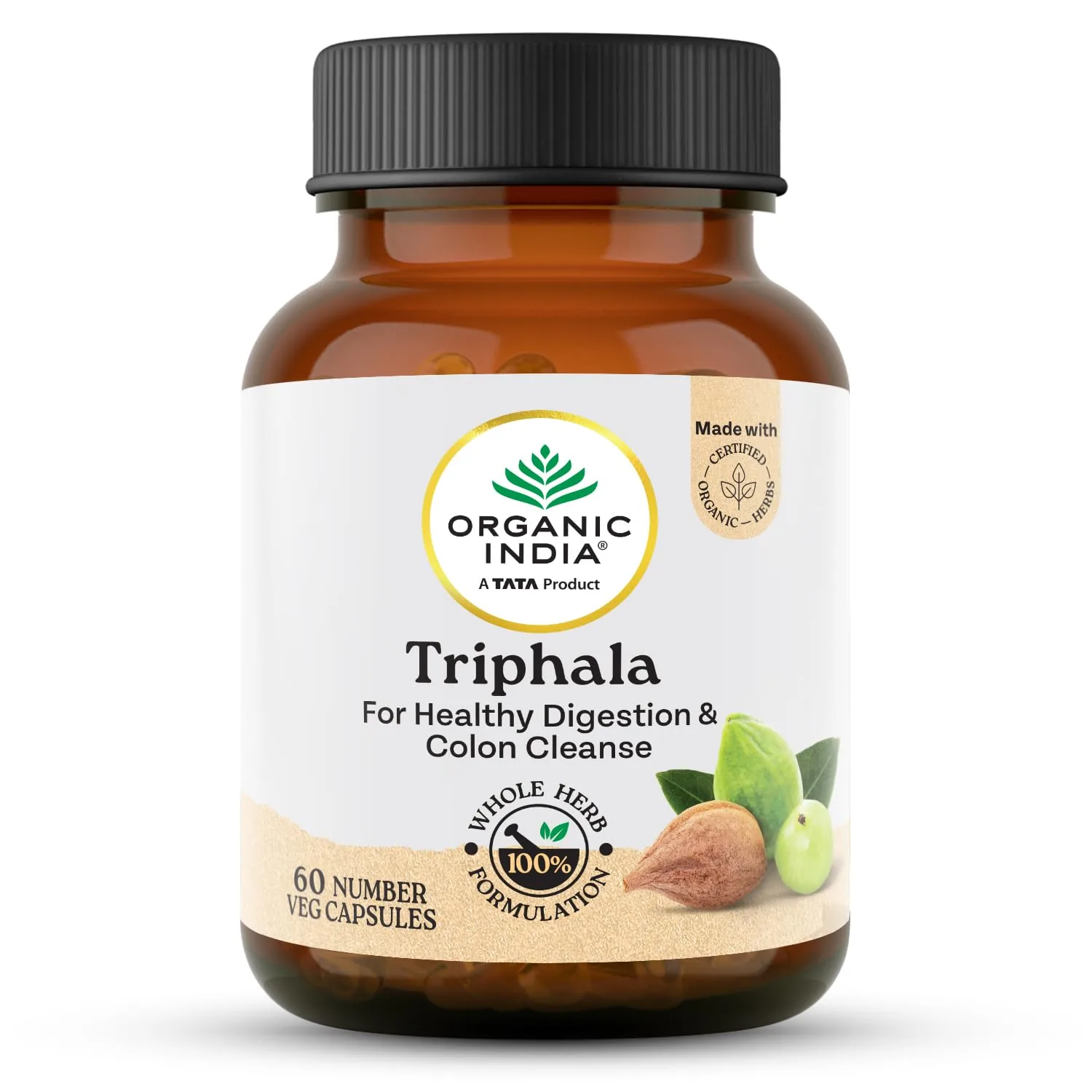
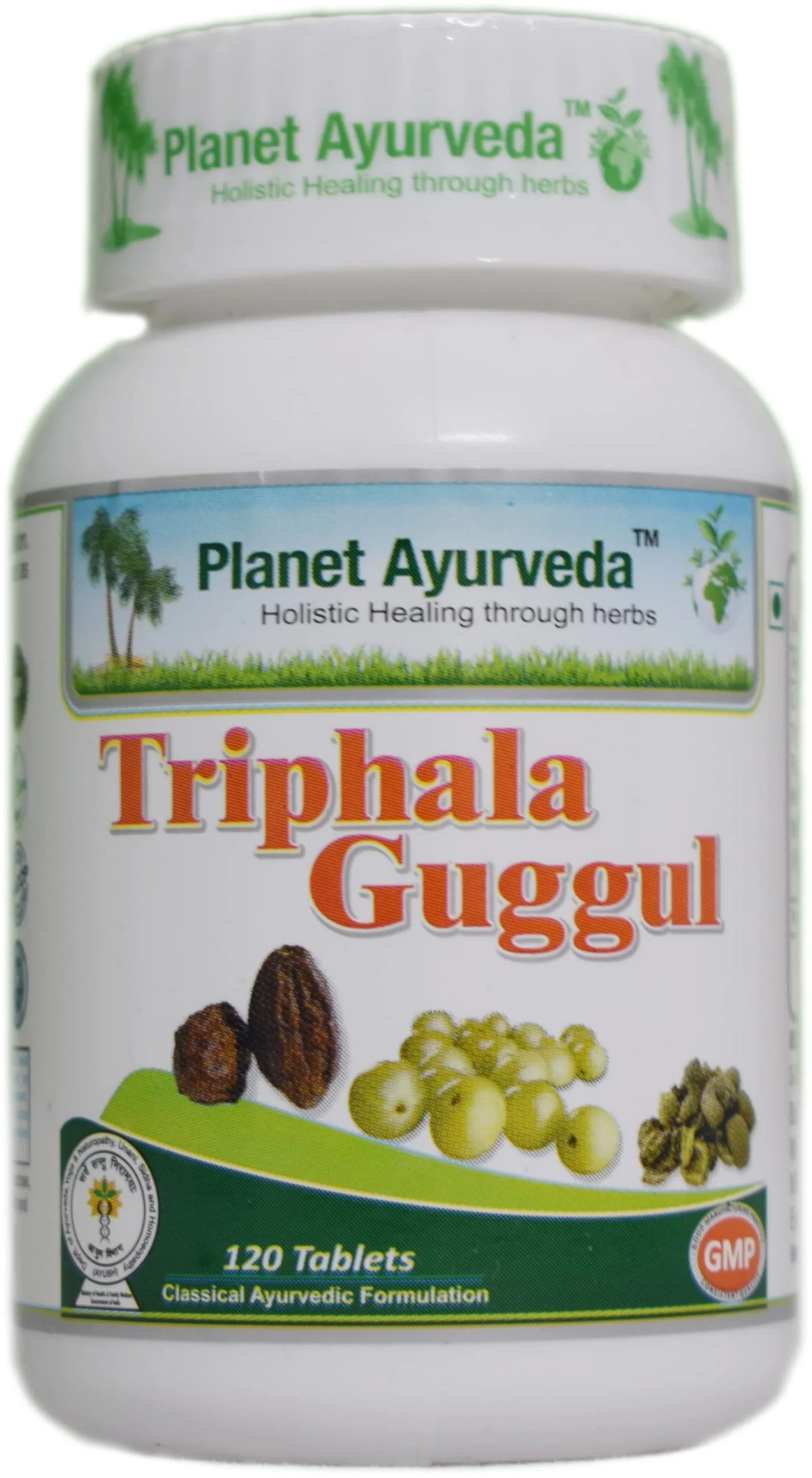
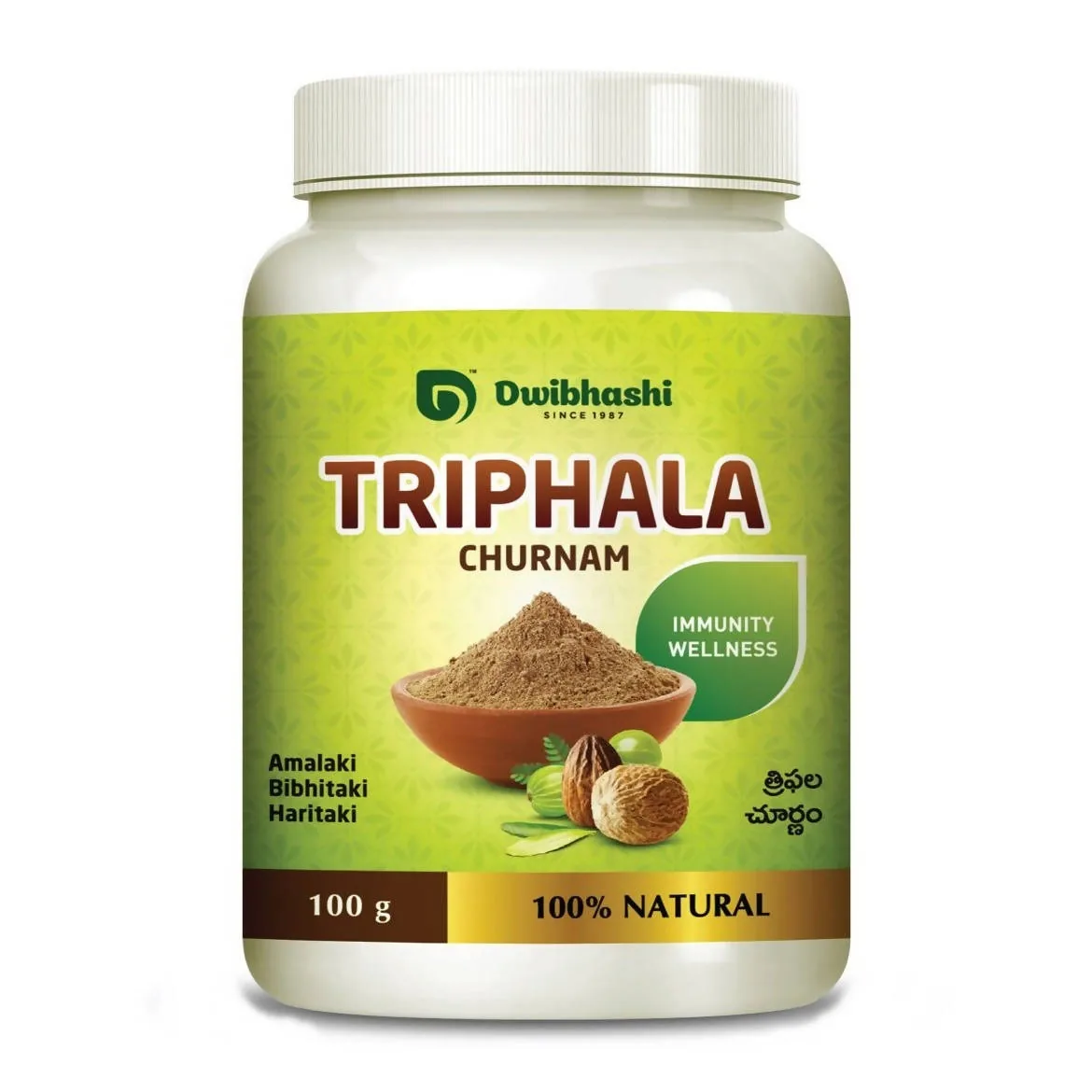
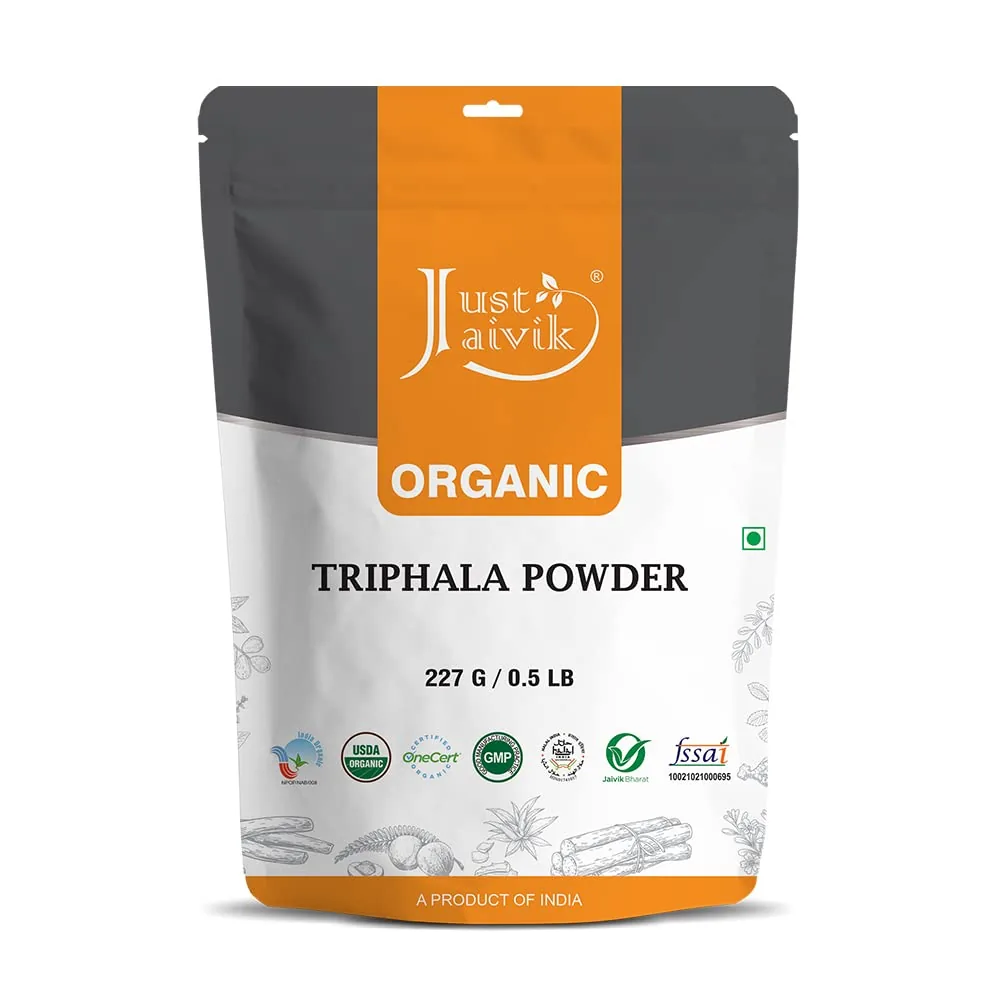
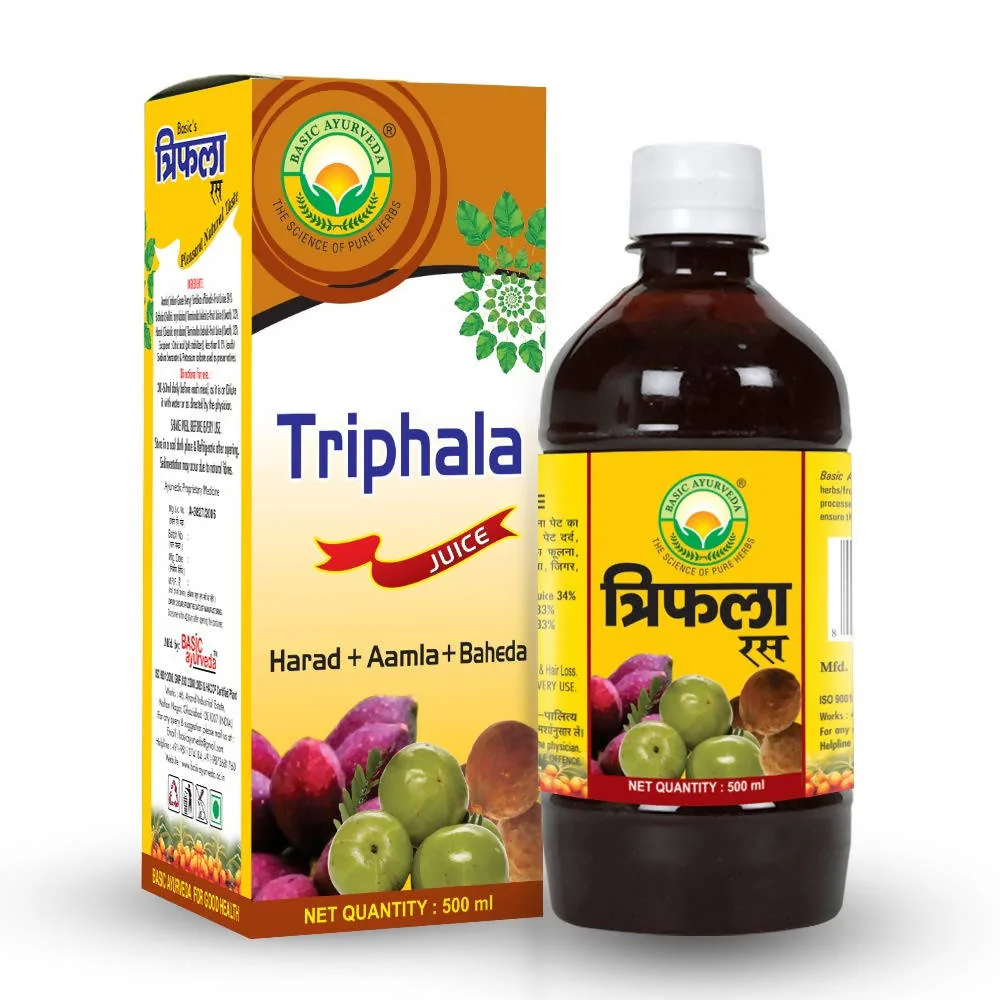
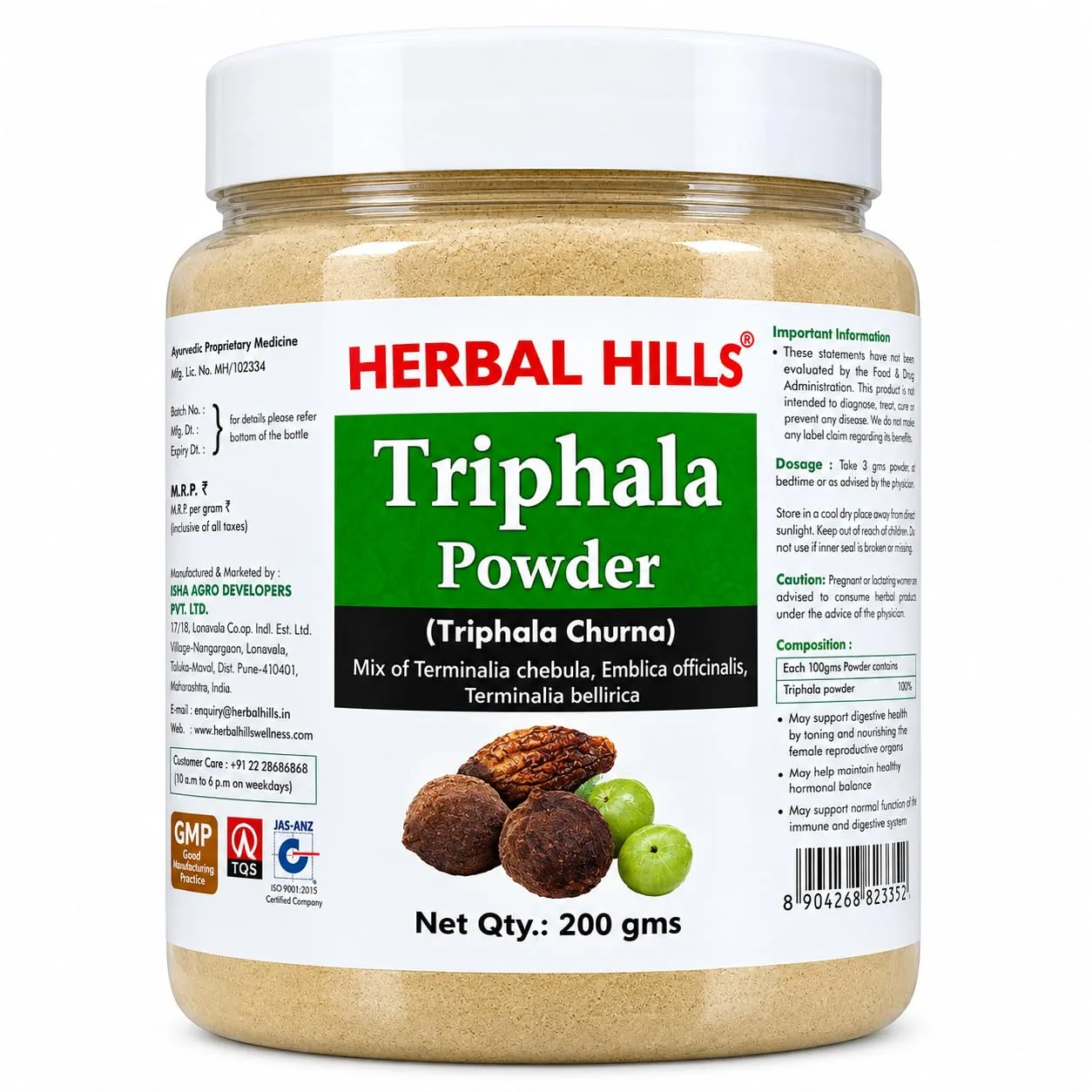
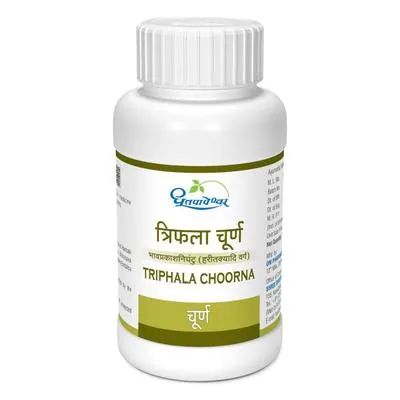
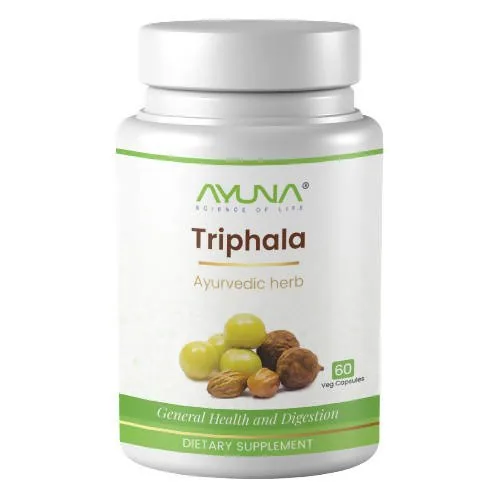
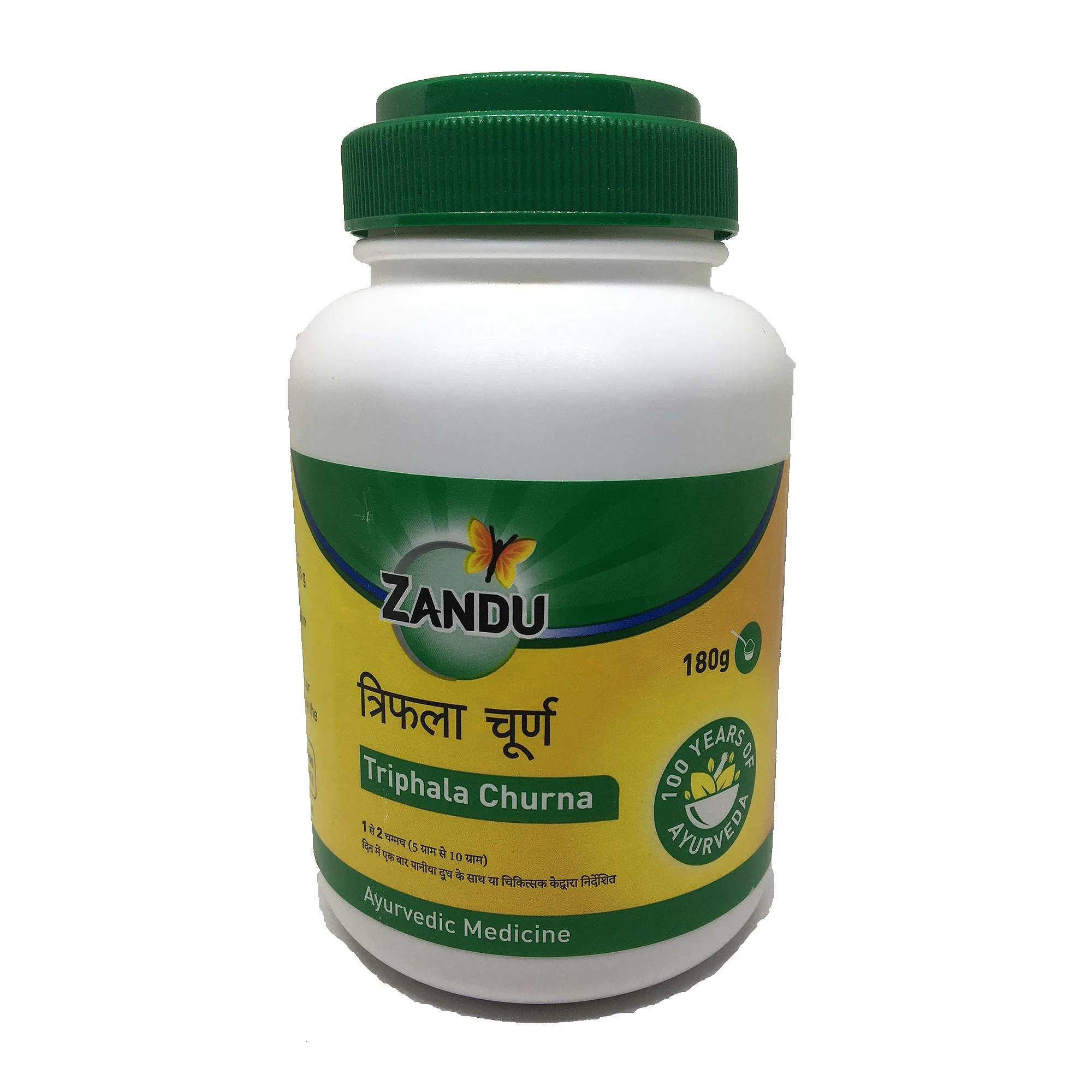
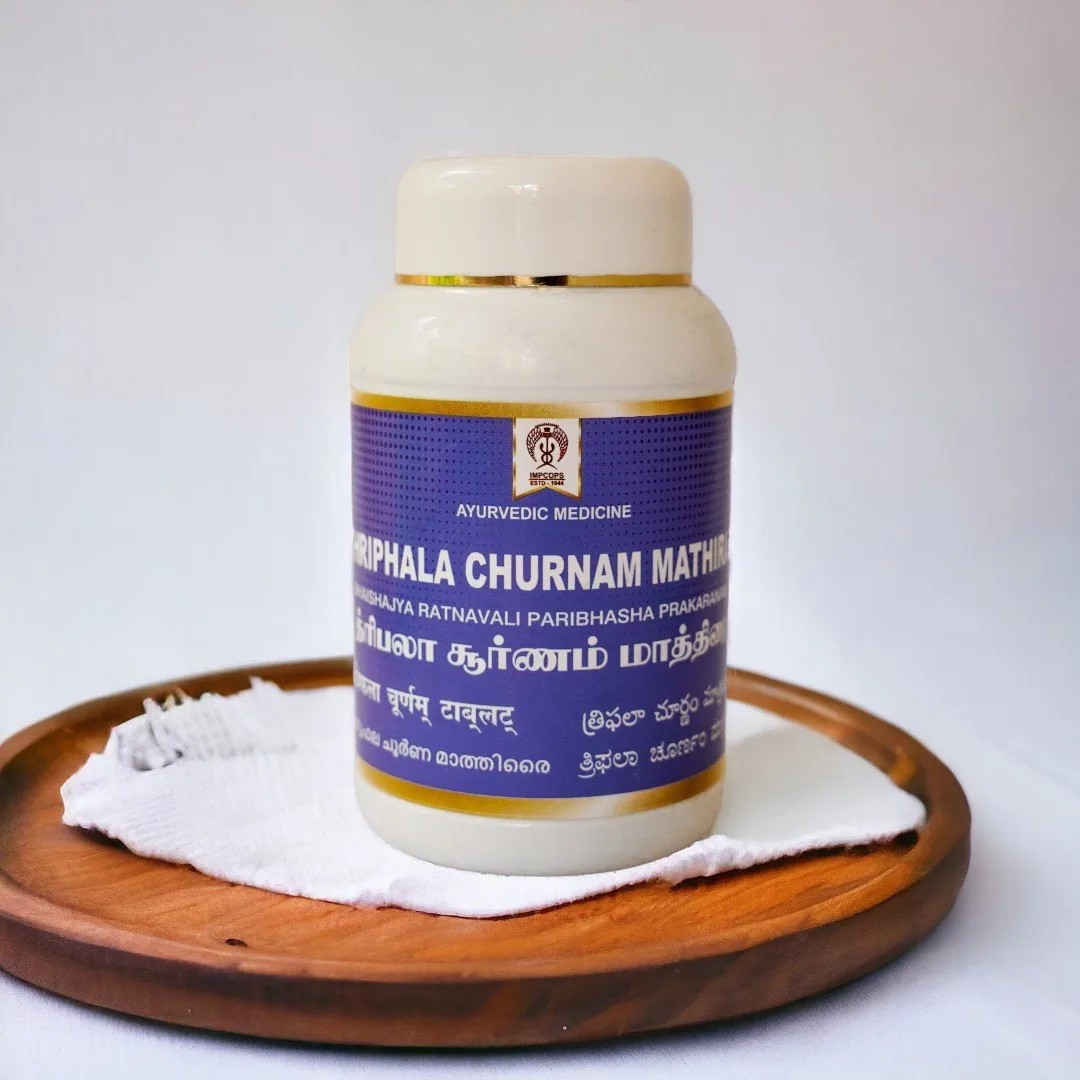
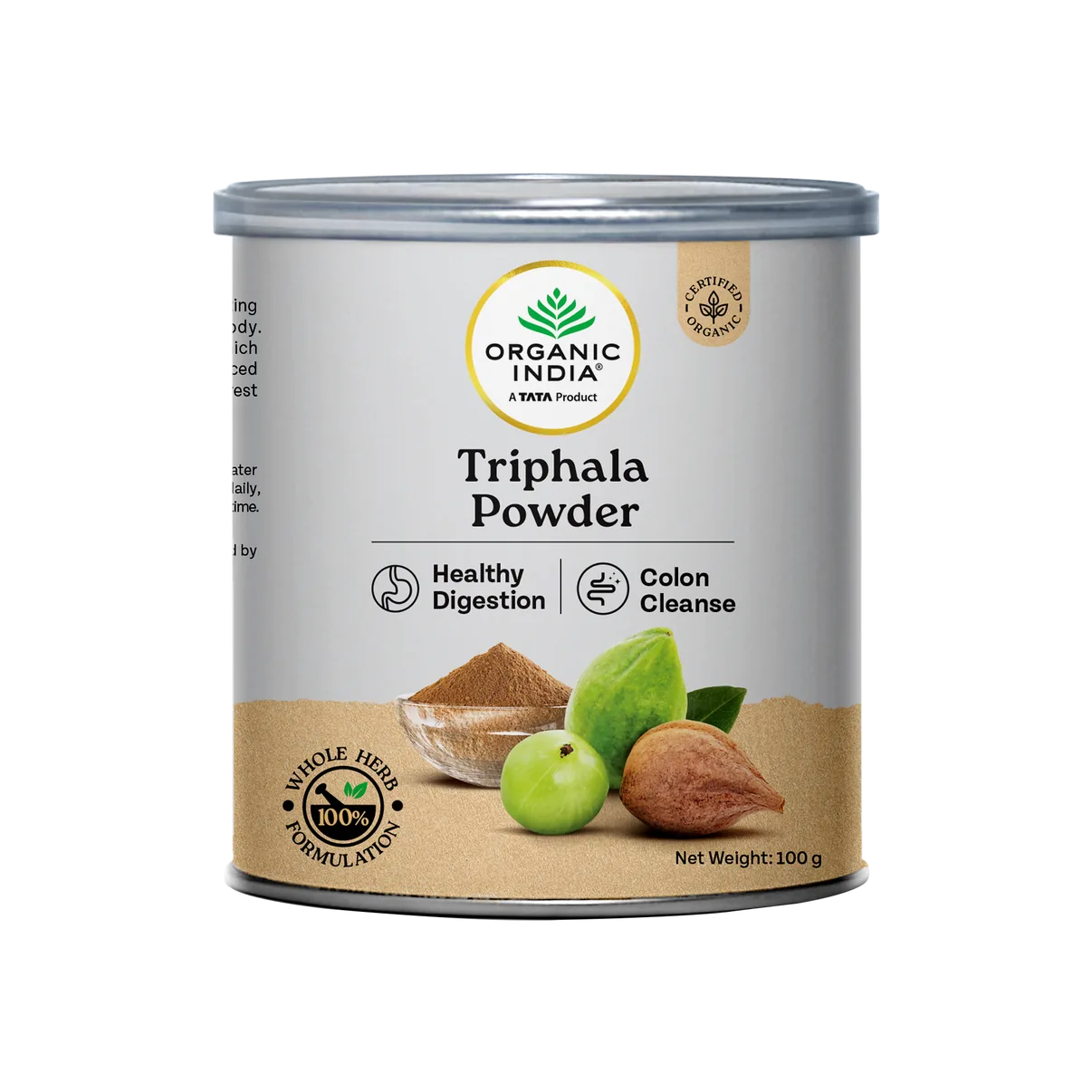
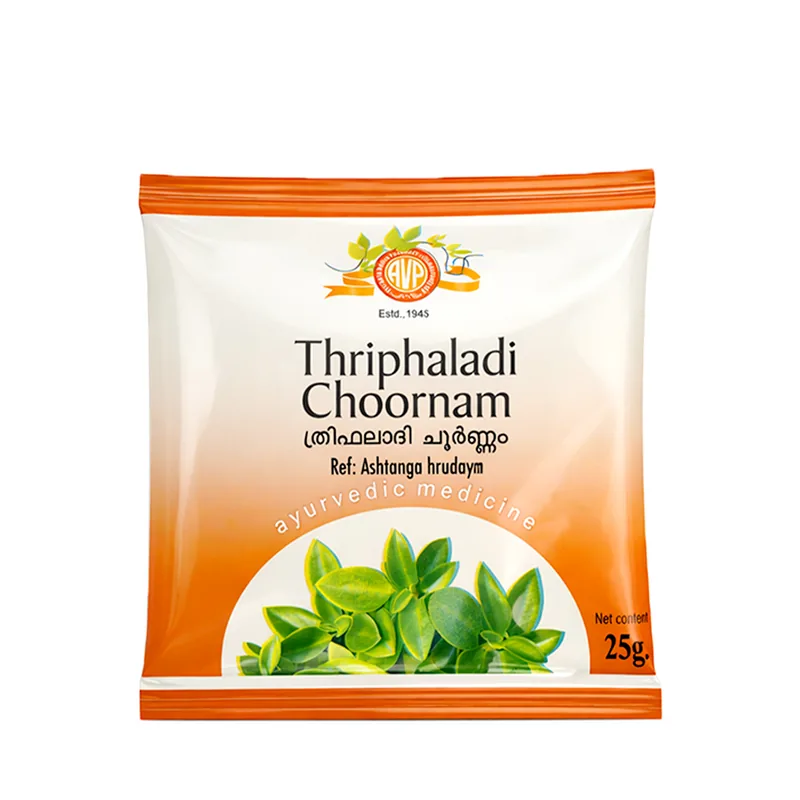
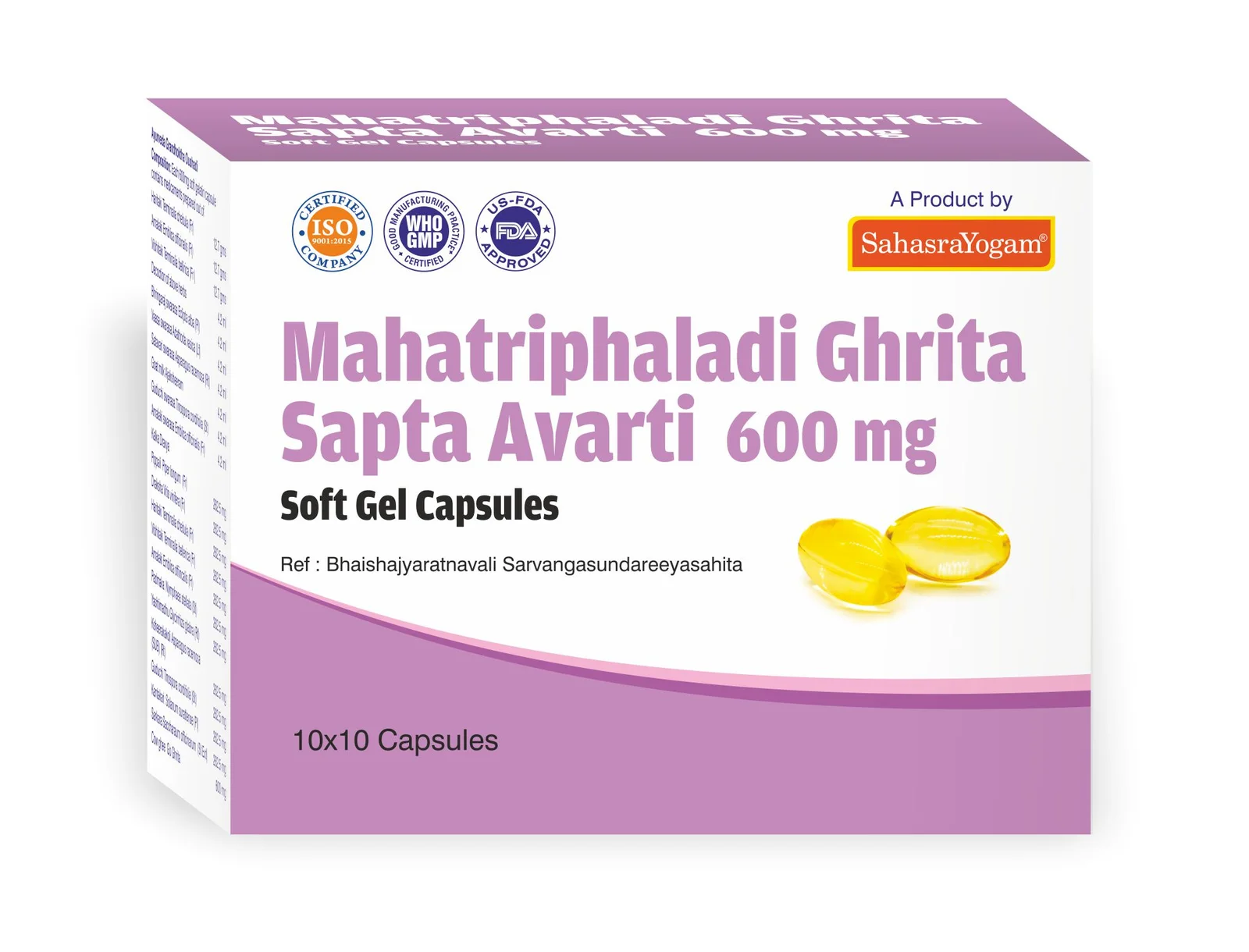
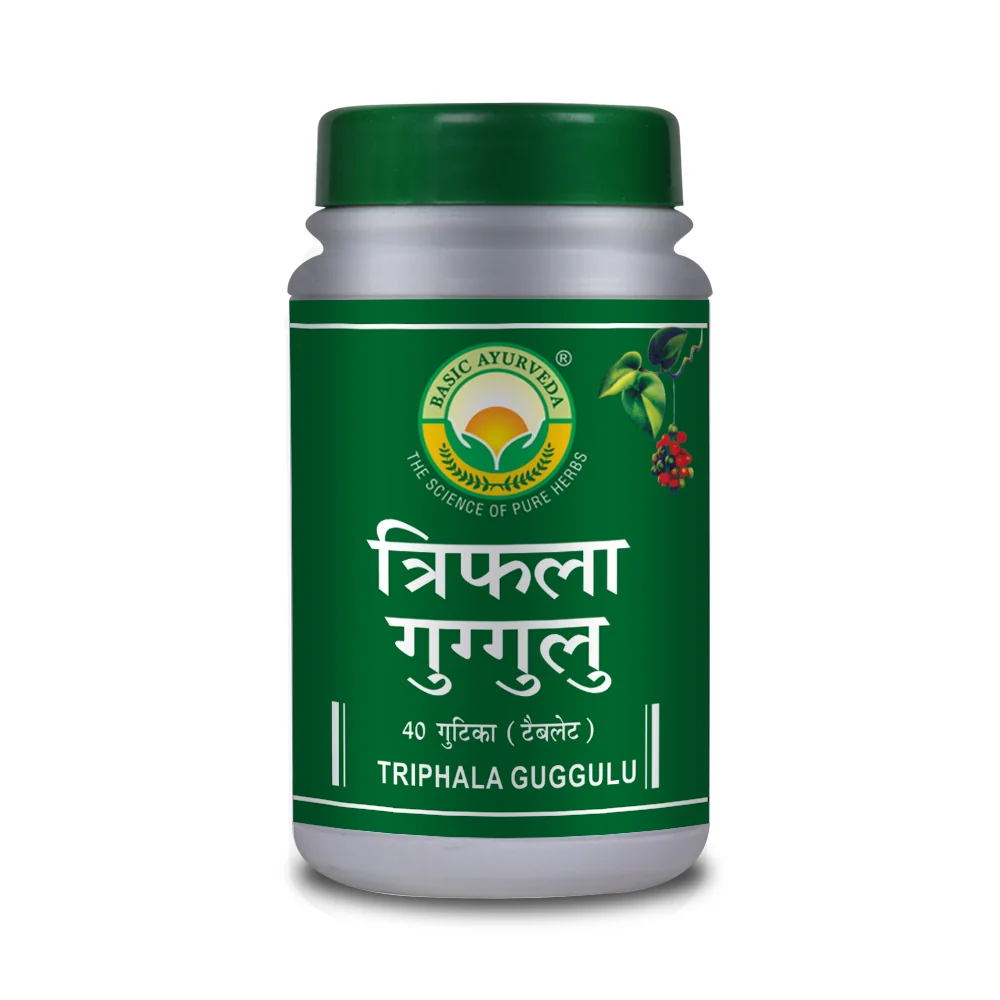
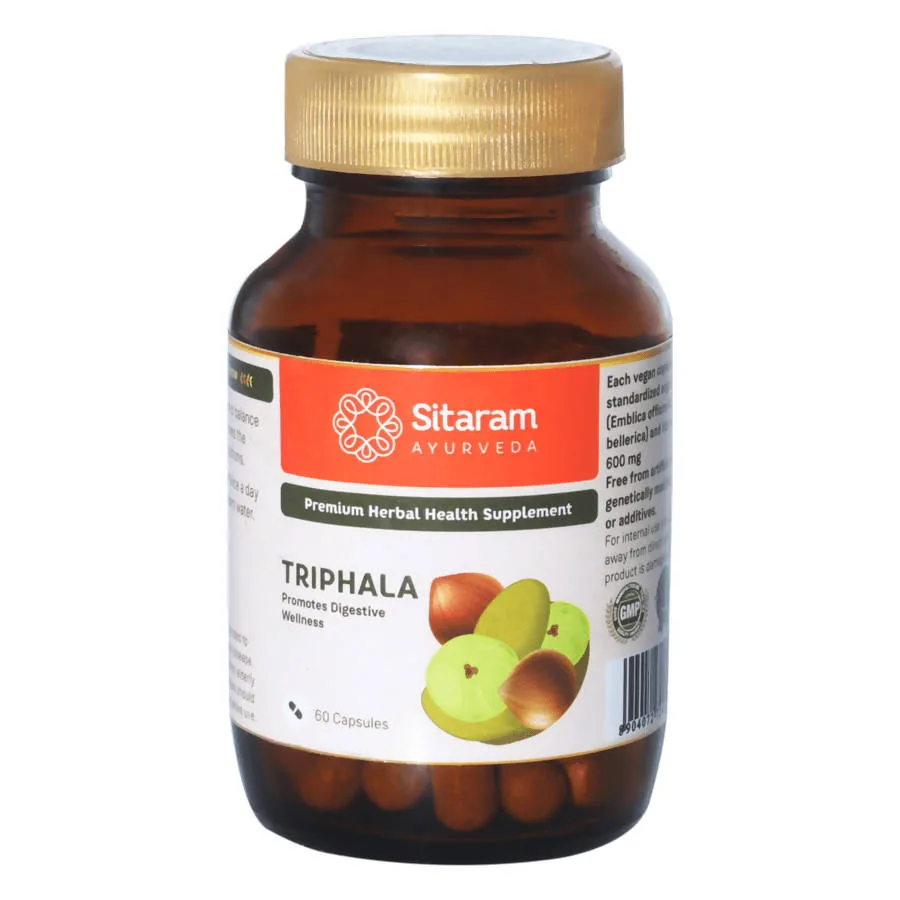
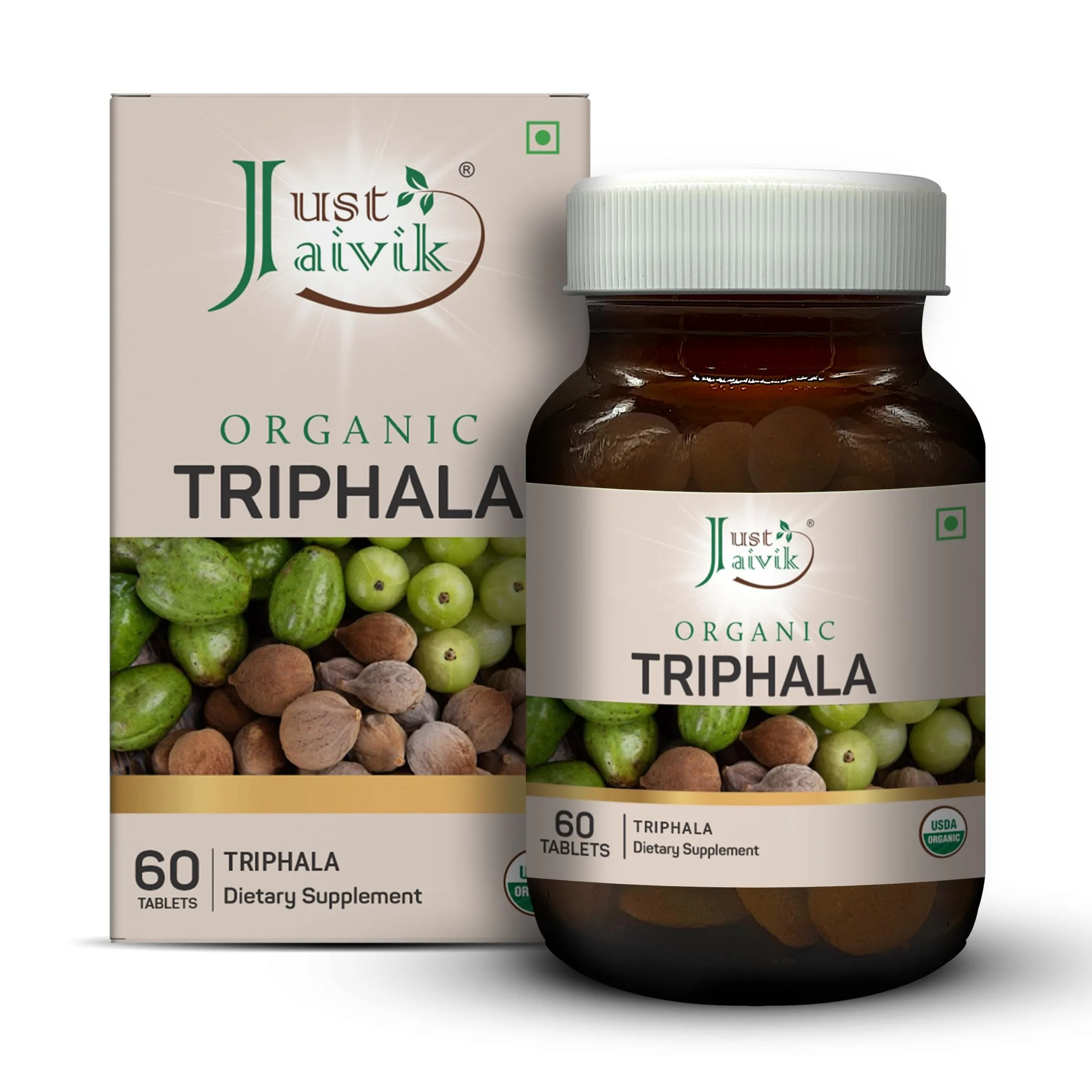
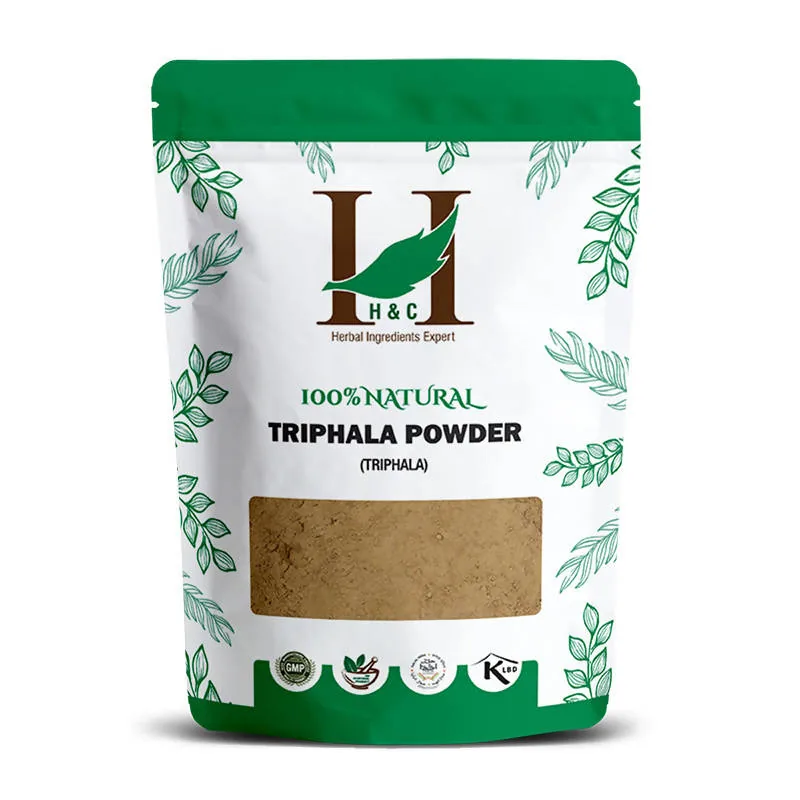
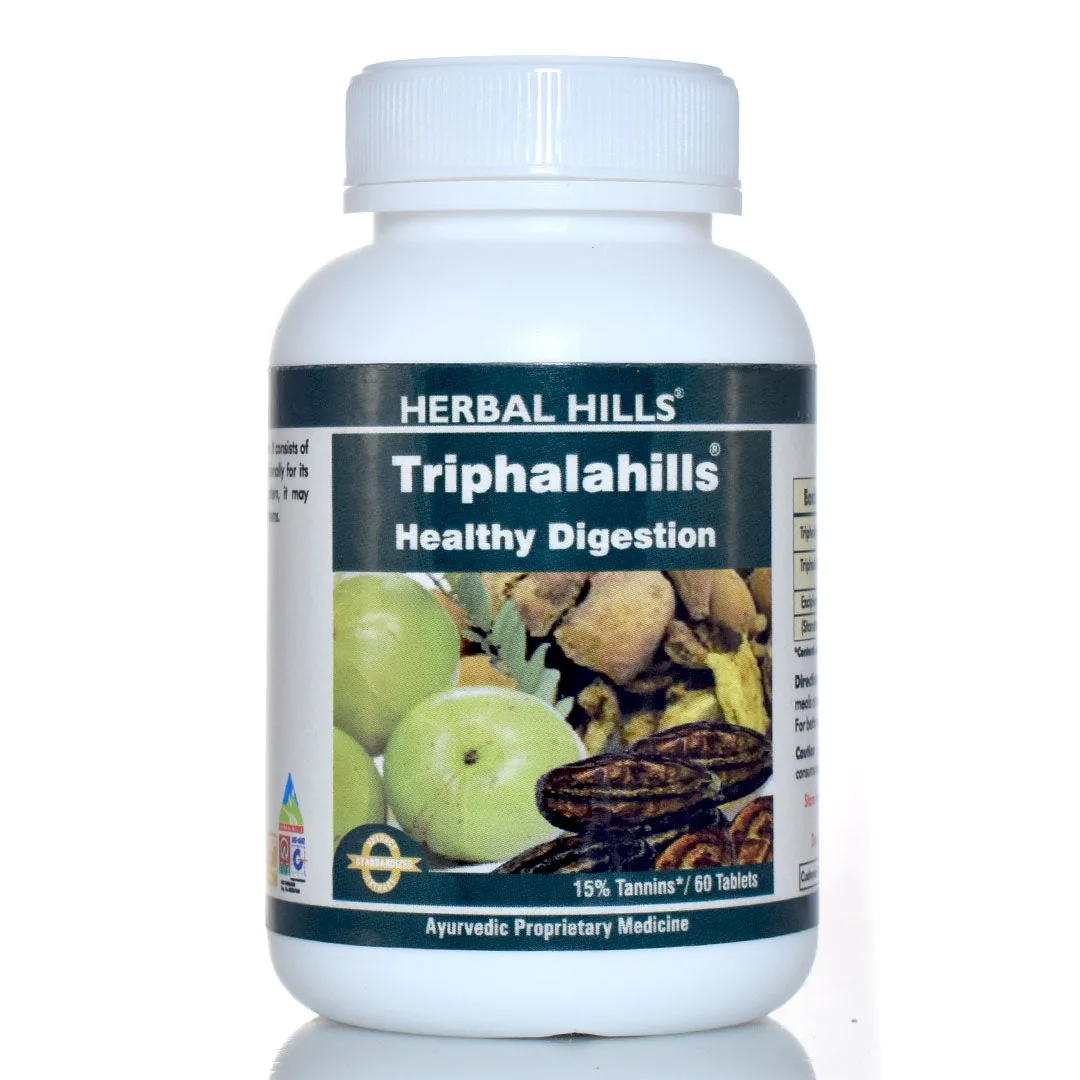
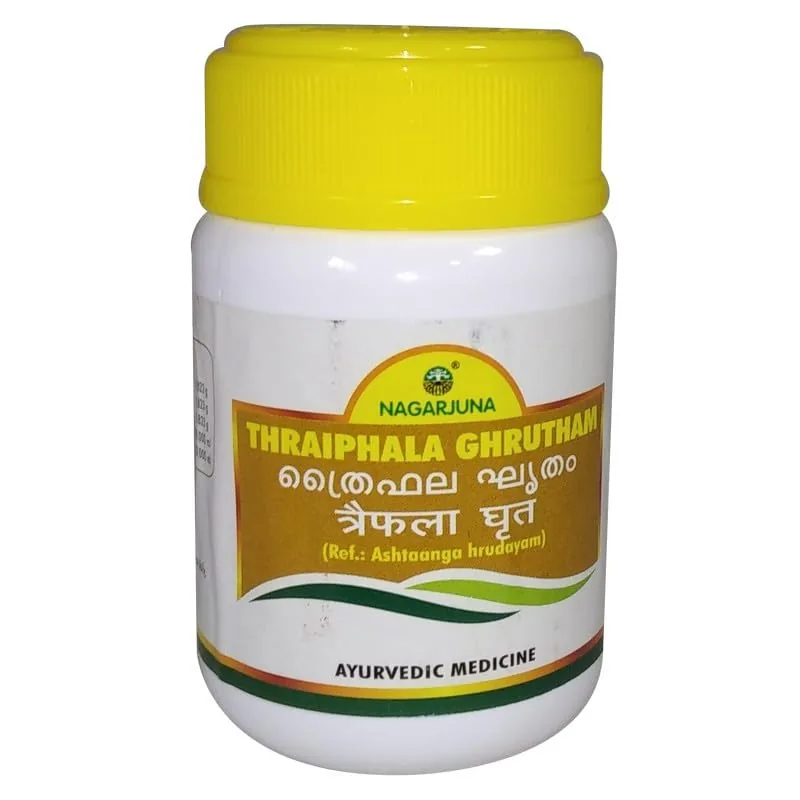
If you're looking to try Triphala yourself, the form you choose can also vary. Triphala is available as a churna, tablets, capsules, and other preparations, so we've included a few options below to make it easier to compare.





Triphala for Constipation: Does It Help?
Triphala may help with constipation by supporting bowel movements and making it easier to pass stool. In Ayurveda, it has traditionally been used for digestive and bowel concerns, and research has also explored its mild laxative effects. However, the evidence specifically for Triphala alone as a treatment for constipation is still limited.
One clinical study did find improvements in people with functional constipation after using an Ayurvedic powder containing triphala, senna, and isabgol. Because all three ingredients were part of the formulation, though, the results cannot tell us how much of the effect came from Triphala itself.
If constipation is the specific issue you're dealing with, you can also look at our guide to Ayurvedic approaches to constipation for a broader look at commonly used ingredients and products.
How Might Triphala Help With Constipation?
If you're considering Triphala for occasional constipation, here are the potential benefits worth knowing about:
May support more regular bowel movements: Triphala has traditionally been used for bowel regularity, and reviews of the available research describe mild laxative activity that may help stool move through the colon.
May make stool easier to pass: Research on Triphala and gastrointestinal health suggests that its effects may include supporting intestinal activity and the passage of stool. However, clinical evidence specifically testing Triphala powder for constipation remains limited.
Contains plant compounds that may support gut health: Triphala contains polyphenols and other phytochemicals, including gallic acid, ellagic acid, and chebulinic acid. Researchers have investigated whether these compounds may influence the gut environment and microbiome.
May influence the gut microbiome: A small randomized, placebo-controlled human study found that four weeks of Triphala supplementation changed the composition of participants' gut microbiota. That's interesting for digestive health, but it does not yet show that these changes relieve constipation.
May support digestive health beyond constipation: Researchers have studied Triphala in connection with several lower gastrointestinal symptoms, although much of the evidence comes from laboratory studies, small clinical trials, or broader reviews rather than large trials of Triphala alone.
So, does Triphala help with constipation?
It may support bowel regularity for some people, but the result might not be the same for all. So we can’t call Triphala a proven treatment or complete cure for chronic constipation. It's also worth remembering that Triphala products can differ in their preparation, concentration, and form, so research on one preparation may not apply directly to every Triphala powder or supplement.
If constipation is persistent, severe, painful, or accompanied by blood in the stool, unexplained weight loss, vomiting, or other concerning symptoms, speak with a healthcare professional rather than relying on an herbal product alone.
How to Take Triphala Powder
There isn't one universal way to take Triphala because products can differ in concentration, preparation, and recommended serving size.
For instance, the current listing for Patanjali Divya Triphala Churna suggests taking 2 to 5 g with lukewarm water, or as directed by a healthcare professional. It also states that the product should be taken under medical supervision, and the recommended dose should not be exceeded.
If you're wondering how to take Triphala powder, here are a few simple rules that might come useful:
Start with the directions on your specific product.
Use the measuring spoon or quantity recommended on the label.
Mix the powder with the liquid recommended by the manufacturer.
Don't increase the dose simply because you want faster results.
Pay attention to how your body responds.
Different Triphala powders are not necessarily identical, so copying the dosage from another product is not a good idea.
What Is the Best Way to Use Triphala Powder?
The answer depends on why you are using it.
If your goal is general Ayurvedic use, follow the directions supplied with your product.
If you're using it specifically because you have constipation, don't keep increasing the quantity if the initial amount does not work. Higher amounts can also increase the chance of gastrointestinal discomfort.
And if you're using Triphala alongside prescription medicines or for an existing health condition, it is worth checking with a healthcare professional first.
The goal should be to use the smallest appropriate amount according to the product directions, rather than assuming that a larger serving will provide greater benefits.
When Is the Best Time to Take Triphala Churna?
You may see recommendations to take Triphala at bedtime or first thing in the morning. But, honestly, there is no single scientifically established "best time" that applies to everyone or every Triphala product.
Some traditional routines use Triphala in the evening, particularly when it is being taken for bowel regularity. Other products may provide their directions.
For that reason, the most useful answer would be to follow the instructions for the formulation you are using.
If you are taking Triphala specifically for constipation, some people may prefer an evening routine, but individual tolerance matters more than following a fixed recommendation.
Organic Triphala Powder: Does It Matter?
Organic certification can tell you something about the production standards used for the ingredients. It does not, however, automatically mean that the powder is more effective for constipation or provides greater health benefits.
When comparing an organic Triphala powder, look at:
Whether the product has a recognizable organic certification
The ingredients and their proportions
Whether fillers or other ingredients have been added
Manufacturing and expiry information
Directions for use
Storage instructions
The manufacturer's quality and testing information
The ingredient list and certification are very useful comparison points than simply looking for the word "organic" on the front of the package.
Is Organic Triphala Powder Better Than Regular Triphala?
Not necessarily.
"Organic" describes how an ingredient is produced and certified. It does not by itself establish that the finished Triphala powder will work better.
If organic sourcing is important to you, choose a product with clear certification and transparent ingredient information. If it isn't a priority, focus on the formulation, quality, directions, and sourcing instead.
The important thing is to know what you're actually buying.
Does Triphala Have Any Side Effects?
Yes, Triphala can cause side effects, particularly when taken in larger amounts.
Because Triphala can affect the gastrointestinal tract, some people may experience:
Loose stools
Diarrhea
Abdominal discomfort
Stomach cramps
Changes in bowel frequency
The likelihood of these effects can depend on the amount taken and the individual.
A small Phase I clinical trial gave 20 healthy volunteers an aqueous Triphala extract at 2,500 mg per day for four weeks and reported no serious adverse effects. However, that was a small study involving healthy adults and a specific extract, so it should not be interpreted as proof that every Triphala powder or dose is safe for everyone.
This is an important distinction when considering the side effects of Triphala powder.
Who Should Be Careful With Triphala?
It is worth speaking with a healthcare professional before using Triphala if you:
Take prescription medicines
Have diabetes or problems with blood sugar
Have a chronic gastrointestinal condition
Are pregnant or breastfeeding
Are preparing for surgery
Are giving Triphala to a child
Have another medical condition requiring regular treatment
Herbal products can have interactions with medicines, and the safety of a supplement depends on the specific product, dose, and individual circumstances. NCCIH also notes that the safety of many herbal products is not fully understood and that product quality and contamination can be concerns with some supplements.
If you're already taking medication, it is better to check before adding Triphala rather than trying to work around possible interactions yourself.
How to Choose a Triphala Powder
If you're comparing products and searching for the best Triphala powder, don't judge them by the number of benefits listed on the label.
Instead, look at the basics.
Check the three fruits
A traditional Triphala formulation contains amla, haritaki, and bibhitaki. Check that all three appear in the ingredient list.
Look at the proportions
The three ingredients may not always be present in identical proportions. If a product states the ratio, check it before buying.
Check for additional ingredients
A simple Triphala powder may contain only the three fruit powders, while other formulations can contain additional herbs or ingredients.
Look for quality information
For organic products, check the certification rather than relying only on the word "organic" in the product name.
Follow the recommended serving
A good product is not one that tells you to take more powder than necessary. Follow the manufacturer's directions.
Triphala Churna vs Triphala Powder: Is There a Difference?
The terms are often used interchangeably.
Churna is a traditional Ayurvedic term for a powdered herbal preparation. So when you see "Triphala churna" and "Triphala powder," both may refer to powdered Triphala.
The more important question is what is actually inside the product.
Check the ingredient list, proportions, processing method, and serving instructions rather than assuming two products are identical because they both say "Triphala."
A Simple Way to Think About Triphala
Triphala has a long history in Ayurveda, and modern research has given us some interesting clues about its phytochemicals, digestive effects, and potential metabolic benefits. But the evidence is not equally strong for every claim you may see online.
If you're interested in understanding the effects of using Triphala powder for constipation, start by looking at what actually is in the formulation, how much the product recommends taking, and whether it is appropriate for you. If you're choosing an organic Triphala powder, look beyond the label and check its certification and ingredient information.
Triphala can be part of an Ayurvedic wellness routine, but it is not a substitute for medical treatment for ongoing or diagnosed health problems.
If you'd like to try it, you can compare organic Triphala powders and other Ayurvedic options available through The Desi Food before choosing one that fits your routine.