
9 Types of Millets & What Each One Is For
9 Types of Millets & What Each One Is For
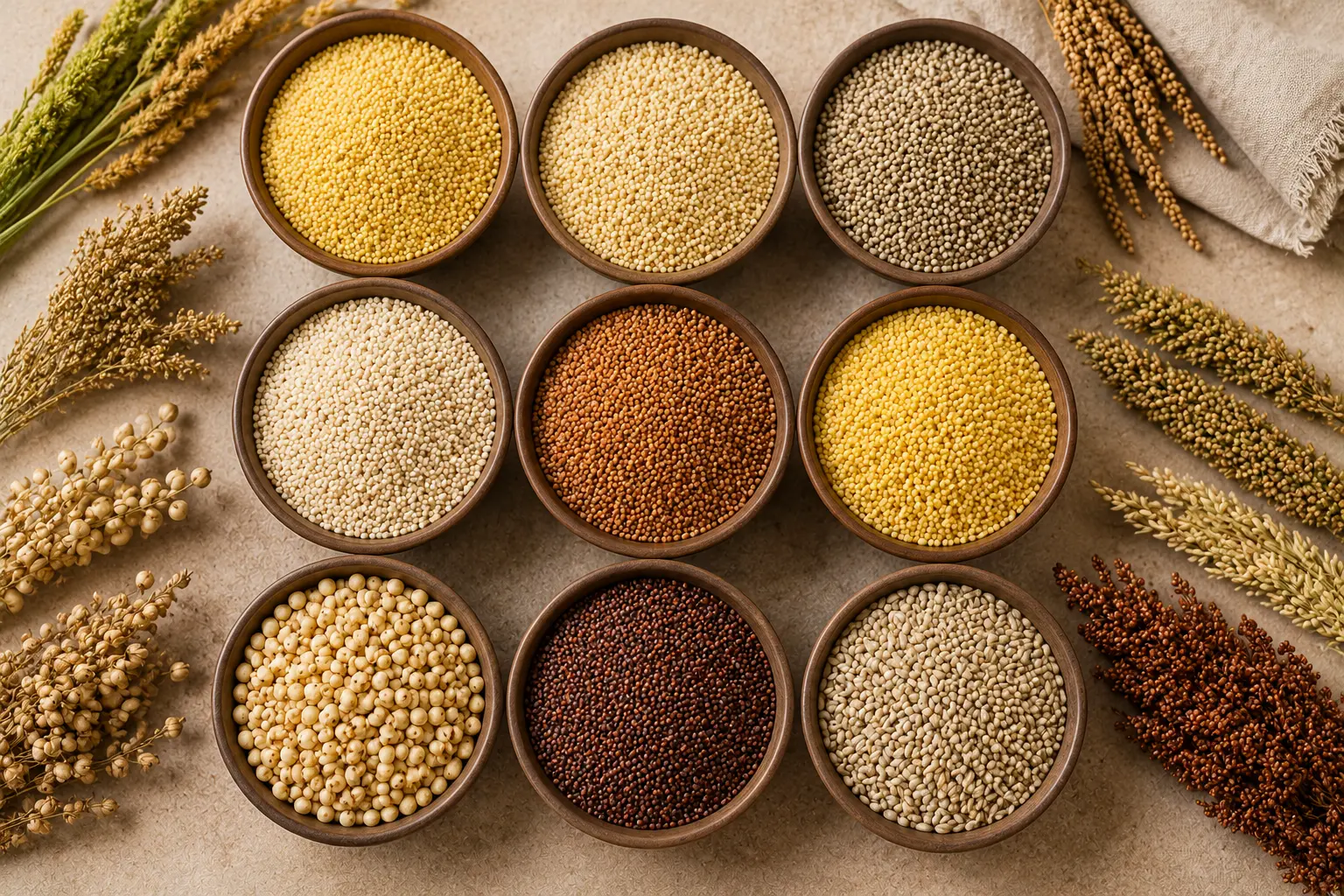
Buy a bag labelled "millet" in a Western supermarket and you will get one grain. Walk into an Indian grocery and you will find eight or nine, each with a different name in every state, none of which appears on the front of the pack in English.
They are not interchangeable. Some cook like rice, some are only ever ground into flour, and they differ in size, hardness, soaking time, and what they are traditionally made into. Buy the wrong one for the dish you had in mind and it will not work, which is how most people conclude they dislike millet.
Here is the full family, sorted the way growers and cooks actually sort it.
Major and Minor Millets
The first split is by grain size, and it is the reason the group feels so inconsistent.
Major millets are the large-grained, widely farmed ones: pearl millet (bajra), finger millet (ragi), and sorghum (jowar). These are staple crops grown at scale, and in Indian kitchens they are almost always milled into flour rather than boiled whole.
Minor millets, also called small millets, are the tiny-grained varieties: foxtail, little, kodo, barnyard, browntop, and proso. These are the ones you cook like rice. Small does not mean lesser; it refers only to grain size and area under cultivation.
Why the names are so confusing
A single millet can carry six or seven names. Foxtail millet is thinai in Tamil, kangni in Hindi, korra in Telugu, and navane in Kannada, and a pack made for export may print all four alongside the English. Packs made for the Indian market often print only the regional name, so a bag of varagu and a bag of kodo millet are the same grain.
Two habits make this manageable. Read the Latin name if one is printed, since that never changes. And when a pack says only "millet" with no variety at all, assume proso, which is the default in Western retail.
1. Foxtail millet
-500-g-1.webp)
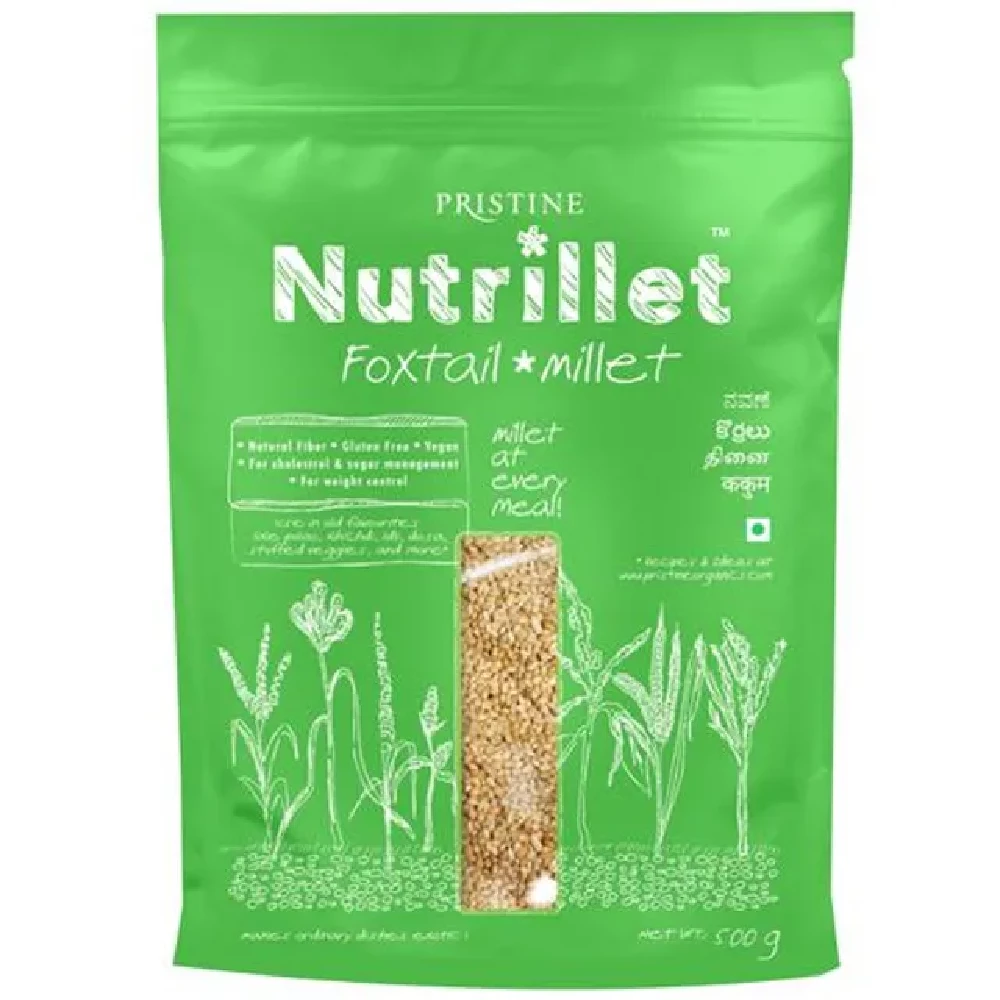

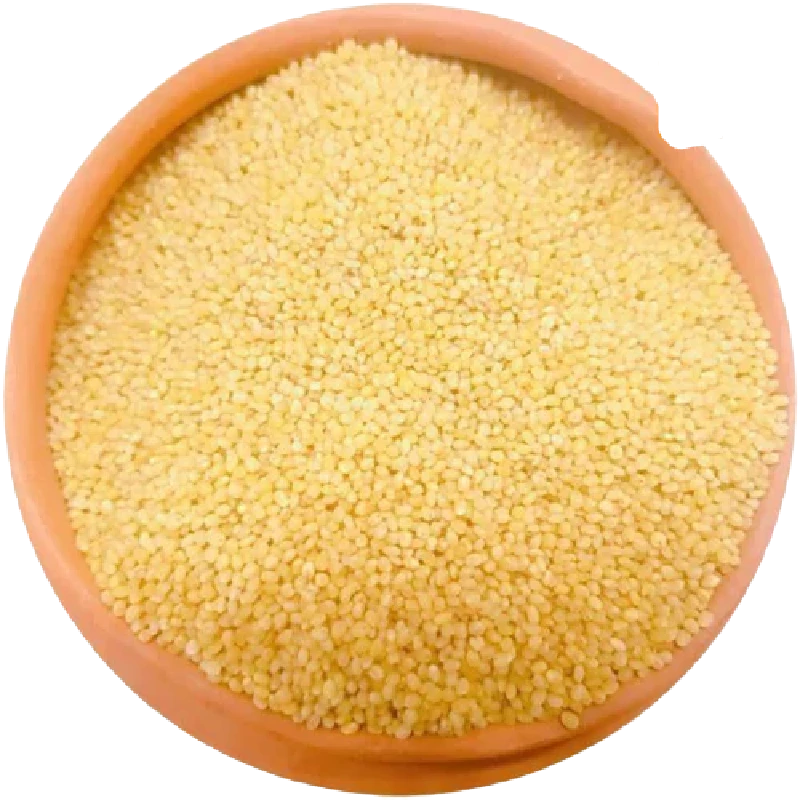
Explore foxtail millet from Indian brands
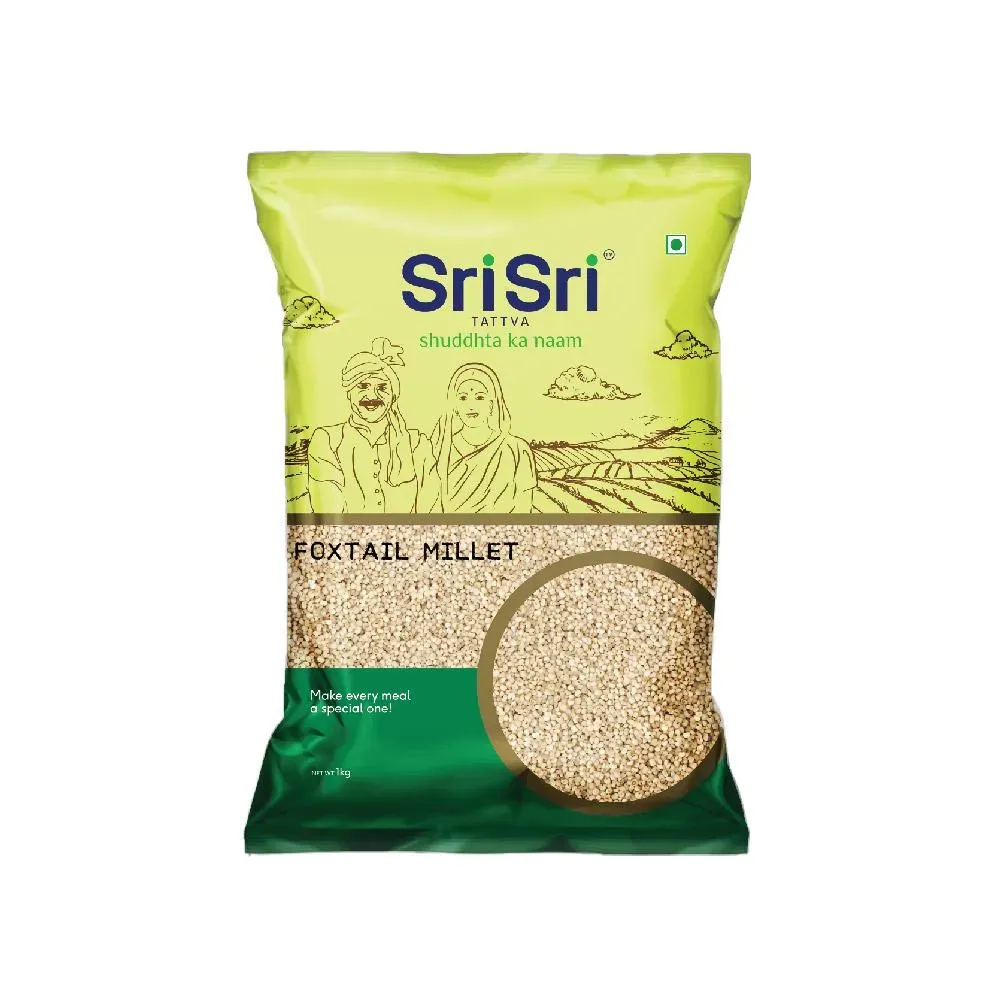
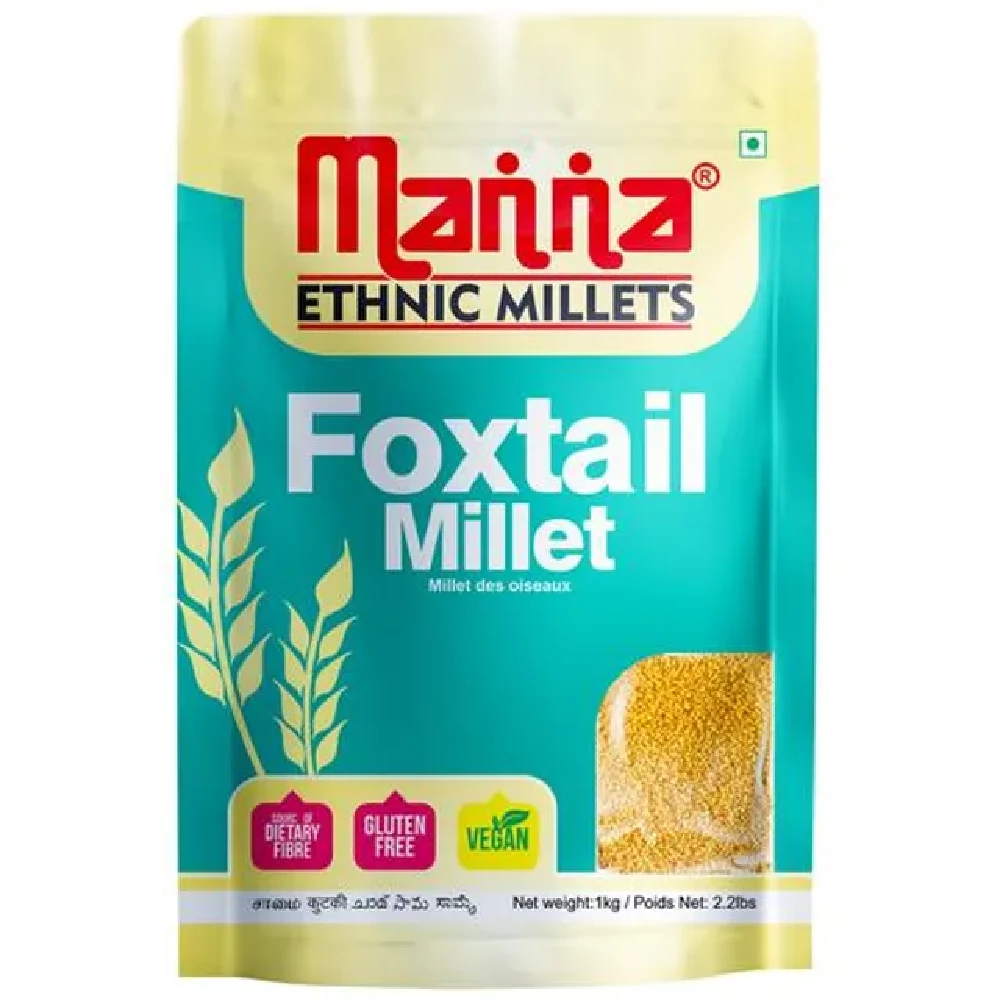
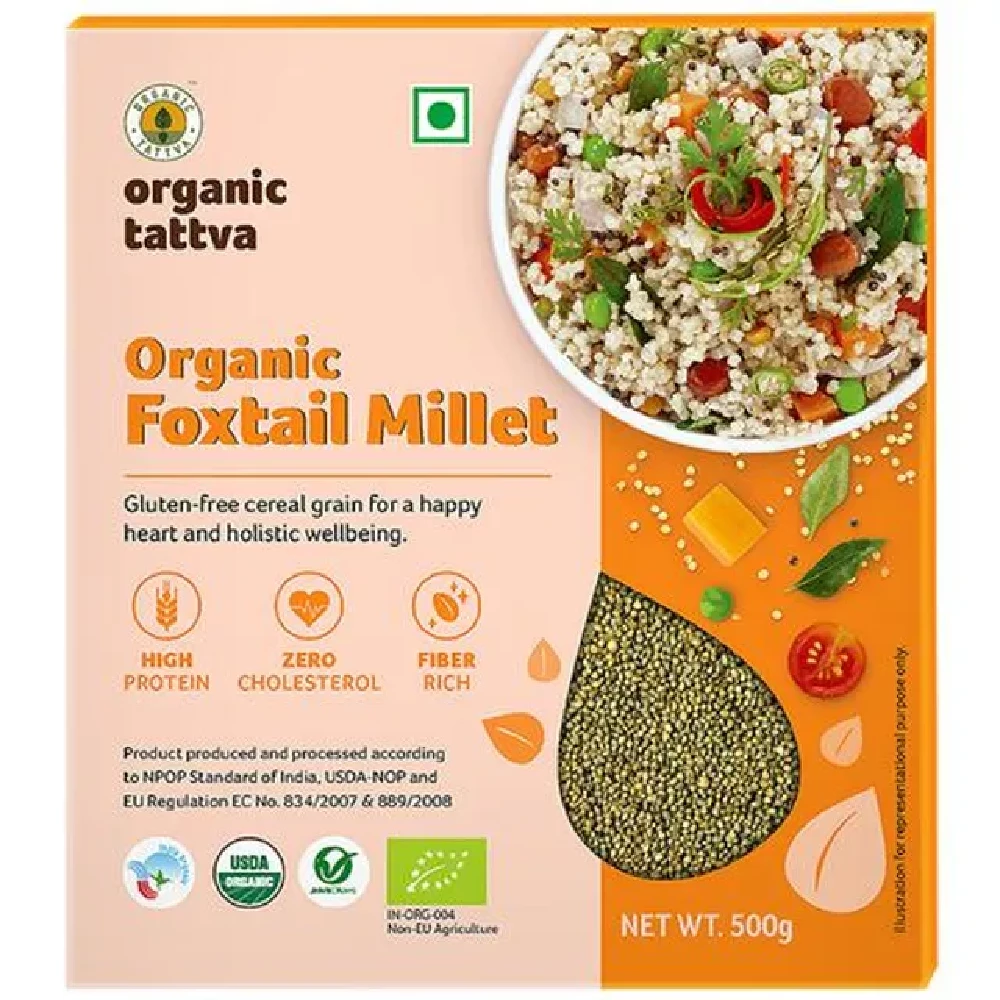
Also called thinai, kangni, korra, or navane. Tiny, pale yellow, faintly glossy grains, and the closest of all the millets to rice in the way it behaves in a pot. It cooks up light and separate, which makes it the standard choice for pongal, lemon rice, upma, and plain millet to eat with dal. If you are replacing rice for the first time, start here.
2. Little millet
-500-g-1.webp)
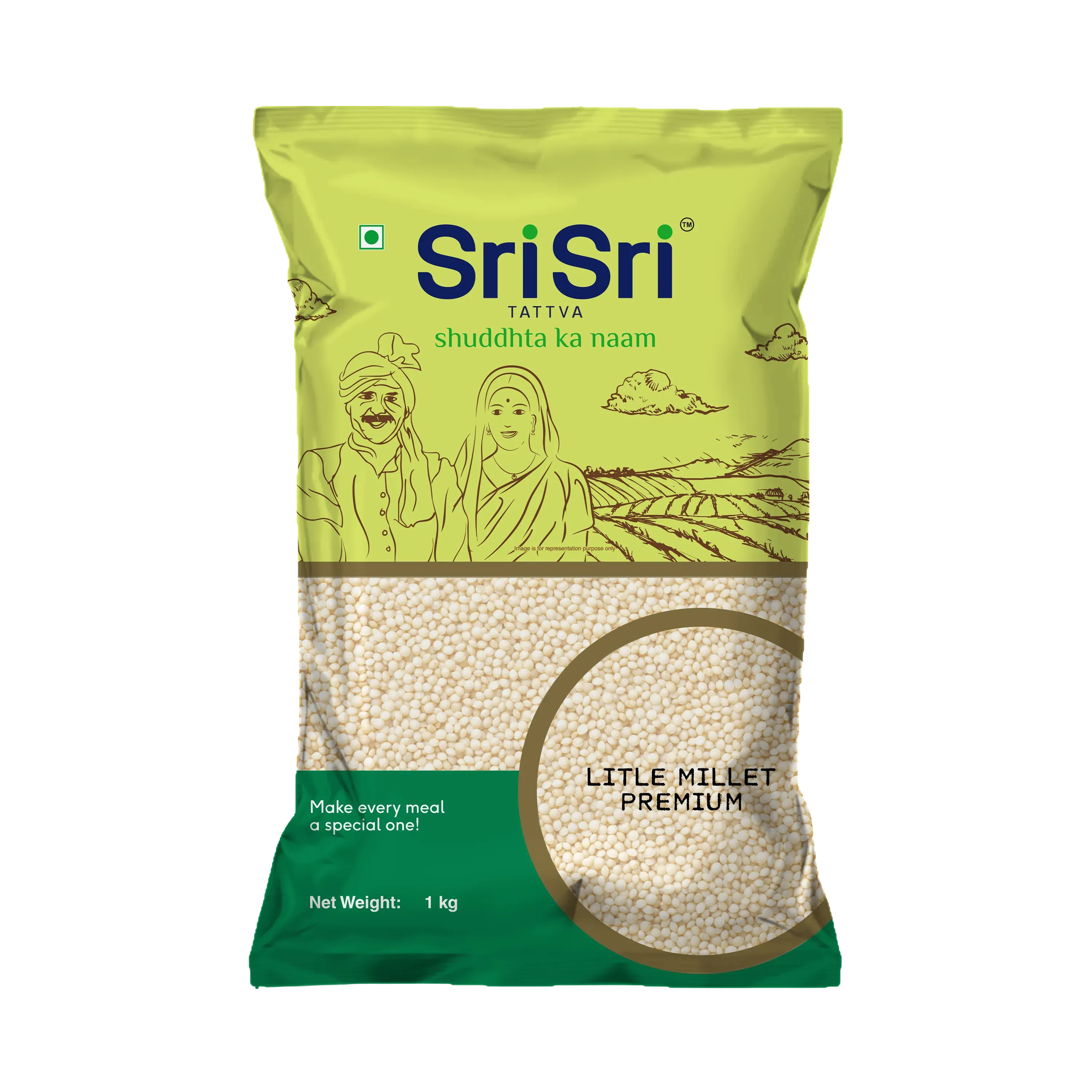
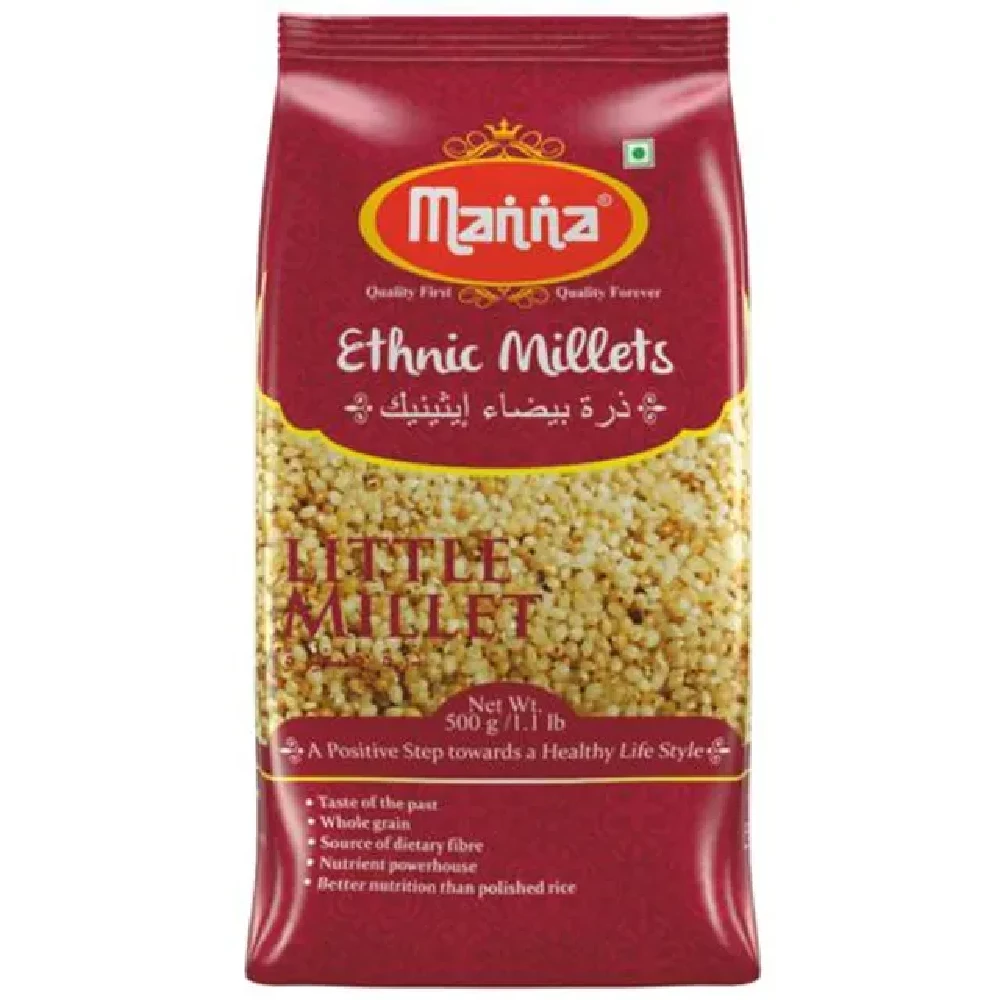
Explore little millet from Indian brands
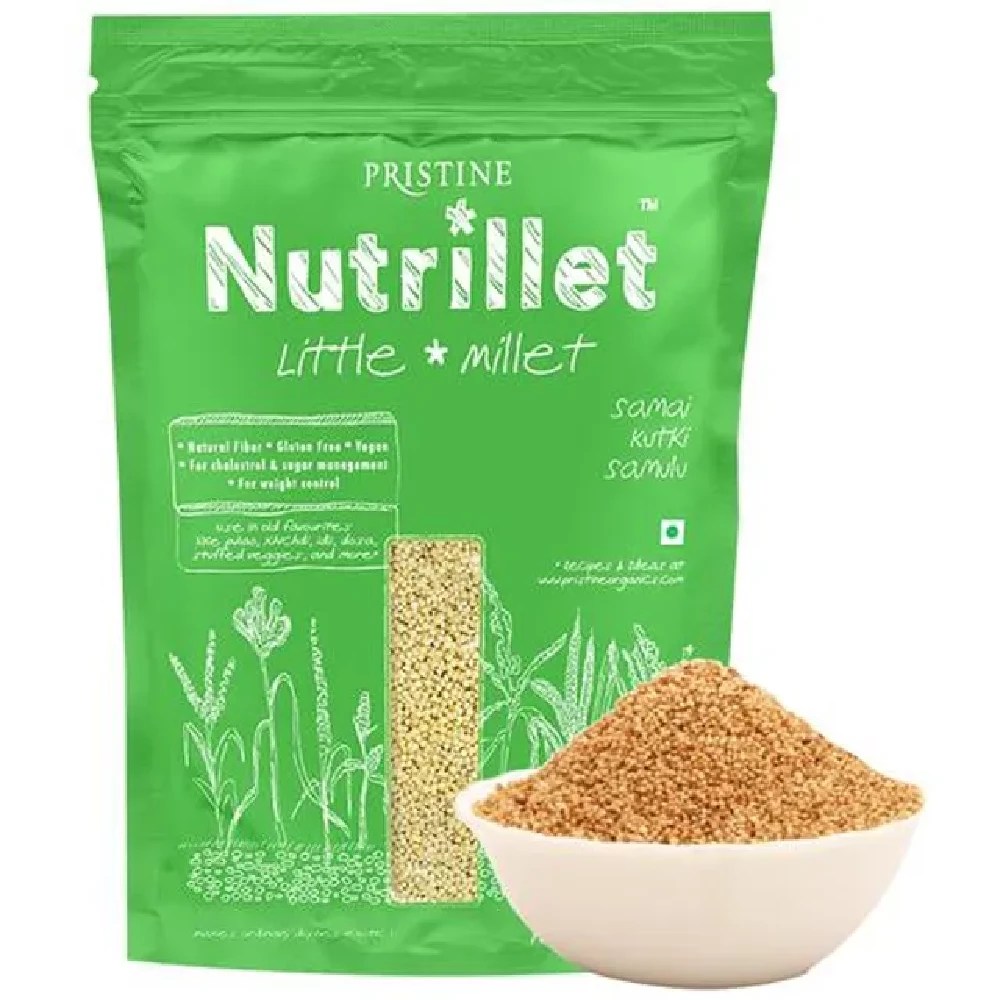
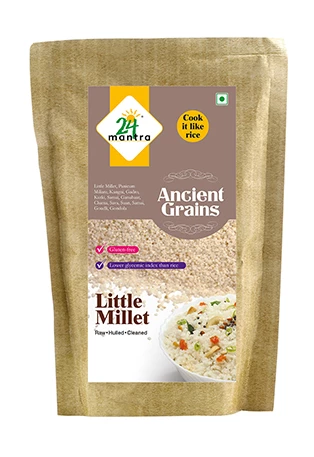
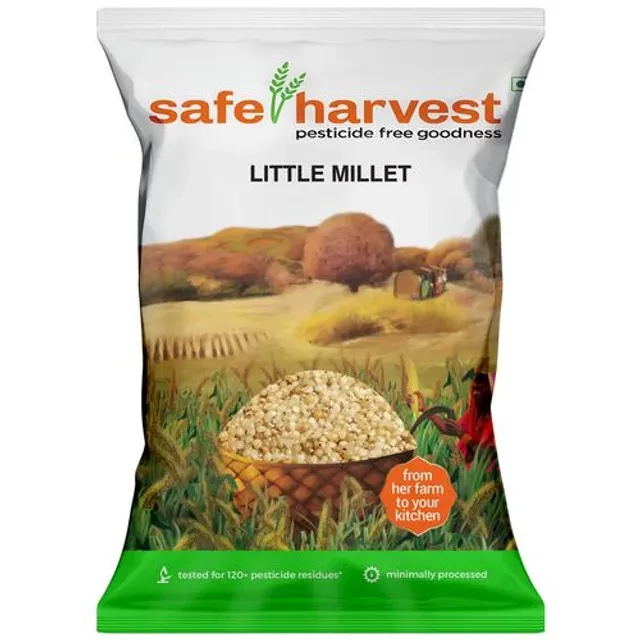
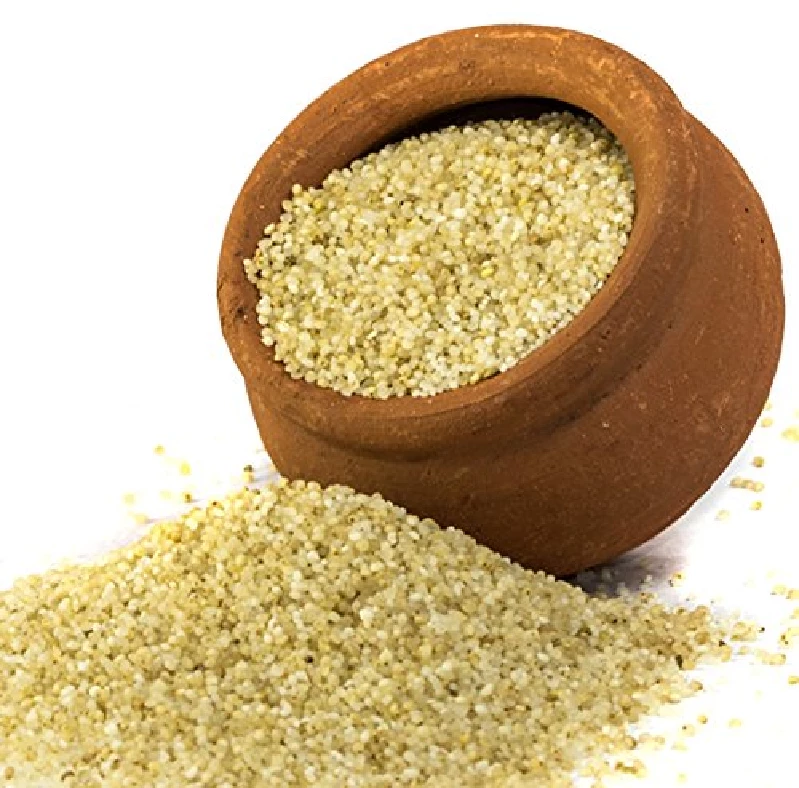
Samai, kutki, saame, or samalu. Very small grey-white grains, softer than most and quick to break down, which is why it is the usual pick for khichdi, porridge, and idli or dosa batter. It takes on liquid readily, so it suits anything you want soft rather than fluffy.
3. Kodo millet
-500-g-1.webp)
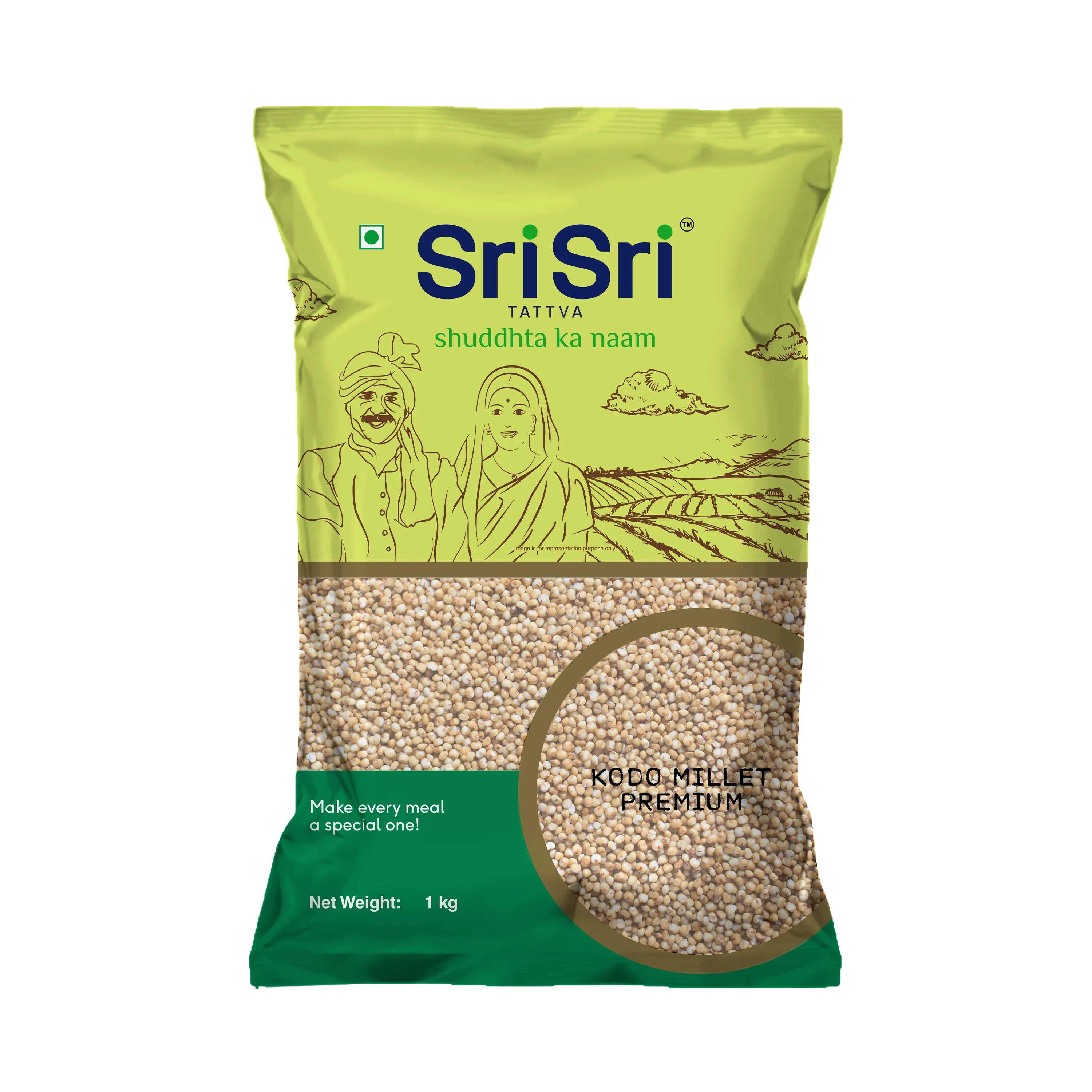
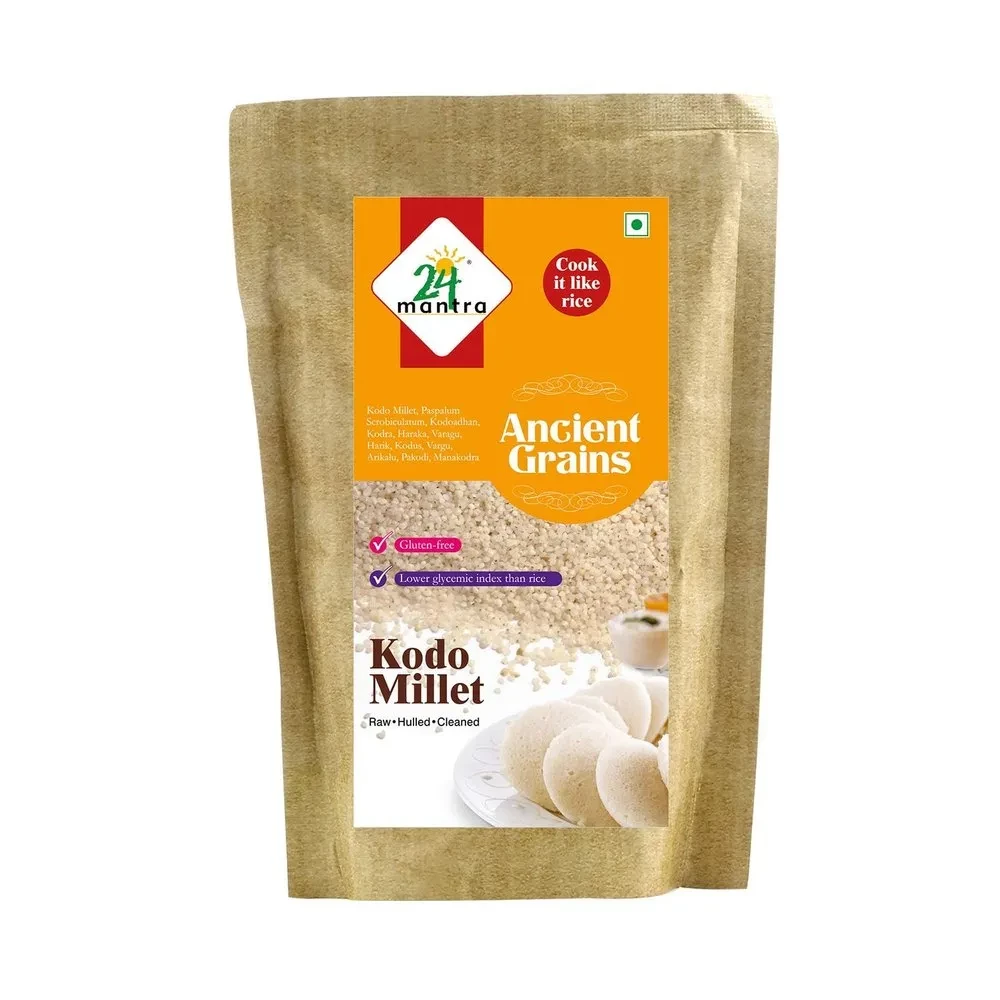
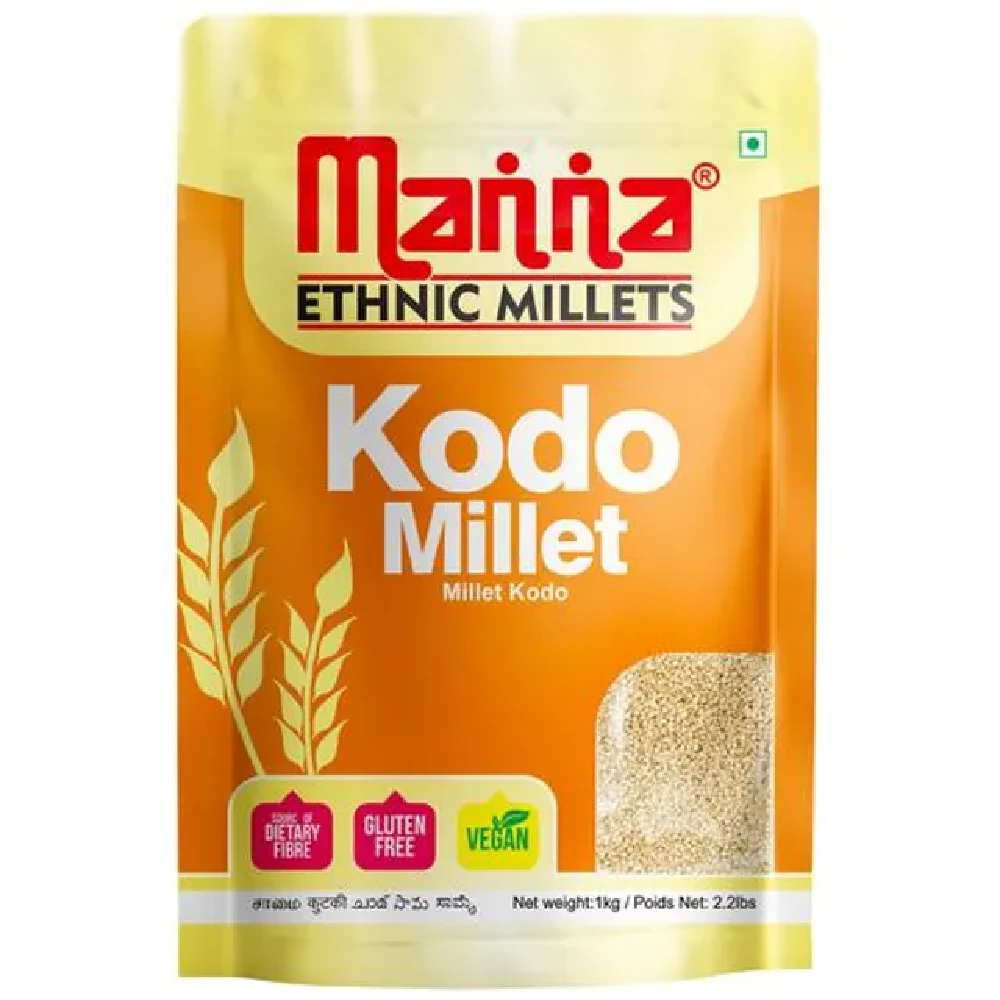
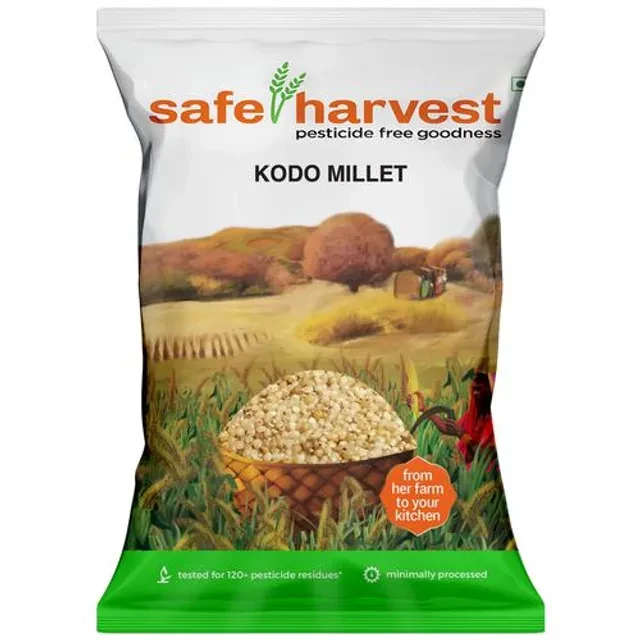
Explore kodo millet from Indian brands
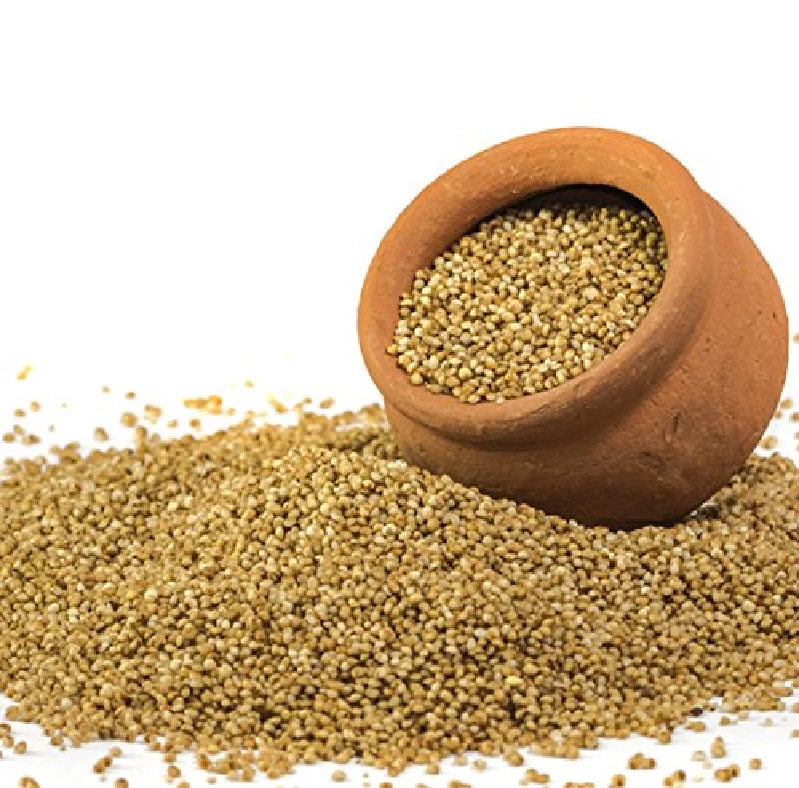
Varagu, kodra, arikelu, or harka. Larger and darker than the others, dull brown to nearly black, and noticeably harder. It needs the longest soak of the common small millets and holds its shape well once cooked. Used for pulao-style dishes, upma, and in dosa batter in parts of South India.
4. Barnyard millet
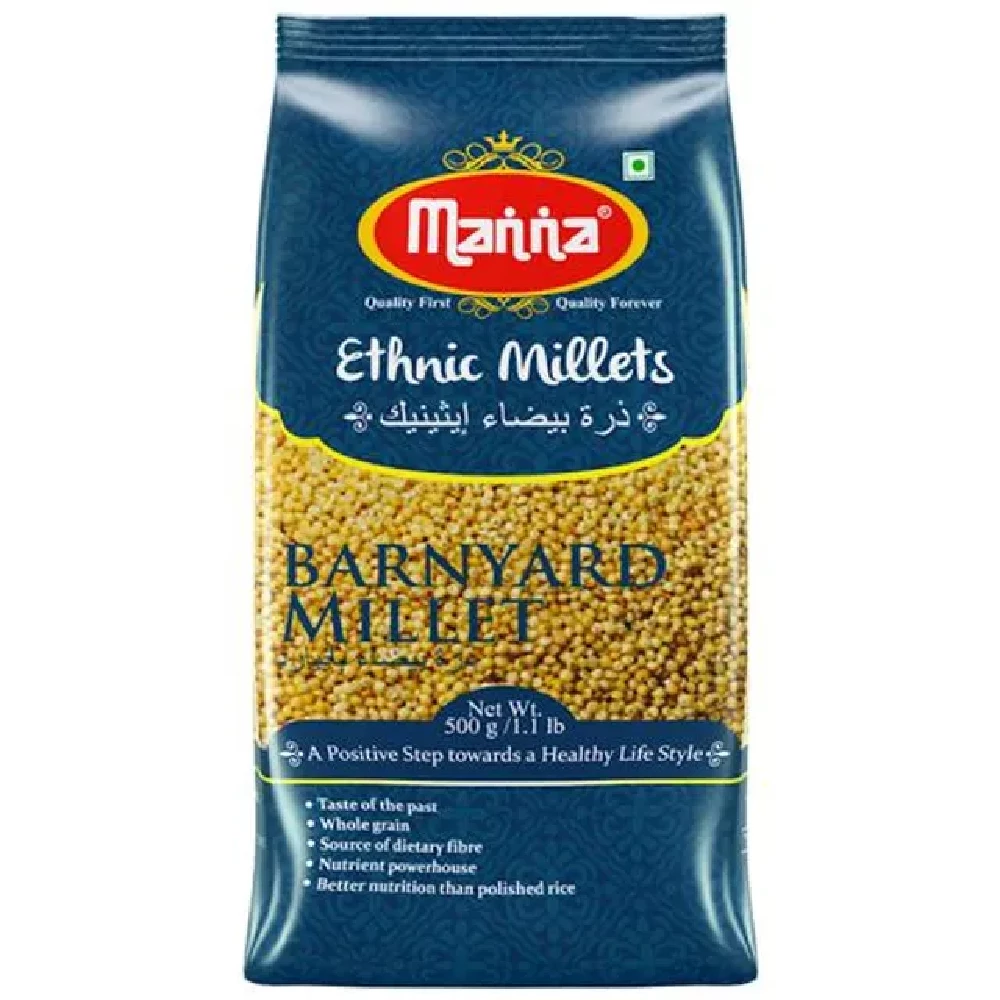
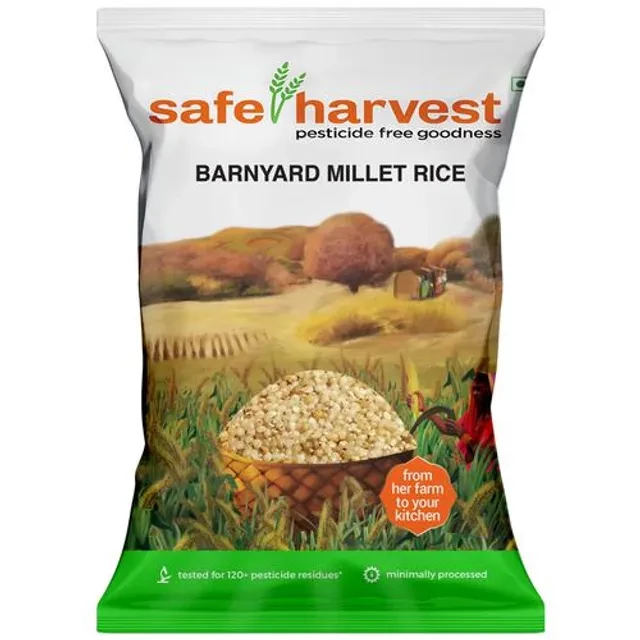
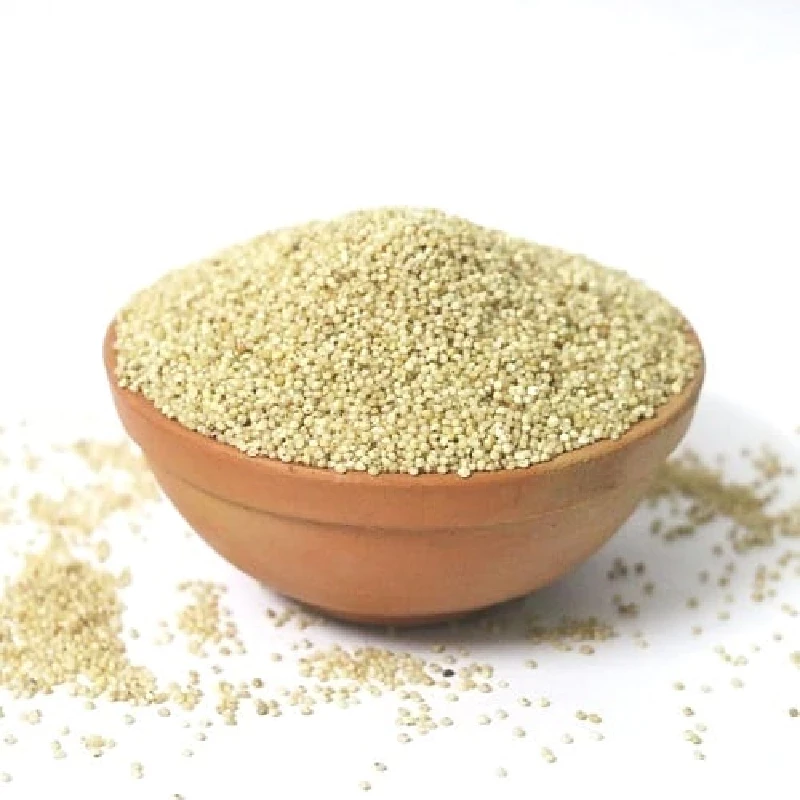
Explore barnyard millet from Indian brands
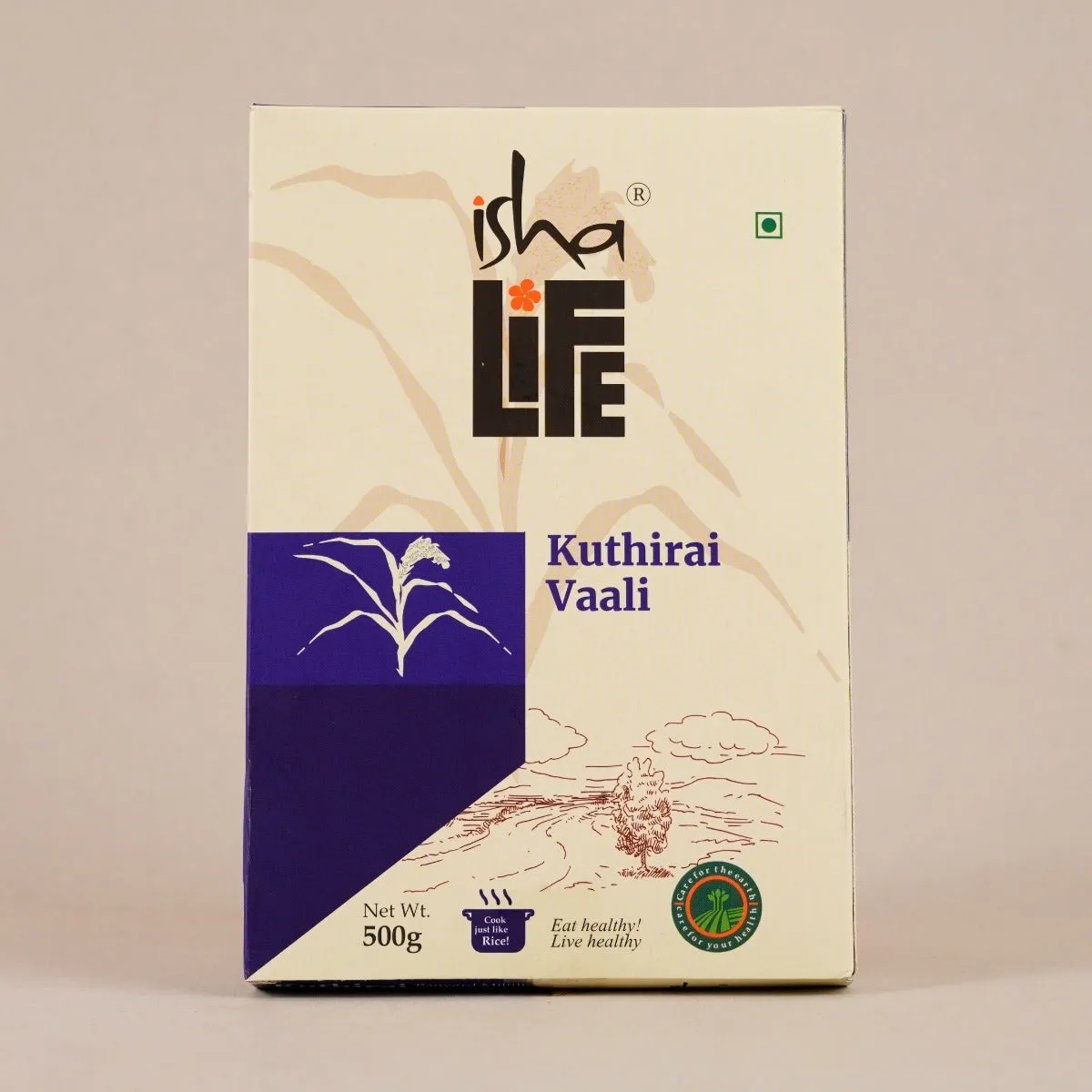
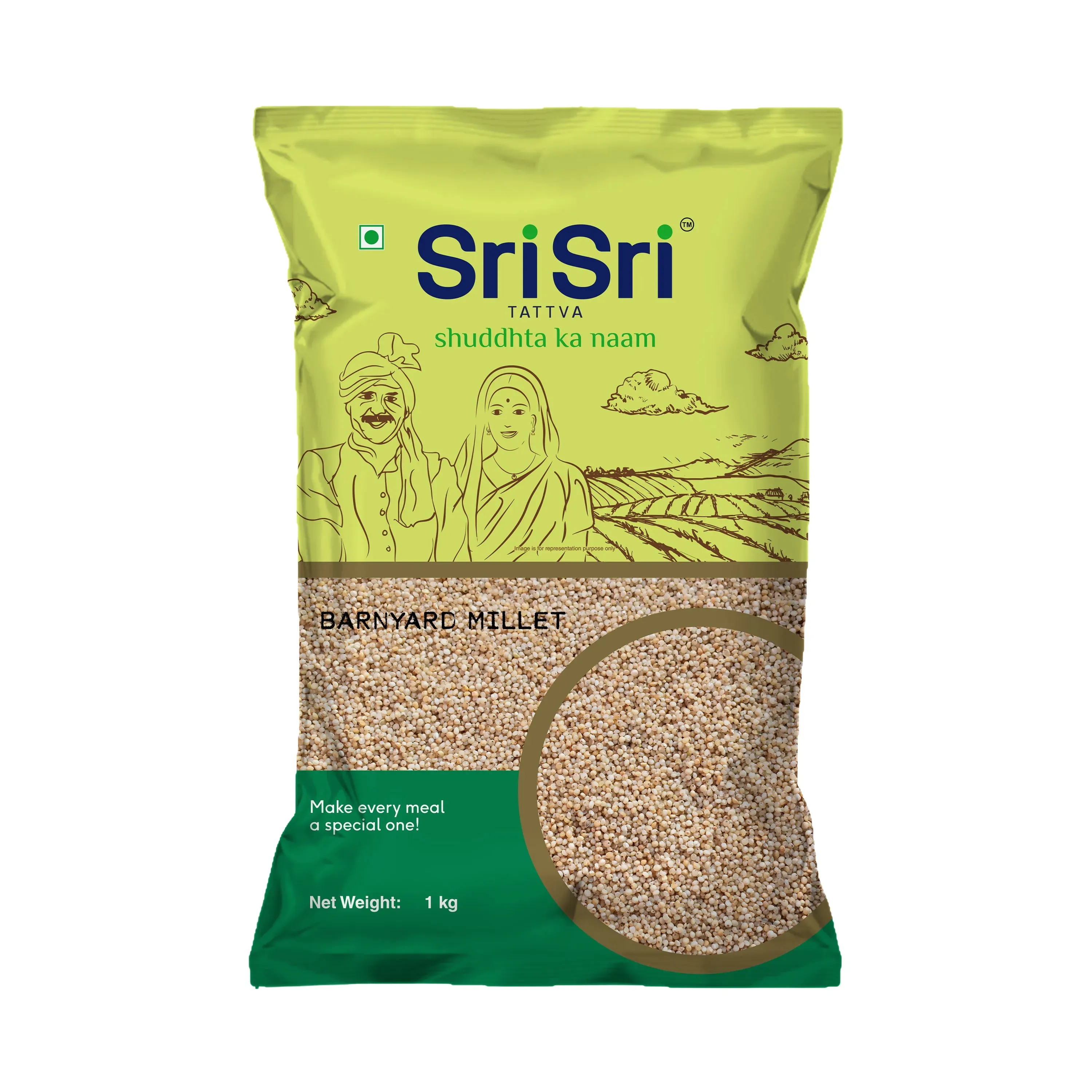
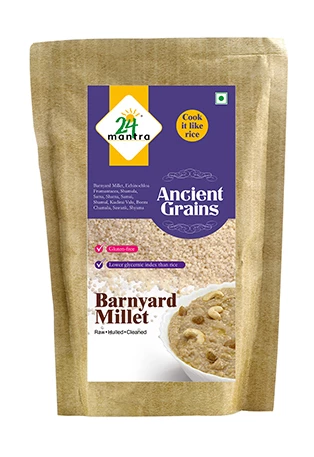
Kuthiraivali, sanwa, jhangora, or oodalu. Small, grey-white, faintly striped, and the fastest-cooking millet of the group. It is the traditional fasting grain across much of North India, eaten during Navratri and other vrat days when regular cereals are avoided. Also the best of the small millets for upma, because it holds its texture.
5. Browntop millet
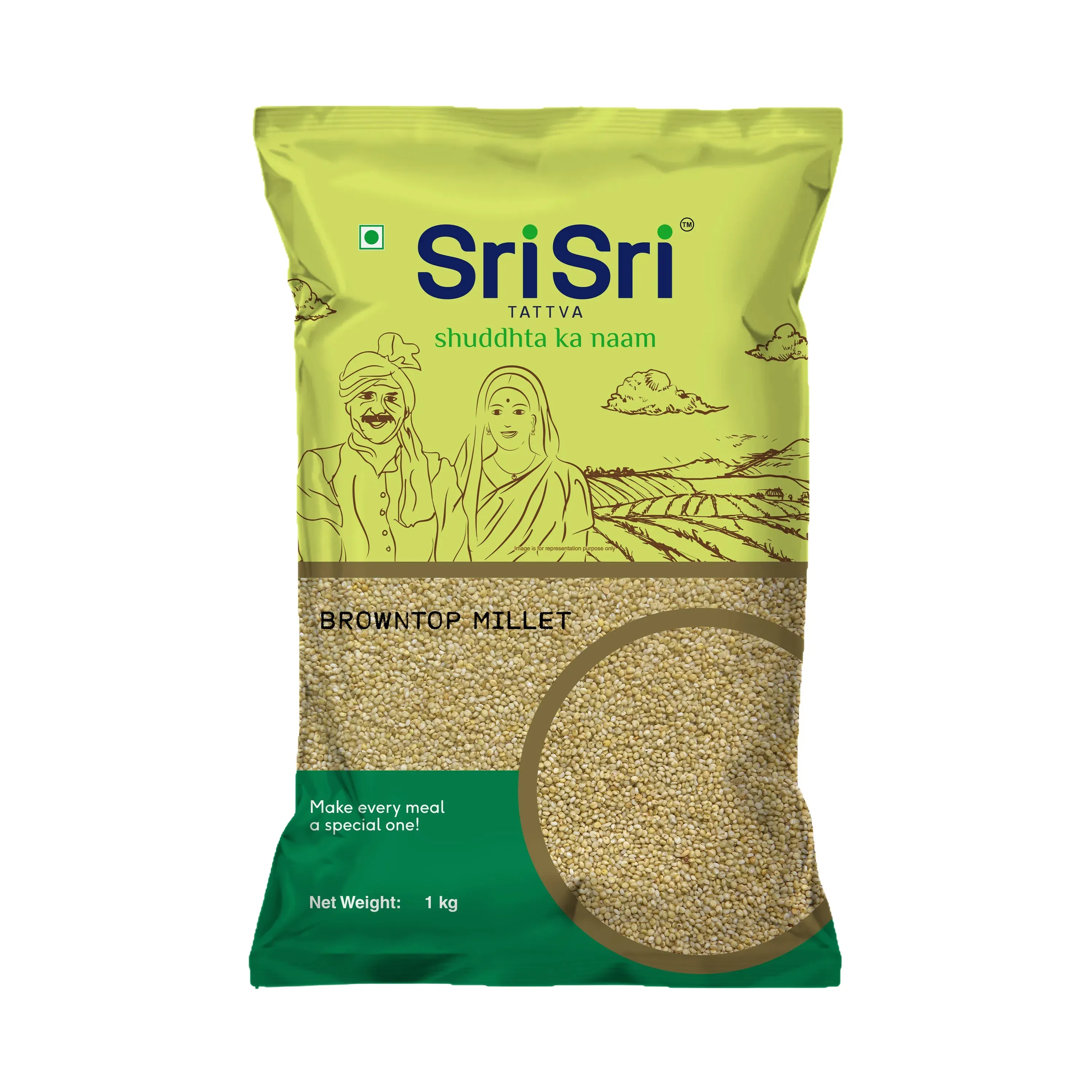
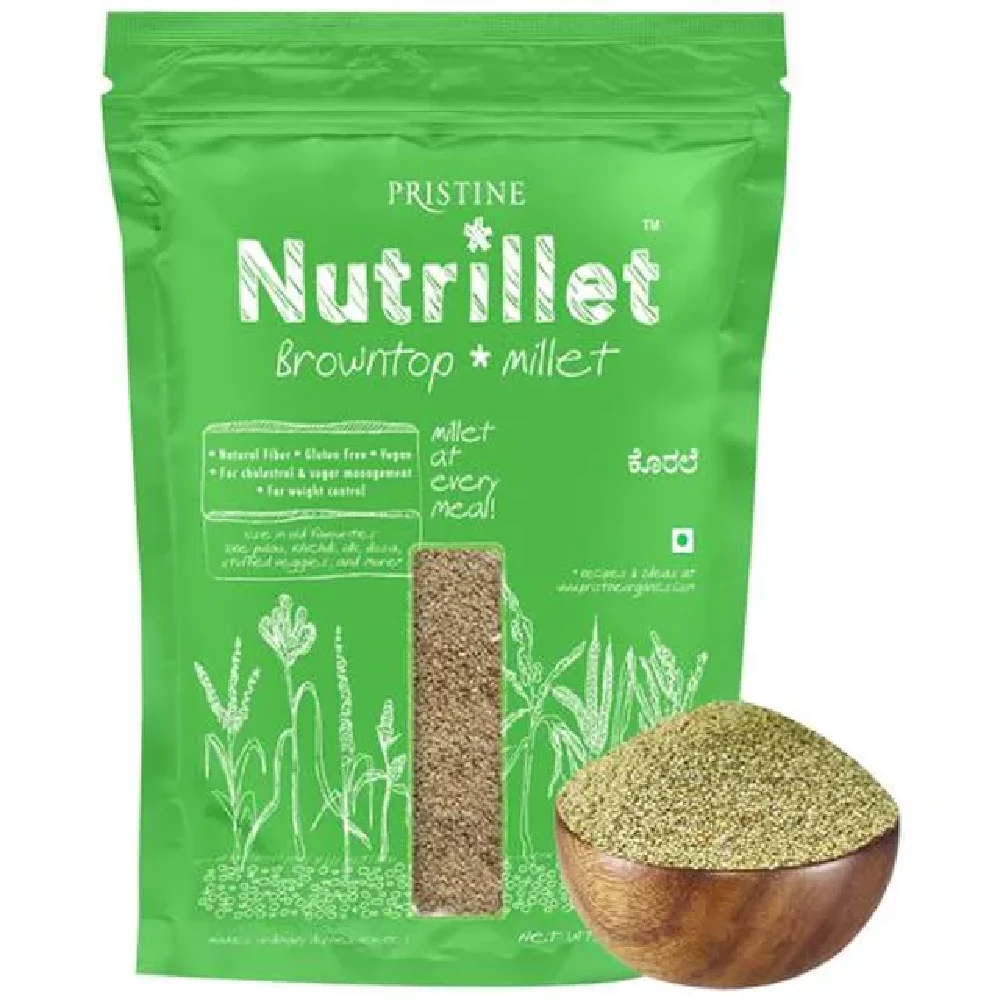
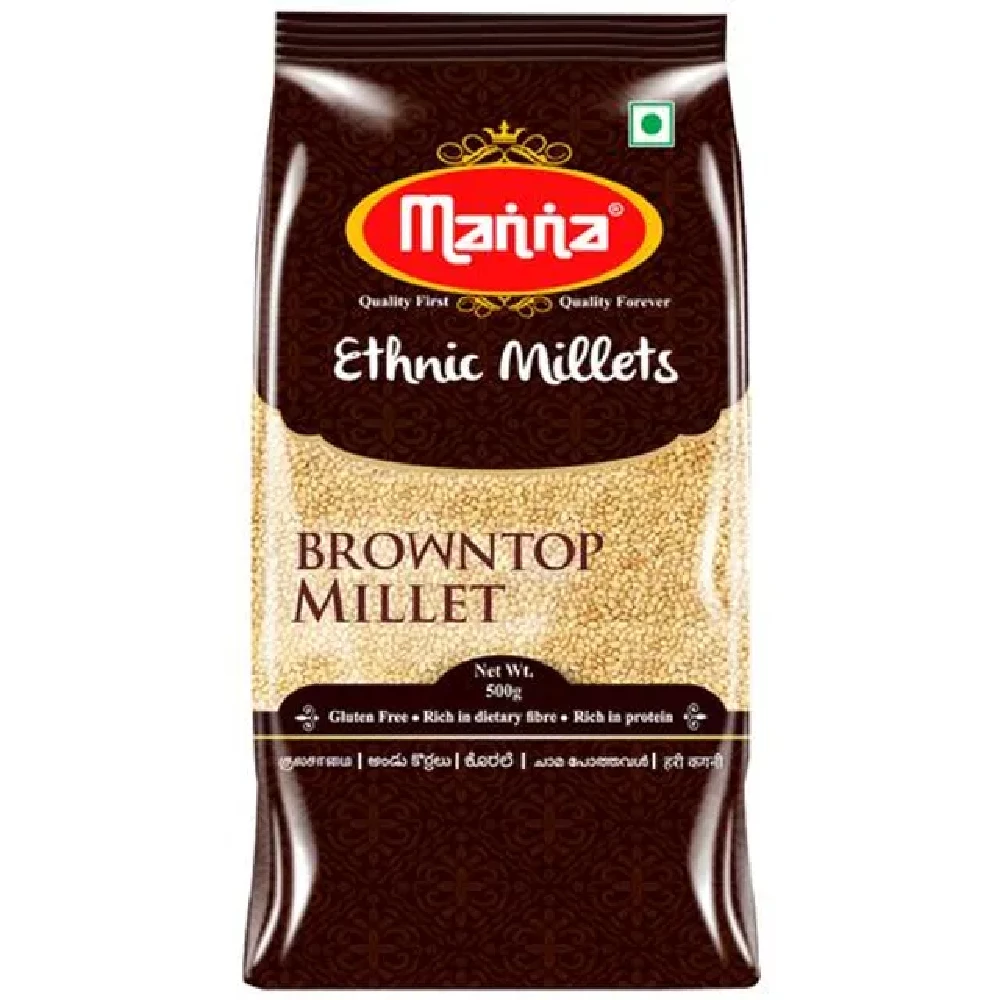
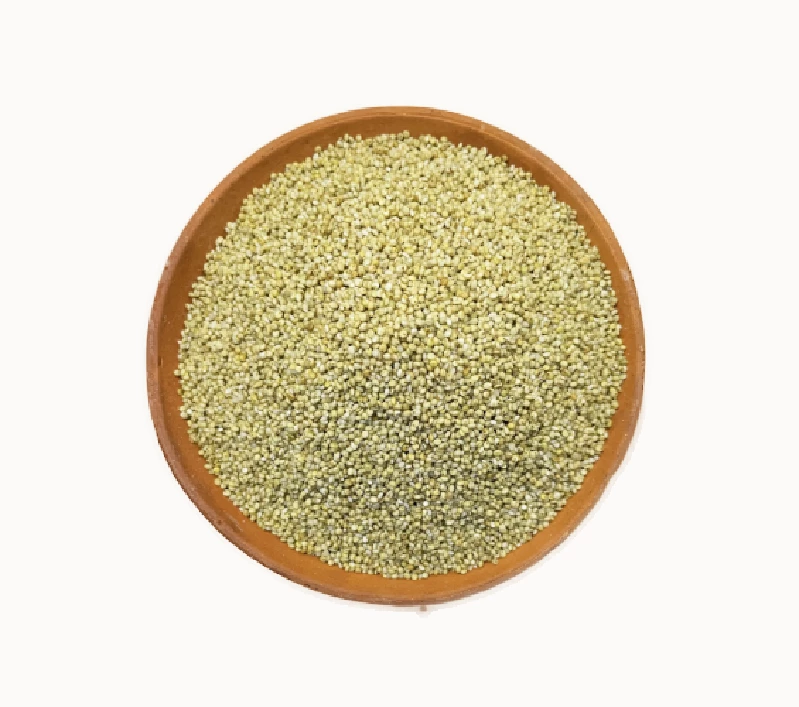
Explore browntop millet from Indian brands
Korale or andakorra. Tan to off-white and the largest of the small millets, and also the hardest, which means the longest soak of anything on this list. It is the rarest of the group and has been revived commercially in the last decade after nearly disappearing from cultivation. Cooked like rice, once properly soaked.
6. Proso millet
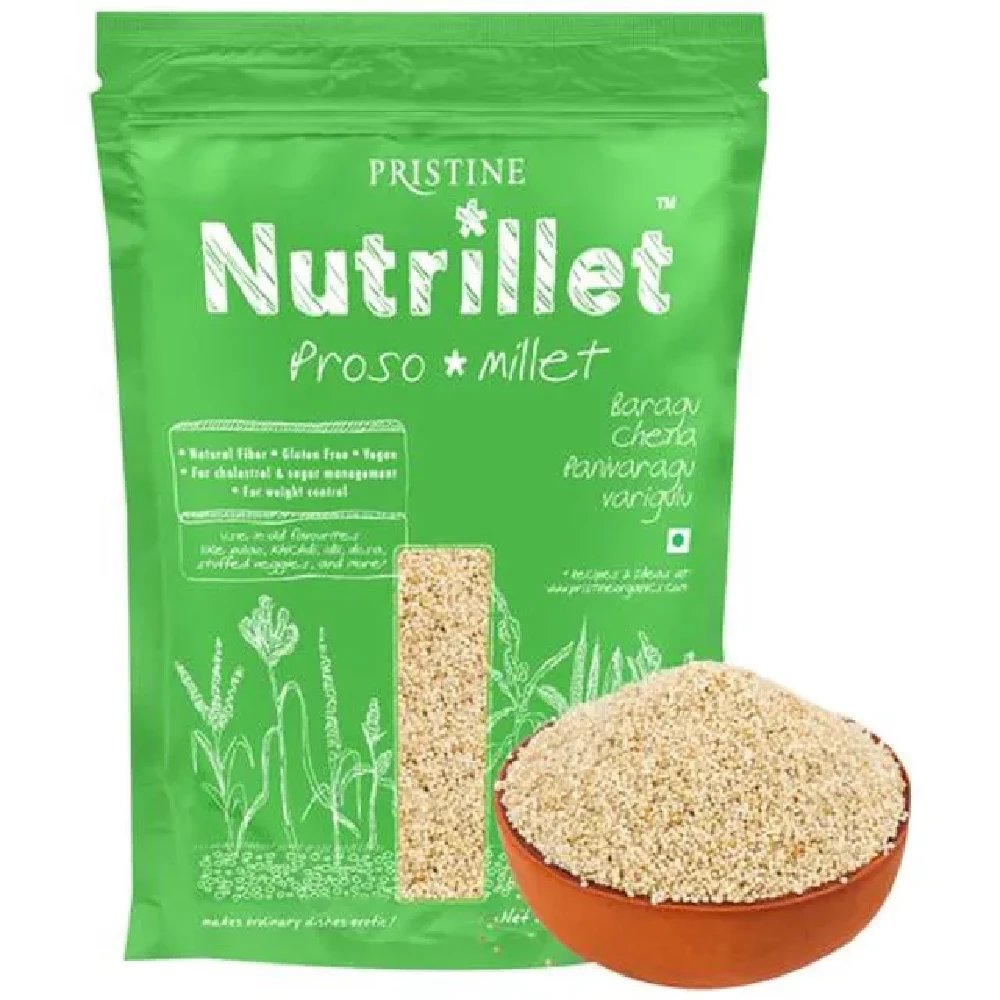
Explore millets from Indian brands
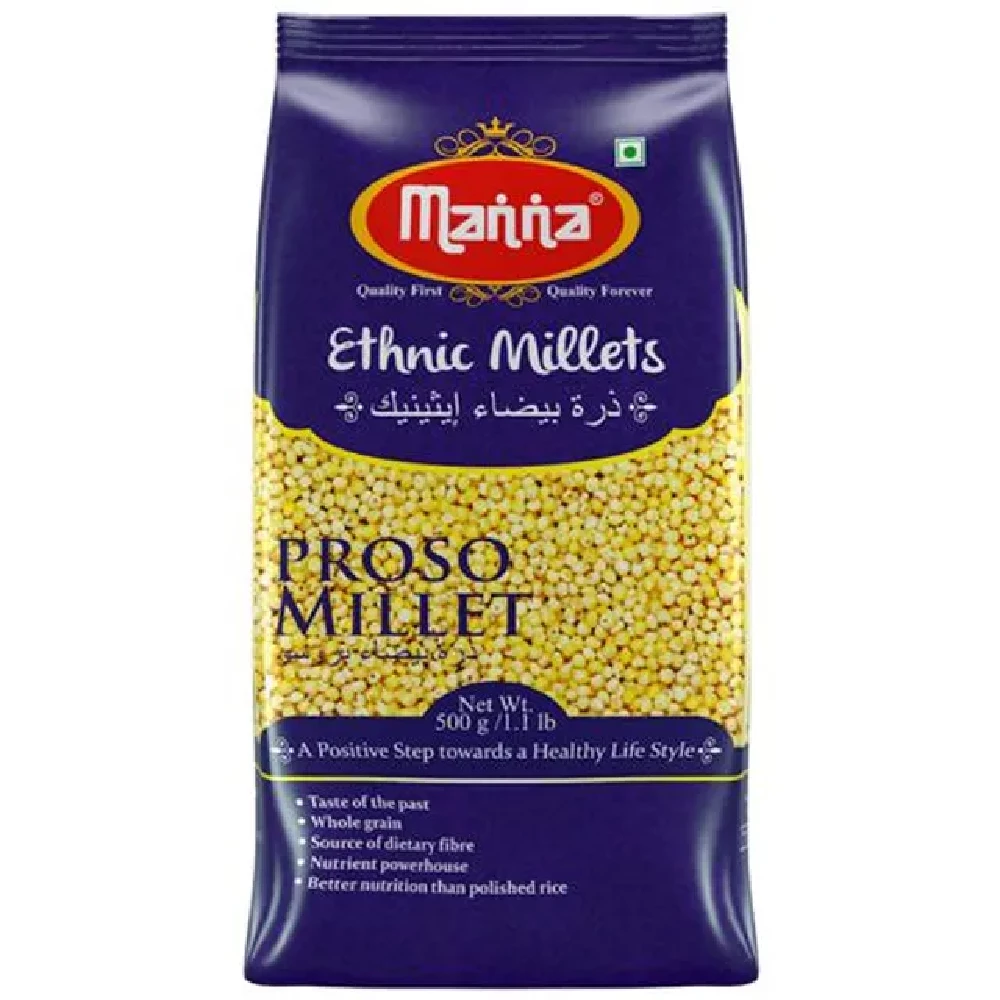
Chena, panivaragu, or barri. Round, pale yellow, glossy grains. This is the variety sold as plain "millet" in most Western supermarkets, and the one Western recipes are written for, which is why generic online instructions so often fail on an Indian variety. Mild and quick-cooking, it suits grain bowls and salads as readily as Indian preparations.
7. Pearl millet (bajra)
Explore pearl millet from Indian brands
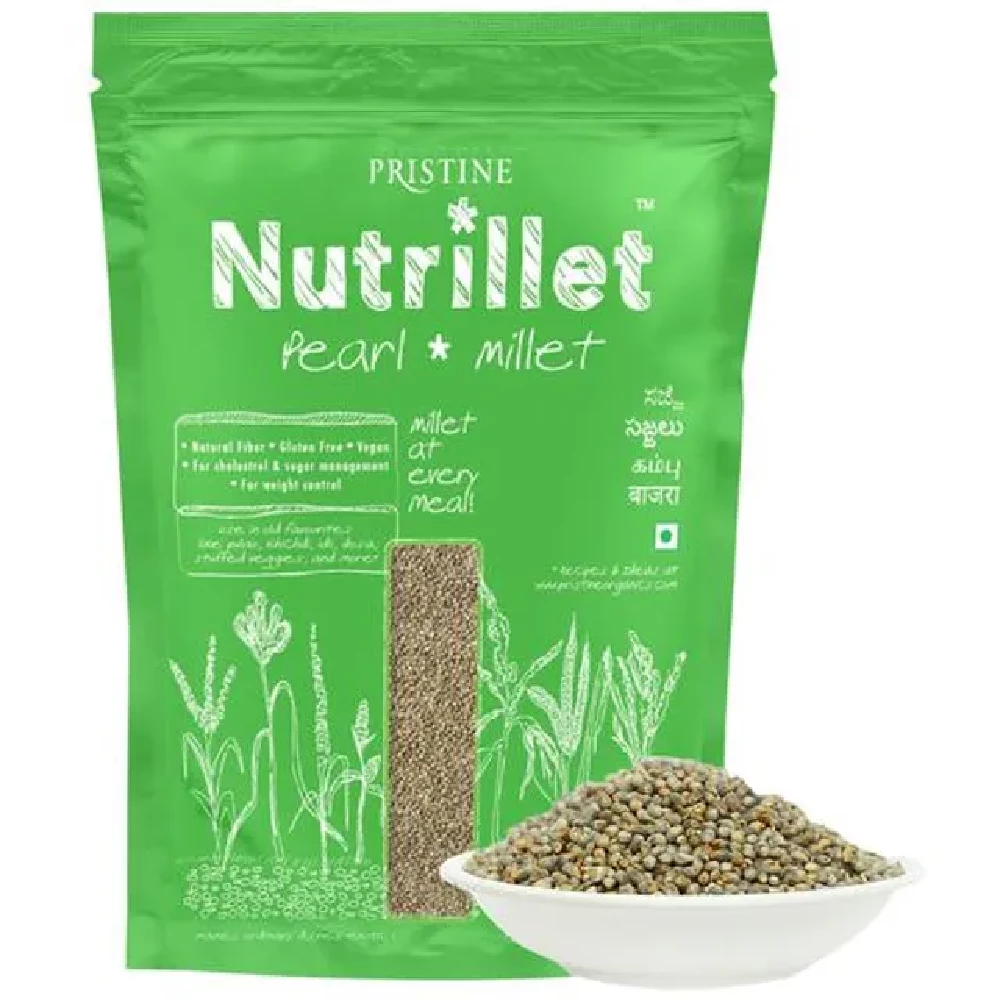
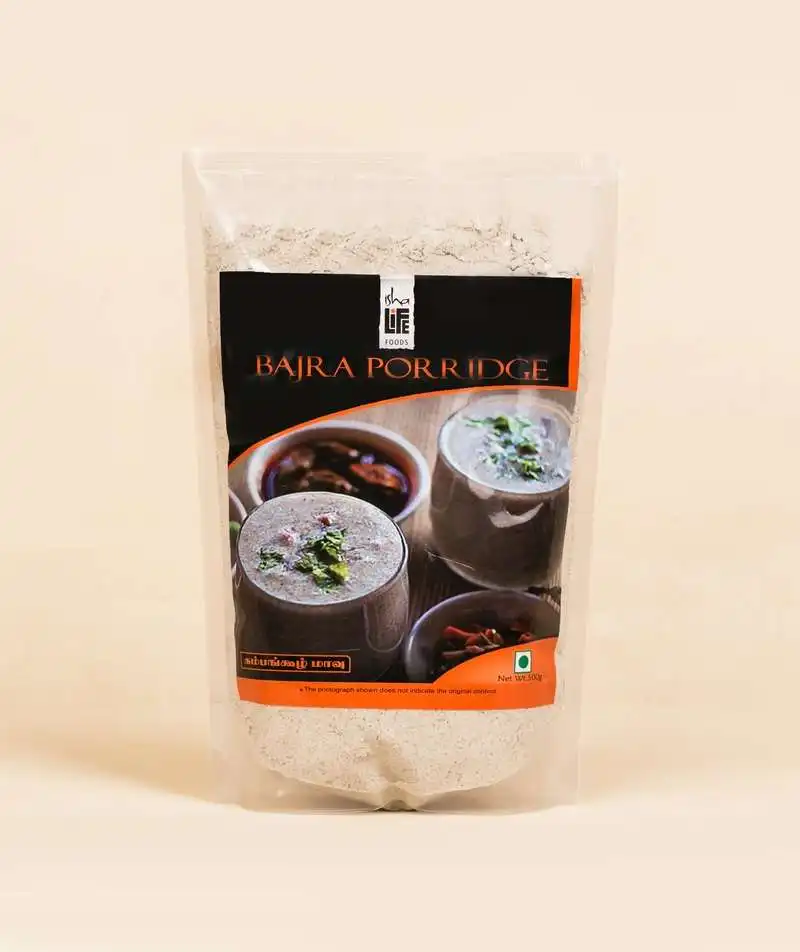
Kambu or sajje. Round, grey-green, and clearly bigger than the small millets. Almost always ground into flour for bajra roti, a winter staple across Rajasthan, Gujarat, and Haryana, patted out by hand because the dough has no gluten to hold it. Also made into porridge and, in Tamil Nadu, the fermented drink kambu koozh.
8. Finger millet (ragi)
Explore millets from Indian brands
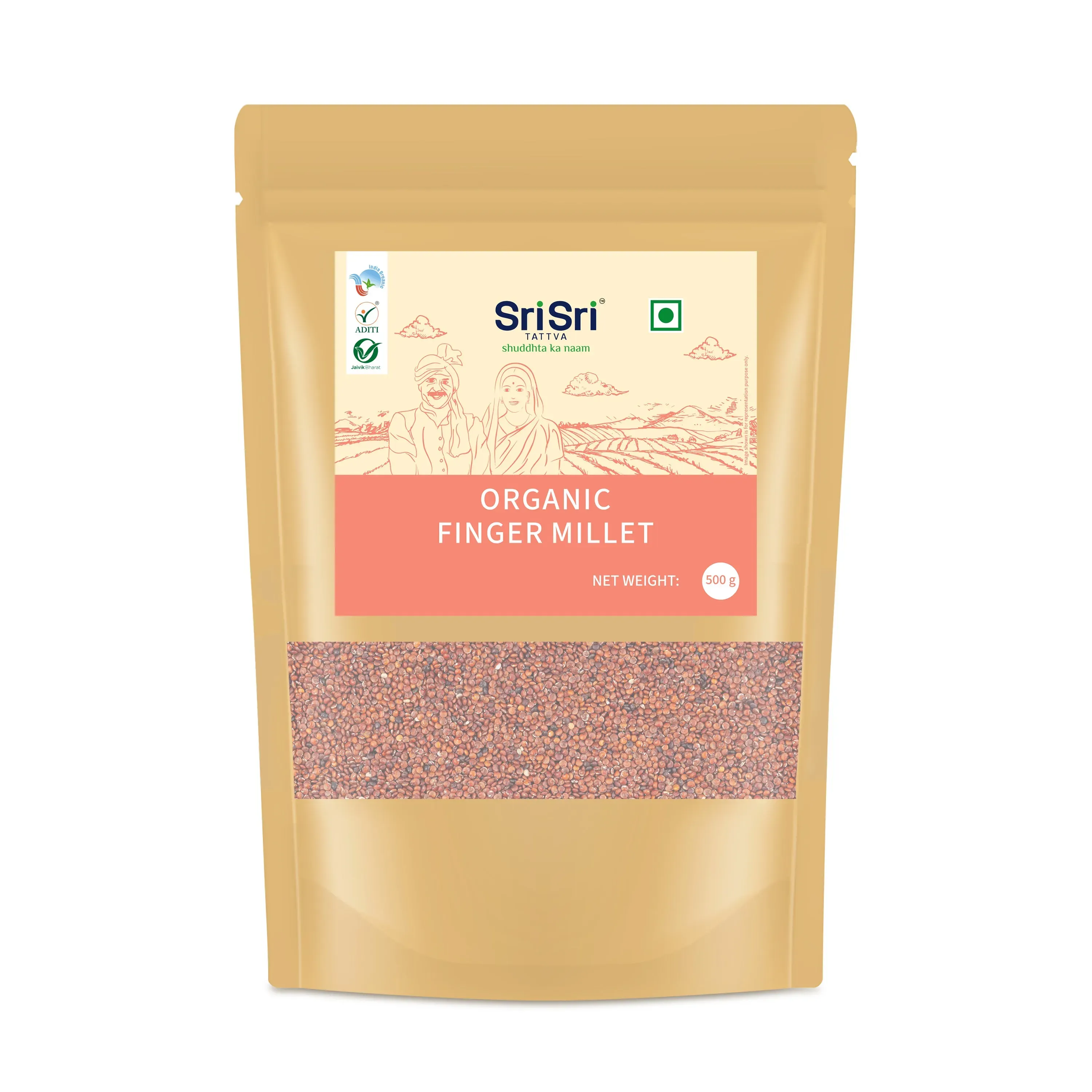
Nachni or kelvaragu. Tiny rust-brown grains that look more like seeds than cereal, and the only millet on this list that is almost never eaten whole. It becomes ragi flour, and from there ragi mudde in Karnataka, ragi roti, ragi malt, and the porridge that is often among the first solid foods given to babies in South India. If you have only ever bought ragi as flour, that is normal and not a compromise.
9. Sorghum (jowar)
Explore millets from Indian brands
Cholam or jonna. The largest grain of the lot, pale and round. Ground for jowar bhakri across Maharashtra and Karnataka, and the whole grain is sometimes popped like popcorn. Botanically it sits slightly apart from the true millets but is always counted with them in Indian usage.
Not sure where to start?
Mixed millet packs let you try several varieties before committing to a large bag of one, which is sensible given how differently they behave.
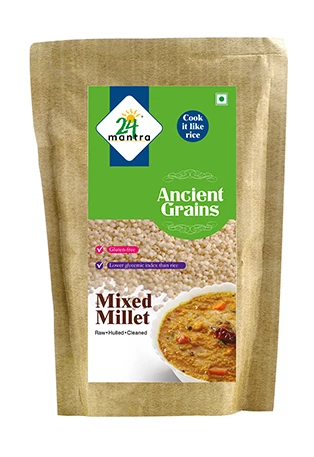
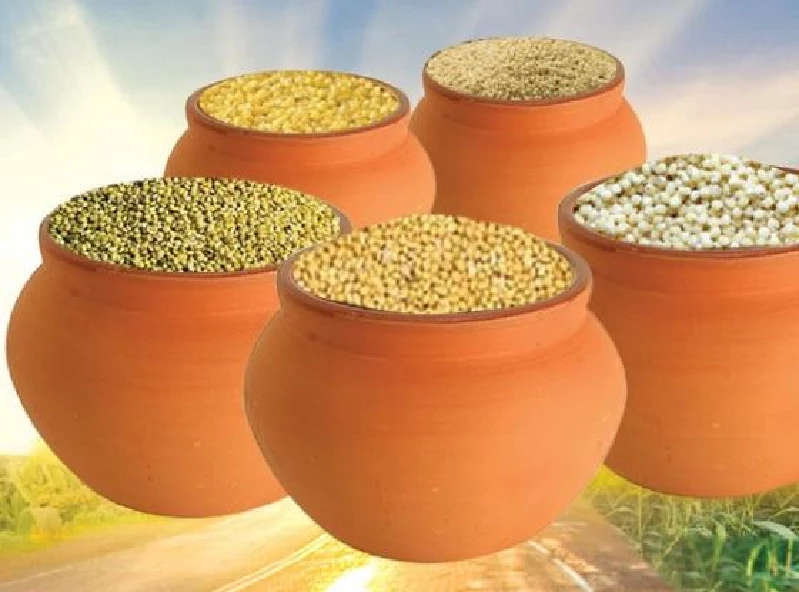
Explore millet combo packs from Indian brands
Once you have picked one, our guide to how to cook millet covers the soaking times and water ratios for each variety, which differ more than most people expect.