
Tips to Store Diwali Sweets and Snacks
Make your Diwali sweets and snacks last longer with easy storage ideas. Order from The Desi Food and get treats fresh and intact to your doorstep in 80+ countries.
Latest Articles
 Wellness
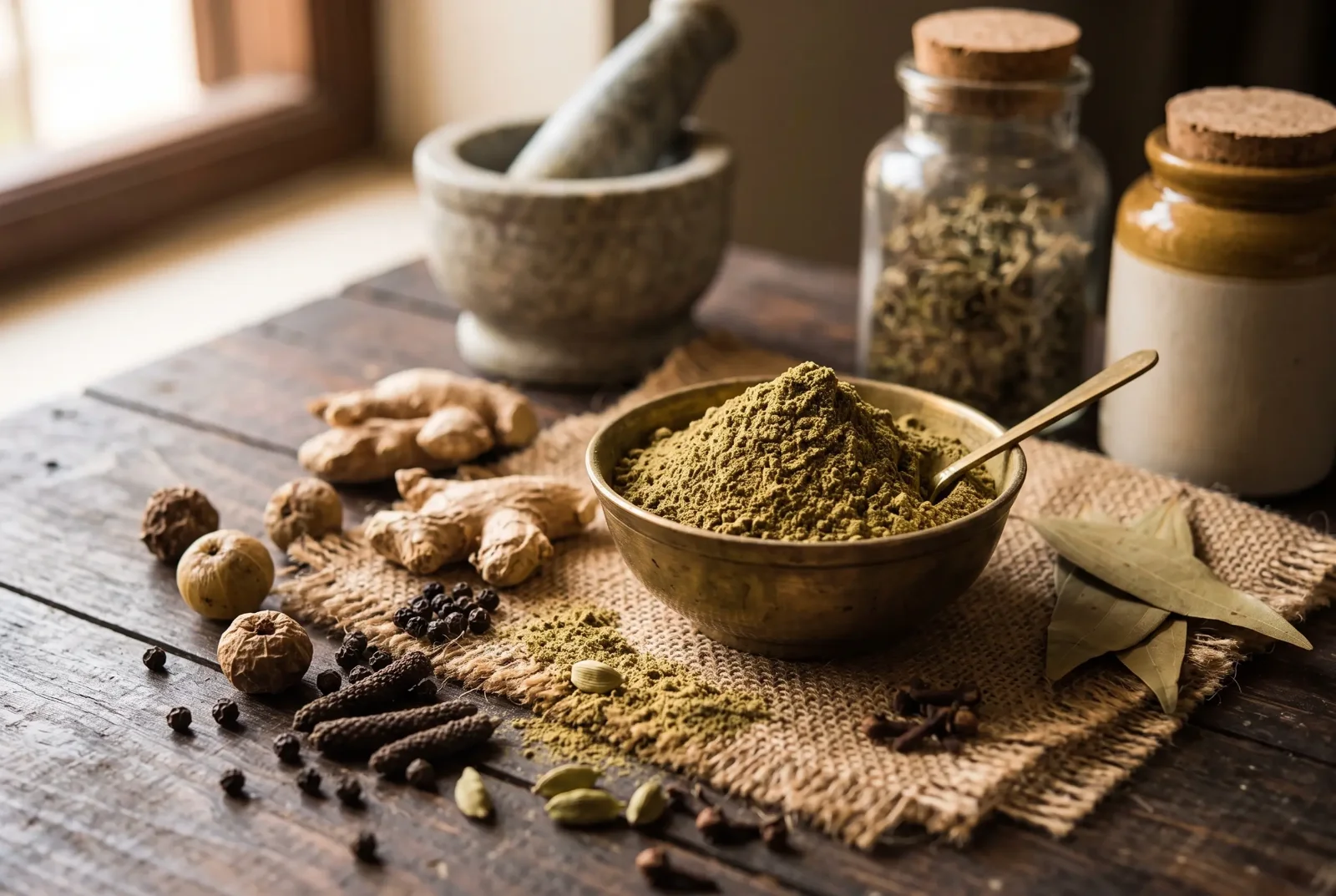
What Is Avipattikar Churna? Ingredients, Traditional Uses and Safety
Oct 8, 2026
 Staples
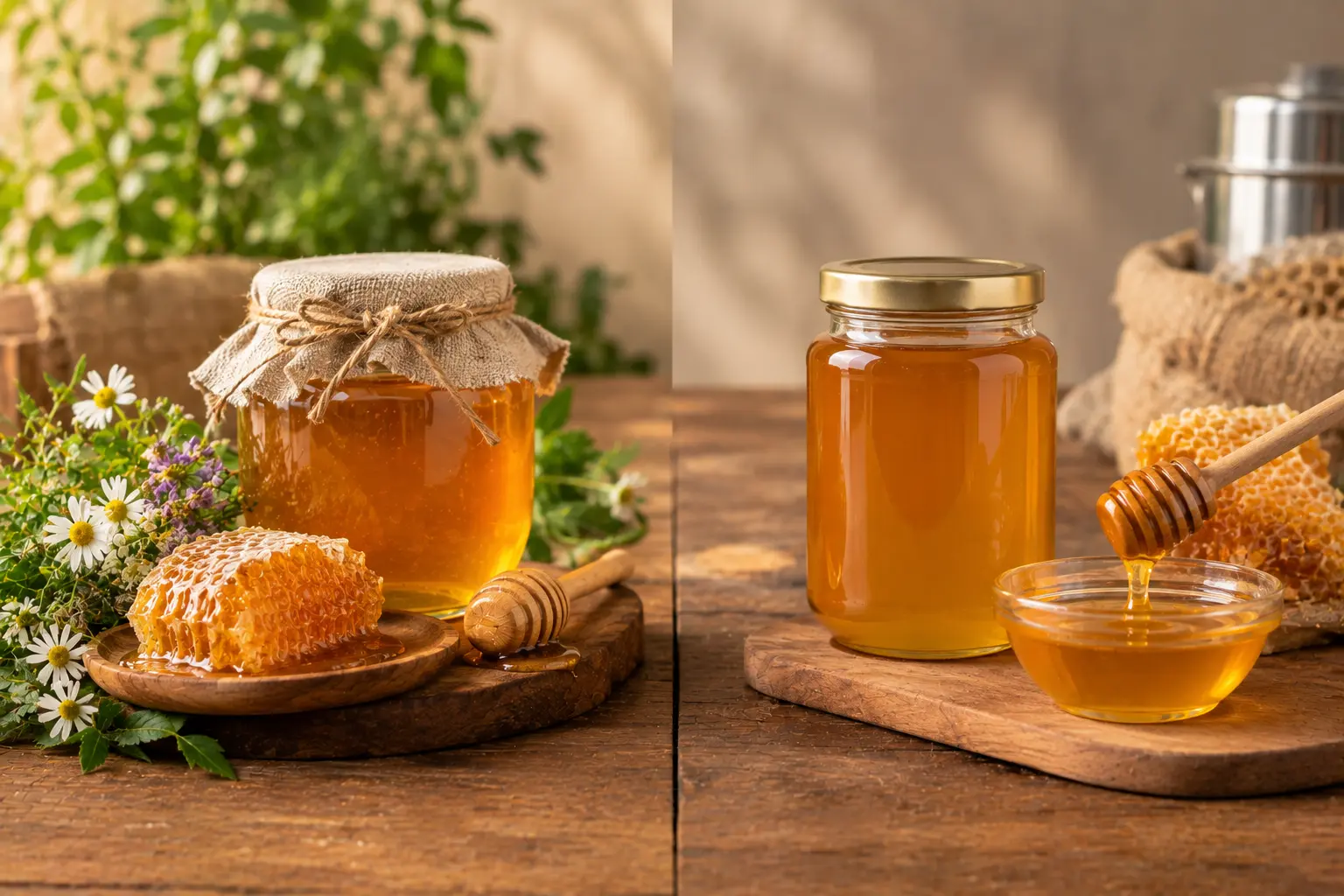
Organic Honey vs Regular Honey: What the Label Covers and What It Doesn't
Oct 8, 2026
 Beauty
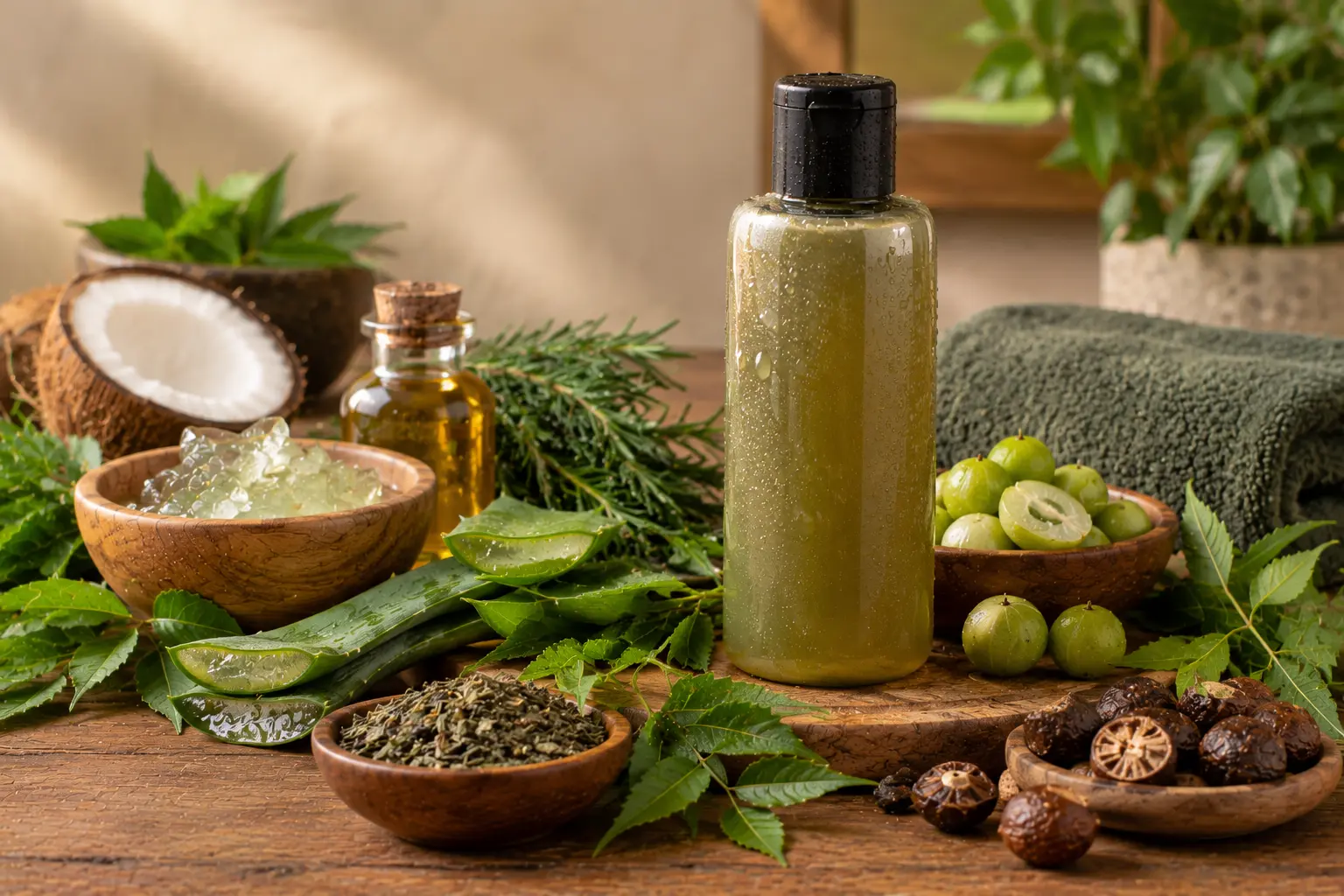
8 Best Natural Shampoos for Men to Buy Online in the USA, UK and Beyond
Oct 8, 2026
 Wellness
Best Ayurvedic Herbs for Sleep: 8 Herbs and the Forms They Come In
Sep 30, 2026
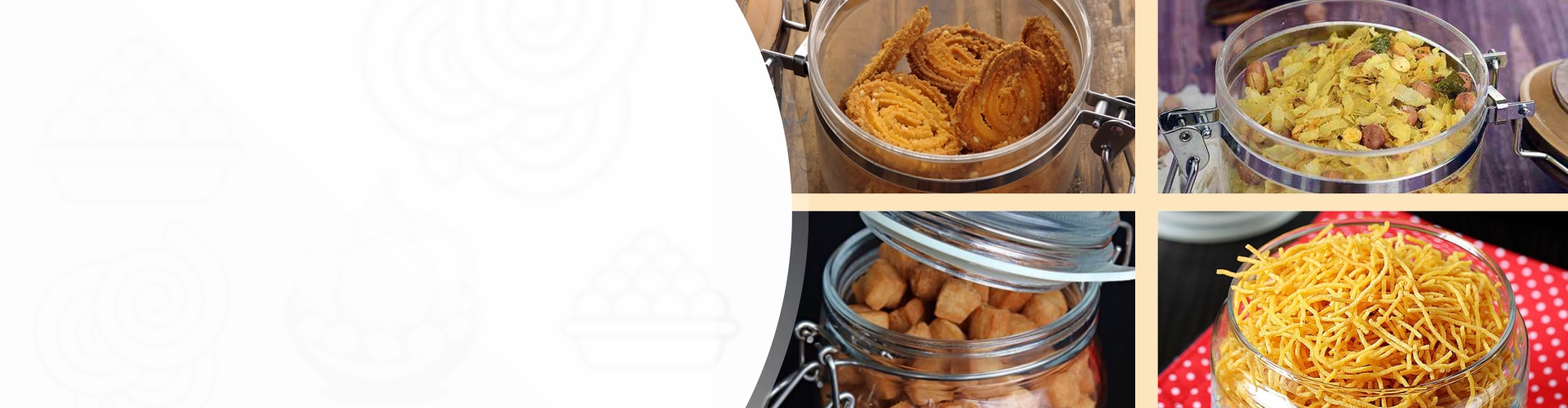
Diwali is a celebration of lights, happiness, and delicious food. Houses are filled with a pleasant aroma of Diwali sweets and crispy snacks known as faral. Be it laddoos and barfis or chakli and chivda, every morsel is filled with tradition and love. Snacks are prepared well in advance and consumed for days or even weeks. But at times, they do lose their crunch or taste if not stored well.
That's why it makes sense to learn how to store Diwali sweets and snacks properly, so that they remain fresh, flavorful, and safe to consume for a long time. Let's have a look at some easy tips that can help you enjoy your faral just like the first day you made it!
Know What You're Keeping: Dry Treats vs Wet Treats
Before storing food, it is important to understand what the food is. Dry foods such as chakli, sev, shankarpale, and chivda can be preserved for a couple of days if kept in a dry place. Soft or soggy sweets such as barfi, peda, halwa, and laddoo (particularly those containing milk) require extra attention. Some will have to be kept in the refrigerator, while others have to be consumed early. Knowing the difference enables you to choose the most suitable storage method for each type of treat.
General Storage Instructions for All Faral Items
The following are some easy tips that apply to most Diwali sweets and snacks:
Let them cool: Do not pack warm or hot items. Allow them to cool down fully before storing.
Use clean, dry containers: Airtight steel or glass containers work best. Avoid plastic bags for long-term storage.
Keep them dry: Moisture can destroy crunchiness and freshness.
Keep in a dry, cool place: Store your containers in a place not exposed to sunlight or heat.
Dry Snack Storage (Chakli, Chivda, Shankarpale, etc.)
Dry snacks are the Diwali favorite snacks! To keep snacks fresh and crunchy:
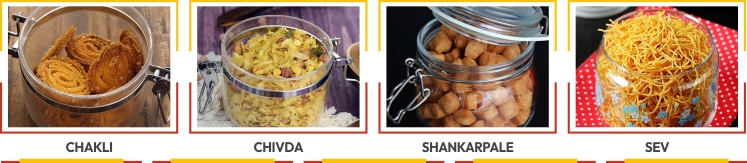
Store them in air-tight containers: Steel containers or tightly covered glass jars are ideal.
Don't mix foods: Keep each snack in a separate box to avoid flavors mixing and moisture transferring.
Add rice grains: A bag of dried rice will absorb any excess moisture from the jar.
Dry your hands: Scoop out snacks using clean, dry hands or a spoon.
If your chakli or shankarpale becomes soft, then you can warm them lightly in the oven or the air fryer for a few minutes. They will become crisp again!
Storage of Indian Sweets (Laddoos, Barfi, Pedas, etc.)
Sweets are extremely crucial during Diwali celebrations. Check out how to store them fresh:
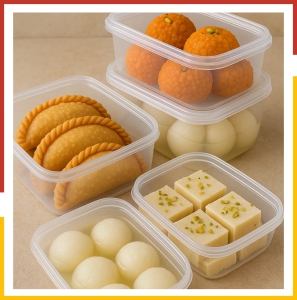
Milk sweets such as rasgulla, kalakand, peda, and milk barfi must be refrigerated and must be eaten within 4 to 5 days.
Dry sweets such as besan laddoo, coconut barfi, or dry fruit rolls may be stored for longer periods outside if stored in air-tight boxes.
Use parchment or butter paper. This prevents sweets from sticking to each other.
Use glass or stainless steel for storing sweets made of milk. Avoid using foil or cling wrap for storage.
Before serving cold sweets, let them sit at room temperature for 10–15 minutes. This makes them easier to digest.
Can You Freeze Diwali Faral?
Yes, you can freeze some of the Diwali sweets, particularly if you've prepared a big batch. But you should learn how to freeze them correctly:
Wrap each candy in butter paper or aluminum foil.
Store in an airtight freezer-safe container or ziplock bag.
Label with date and name of the sweet.
When ready to eat, remove only what is required and allow it to reach room temperature.
Tips for Gift-Giving and Traveling
Diwali also coincides with the time of gifting and meeting relatives. In case you are shipping faral or sending it to relatives overseas, the following tips may be helpful:
Pack tightly and store in airtight containers or vacuum-seal bags.
Steer clear of perishables. Use dry snacks and candies that are travel-friendly.
Add food-safe desiccant packets, as these will draw out moisture.
Use insulated bags or bubble wrap if traveling far.
If you are away from home and craving your favorite faral, The Desi Food has the solution. We host a wide range of Indian sweets and snacks and deliver to over 80 countries worldwide. Buy your favorite Diwali faral online from the US, UK, and have it delivered straight to your doorstep.
Day One to Day Ten – Enjoy The Same Taste
Diwali faral is more than a meal. It comes with memories, warmth, and love. To store it is to respect the labor that goes into making each morsel special. Sweets are as cheerful as the Diwali festival when they are new. So be it if you are having your laddoos on day one or having your chakli on day ten, these storage tips will increase the Diwali sweet shelf life.
Frequently Asked Questions
Which Diwali sweets will last the longest?
Dry sweets such as besan laddoo, dry fruit chikki, shankarpali, and khajur rolls last longer than milk-based mithai.
How do I know if a sweet has gone bad?
Spoiled sweets will be sour-smelling, moldy, or altered in texture. Milk sweets will curdle or go sticky and watery.
Are vacuum-packaged packs suitable for faral storage?
Yes, vacuum-sealing is great for keeping things fresh, particularly if you'll be shipping or storing snacks for an extended time. It locks out moisture and air.
How to keep sweets fresh without a fridge?
Choose dry sweets such as chikki or laddoos. Store in airtight tins, in a well-ventilated cupboard, away from moisture.
Will The Desi Food be sending Diwali treats and snacks to the UAE?
The Desi Food ships to more than 80 countries, such as the UAE, UK, Canada, and a few more. Thus, you can have fresh Indian sweets and snacks no matter where you are in the world.
You May Also Like
View all Articles Festival Special
Onam Sadhya Explained: The 26-Dish Kerala Feast and What Each Dish Means
By thedesifoodAug 23, 2026 Festival Special
What Is Onam? Meaning, Story and Kerala's Harvest Festival
By thedesifoodAug 23, 2026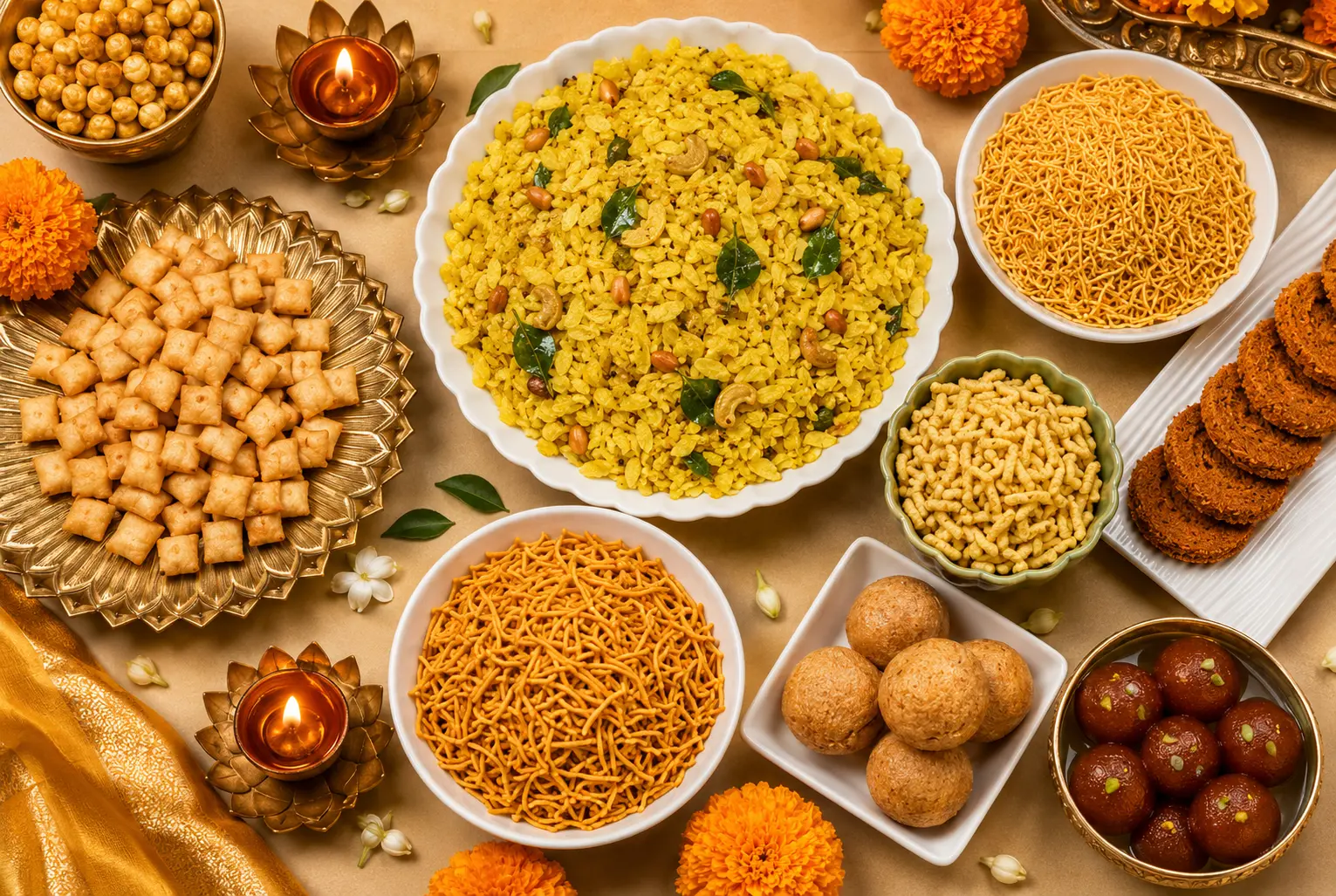 Festival Special
11 Most Popular Diwali Snacks, Namkeen and Farsan
By thedesifoodAug 13, 2026