
Tamil Diwali Sweets - A Taste of Tamil Tradition
Shop Tamil Diwali Sweets online from The Desi Food. Authentic Indian sweets with global delivery to 80+ countries. Taste tradition anywhere!
Latest Articles
 Wellness
What Is Avipattikar Churna? Ingredients, Traditional Uses and Safety
Oct 8, 2026
 Staples
Organic Honey vs Regular Honey: What the Label Covers and What It Doesn't
Oct 8, 2026
 Beauty
8 Best Natural Shampoos for Men to Buy Online in the USA, UK and Beyond
Oct 8, 2026
 Wellness
Best Ayurvedic Herbs for Sleep: 8 Herbs and the Forms They Come In
Sep 30, 2026
Popular Tamil Traditional Diwali Treats You Will Enjoy
A Sweet Tradition Full of Love
Enjoy Tamil Diwali sweets with The Desi Food
Tamil Diwali sweets are a big part of the festive joy during Diwali, or Deepavali as it is called in Tamil Nadu. It is the happiest and brightest moment of the year. Homes are scrubbed and decorated, new clothes are worn, and family members are gathered together, celebrating with light, fireworks, and plenty of delicious food, especially sweets! For children, the most fun thing about Diwali is the delicious sweets made at home. For Tamil families, Diwali sweets are not merely about taste, they are much more about tradition, memory, and love. Each sweet, barfi, and urundai has a story and a special role in the celebration.
Let's go for a sweet ride to visit some of the popular Tamil Diwali sweets that Indians like and are commonly prepared in Tamil households, and what makes them special.
Popular Tamil Traditional Diwali Treats You Will Enjoy
Adhirasam
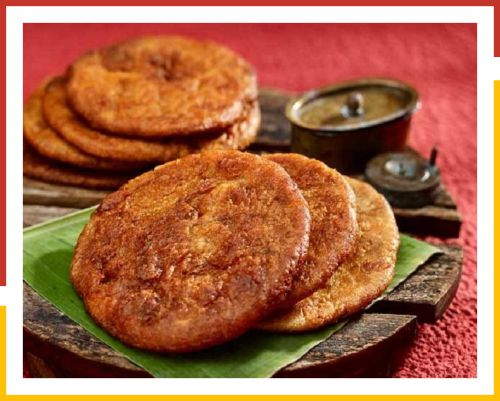
Adhirasam is a very traditional Tamil Nadu Diwali dessert. It is soft and made of rice flour and jaggery. Making an Adhirasam is a slow process and requires patience and care. Rice is soaked, ground, and mixed with jaggery syrup to make a thick dough, which is left overnight. The dough is then flattened and fried till golden brown.
It takes an art to make this ideal Deepavali celebration food - adhirasam. The older generation instructs the younger generation on how to make the dough to perfection. It is a sweet dish, which in fact unites families in the kitchen when the festival arrives. Most families also light small oil lamps around where the adhirasam is stored as they believe that it brings good fortune and more sweetness to the entire celebration.
Mysore Pak
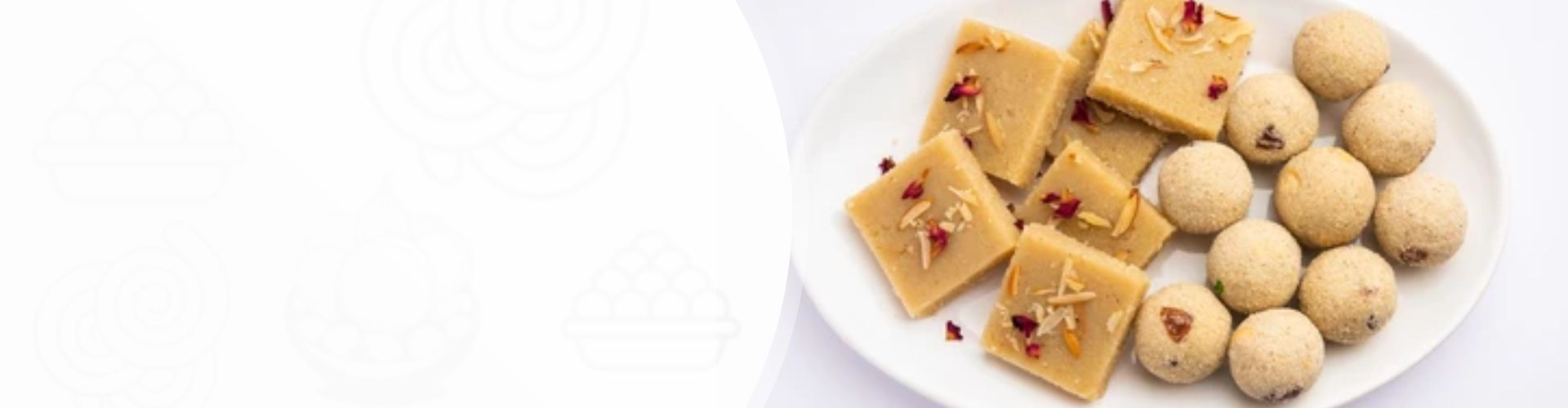
This melt-in-mouth sweet dish is widely popular in Tamil Nadu, although it was originally prepared in the palaces of Mysore. Tamil Mysore Pak is typically ghee-rich and soft in texture. It is prepared using gram flour, ghee, and sugar. It is light and slightly crumbly when well-cooked, with a pleasant yellow color and a great aroma.
It is one of those Hindu sweets for Diwali that makes you hungry even before you take a bite. Most of the sweet shops in Tamil Nadu are famous for their special Mysore Pak on Diwali. Some even add some chopped nuts on top to give a crunchy feel. As soon as you take a bite of this buttery delight, you realize why it's a Diwali essential.
Badusha
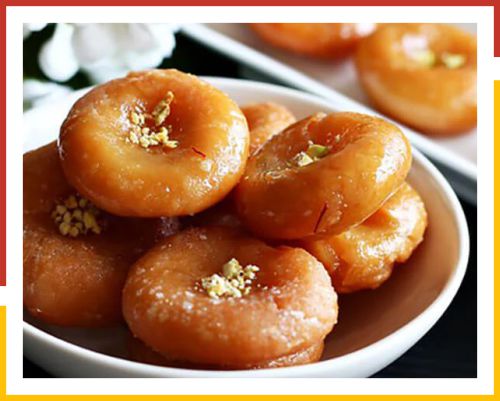
Badusha is a soft, flaky sweet, which is a small, round doughnut with soft folds. It is prepared using maida, a fine wheat flour, and fried slowly so that the inside is soft. It is then immersed in sugar syrup so that it becomes sweet and shiny on the outside.
Kids love to bite into a Badusha—it's crunchy on the outside and soft on the inside. Chopped nuts or edible silver is added by some families to make them look festive. In some houses, kids press their little hands on the dough to impart shape to each Badusha before frying, and it's more fun and memorable.
Maavu Urundai
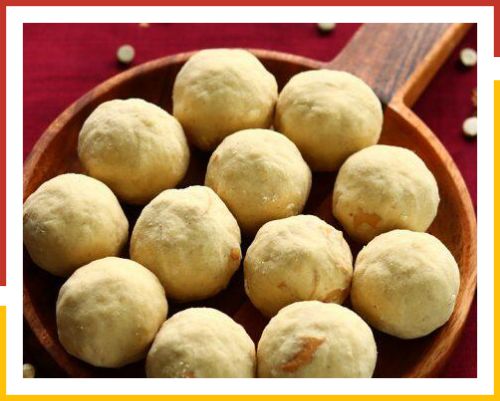
This dessert is similar to besan ladoo and is made of roasted gram flour, sugar, and ghee. In Tamil households, it is known as Maavu Urundai—"maavu" is flour, and "urundai" is a ball. The flour is roasted well to obtain a nutty flavor before it is combined with sugar and ghee.
Maavu Urundai is easy to prepare and nutritious too. Children enjoy rolling hot mixture into small balls, so it is a nice family activity before Diwali. The balls remain fresh for days, so it is perfect for guests during the festival week. When you bite a hot Maavu Urundai, the nutty sweetness will transport you home.
Nei Urundai
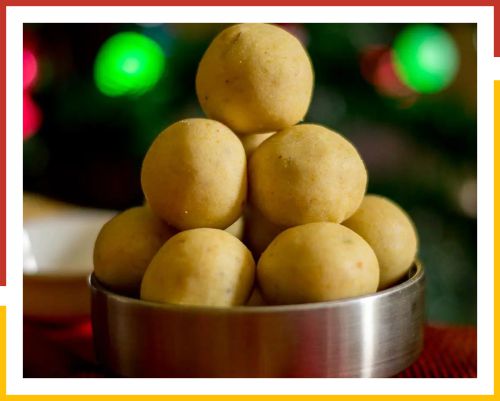
Nei Urundai is a soft and delicious sweet made of roasted moong dal. It is ground and combined with ghee and sugar. The taste is comforting and soothing, and is easily digestible by even small children. In Tamil, "Nei" means ghee, and the taste of the ghee makes these laddus extra special.
At times, a small amount of cardamom is added to make them truly fragrant. Small quantities of these sweets are prepared at home. They are wonderful to offer to friends and family who come visiting. Having a Nei Urundai is like a hug from within, particularly when offered to people you love.
Rava Kesari
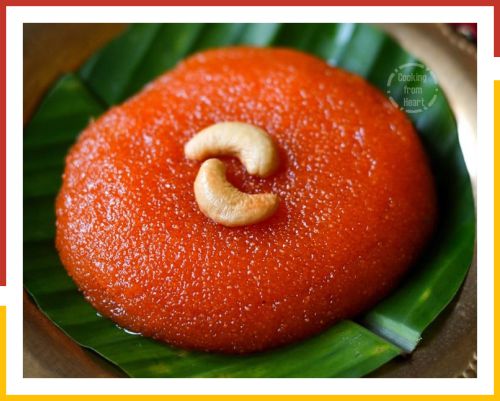
Rava Kesari is a cheerful and vibrant sweet dish prepared with semolina, sugar, ghee, and cardamom. Saffron or orange color is added to give it a festive appearance. It is soft and melts in your mouth, with a sweet fragrance that fills the entire house.
Rava Kesari is most commonly one of the initial sweets that kids help prepare. It cooks fast and scents the house with a heavenly fragrance. A few cashews or raisins are added typically as a surprise in every spoonful. It is a must on Diwali morning after an oil bath and prayers, placing smiles on everyone's face.
Coconut Burfi
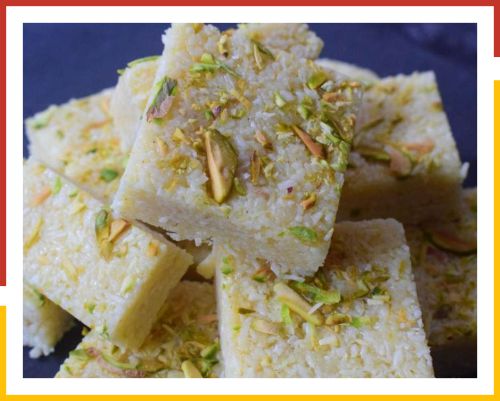
Coconut Burfi is a simple dessert prepared using fresh grated coconut and sugar. It is thickened by cooking and then cut into diamond or square shapes. There are some variations where a little milk or cardamom is added for flavor.
This is one of the highly sought-after Indian Diwali desserts as it is not overly dense and boasts a nice chewy texture. It also looks good if garnished with cashew nuts or dusted with edible silver foil. Some families even color the burfi pale pink or green so that the sweet assortment looks more appealing and enticing.
A Sweet Tradition Full of Love
At Tamil homes, the pre-Diwali days are quite exciting. The kids assist by mixing, shaping, or merely tasting! Some have recipes scribbled in tattered notebooks or passed on by word of mouth. Fumes from ghee, roasted flour, and sugar syrup fill kitchens.
Offering sweets to the gods during Diwali is a significant ritual, particularly to Goddess Lakshmi, who is the owner of wealth and happiness. These homemade sweets are then consumed by the family and also distributed among friends and neighbors. With each bite, you savor not only the sweet but also the years of tradition.
Enjoy Tamil Diwali sweets with The Desi Food.
Tamil Diwali sweets are unique. Ranging from homemade Adhirasam to Mysore Pak, these sweets bring joy and color to the festival. If you wish to enjoy these authentic sweets where you are, The Desi Food has numerous Deepavali sweets and snacks, and we ship to more than 80 countries. Celebrate your Diwali with the authentic taste of home, wherever you are.
Frequently Asked Questions
What are the sweets of Tamil culture?
Some of the sweets that come from Tamil culture are Adhirasam, Mysore Pak, Badusha, Nei Urundai, Maavu Urundai, Rava Kesari, and Coconut Burfi. They are all traditionally made using ghee, jaggery, and rice or lentil flours, and are made during festive times such as Diwali.
How are Tamil Diwali sweets different from other Indian Diwali desserts?
These sweets focus on the use of jaggery, rice flour, and lentils, which provide a rich, earthy flavor. North Indian sweets typically focus on the use of khoya and milk.
Can I buy Tamil Diwali sweets online?
Yes, you can! The Desi Food has a huge selection of authentic Tamil sweets and snacks, with international shipping in over 80 countries.
How long will Tamil sweets stay fresh?
Sweets such as Maavu Urundai, Mysore Pak, and Coconut Burfi will stay fresh for up to a week, as long as they are properly stored in an air-tight container. Adhirasam can last longer if it is stored in an air-tight container as well.
Does The Desi Food carry sugar-free sweets?
Yes, there are a number of sugar-free desserts available on our platform for health-conscious individuals. Please visit our website for our options.
You May Also Like
View all Articles Festival Special
Onam Sadhya Explained: The 26-Dish Kerala Feast and What Each Dish Means
By thedesifoodAug 23, 2026 Festival Special
What Is Onam? Meaning, Story and Kerala's Harvest Festival
By thedesifoodAug 23, 2026 Festival Special
11 Most Popular Diwali Snacks, Namkeen and Farsan
By thedesifoodAug 13, 2026