Organic Honey vs Regular Honey: What the Label Covers and What It Doesn't
Organic honey is about where bees feed, not how honey is made or how it tastes. See what separates organic and regular jars, and how to choose.
Latest Articles
 Wellness
What Is Avipattikar Churna? Ingredients, Traditional Uses and Safety
Oct 8, 2026
 Beauty
8 Best Natural Shampoos for Men to Buy Online in the USA, UK and Beyond
Oct 8, 2026
 Wellness
Best Ayurvedic Herbs for Sleep: 8 Herbs and the Forms They Come In
Sep 30, 2026
 Wellness
Giloy Benefits and Uses: What Guduchi Is and the Forms It Comes In
Sep 30, 2026
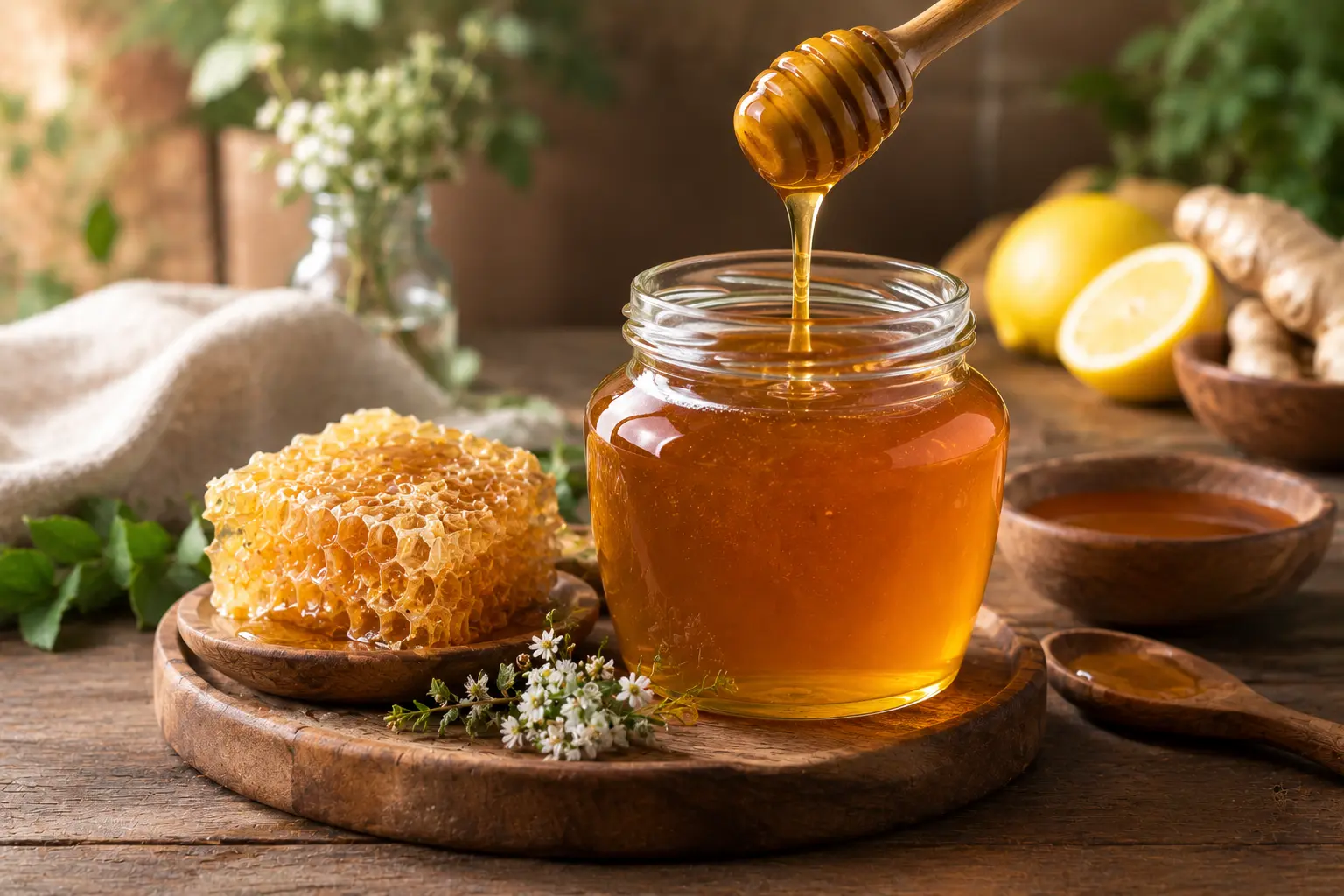
Two jars of honey sit side by side on the shelf. Same colour, same size. One says organic and costs more.
You want to know what the extra money buys. Here is what the organic label covers, what it leaves out, and what lab tests found when they compared the two.
Quick Answer
Organic honey comes from hives kept under organic rules. The bees forage on land that is mostly free of synthetic sprays, and the hives are not treated with synthetic chemicals.
That is the full difference. The label does not tell you if the honey is raw, how it was processed, or how it will taste.
In lab studies comparing the two, the flowers the bees fed on made a much bigger difference than whether the honey was organic.
What "Regular" Honey Means
"Regular" is not a term you will find on a label. It means honey without an organic certificate.
That covers a lot of ground. A raw jar from a small beekeeper is regular honey. So is a clear, blended supermarket honey. So is a dark forest honey that was never certified.
Some regular honey is heated and finely filtered so it stays runny and clear. Some is not. The word "regular" tells you nothing either way.
What the Organic Label Tells You, and What It Doesn't
What it covers:
Where the bees fed. The land around the hives has to be mostly organic crops or wild plants, away from farms that spray.
How the hives were kept. Synthetic chemicals for treating the hives are not allowed.
Who checked it. A certifier inspected the beekeeper against a set of rules.
What it does not cover:
Whether the honey is raw. Organic honey can be heated and filtered like any other honey.
How it tastes. Taste comes from the flowers, not the certificate.
Whether it is safe for babies. Organic or not, honey should not be given to a child under one year old.
Bees fly a long way from the hive, and no beekeeper can see every flower they visit. That is why the rules speak of land that is "mostly" organic.
Look for the certifier's name or logo on the jar. The word "organic" with no certifier behind it tells you very little.
Raw vs Organic: Two Different Questions
Raw is about what happened to the honey after it left the hive. Organic is about what happened before.
A jar can be both, either, or neither. Raw organic honey exists, and so does heated organic honey.
Our guide to organic raw honey benefits explains what raw, pure, organic and unfiltered each mean on a jar.
Organic vs Regular Honey at a Glance
Organic honey | Regular honey | |
|---|---|---|
What the label describes | Forage land and hive care | No specific farming rules |
Checked by | A named certifier | No organic inspection |
Raw or processed | Can be either | Can be either |
What decides the taste | The flowers the bees fed on | The flowers the bees fed on |
Lab differences | Small and mixed | Small and mixed |
For babies under one year | No | No |
What Lab Studies Found
Few studies have compared organic and regular honey directly. The two below are small, and both used honey from one country. Still, they point the same way.
The type of honey mattered more than the farming method. A study of conventional and organic honeys tested five kinds of honey, each in an organic and a regular version. For most of the things measured, the kind of honey explained far more of the difference than the farming method.
On average, the organic samples in that study had a little more vitamin C and flavonoids. The regular samples had slightly more total phenolics. The authors called their work a pilot study and said more research is needed. They also noted that honey is not an important source of vitamin C.
The two groups were hard to tell apart. A study of the phenolic profile of organic and conventional honeys tested 11 organic and 11 regular honeys. The researchers could not cleanly separate the two groups. Only one plant compound, chrysin, was clearly higher in the organic jars.
Darker honeys held more plant compounds. In both studies, dark honeys like buckwheat and forest honey had more phenolic compounds than pale ones, whether organic or not.
These are lab measurements of what is in the jar. Neither study tested what the honey does in the body, and neither shows that organic honey is better for you.
How to Choose a Jar
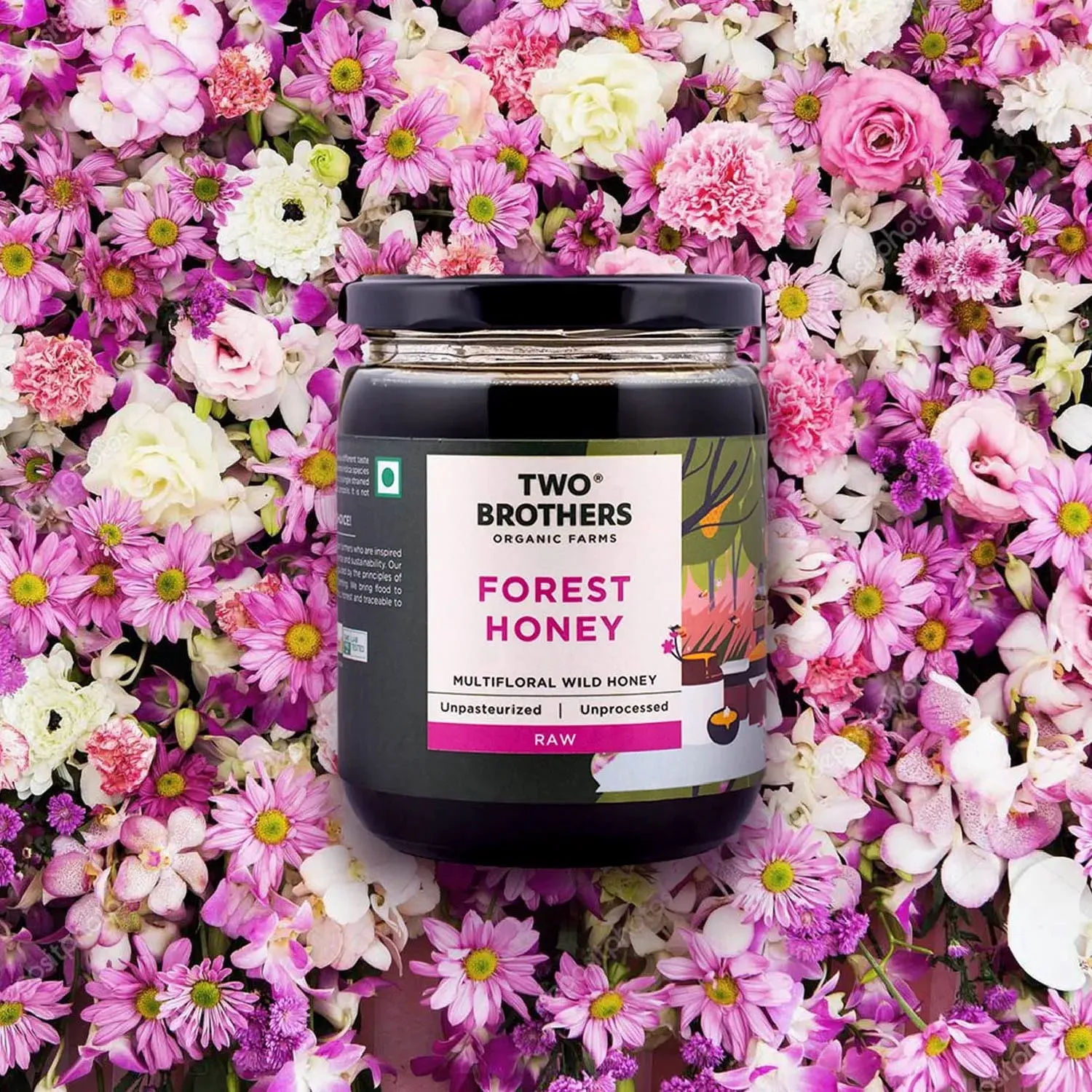
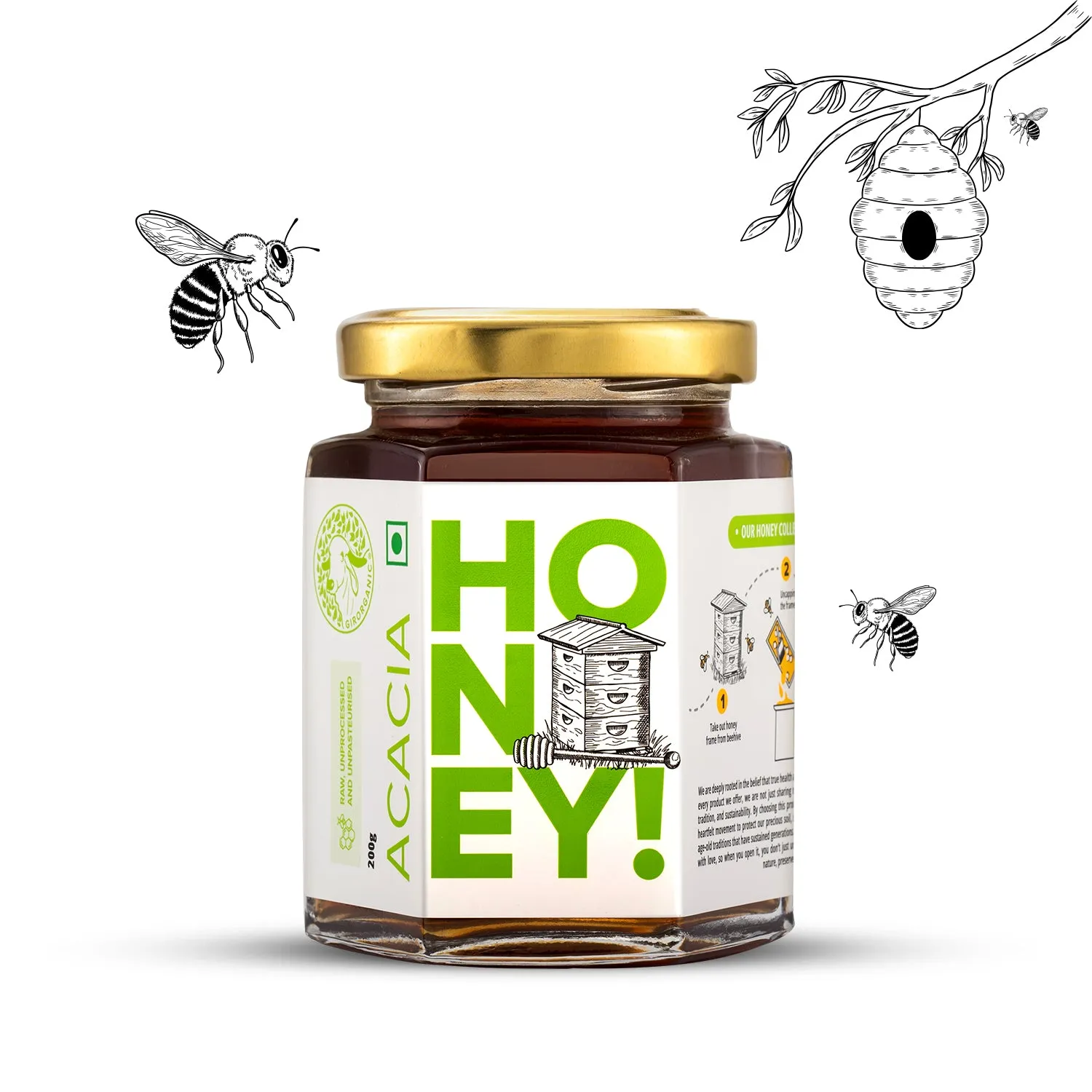
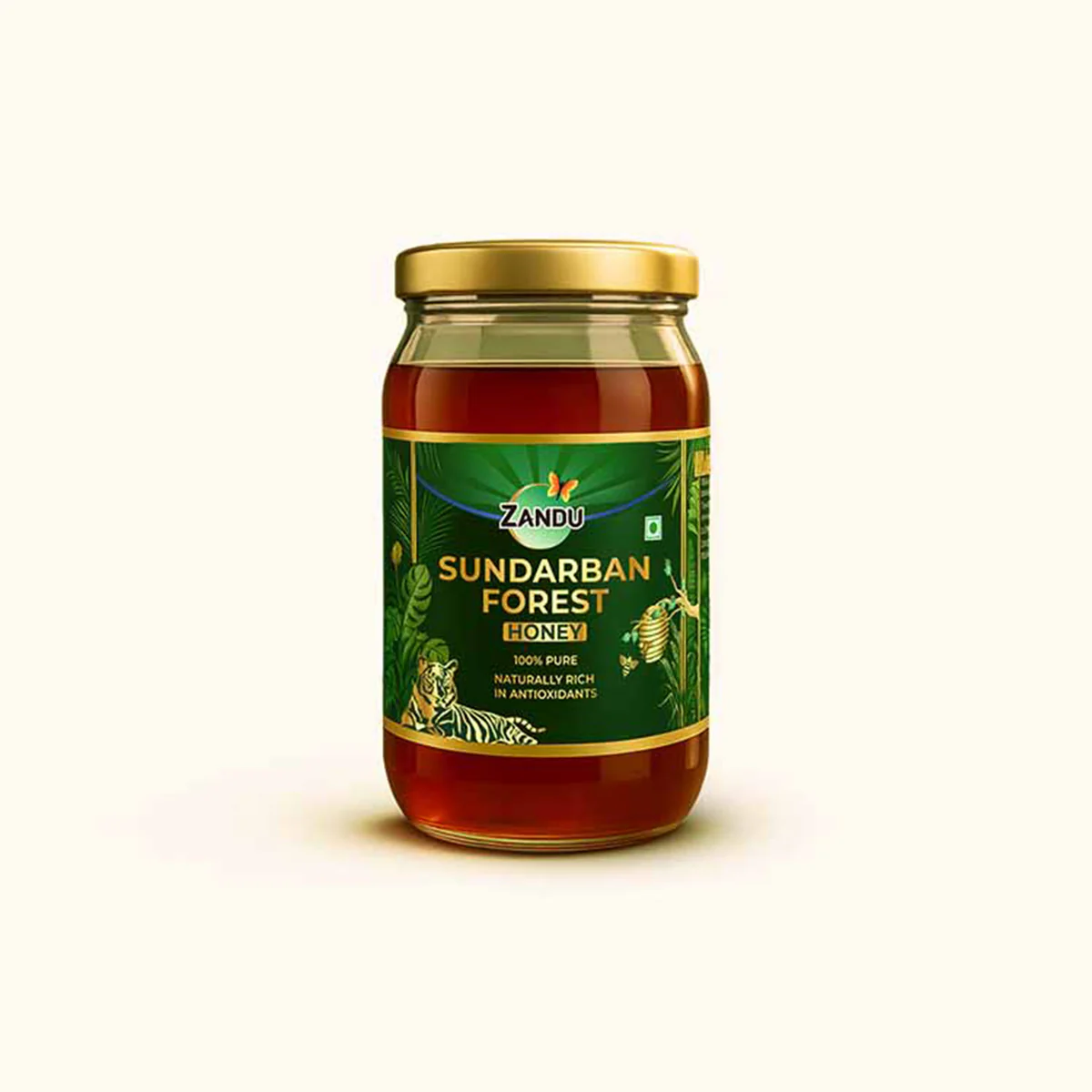
1. Start with the flowers. The flower source changes the honey more than anything else. Acacia honey is pale and mild. Buckwheat is dark, with a malty, almost molasses edge. Forest honey from mixed wild plants sits somewhere between, often with a woody finish.
2. Take the flower label as a guide, not a guarantee. In the second study, pollen tests found that most jars did not match the flower type the beekeeper had declared. Many "single flower" honeys were mixed. A named flower tells you what to expect, not what is certain.
3. Check the processing if texture matters to you. Raw and unfiltered honey tends to look cloudy and turn grainy sooner. Heated, filtered honey stays clear and runny for longer. Pick the one that suits how you use it.
4. If you buy organic, look for a named certifier. The certifier's name or logo is what gives the word "organic" its meaning.
5. Use it where you can taste it. Stir honey into warm water or tea once it has cooled a little, not straight off the boil. Strong heat flattens the aroma. Our list of the best tea for sore throat shows how to brew each cup and when to add the honey.
Honey is also a base ingredient in chyawanprash, the thick herbal jam. Our ultimate guide on chyawanprash covers what goes into it.
Honey Delivered to Your Door
If you want to taste the difference flowers make, try honeys from different sources side by side.
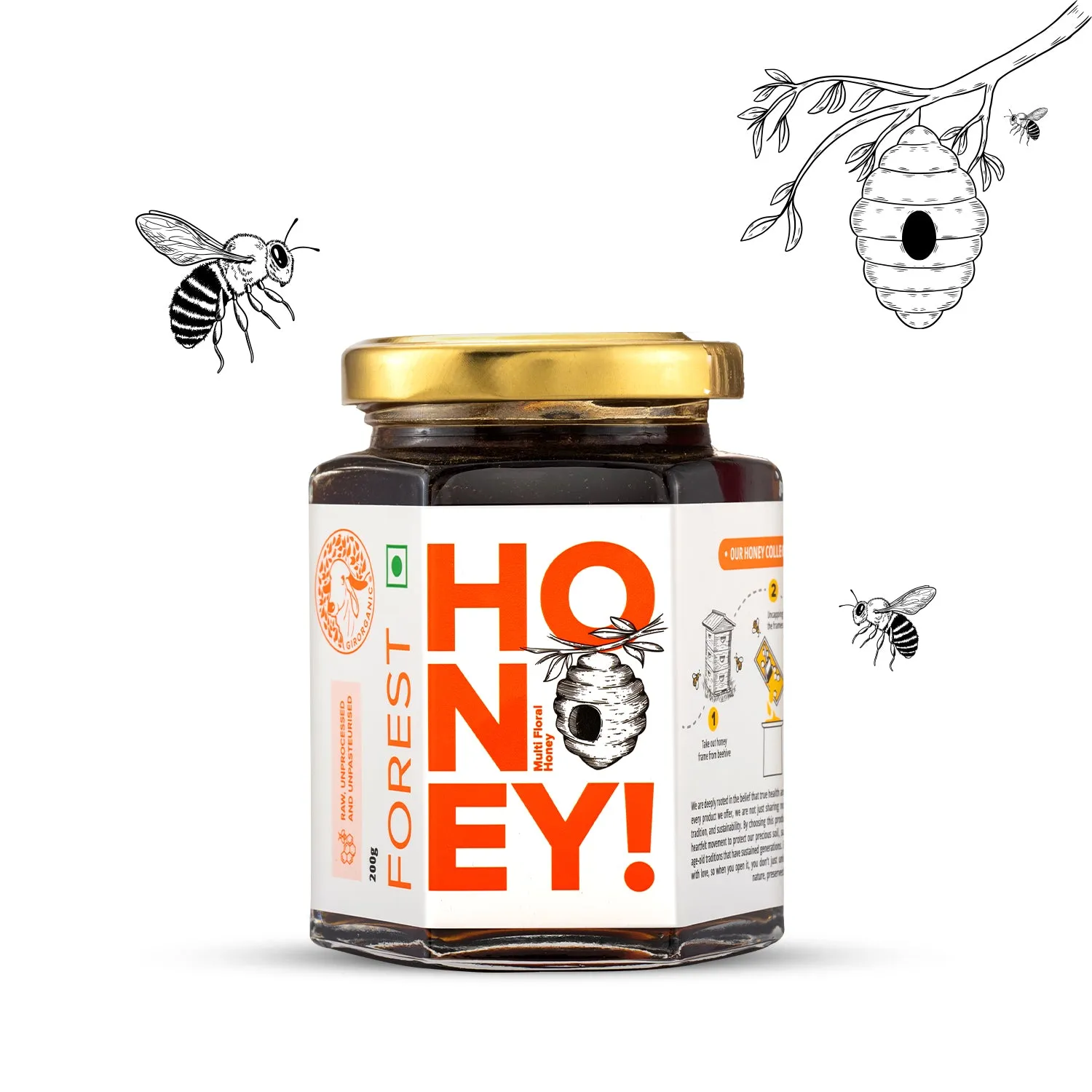
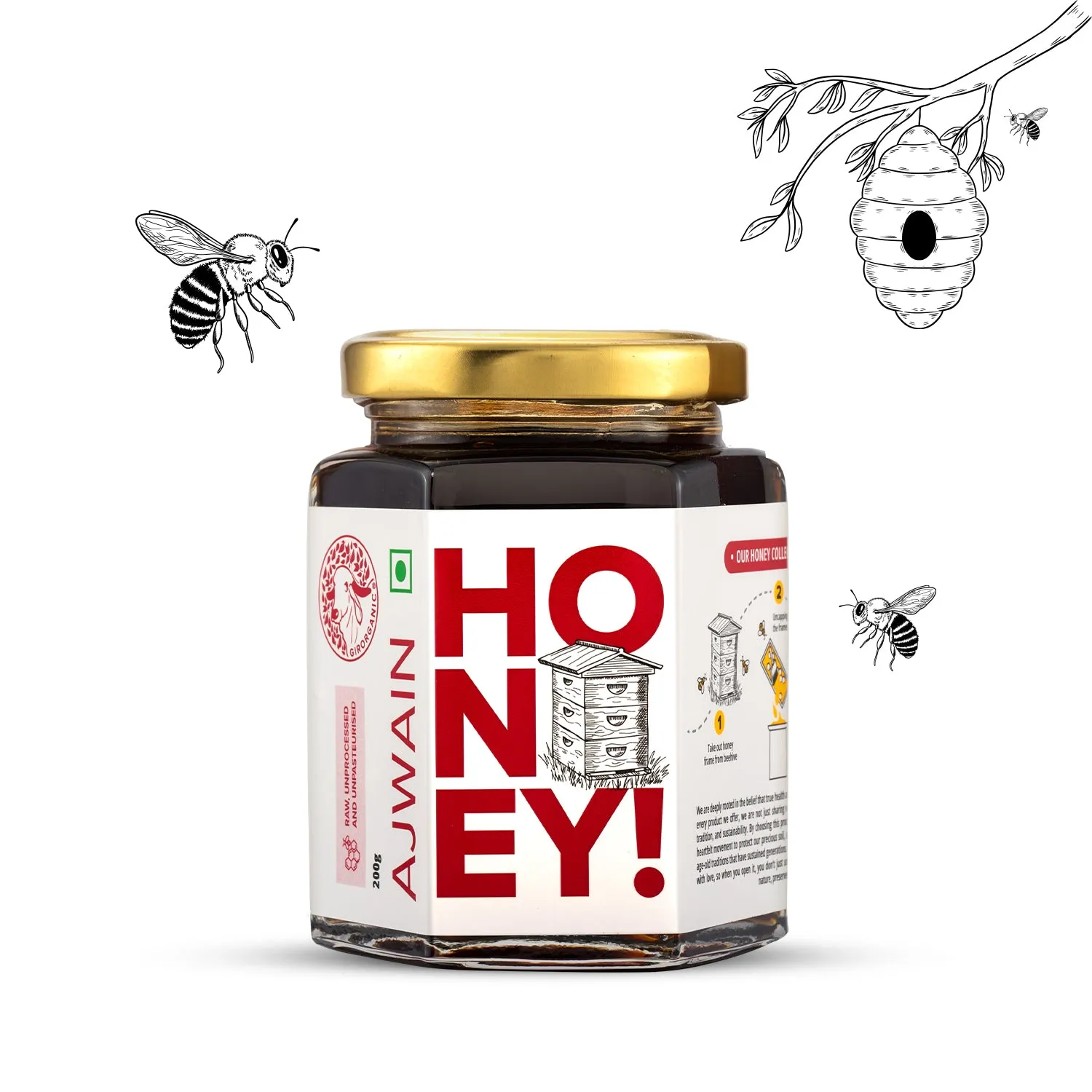
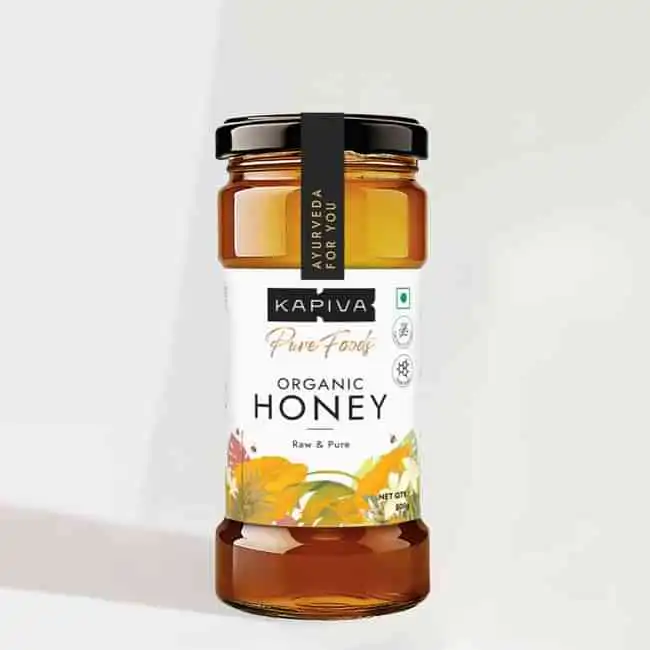
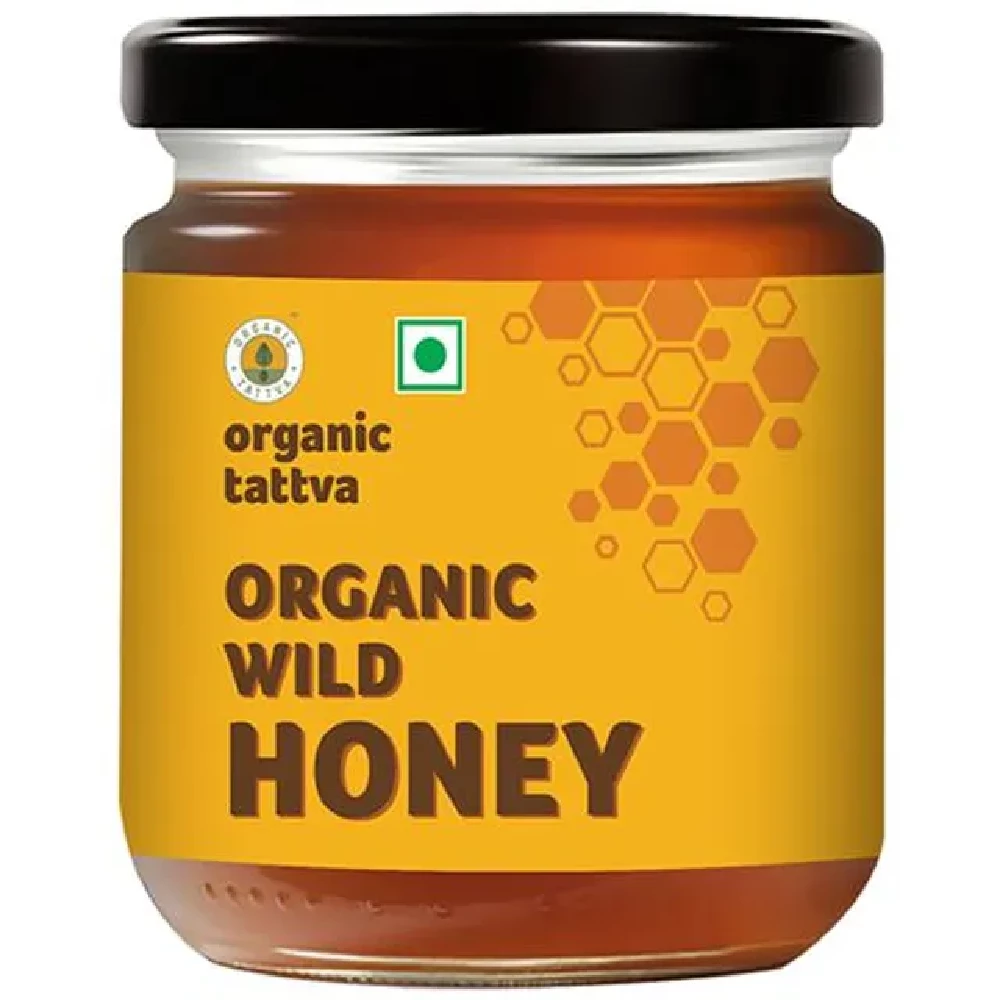
Gir Organic lists forest, ajwain and acacia honeys. Kapiva sells a honey it labels organic.
Product details, certifications and processing claims come from each manufacturer, so read the label on the jar you choose.
TheDesiFood offers doorstep delivery worldwide, including the USA, UK, Middle East, Australia and Canada.