
Nalpamaradi vs Kumkumadi Thailam: How These Two Kerala Face Oils Differ
Compare Nalpamaradi and Kumkumadi Thailam, their ingredients, skin benefits, uses and differences to find the right Ayurvedic face oil for your skin.

Latest Articles
 Wellness
What Is Avipattikar Churna? Ingredients, Traditional Uses and Safety
Oct 8, 2026
 Staples
Organic Honey vs Regular Honey: What the Label Covers and What It Doesn't
Oct 8, 2026
 Beauty
8 Best Natural Shampoos for Men to Buy Online in the USA, UK and Beyond
Oct 8, 2026
 Wellness
Best Ayurvedic Herbs for Sleep: 8 Herbs and the Forms They Come In
Sep 30, 2026
What each oil actually is
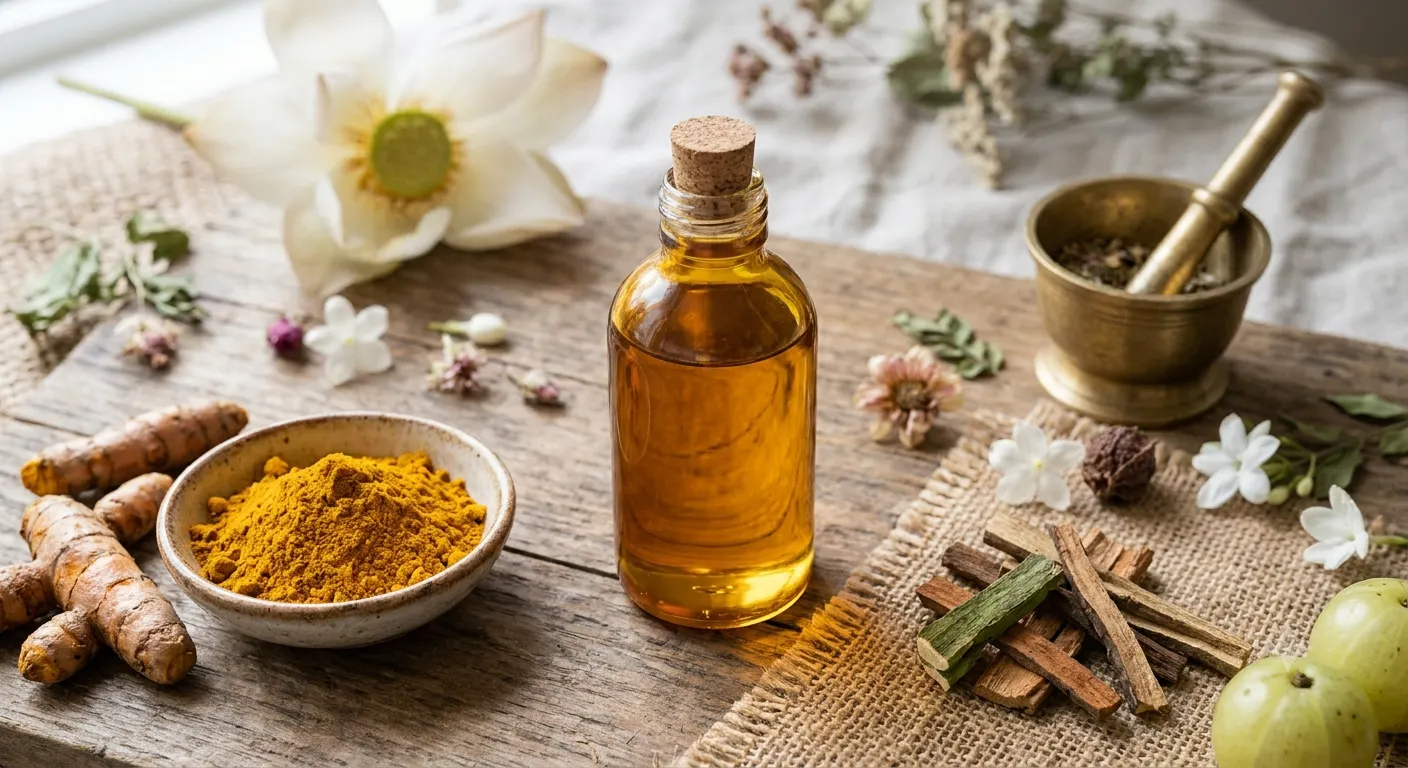
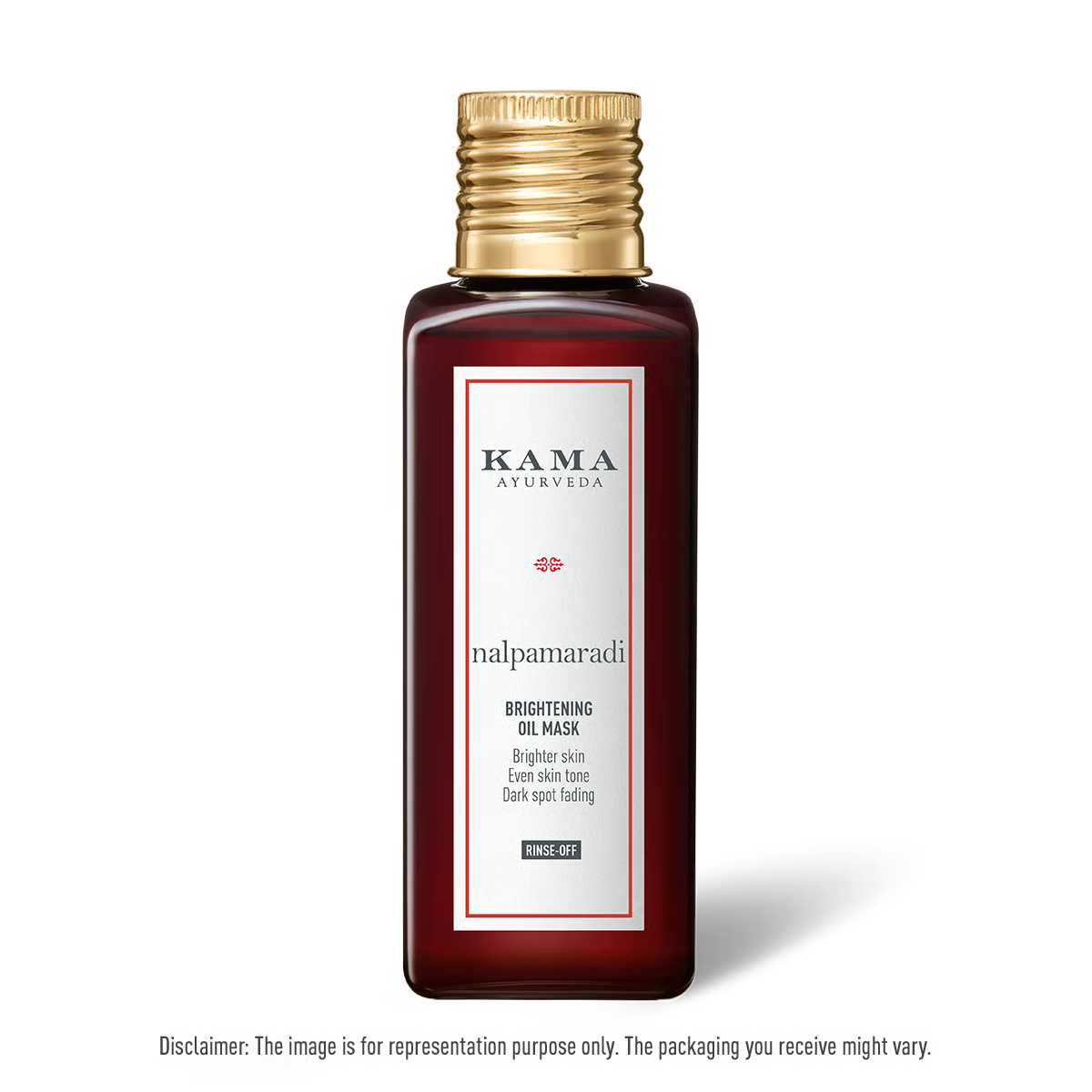
Nalpamaradi (named after nalpamara) is a classical Ayurvedic compound of four fig tree barks (peepal, banyan, cluster fig, and Indian laurel fig). Infused with these barks are brightening herbs like turmeric, which gives the oil its signature golden hue and does most of the word of fading tan and evening out tone. It’s a preparation households have reached for over generations, by regularly applying the formula to sun-darkened arms, legs and even the face as well. Most brands make their own formulation, so there’s a fair bit to choose from. Here’s a few worth comparing:


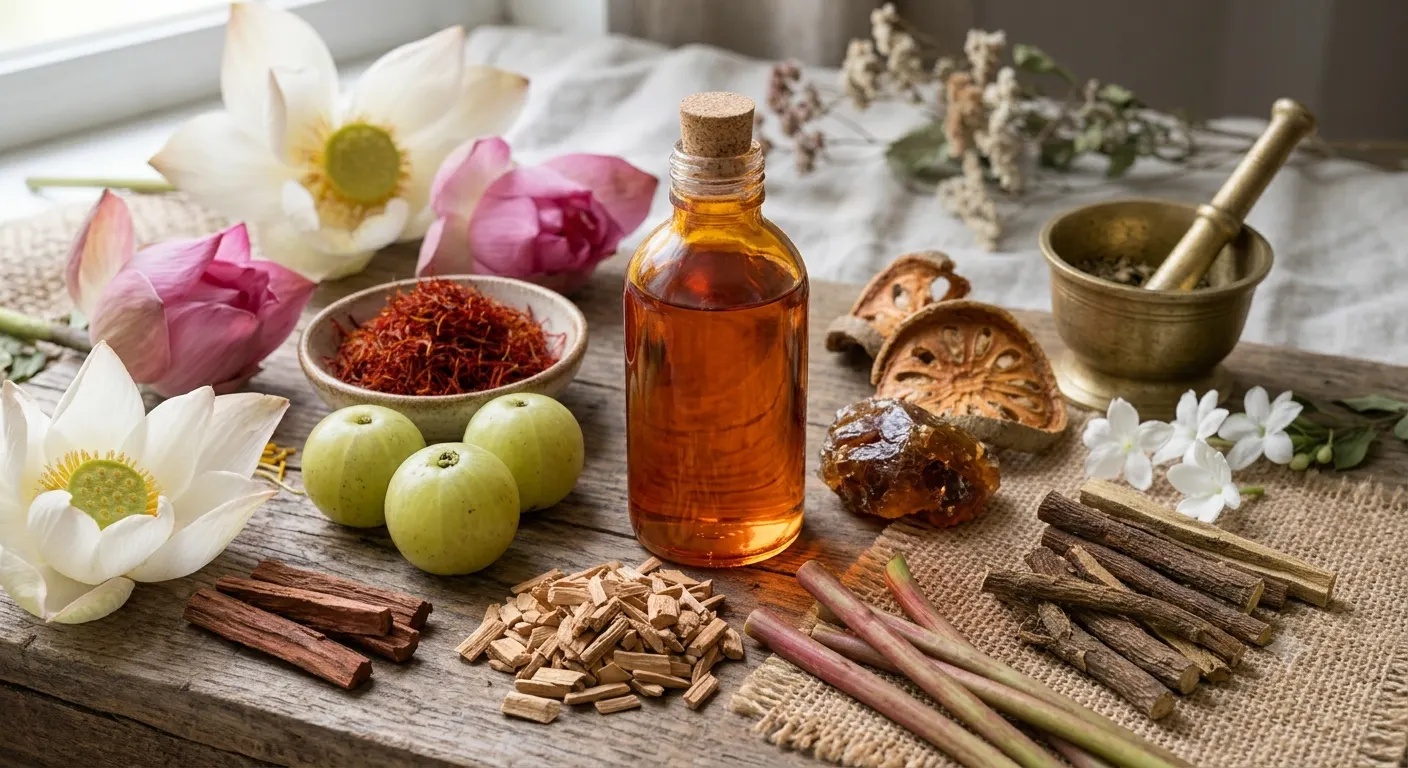
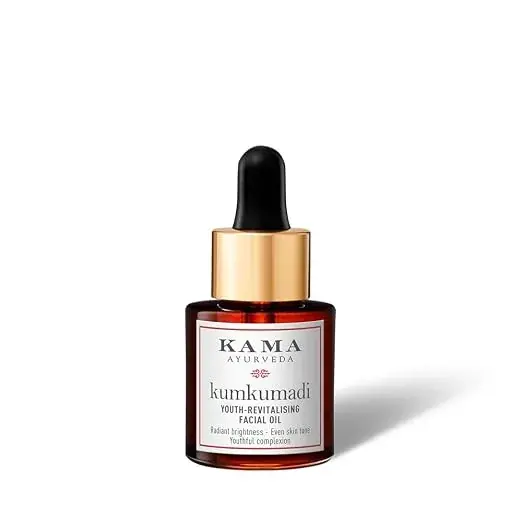
Kumkumadi (named after kumkuma or saffron) pairs precious saffron threads with manjistha and red sandalwood and a handful of other potent herbs. Traditional recipes infuse these into a nourishing base of sesame oil and traditionally, goat's milk, cooked slowly to draw the color and essence of herbs into the oil. The result is a denser, more concentrated facial oil, used a few drops at a time, to restore the face and help fade fine lines and wrinkles. Saffron is one of the costliest spices in the world, which is most of why this is the pricier oil of the two. Here’s a few options to compare:


Keram vs. Thailam? What's The Difference?
You’ll often see Nalpamaradi sold as both Keram and Thailam, and the difference is only the oil the herbs are cooked into: the formula itself is the same. Keram means it's prepared in a coconut-oil base, while Thailam usually means a sesame oil base. Neither base changes what the herbs do, it changes how the oil feels and whom it suits. Coconut feels lighter on the skin and absorbs quickly, which suits warm, humid days, oilier skin types, and overall an easy daytime pick. Sesame oil feels heavier and denser, which is ideal for deeper nourishment and nighttime usage. Thailam, Tailam and Taila are different regional terms of the same word, all of them refer to the same sesame oil base. If a lighter coconut oil base is the one for you, these are the options you can look at:


How They Differ At A Glance
Nalpamaradi | Kumkumadi | |
|---|---|---|
Main ingredients | Four fig barks + turmeric | Saffron (+ manjistha, sandalwood, licorice, lotus) |
Base | Coconut (Keram) or sesame (Thailam) | Sesame oil, traditionally prepared with goat milk |
Mainly for | Tan, uneven tone, dark patches, dullness | Glow, radiance, early fine lines and wrinkles |
Where you use it | Face and body | Face and neck |
Texture & colour | Rich, strong yellow, can stain bedding and clothes | Lighter usage, used in drops |
Price | Affordable | Premium (presence of saffron) |
Best for | De-tanning and evening out skin | A luxury glow-and-anti-ageing ritual |
Which One Is For Me?
The quickest way to see it: Nalpamaradi is a pigmentation and tan oil, Kumkumadi is a restoration and ageing oil. They overlap on the promise of brighter, more even skin, but they get there differently, and they're not always aimed at the same person. Price follows from that difference too: Nalpamaradi is an everyday staple, while Kumkumadi a considered buy. Match the oil to the concern that bothers you most, and your choice becomes simple.
Pick Nalpamaradi for these benefits and uses:
removal of pigmentation, dark patches and marks
evening out skin tone from sun exposure
an affordable brightening treatment you can use across your face, arms and legs
Pick Kumkumadi for these benefits and uses:
help with early fine lines, wrinkles
reducing the loss of skin elasticity
a clearer, radiant complexion
a concentrated luxurious treatment for your face
Can I use both?
Yes! The two oils are different tools for different concerns, but that does not mean you cannot use them together. Many use Nalpamaradi for de-tanning (often as a body oil) and Kumkumadi as a luxurious nightly facial glow oil. If you decide to use both, introduce them one at a time, a couple of weeks apart, so you know which one your skin is responding to.
How to Use Each One Safely
Usage directions for these oils vary a lot online, from leave-on times, to how often, day or night; because different makers formulate and intend them differently. The instruction that actually applies to your bottle is the one printed on it, so follow the directions and frequency your brand gives. Start slow, and build up as your skin allows.
Nalpamaradi is usually massaged into clean skin, left on for a while, and then can be washed off with a mild cleanser. Because it’s built on turmeric, it can stain clothes and pillowcases yellow, so give it time to absorb before you dress. A little goes a long way.
Kumkumadi is used sparingly: a few drops pressed into the face and neck. Warming the Kumkumadi drops between your palms first helps them spread and sink in rather than sit on the surface. It is generally a night-time oil.
Before you use either one:
Neither is a sunscreen. Brightening work can easily be undone by the sun, so use a separate broad-spectrum SPF 30+ in the day.
Patch test first. Dab a little bit of product on the inner arm for a day or two. Avoid usage if you get redness, itching or small bumps.
Pregnant, breastfeeding, or on prescription skincare? Consult with a doctor or Ayurvedic practitioner before you start, especially if you have an existing skincare routine.
Keep the product away from the eyes, and off broken or inflamed skin.
Buying the real thing. This matters most with Kumkumadi, because saffron is expensive, and cheap “Kumkumadi” oils sometimes lean on synthetic colour to fake the deep red look. Genuine saffron oil has a natural, uneven colour rather than a flat, bright dye-like one. Buy from a maker that names its ingredients in full, and check the base you’re getting, whether it is coconut oil Keram or sesame oil (Thailam/Tailam/Taila).


