
Onam Sadhya Explained: The 26-Dish Kerala Feast and What Each Dish Means
Onam Sadhya Explained: The 26-Dish Kerala Feast and What Each Dish Means
A banana leaf lands in front of you. Over the next ten minutes, people walk past with buckets and ladles and put about twenty different things on it. Nobody stops to explain what any of them are. Everyone else seems to know exactly which corner to eat from first.
This guide is the explanation nobody had time to give you. It covers what a sadhya is, why the number 26 keeps coming up, what every dish on the leaf actually is, the order it all arrives in, and how to eat it without guessing.
If you are cooking one rather than eating one, there is a sadhya shopping list further down with the items worth ordering rather than hunting for. If you are new to the festival itself, start with our guide to what Onam is and come back.
What is an Onam sadhya?
A sadhya is a vegetarian feast from Kerala, in the south of India, served on a fresh banana leaf and eaten with your hands. The word simply means banquet in Malayalam. When it is served for Onam, Kerala's harvest festival, it is called an Onasadhya.
It is always lunch, never dinner. It is always vegetarian, with no meat, fish or egg on the leaf. And it is always served, not helped yourself to, with servers moving down the row topping up whatever is running low.
The last point is the one visitors find strangest and end up liking most. You do not build your own plate. The meal arrives in a fixed order, and your job is to keep up.
Why 26 dishes?
There is no rule that says 26. It is the number most often quoted because a full traditional spread lands somewhere between 24 and 28 items, and 26 sits neatly in the middle.
In practice the count moves a lot. A home sadhya might have 10 or 12. A large catered one can run past 30. The Vallasadya served at the Aranmula temple during Onam season goes past 60.
What does not move is the shape of the meal. Sour, sweet, salty, bitter, sharp and savoury all have to be on the leaf, and the meal moves through them in order rather than all at once. That structure is the real tradition. The number is just how many dishes it took that year.
How the leaf is laid out
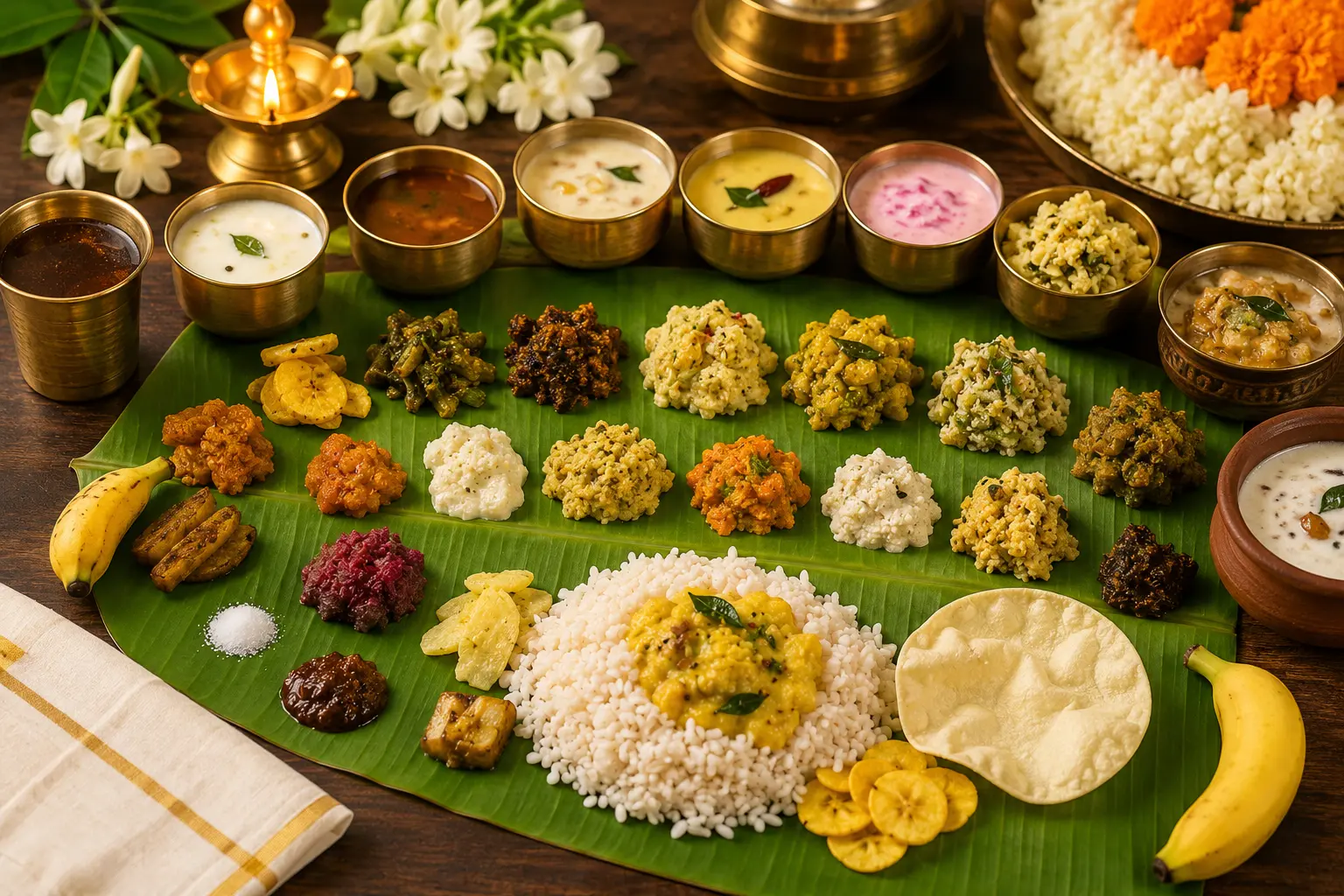
The leaf is not a plate you fill at random. Every item has a spot, and the layout is the same across Kerala with small local differences.
Tip to your left. A banana leaf is narrow at one end and broad at the other. The narrow tip points left, the wide end right. Getting this backwards is the most common mistake first timers make.
Top half, away from you: the small and strong things. Pickles, the crisp items, the ripe banana, the sharp ginger relish. These are the things you take a pinch of, not a spoonful.
Bottom half, closest to you: rice and everything poured over it. This is your working area.
The logic is simple once you see it. Anything you eat a little of at a time sits out of the way, up top, where it stays clean. The rice sits where your hand naturally goes.
Before the food arrives, someone sprinkles a little water on the leaf and wipes it. That is partly cleaning and partly a small courtesy to the person about to eat.
Every dish on the leaf
Here is the full 26, grouped the way they appear.
The top edge: small, sharp and crisp (8)
1. Uppu (salt). The first thing on the leaf, placed at the far left. It is there so you can adjust anything, and traditionally so the meal begins with the most basic taste of all.
2. Pazham (ripe banana). A small ripe banana, usually the short Kerala variety. Most people mash a piece of it into payasam at the end.
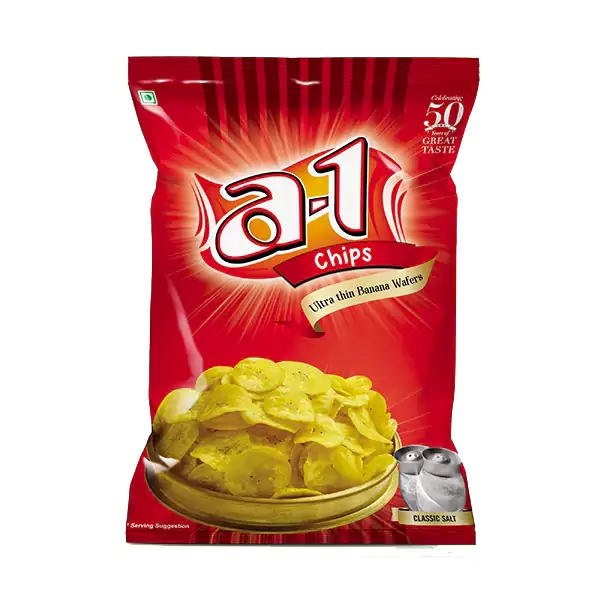
3. Kaya upperi (banana chips). Raw banana sliced thin and fried in coconut oil, lightly salted. Kerala chips are cut thicker and taste completely different from the sweet dried banana chips sold in western supermarkets. Buy them rather than make them, even in Kerala. A1 makes the ones most people know.
4. Sharkara varatti. The sweet counterpart. Thicker pieces of banana fried and then coated in jaggery with dry ginger and cardamom. Sticky, dark and slightly spicy. If you only take one thing from the top edge, take this. You can buy it ready made, which is what most families do.
5. Pappadam. A thin lentil wafer, fried until it puffs. In Kerala it is usually broken over the rice and payasam rather than eaten whole. Papads keep for months, so this is an easy one to have ready early.
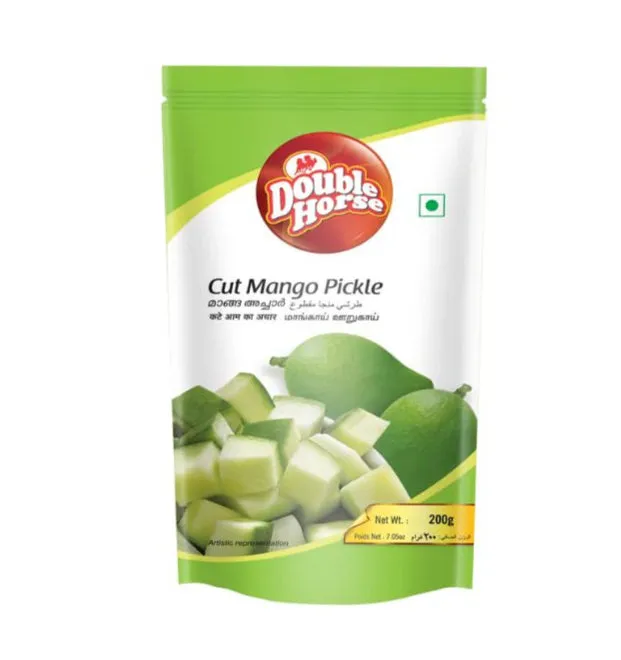
6. Manga achar (mango pickle). Sharp, salty and hot. A pinch is enough. The Kerala style cut mango pickle is the usual one, though the small whole vadu mango pickle turns up in many homes.
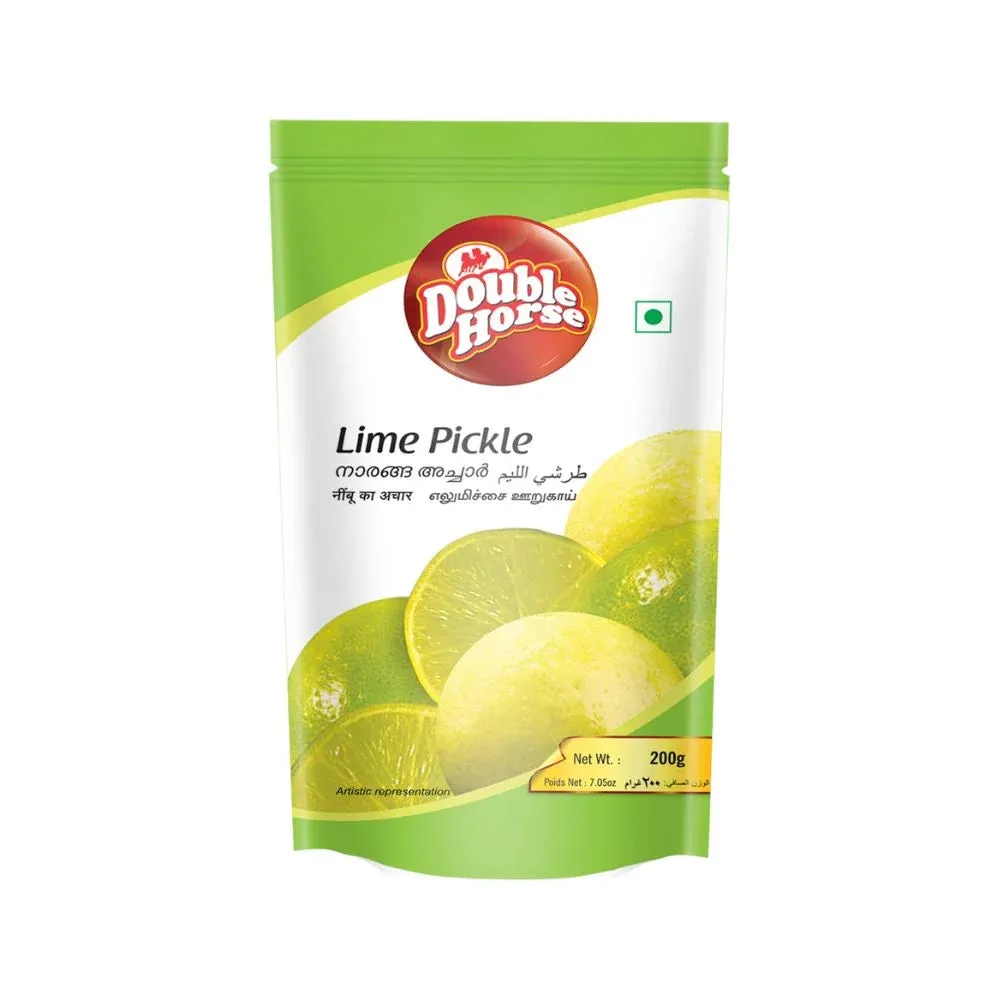
7. Naranga achar (lime pickle). Softer and more sour than the mango. It cuts through the coconut heavy dishes that come later. Double Horse make a Kerala style one.
8. Inji puli. Also called puli inji, and the dish people remember. Ginger cooked down with tamarind, jaggery and chilli into something dark, thick and sour and sweet and hot all at once. Traditionally the first thing tasted on the leaf. A tiny amount goes a long way.
The vegetable dishes (10)
9. Thoran. Finely chopped vegetables, usually cabbage, beans or raw banana, stir fried dry with grated coconut, mustard seeds and curry leaves. Not a curry. It should be almost dry.
10. Mezhukkupuratti. Vegetables tossed in oil until the edges catch, most often yam or raw banana. The name means coated in oil. Simple and slightly crisp.
11. Avial. The signature dish. A mix of vegetables cut into thick fingers, cooked in a loose coconut, yoghurt and green chilli gravy, finished with raw coconut oil and curry leaves. If a sadhya has only one vegetable dish, it is this one.
12. Olan. Ash gourd and black eyed beans in thin coconut milk. Almost no spice at all. It is deliberately the quietest thing on the leaf, and it gives your mouth somewhere to rest.
13. Kaalan. Raw banana or yam in a thick, sour yoghurt and coconut gravy, cooked down until it clings. Rich and tangy. It keeps well, so it is often made the day before.
14. Erissery. Pumpkin and black eyed beans, with roasted coconut stirred in at the end. Earthy and slightly sweet from the pumpkin.
15. Kootu curry. Ash gourd or yam with black chana and coconut, again with a roasted coconut finish. Close to erissery, but with more bite from the chana.
16. Pachadi. A sweet and sour yoghurt dish, usually with pineapple, and often with a little jaggery and mustard. Sits between a side dish and a chutney.
17. Kichadi. The savoury version of the same idea. Cucumber or okra in thick yoghurt with coconut and mustard. Cooling, and good against the pickles.
18. Pulissery. A thin, gently sour yoghurt curry, often with ripe mango or ash gourd, poured over rice near the end of the meal. Some families serve pulissery and skip kaalan, or the other way round.
Rice and the things poured over it (5)
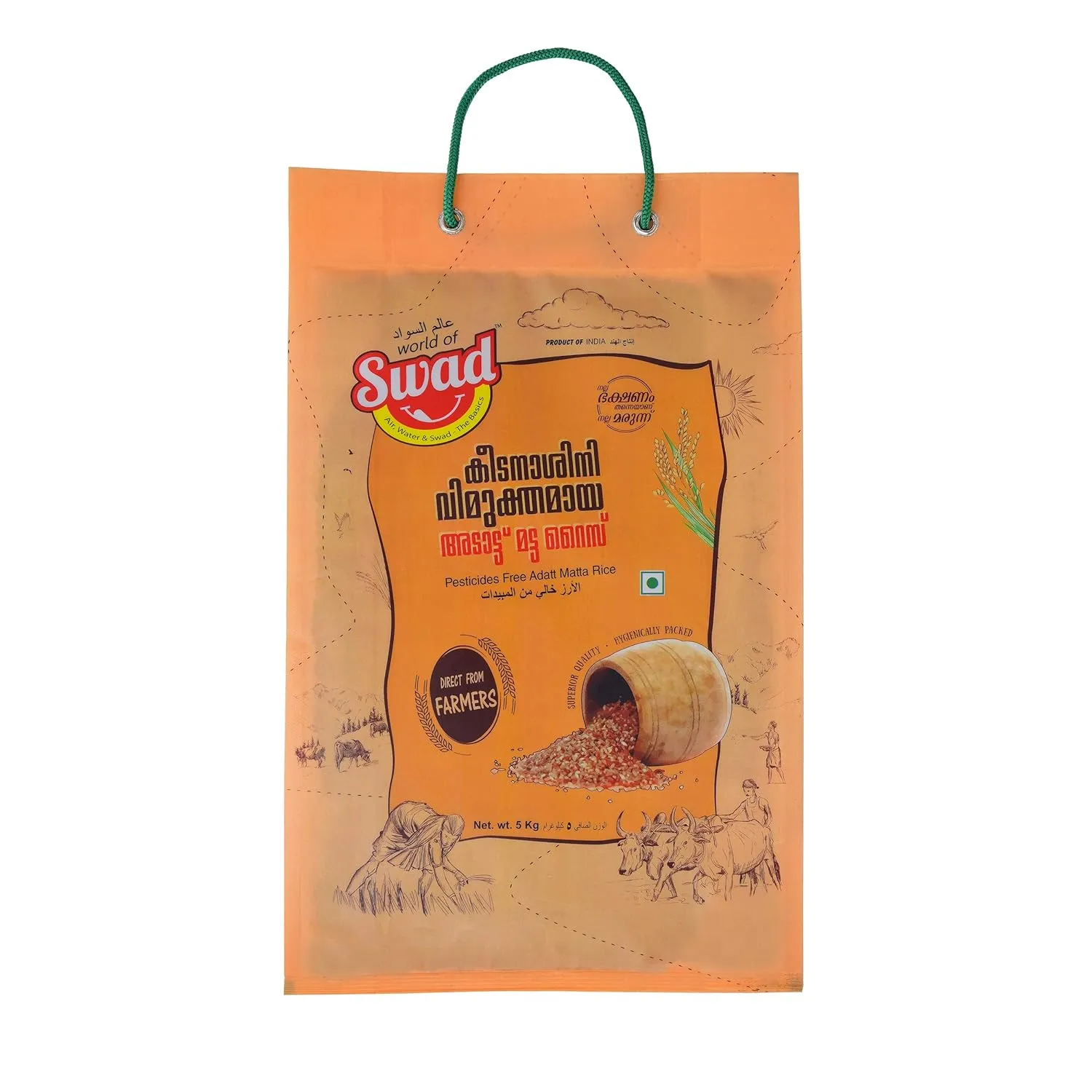
19. Choru (rice). Matta rice, the red parboiled rice of Kerala, is traditional. It is chewier and nuttier than white rice and stands up to being mixed by hand. Plain white rice is used in many homes and is perfectly acceptable. There is also a broken matta if you prefer a softer grain.
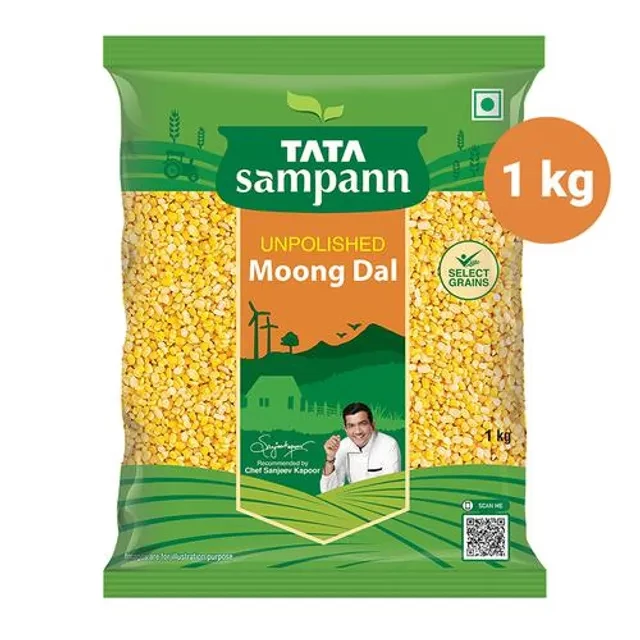
20. Parippu. Split moong dal cooked soft with coconut and cumin, served over the first serving of rice with a spoon of ghee on top. This is the opening course, and it is meant to be eaten before anything sour arrives.
21. Sambar. Toor dal with vegetables, tamarind and roasted spices. The Kerala version is a little sweeter and less sharp than the Tamil one. This is the main course of the meal and the second serving of rice goes with it.
22. Rasam. Thin, peppery and sour, poured over a smaller third helping of rice. It is there to reset your mouth after the heavier dishes.
23. Sambharam (spiced buttermilk). Thin buttermilk with ginger, green chilli and curry leaves, taken with the last of the rice. Some people drink it, most pour it over.
The payasams (3)
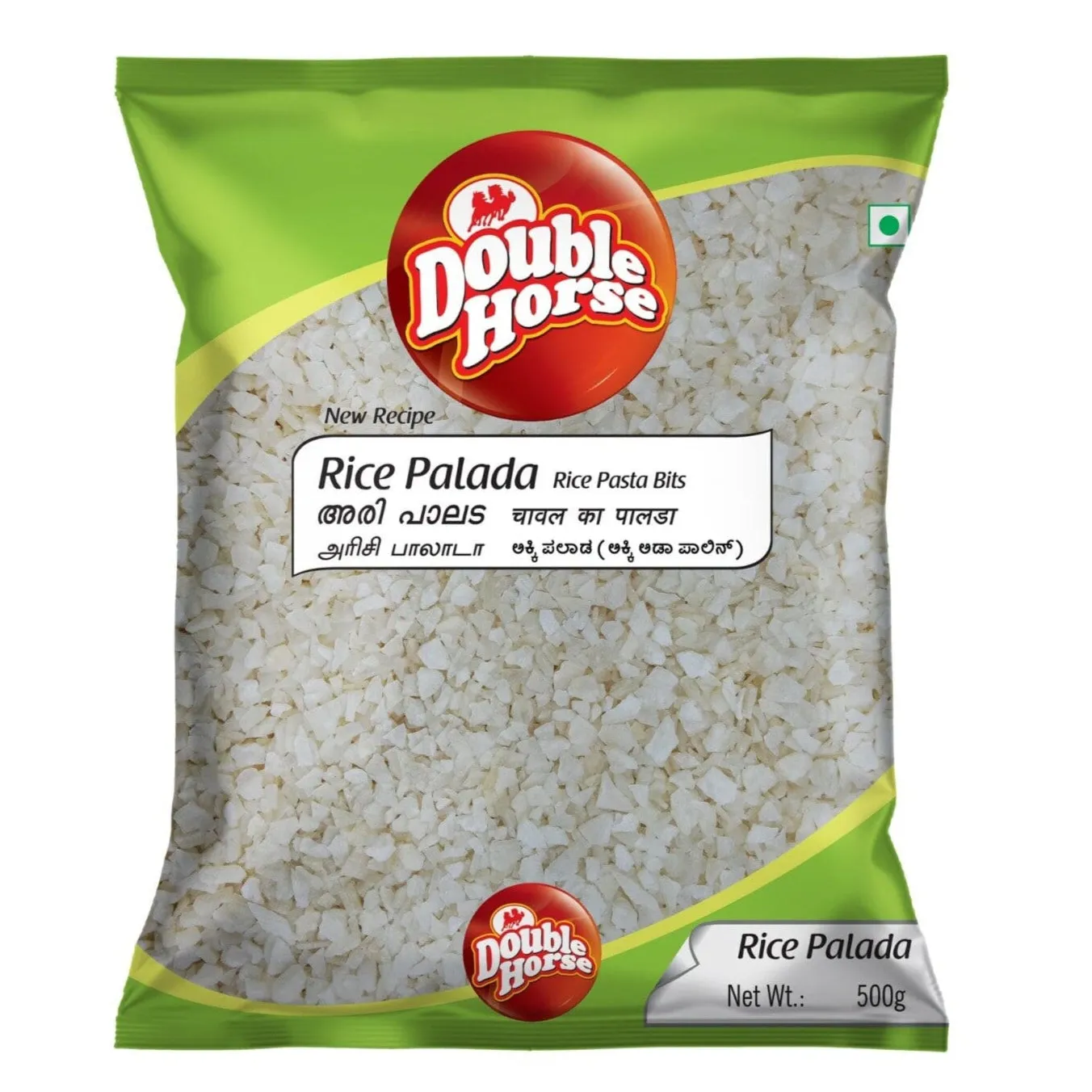
24. Ada pradhaman. Rice ada cooked in coconut milk and jaggery until dark and thick, with cashew and coconut pieces fried in ghee on top. The most prized of the payasams, and the only common one that contains no dairy. You can buy the rice ada ready made, which saves a long job.
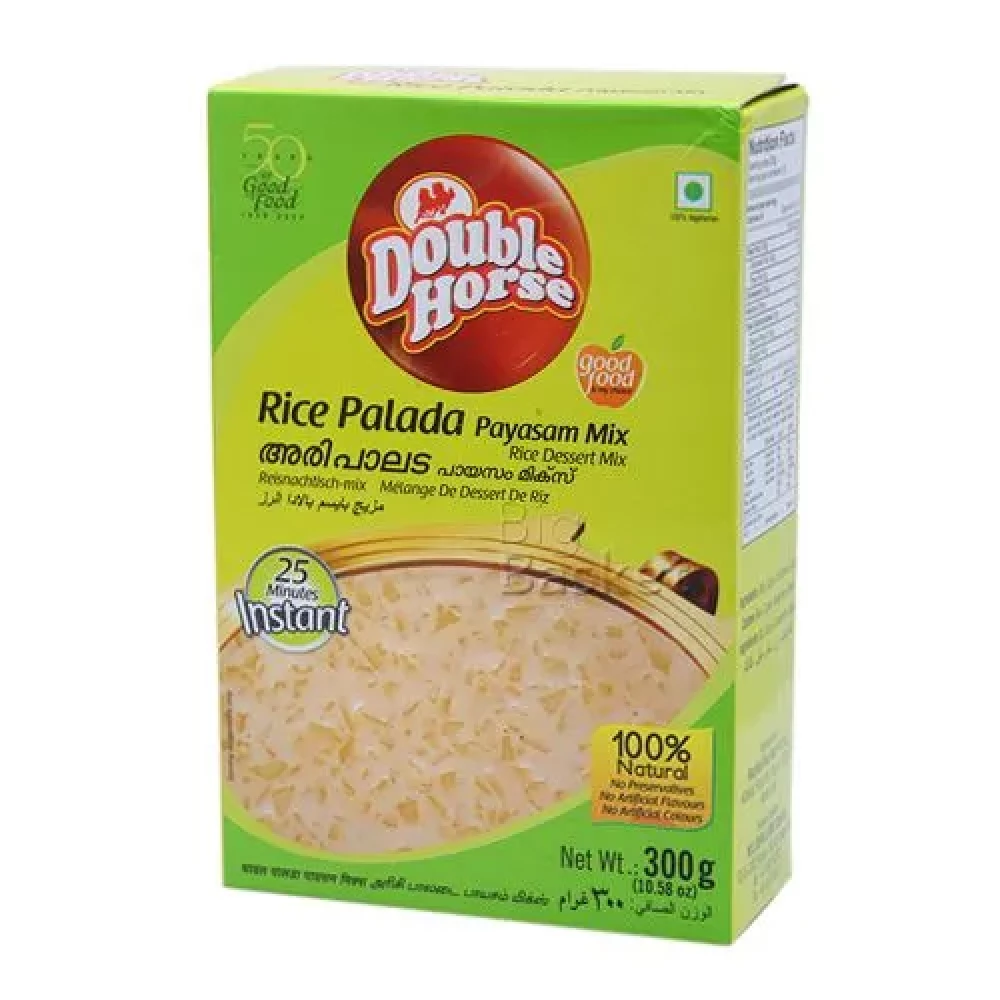
25. Palada payasam. Rice ada slow cooked in milk and sugar until it turns pale pink. Milder and creamier than ada pradhaman. Traditionally this takes hours of stirring.
26. Parippu pradhaman. Moong dal roasted and cooked with jaggery and coconut milk. Nuttier than the other two.
Most sadhyas serve two payasams, not three. If there are two, one is usually milk based and one coconut milk based, so there is something for everyone.
Why the order matters
The meal is not served all at once by accident. It moves from light to heavy and back to light.
Parippu and ghee first, because it is mild and coats the stomach. Then sambar, the fullest part of the meal. Then rasam, thin and sour, to cut through it. Then buttermilk, thinner still. Then payasam.
The pickles and inji puli sit at the top of the leaf the whole time so you can reach for a pinch whenever a dish needs sharpening. That is their job. They are not starters.
Older relatives will tell you this order follows the Ayurvedic idea of the six tastes, and that eating them in sequence helps digestion. Whether or not you take that part literally, the sequence works. A meal this large would be hard going in any other order.
How to eat a sadhya
Use your right hand, not cutlery. Mix a small amount of rice with whatever curry has just been poured, using your fingertips, then bring it to your mouth. Nobody expects a beginner to be neat.
Eat right to left across the leaf. Dishes are served left to right, and eaten in the other direction.
Take small amounts of the top row. Pickles and inji puli are strong. A pinch, mixed into a mouthful of rice.
Say no by covering the leaf. A hand held flat over the leaf, or a small shake of the head, is enough. Servers move fast.
Ask for more of what you like. Refusing seconds is polite in some cultures. Here it slightly disappoints the host.
Fold the leaf when you finish. Folding it towards you after a happy occasion is the most widely followed custom, and reads as a sign that you enjoyed the meal. A few regions do the opposite. As a guest, watch your host and copy them.
Making a sadhya at home away from Kerala
You do not need 26 dishes. A home sadhya of eight or ten, cooked properly, is a real sadhya, and nobody who grew up with one will tell you otherwise.
A sensible ten: rice, parippu with ghee, sambar, rasam, avial, thoran, olan, inji puli or pickle, pappadam, and one payasam.
Cook these, do not buy them: avial, thoran, olan, parippu, sambar, rasam. All six are quick and none of them travel well.
Buy these, do not cook them: banana chips, sharkara varatti, pappadam, pickles, rice ada. All five are slow, fiddly jobs that Kerala families have bought ready made for decades.
Start two days ahead. Kaalan, inji puli and pickles improve overnight. Grate coconut the day before. Cook nothing that needs to be crisp until the morning.
On the day, cook in this order: payasam first because it can sit, then sambar, then the vegetable dishes, then rice last so it is hot.
Banana leaves. Most South Asian and Latin American grocers keep them frozen and they cost very little. Thaw, rinse, wipe dry, and hold each one briefly over a low flame if you want it to fold without cracking.
Sadhya shopping list
Making sadhya far from Kerala usually means one or two items you simply cannot find locally. These are the ones worth ordering rather than hunting for, and we ship them from India to over 100 countries.
The thing the leaf is really for
A sadhya is built from what a Kerala kitchen garden gives you at the end of the monsoon: coconut, banana, yam, ash gourd, pumpkin, a little rice. There is nothing expensive on the leaf. It is the same food as any other week, cooked with more care and served to more people.
That is the point of it. Onam remembers a king who came home to check that his people were eating well. The sadhya is the answer to that question, laid out where he can see it.
Ten dishes will answer it just as honestly as twenty six.