
Diwali Puja: What Is Performed on Each Day and Why
Diwali puja brings meaning to each day of the festival. Discover their significance and shop puja samagri, sweets, and faral from The Desi Food with worldwide delivery.
Latest Articles
 Wellness
What Is Avipattikar Churna? Ingredients, Traditional Uses and Safety
Oct 8, 2026
 Staples
Organic Honey vs Regular Honey: What the Label Covers and What It Doesn't
Oct 8, 2026
 Beauty
8 Best Natural Shampoos for Men to Buy Online in the USA, UK and Beyond
Oct 8, 2026
 Wellness
Best Ayurvedic Herbs for Sleep: 8 Herbs and the Forms They Come In
Sep 30, 2026
Diwali is celebrated for five days, and each day is dedicated to a particular Diwali Puja. This festival is not only celebrated in India, but also around the globe. This wondrous festival of lights brings joy, love, sweets, and a fabulous time to spend with family and friends. However, there is more to Diwali than lighting lamps and eating laddoos; there is also a very religious aspect and many pujas (prayers) that people perform every day of the festival.
Pujas Performed During Diwali
Let’s take a look at the five days of Diwali and the splendid poojas performed during this festival.
Day 1: Dhanteras
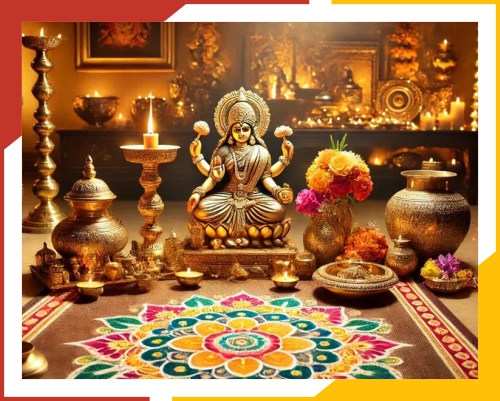
Dhanteras or Dhantrayodashi marks the beginning of Diwali. People pray for money, good health, and safety on this day. Families worship Lord Dhanvantari, the god of healing and Ayurveda, on this day. According to legend, Lord Dhanvantari appeared with a pot of Amrit (elixir of immortality) when he emerged from the ocean during the great Samudra Manthan. People also pray to Goddess Lakshmi and Lord Kubera (the gods of money).
Purchasing metal articles such as utensils, silver coins, or gold on Dhanteras is auspicious. In the evening, diyas are lit and a small pooja is performed with turmeric, kumkum, flowers, coins, and sweets. Dhanteras is supposed to bring prosperity.
Day 2: Naraka Chaturdashi or Choti Diwali
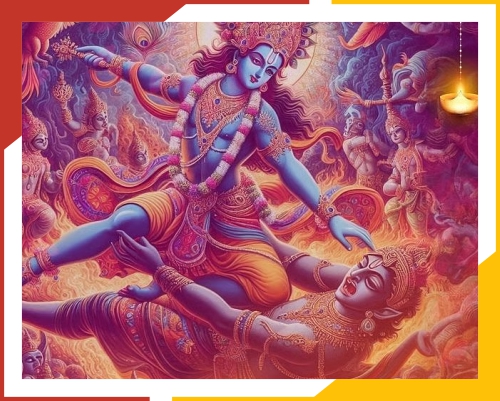
The second day of Diwali is called Naraka Chaturdashi in most parts of India and Choti Diwali in the North. This day is celebrated for Lord Krishna's victory over the demon Narakasura, symbolizing the triumph of good over evil. People believe that if a morning bath is taken on this day, after spreading ubtan (comprised of turmeric, oil, and flour on the body), the negative is removed and the inner cleanliness is promoted. Diyas are lit by families, and prayers are offered to Lord Krishna for seeking courage, safety, and peace.
Day 3: Lakshmi Pooja
I
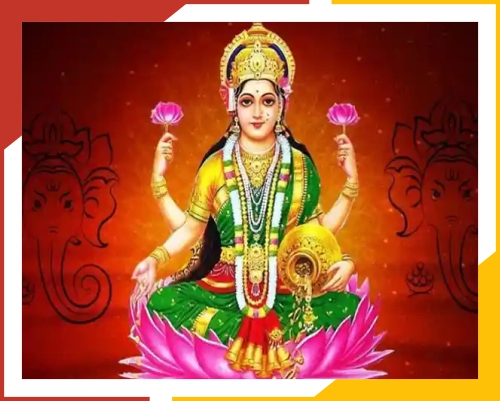
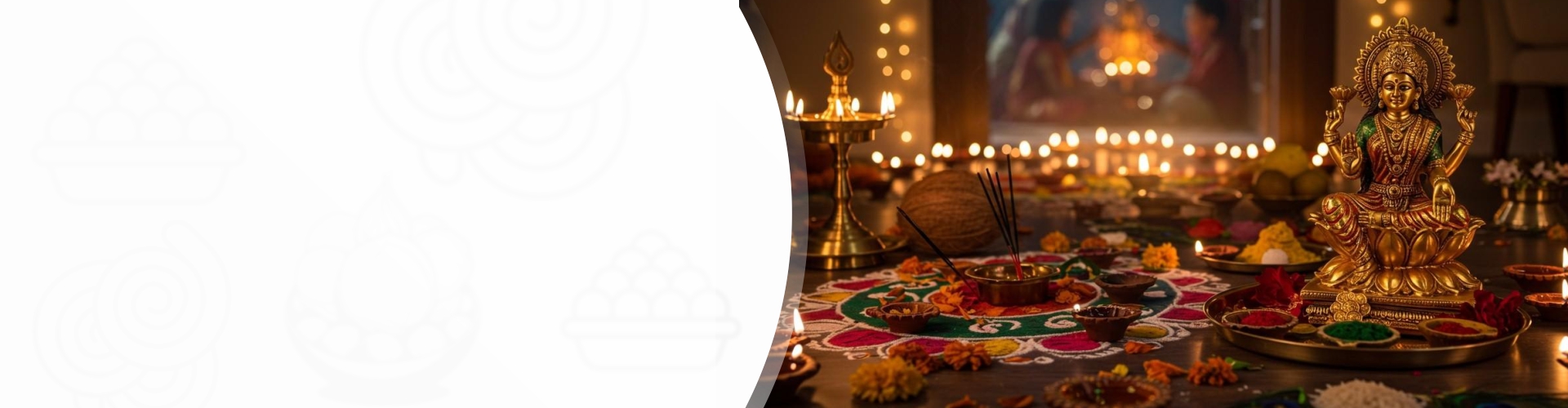
The third day is the most important day of Diwali, and it is celebrated with great enthusiasm everywhere in India. People clean their homes, decorate with rangoli designs and hanging lights, and wear new clothes. In the evening, families gather to conduct the Lakshmi Pooja - the main activity of the festival.
What is Lakshmi pooja?
Lakshmi is worshiped as the goddess of prosperity and wealth. She is worshiped with love and devotion. Lord Ganesha, the bestower of knowledge, is also worshiped in the pooja to remove all obstructions and ensure a good beginning. Devotees offer flowers, sweets, coins, rice, and turmeric to the deities.
Businesses also conduct pooja to their account books or invoices or computers with the hope of a rich year ahead. After the pooja, homes are lit with rows of oil lamps, and people distribute traditional snacks and sweets like chakli, karanji, and laddoos to friends, family, and neighbors.
Families living abroad also follow this tradition. They can now order pooja samagri, faral hampers, and sweets online from The Desi Food and get deliveries to more than 80 countries worldwide.
Day 4: Govardhan Puja or Annakut
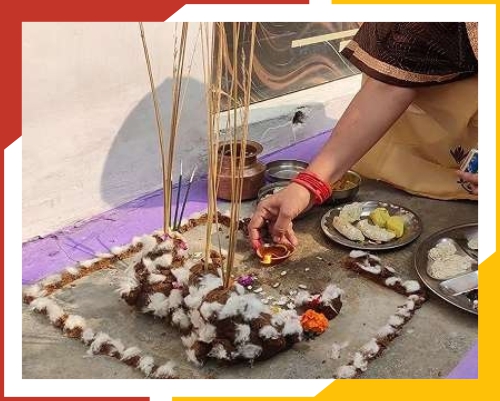
The fourth day is referred to as Govardhan pooja in most of India and is linked directly with Lord Krishna. This pooja informs us of how Krishna lifted the Govardhan Hill to save the inhabitants of Vrindavan from torrents of rain brought by Lord Indra. It reminds us to honor nature and have faith in divine protection.
On this day, a small cow dung heap is made, decorated with flowers, and worshiped in the form of Govardhan Parvat. Also, a large Annakut (food mountain) of all kinds of vegetarian delicacies is prepared and offered to Krishna. The temples and homes are full of songs, dances, and bhajans, which make the atmosphere full of joy.
Day 5: Bhai Dooj
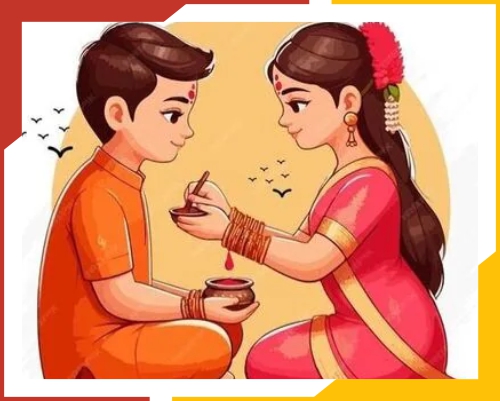
The fifth and final day of Diwali is referred to as Bhai Dooj in North India, Bhau Beej in Maharashtra, and Yama Dwitiya in the South. This is the day to celebrate the unique sibling bond between brothers and sisters.
What is done on Bhai Dooj?
On the day of Bhai Dooj, sisters perform a small pooja for their brothers, apply tilak on their foreheads, and offer sweets. They pray for their brothers’ long lives and happiness. Brothers give gifts in return and promise to protect their sisters. It’s a day filled with smiles, hugs, and delicious food, an emotional end to the festive week.
Diwali – Brightening Every Heart
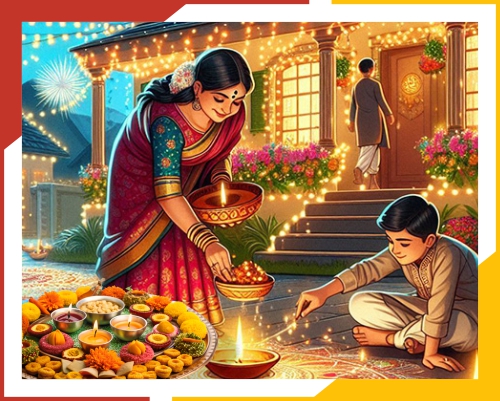
Each day of Diwali has a new message. These pujas are not rituals; they are all about learning thankfulness, hope, love, courage, and oneness. Diwali teaches us to welcome light and banish darkness from our lives, honor money, knowledge, and health, and respect our cultural and family values.
You can conveniently celebrate Diwali, wherever you are. With The Desi Food, you can have all your pooja essentials, sweets, snacks, and faral hampers delivered to your doorstep. We serve across the globe, including all major destinations like the USA, UK, Canada, Australia, and so on..
Celebrate Diwali with Tradition, Wherever You Are
Diwali is not just a festival; it's a feeling of warmth that one experiences from each diya and each prayer. Diwali pujas unite the family members and reminds us of all the important values, faith, kindness, prosperity, and love. This Diwali, illuminate your lamps, send sweets, and invite the essence of the festival into your home. And if you are away from India, let The Desi Food bring a little home to you, with love and tradition in every sweet and snack.
Frequently Asked Questions
When is the best time to perform the Diwali puja?
The best time for Lakshmi pooja is during Pradosh Kaal, just after sunset. This time is considered by most to be the best time to welcome Goddess Lakshmi into the house.
What other deities are worshipped during Diwali besides Goddess Lakshmi?
Along with Lakshmi, many also worship Ganesha, Dhanvantari, Krishna, Kubera, and sometimes even Yamraj on various days of the festival.
Is it mandatory to buy gold or silver articles on Dhanteras?
Buying metal articles is a symbolic tradition. Many also buy regular utensils, coins, rock salt, rice, and a broom, because they're considered symbols of prosperity on Dhanteras.
Is Diwali puja just for Hindus?
Diwali is a Hindu festival, but its message of light, joy, and family is universal. Many people from other backgrounds celebrate with love and respect.
What pooja essentials and faral can I get at The Desi Food?
Diwali puja essentials like diyas, incense, idols, and oil lamps. Diwali traditional faral like chakli, laddoo, karanji, shankarpali. Maharashtrian Faral, Gujarati Faral, South Indian Faral, and more - all available with international delivery.
You May Also Like
View all Articles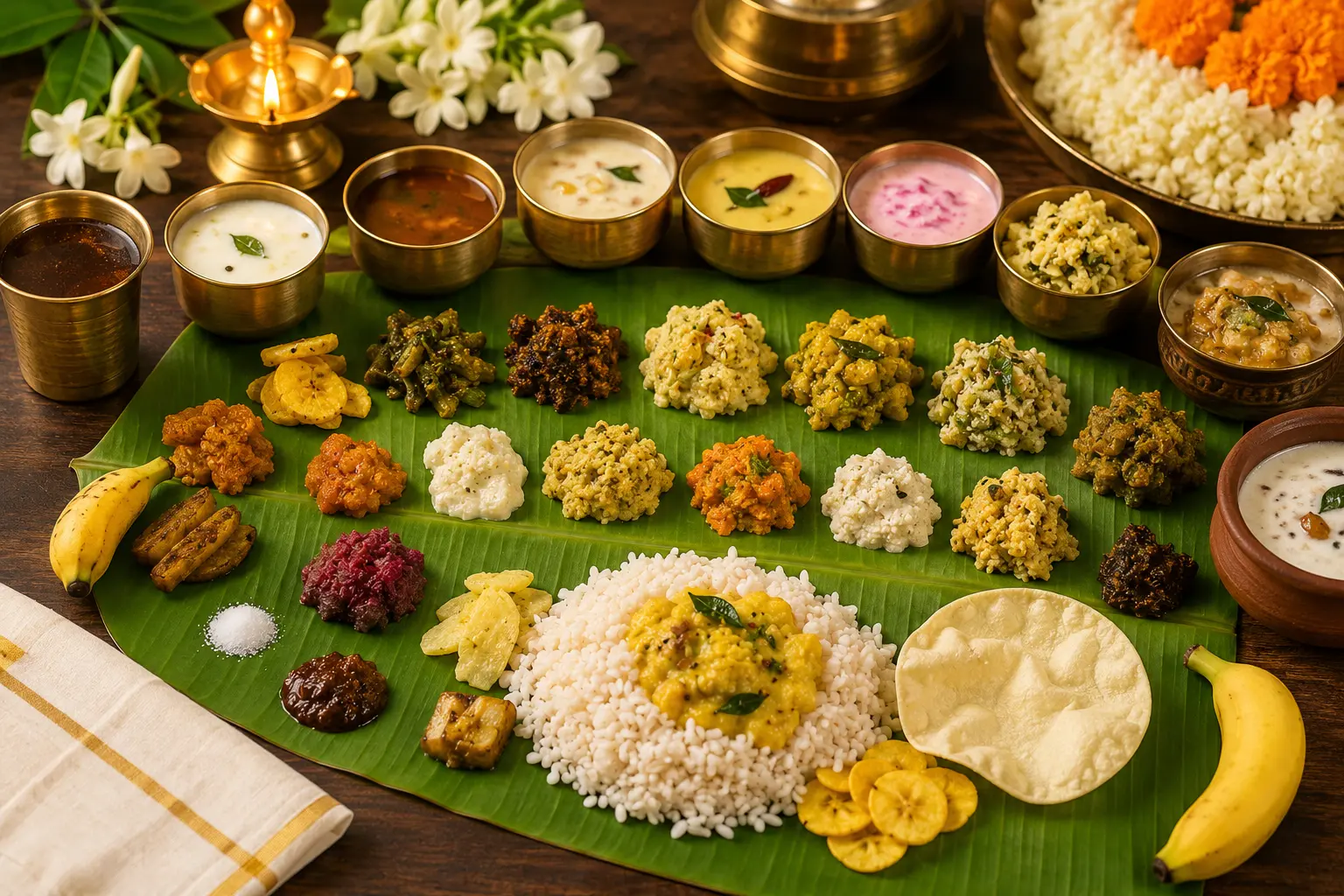 Festival Special
Onam Sadhya Explained: The 26-Dish Kerala Feast and What Each Dish Means
By thedesifoodAug 23, 2026 Festival Special
What Is Onam? Meaning, Story and Kerala's Harvest Festival
By thedesifoodAug 23, 2026 Festival Special
11 Most Popular Diwali Snacks, Namkeen and Farsan
By thedesifoodAug 13, 2026