What Is Shilajit? Benefits, Uses and How to Take It
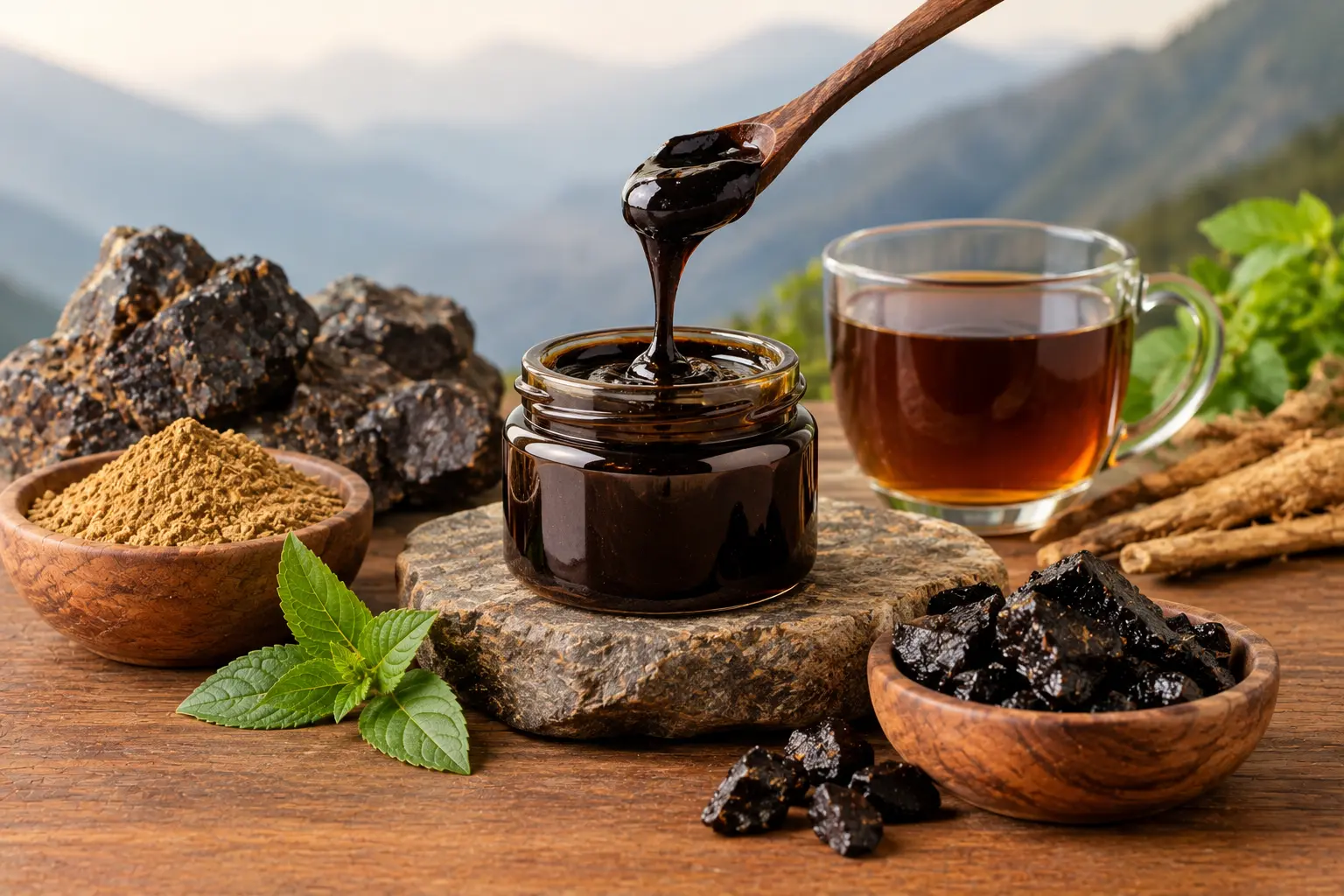
What Is Shilajit? Benefits, Uses and How to Take It
Shilajit is one of those names you hear long before you know what it is. It comes as a sticky dark resin, as capsules, and mixed into other products.
This guide explains what shilajit is, what it is made of, what research has looked at so far, the forms you can buy, and how brands say to take it.
Shilajit is sold as a dietary supplement. If you are thinking of taking it, speak to your doctor first, especially if you take any medicine.
What is shilajit?
Shilajit is a sticky, blackish-brown substance that seeps from rocks in high mountain areas. A 2013 review in Phytotherapy Research calls it a "herbo-mineral exudate" and says it comes from mountain regions including India, Russia and Central Asian countries.
A 2012 review in the International Journal of Alzheimer's Disease describes it as a blackish-brown powder or rock exudate that forms over centuries, as plant material slowly breaks down with the help of microorganisms.
You may also see it called mumie, moomiyo, shilajatu or salajeet.
What is shilajit made of?
Composition depends on where it comes from and how it is processed.
The 2013 review gives these figures for purified products:
Component | Share of purified shilajit |
|---|---|
Fulvic acid and equivalents | 50 to 60% |
Dibenzo-alpha-pyrones (DBPs) | 0.3 to 0.4% |
DBP chromoproteins | 10 to 30% |
Minerals | 10 to 15% |
The review says potassium, calcium and magnesium are the main minerals. It adds that unprocessed material is 60 to 80% organic matter and 20 to 40% minerals.
The 2012 review describes humic substances, including fulvic acid, as making up around 60 to 80%, along with trace elements such as selenium, polyphenols and amino acids.
How has shilajit been used in Ayurveda?
The 2012 review says shilajit has been used for centuries in Ayurvedic medicine as a rejuvenator and an anti-ageing compound.
It is described as a rasayana, a class of preparations used to build physical strength and support health. The review also calls it a yogavaha, meaning it was traditionally combined with other substances rather than used alone.
A long record of traditional use tells you how people have used shilajit. It does not tell you what it does in the body.
Shilajit benefits: what the research does and does not show
Most claims you will see online come from reviews of early studies, not from large trials in people.
What the reviews report
The 2013 review states that shilajit "exhibits antioxidant, anti-inflammatory, adaptogenic, immunomodulatory, and anti-dyslipidemic properties", and says that in animal and human studies it has shown a high degree of safety. That review is a summary of the studies available at the time, not a test of any product on sale.
Where the evidence is early
The 2012 review looked at shilajit and thinking skills. Its authors write that "more investigations at the basic biological level as well as clinical trials are necessary" before conclusions can be drawn.
What this means for you
No shilajit product is approved as a treatment for any condition. The NIH Office of Dietary Supplements explains that dietary supplements do not need FDA approval before they are sold, and that supplement companies are responsible for having evidence that their products are safe.
We do not repeat product claims in this guide. If a label promises a specific result, treat that as the maker's own statement.
What forms does shilajit come in?
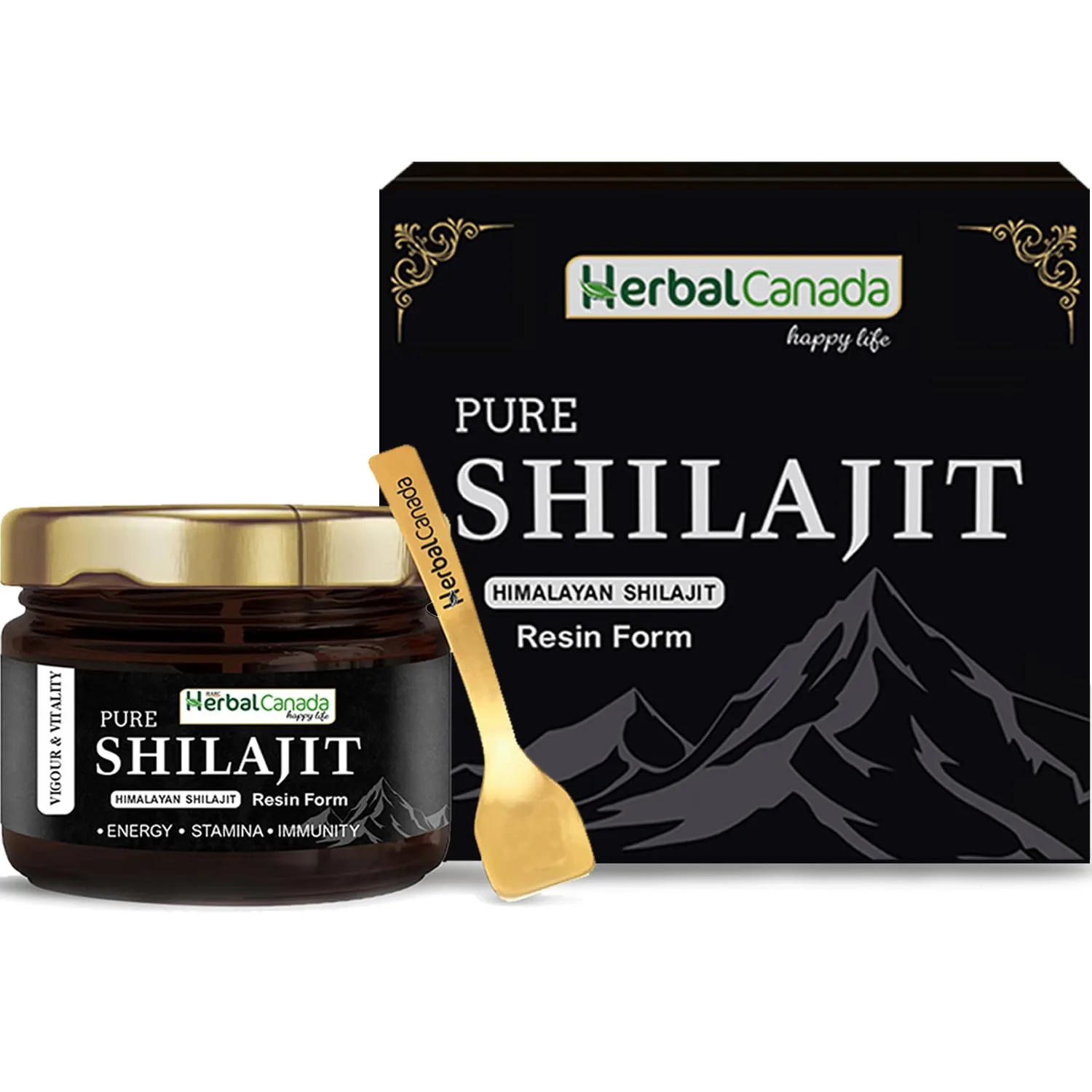
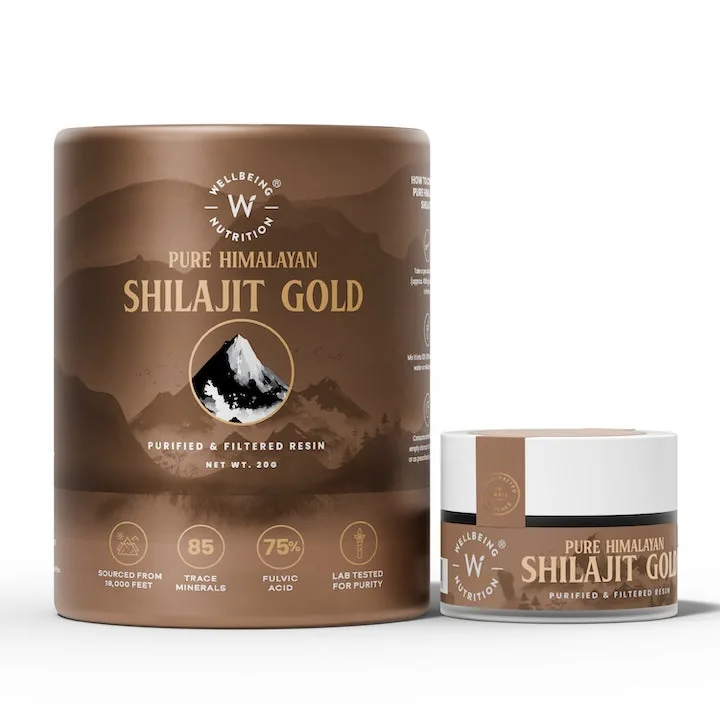
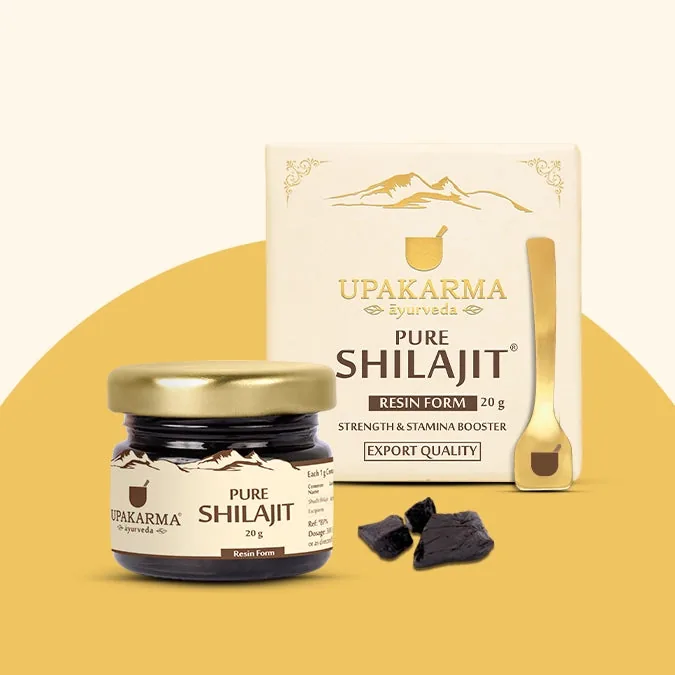
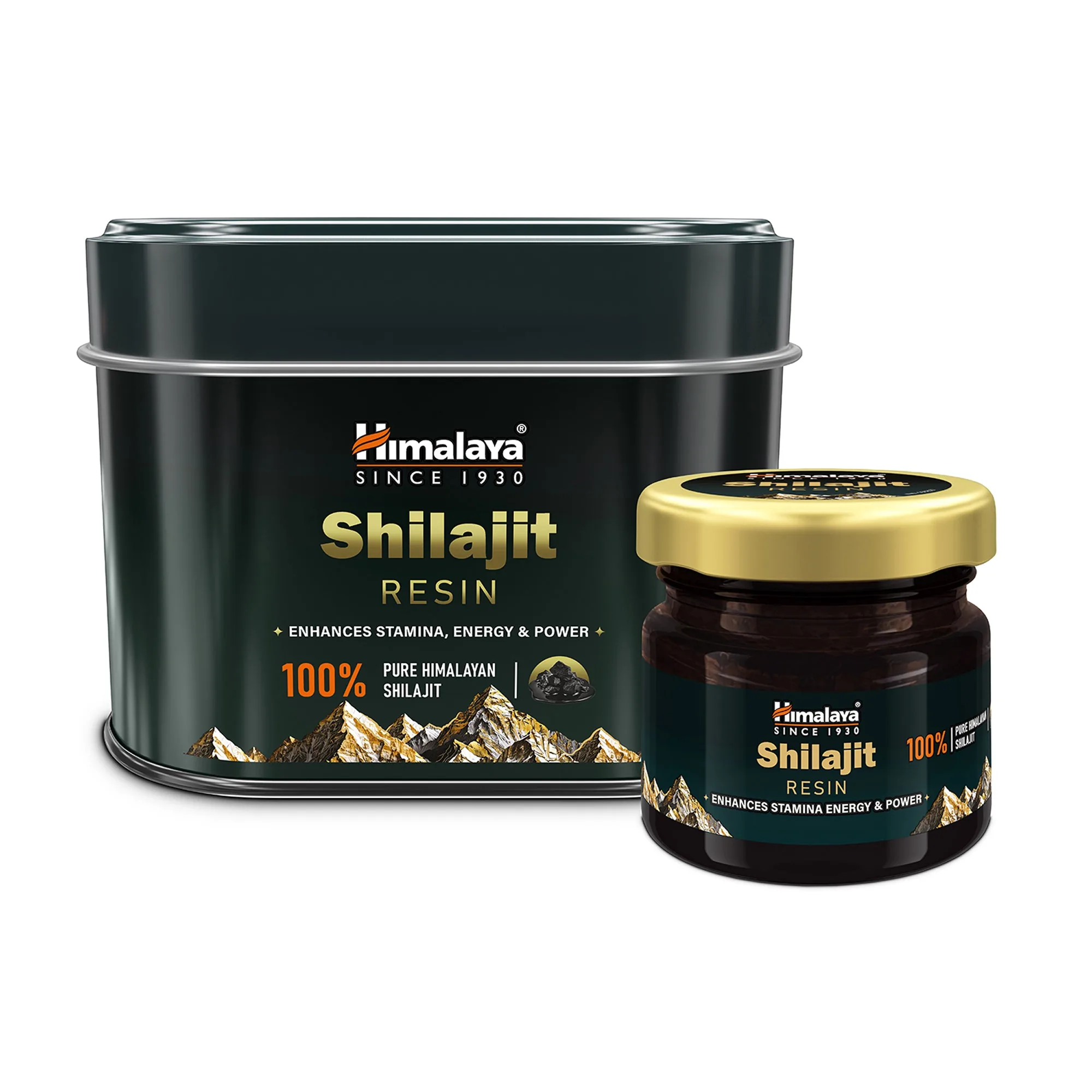
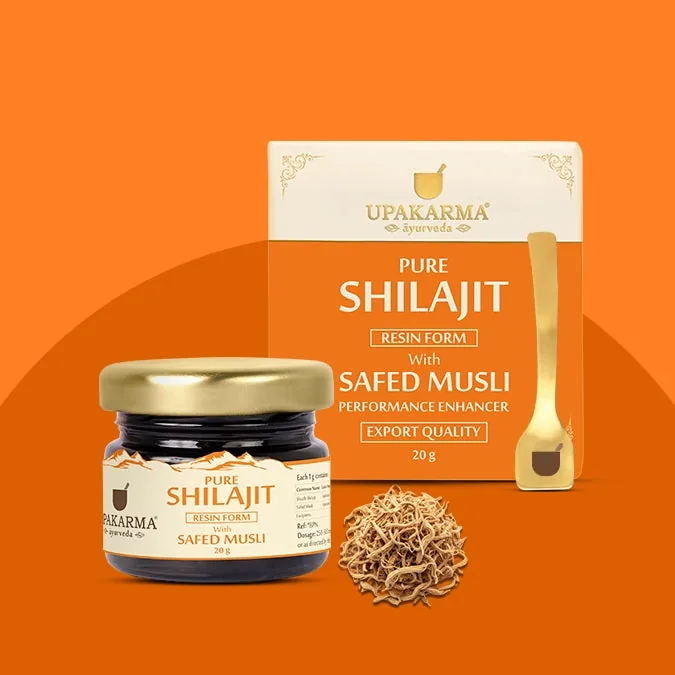
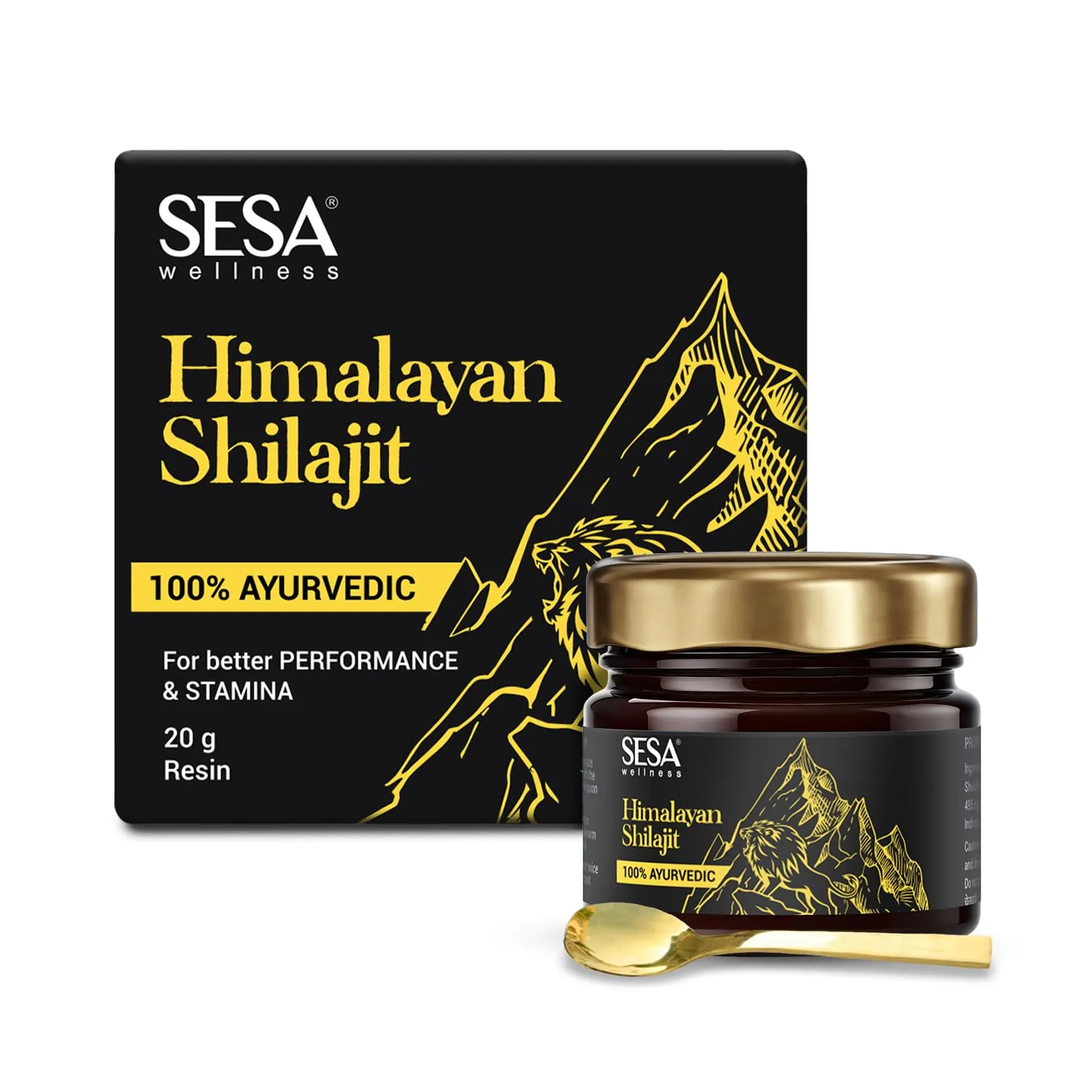
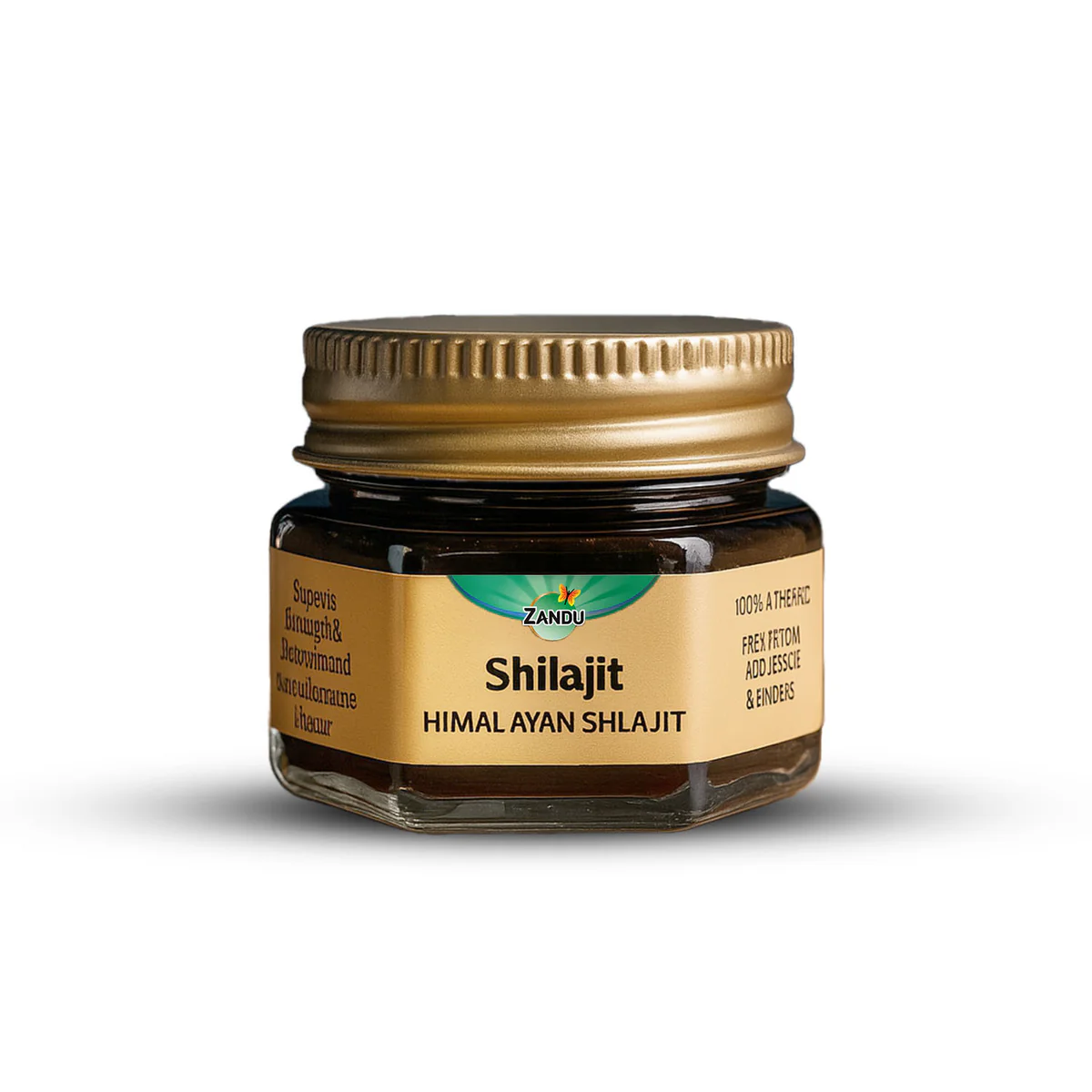
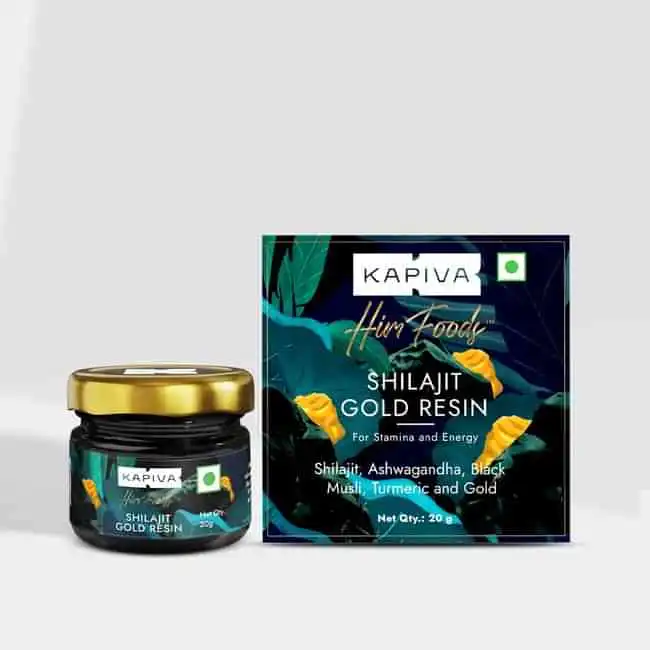
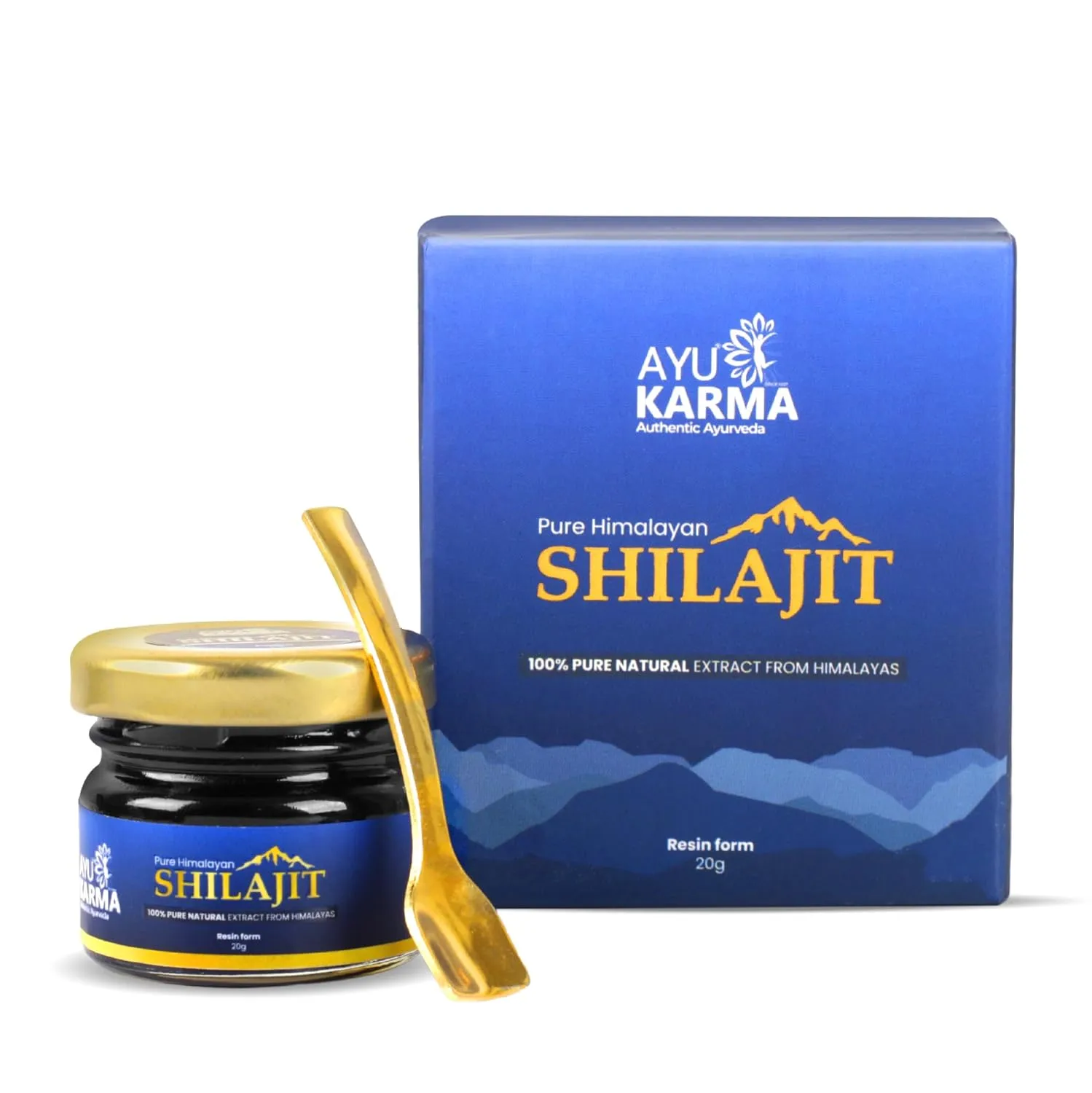
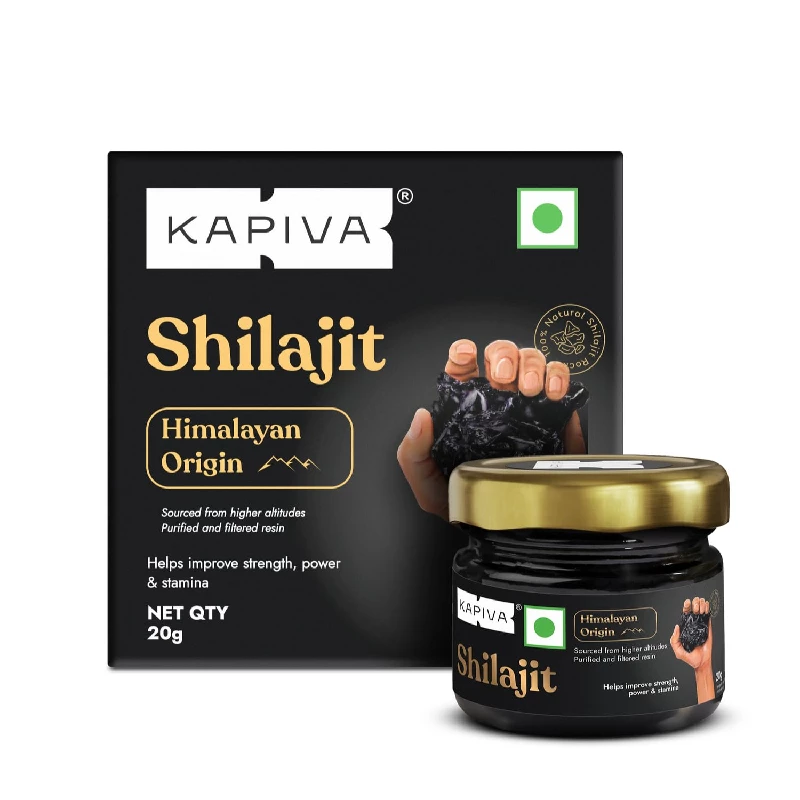
Resin. A thick, sticky paste, usually sold in a small jar with a spoon. This is the form most often described as traditional.
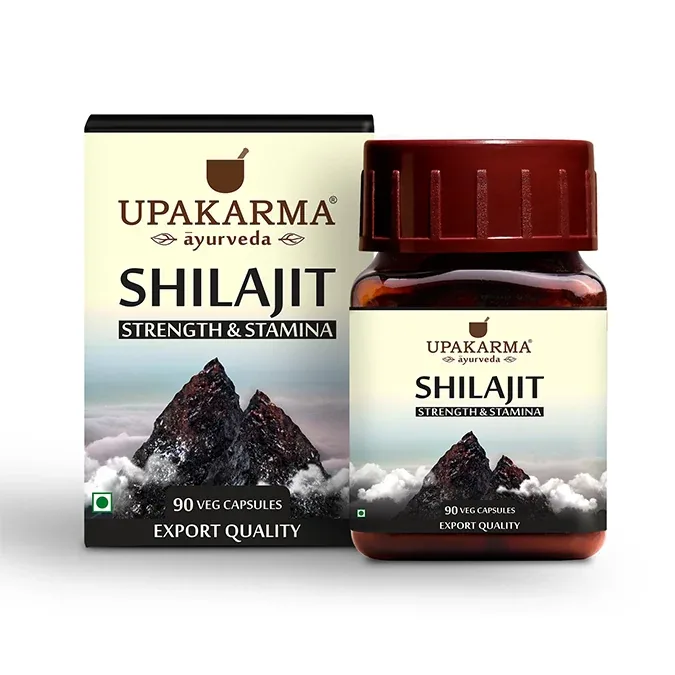
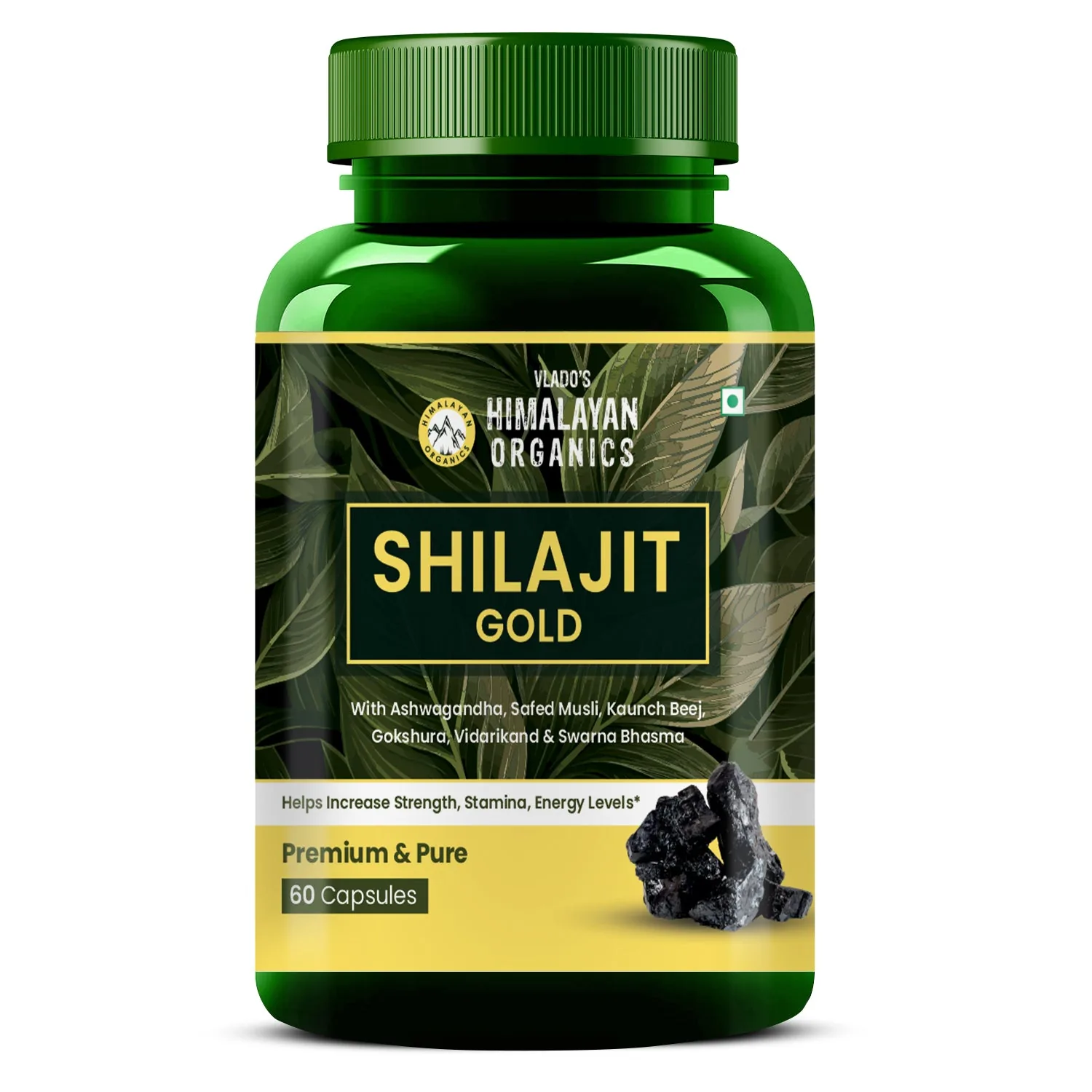
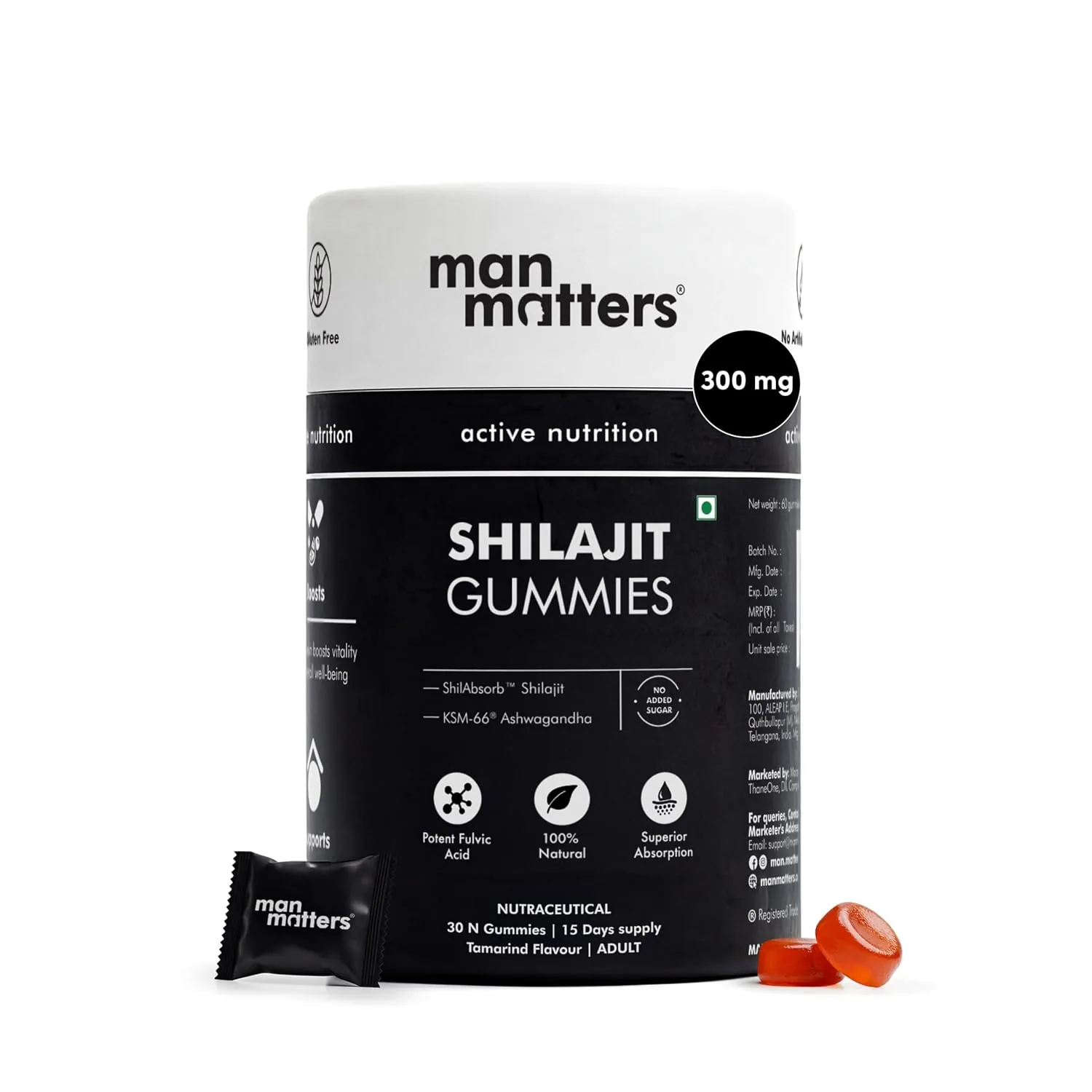
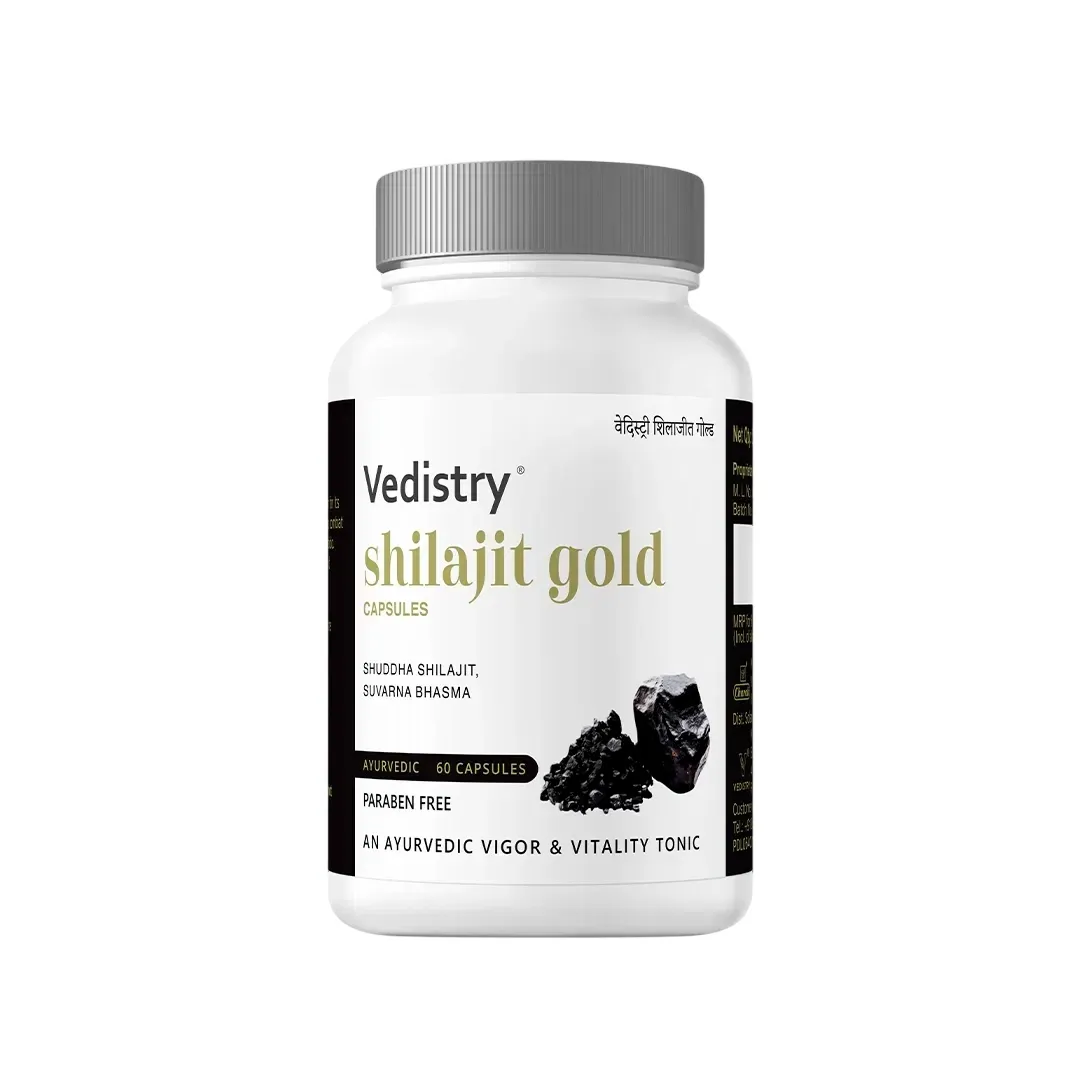
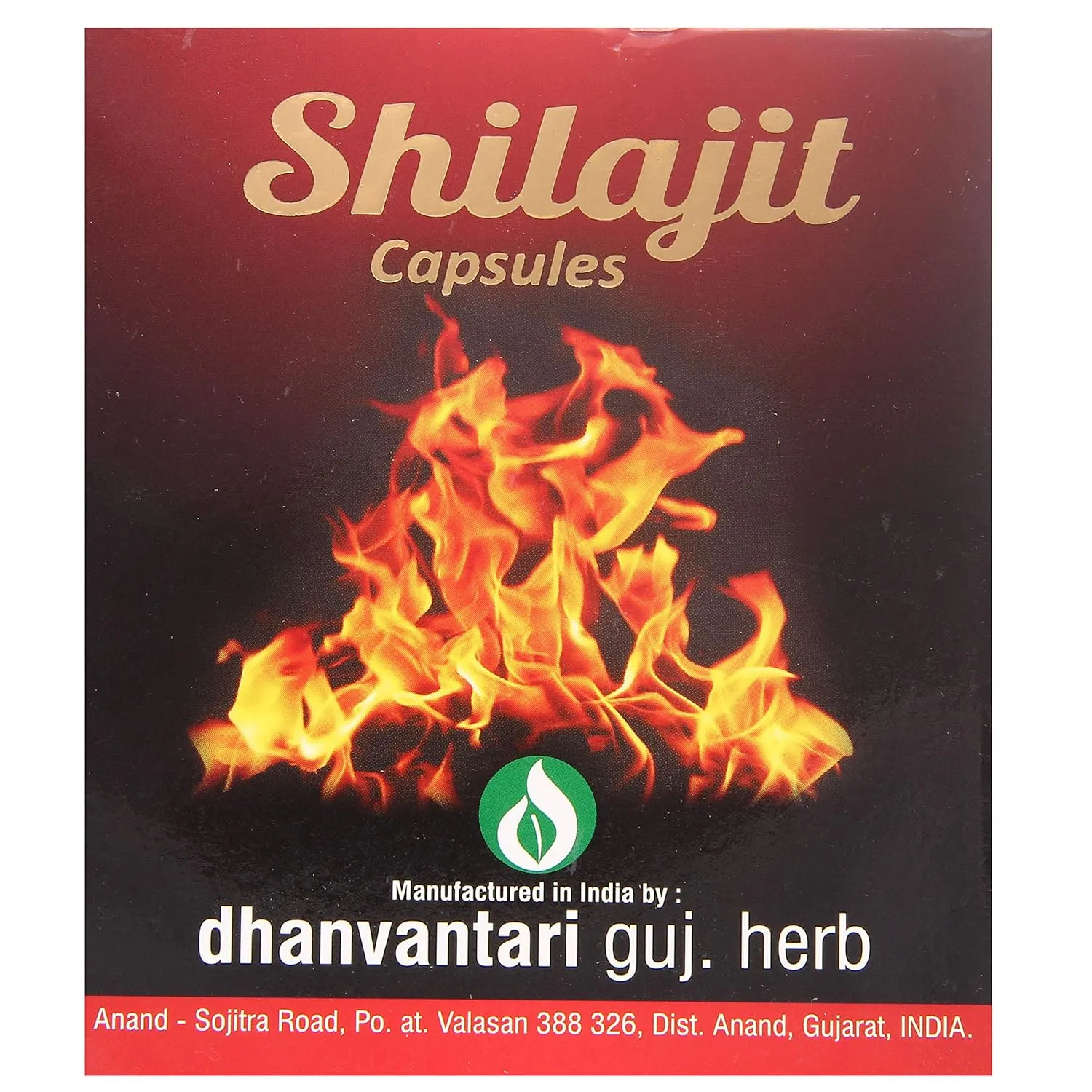
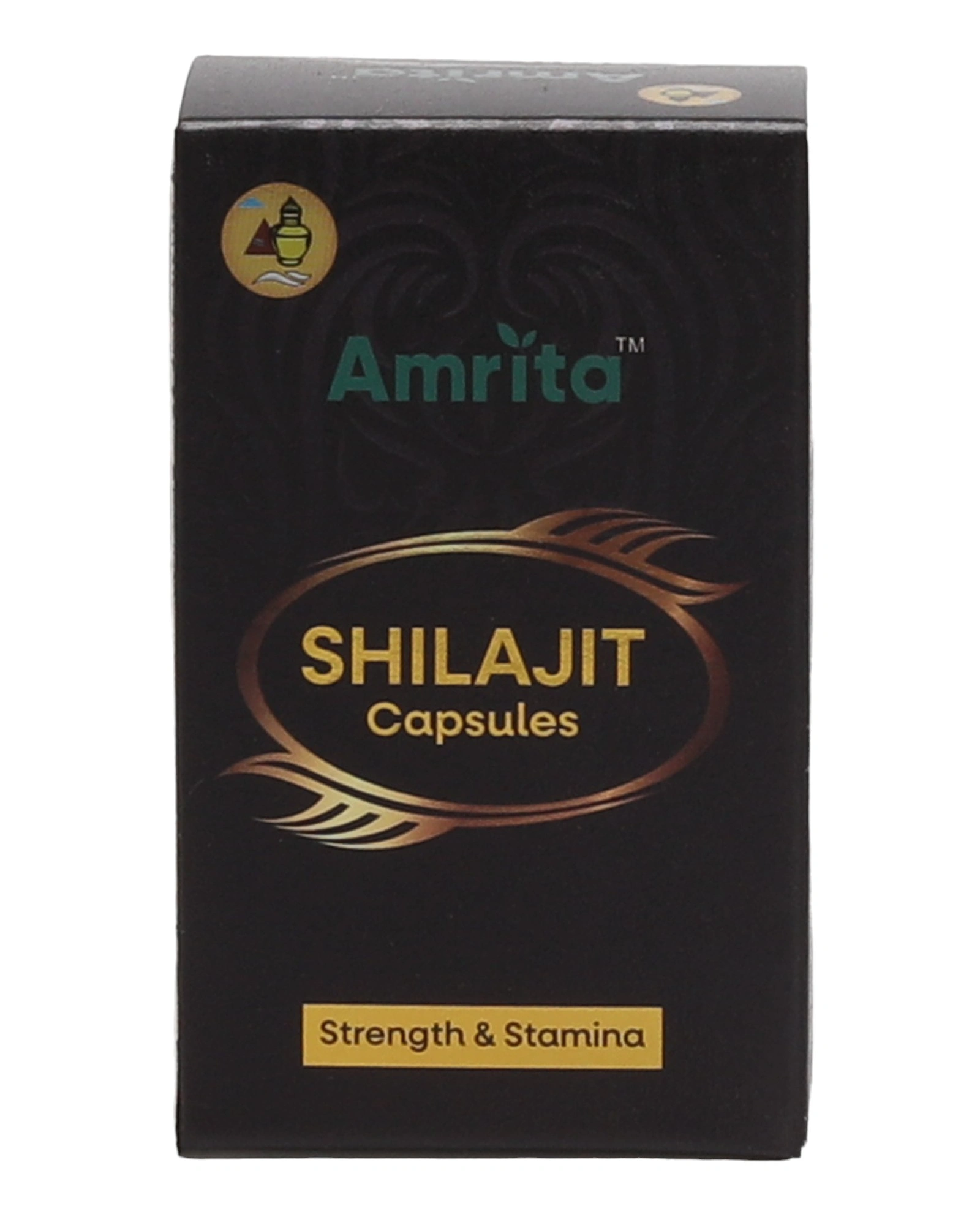
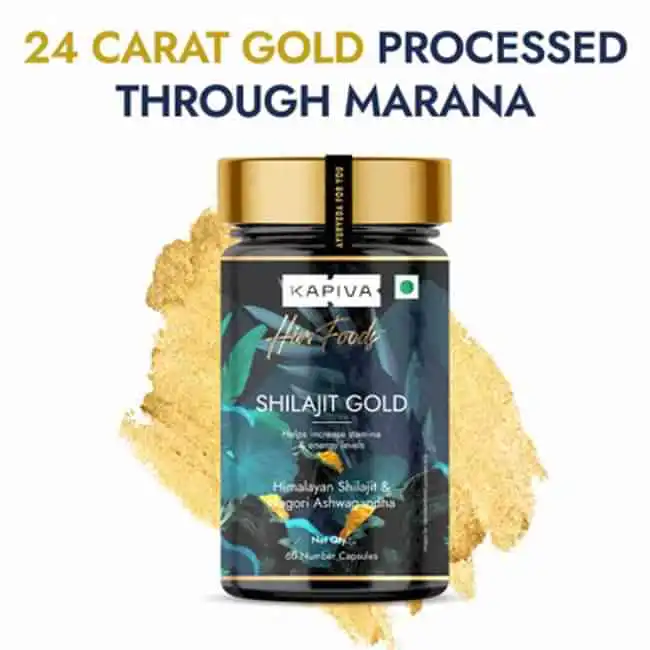
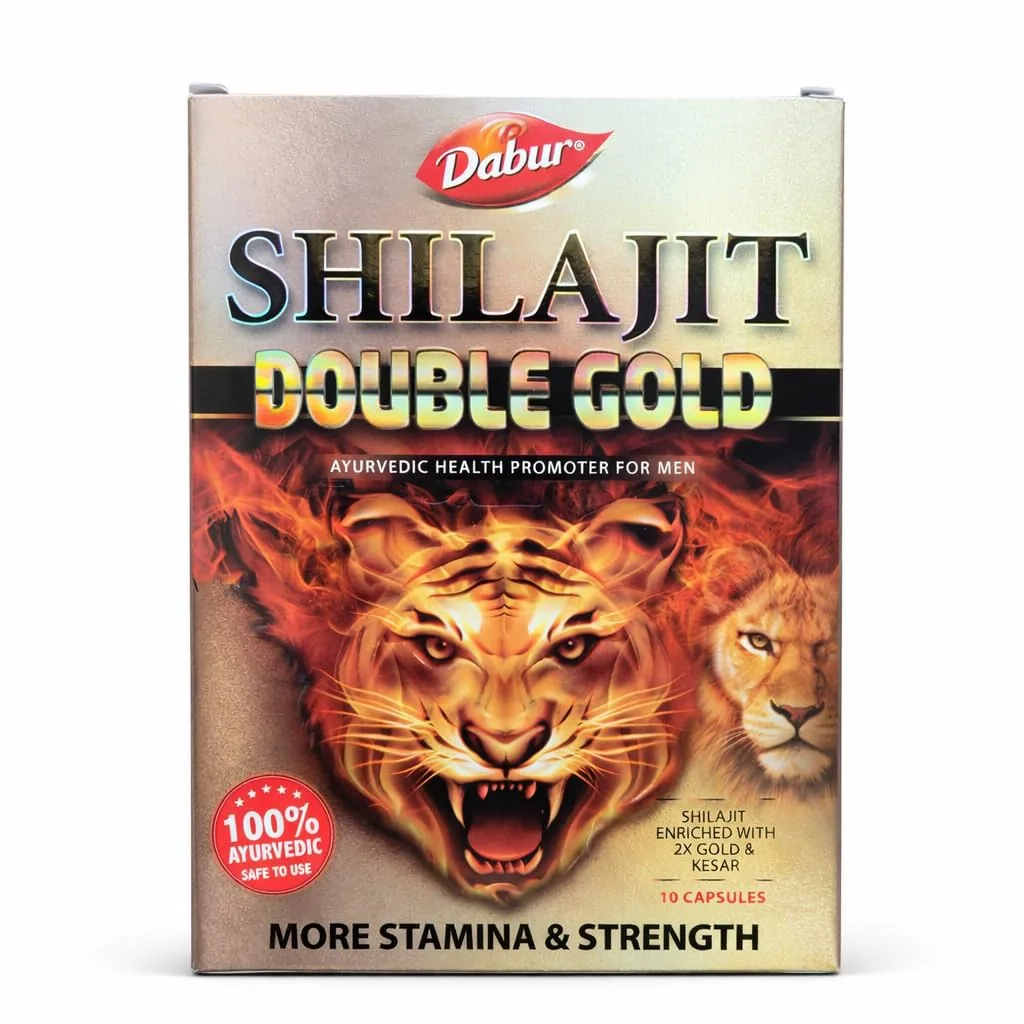
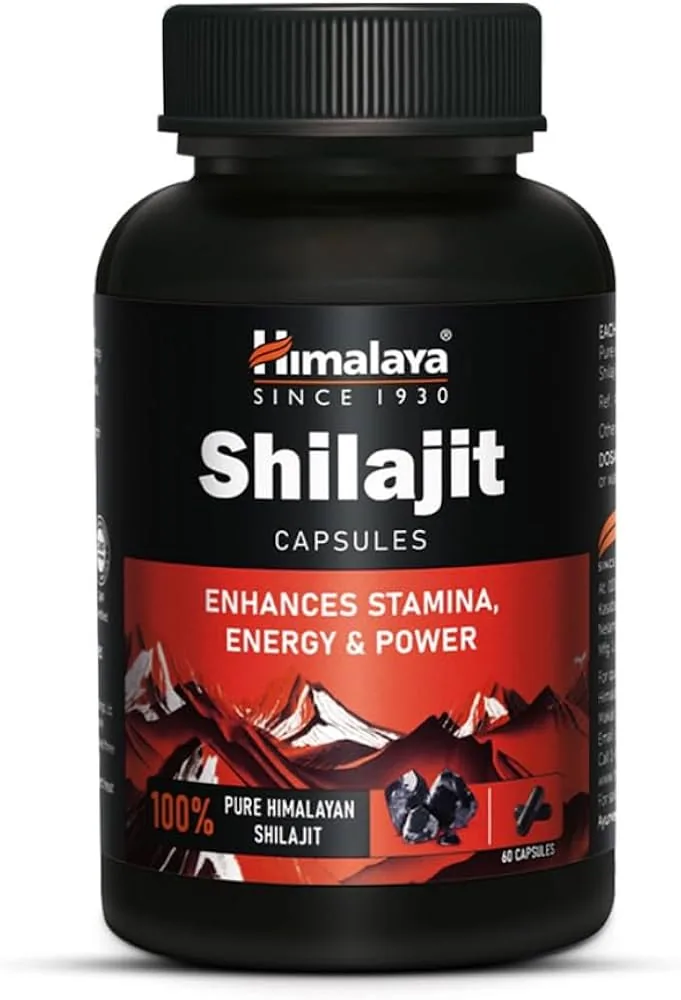
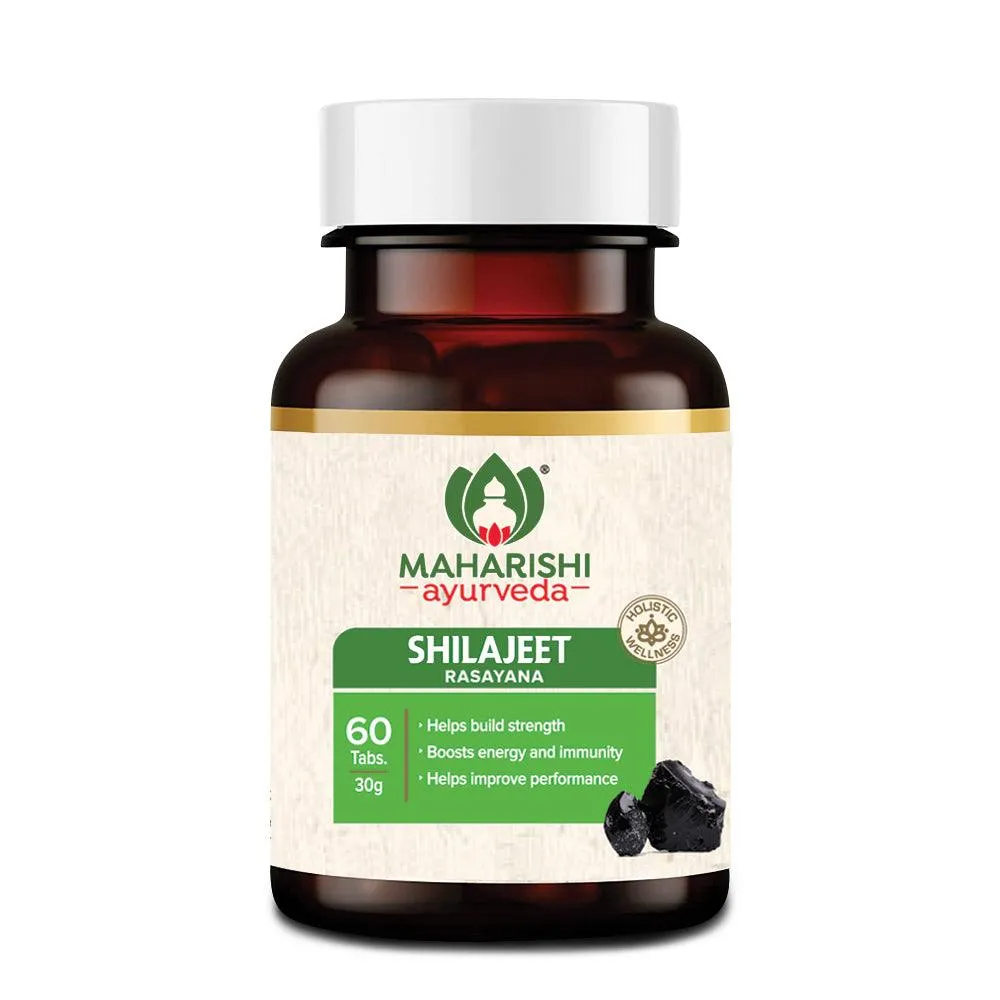
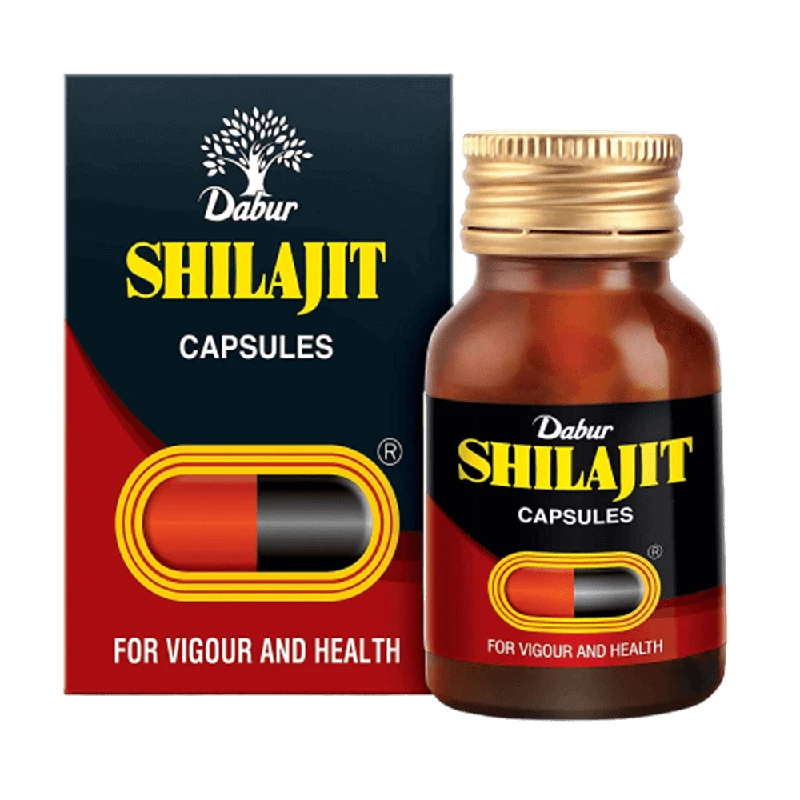
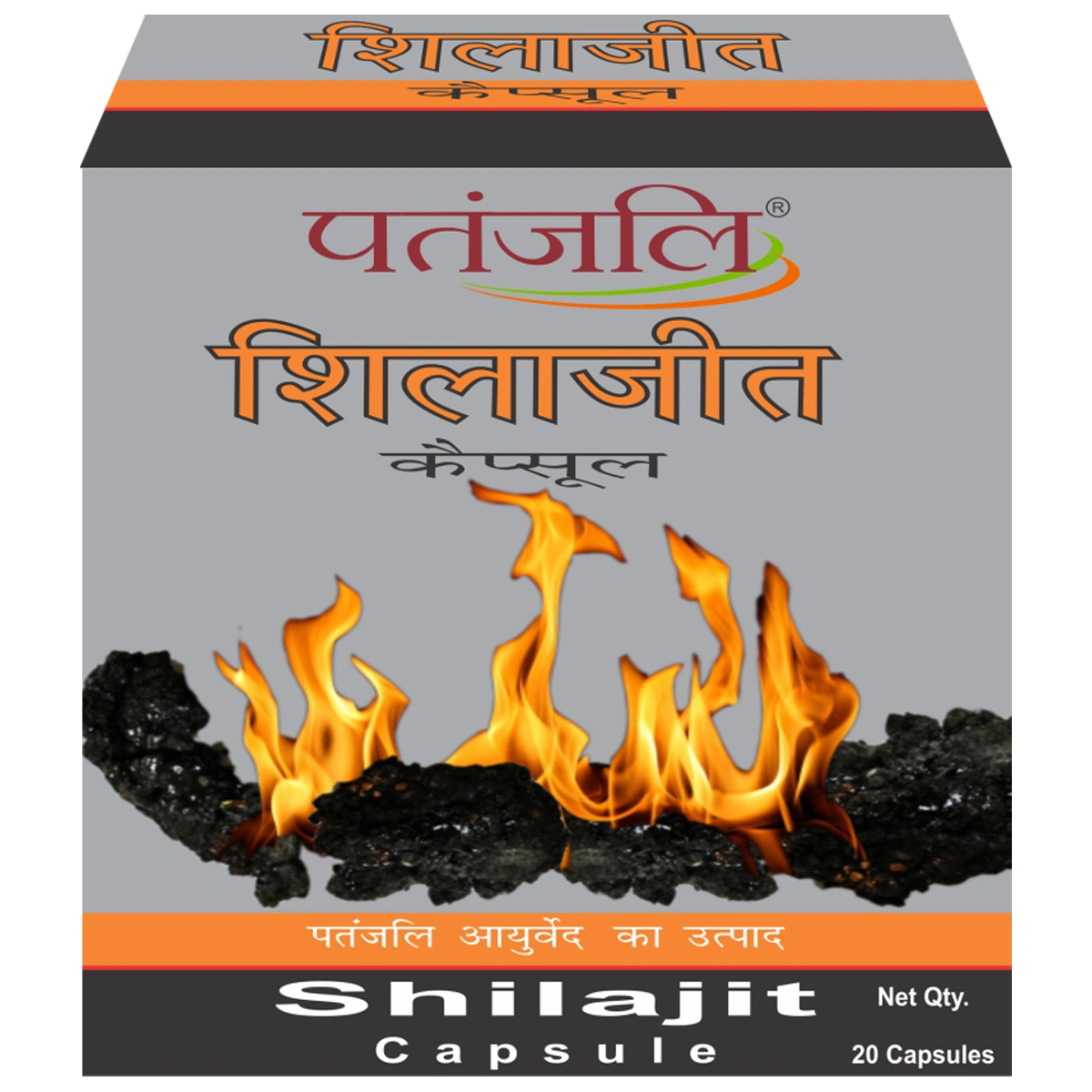
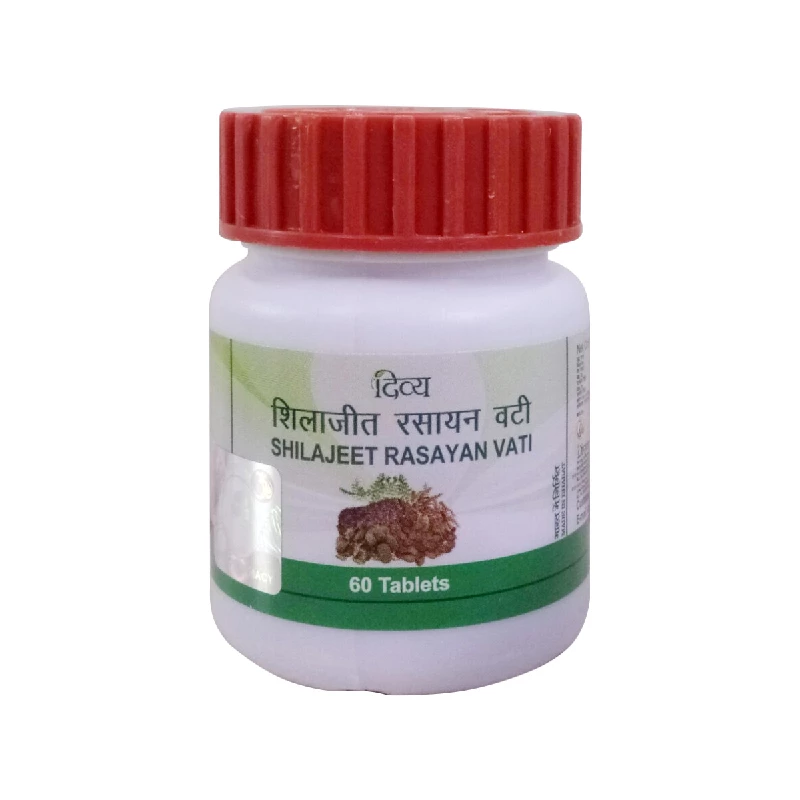
Capsules or tablets. Easier to measure and to carry. Some are shilajit on its own, and others are blends. For example, Himalaya lists gokshura, kapikachhu, ashwagandha, kokilaksha and safed musli in its shilajit capsules, so the bottle holds more than shilajit alone.
Powder. Used in traditional preparations and sometimes mixed into drinks.
Blended products. Shilajit also appears in protein powders and other mixes. Check the ingredient list to see how much of what you are buying is shilajit.
Purified or raw: what "shodhit" means
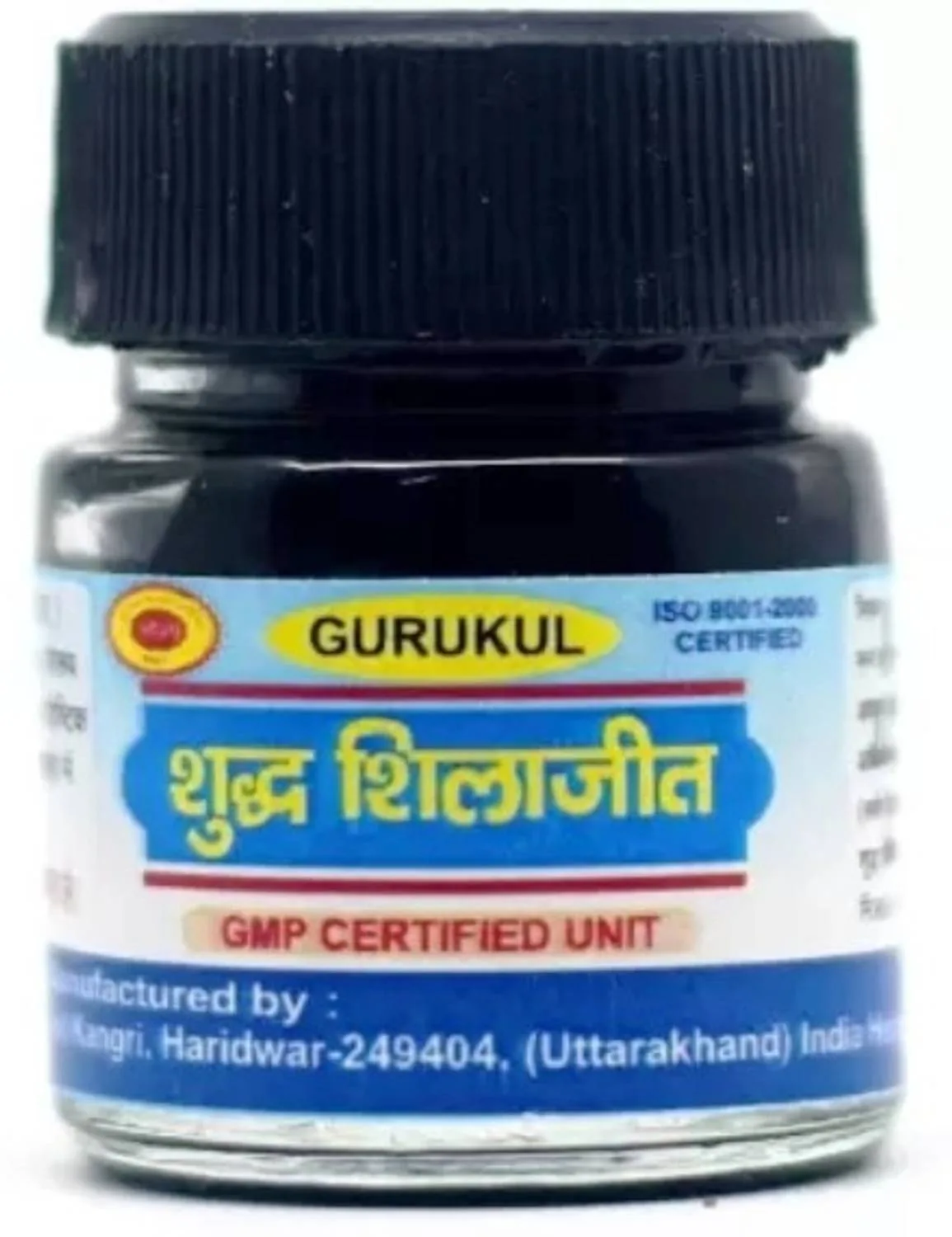
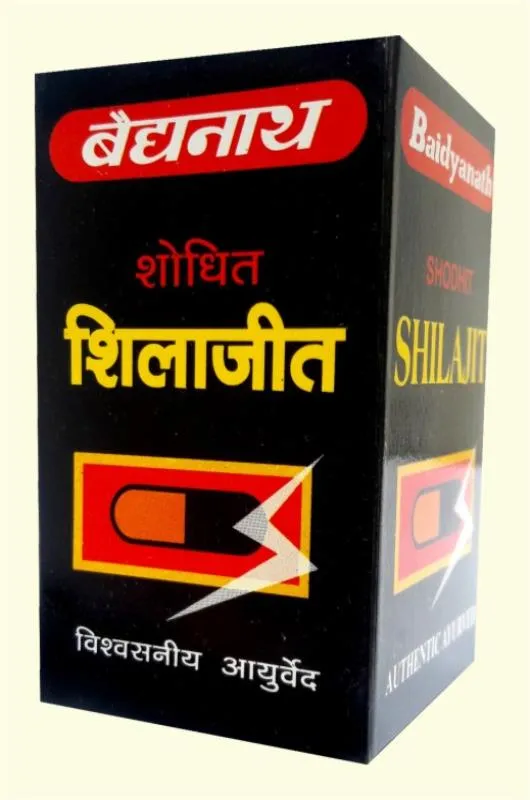
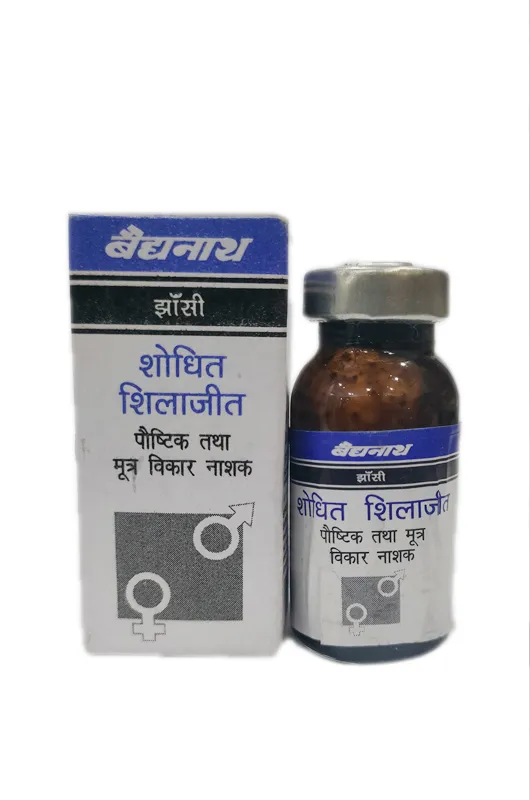
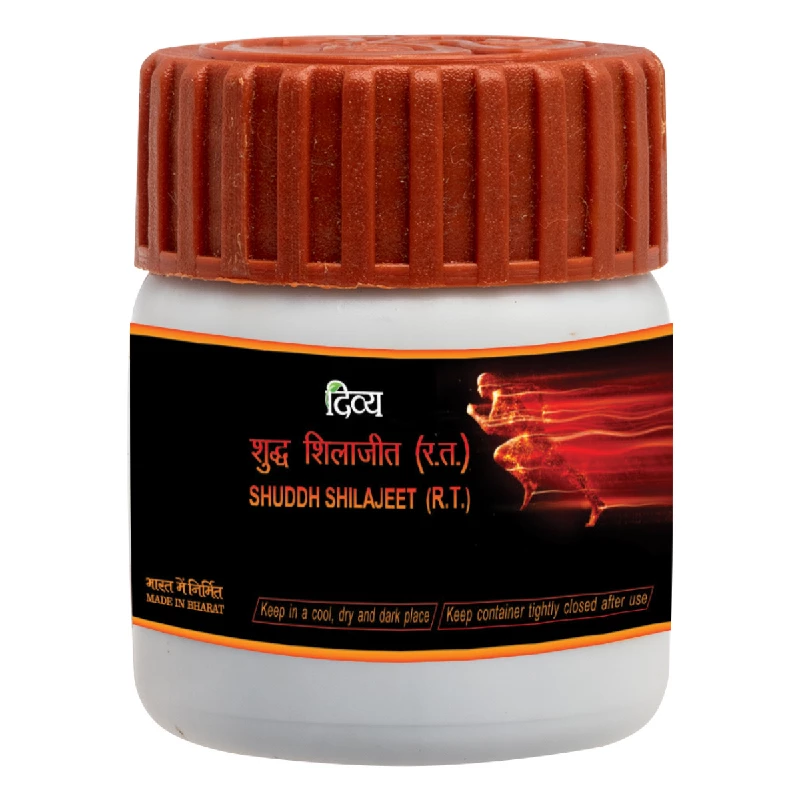
In Ayurveda, raw shilajit is put through a cleaning process before use. On Indian labels this is often called shodhit or shuddha, meaning purified. Baidyanath Shodhit Shilajit, for example, lists Sila Jatu Shuddha with triphala kwath, a triphala decoction used in the process.
This matters for two reasons. First, the 2013 review notes that unprocessed material carries far more mineral content than purified products. Second, the same review says that "adulterated and counterfeit products are marketed as shilajit".
So the label is worth reading closely. Look for the form, whether it says purified, and what testing the maker states.
How to take shilajit
Directions differ by brand and form, so your label comes first. These are the directions the makers give for products we stock:
Upakarma resin: Mix a pea-sized amount, using the spoon supplied, into lukewarm water, milk or green tea. Take it twice a day after meals.
Auric resin: Scoop 400 mg with the brass spoon provided and dissolve it in warm water or milk. The brand says it is for adults.
Baidyanath Shodhit Shilajit: Take as per your requirement or as directed by your physician.
Himalaya capsules: Take exactly as directed by your healthcare professional, usually with water or milk after meals.
A few general points:
Start with the smallest amount your label gives. Resin is easy to over-scoop, which is why brands supply a spoon.
Dissolve resin fully in warm, not boiling, water or milk before drinking.
Keep the jar closed and out of heat and damp. Resin softens when warm.
Tell your doctor you are taking it. The NIH Office of Dietary Supplements advises telling your health care providers about any supplements you take.
Is shilajit safe? Quality and safety points
Heavy metals are a real quality question
Shilajit comes out of rock, so the source material matters. In a 2025 study in BMC Chemistry, researchers measured thallium, a toxic metal, in shilajit samples and supplements. They found up to 0.226 micrograms per gram in natural shilajit and up to 0.5 micrograms per gram in supplements, and called for standard safety testing and monitoring of these products.
This is a reason to buy from brands that state their testing, and to ask a seller for test reports if none are shown.
Supplements are not checked before sale
As above, the NIH Office of Dietary Supplements explains that supplements do not need FDA approval before marketing.
Supplements can interact with medicines
The same NIH page says some supplements can raise the risk of bleeding, or change your response to anaesthesia if taken before surgery, and that some interact with medicines.
Some groups need to be more careful
The NIH page notes that many supplements have not been well tested in children or in women who are pregnant or nursing. It also says supplements should not be used in place of prescribed medicines, or in place of a varied diet.
Talk to your doctor before starting shilajit if you are pregnant or nursing, take any prescription medicine, have a long-term health condition, or have surgery coming up.
Where to buy shilajit
TheDesiFood stocks shilajit resins and capsules from brands including Baidyanath, Himalaya, Upakarma and Auric, with doorstep delivery worldwide, including the USA, UK, Middle East, Australia and Canada. Product details on each listing come from the manufacturer.