
How to Cook Millet: The Right Water Ratio for Every Variety
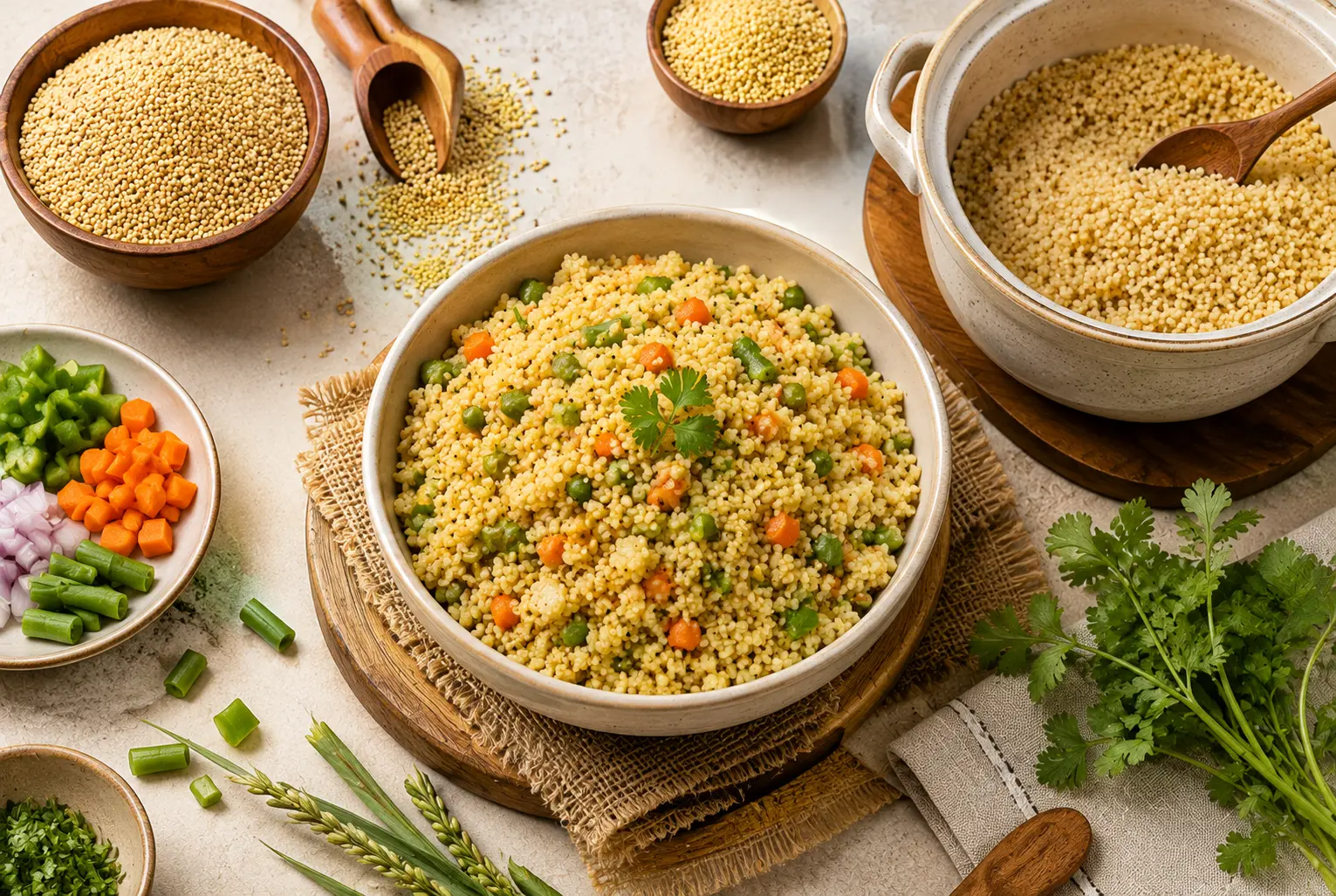
How to Cook Millet: The Right Water Ratio for Every Variety
Most guides to cooking millet give you one instruction: one cup millet, two cups water, twenty minutes. Follow it and you will sometimes get light, separate grains, and sometimes get a pan of paste. Same recipe, different result, and it feels like you did something wrong.
You did not. The problem is that "millet" is not one grain. It is a family of at least nine grains that look similar in a bag and behave nothing alike in a pot. Kodo millet needs an hour of soaking and browntop needs most of a day. Barnyard millet is done before either one has started to soften. One ratio cannot cover all of them, which is why so many people conclude they simply do not like millet.
This guide starts with a different question: which millet do you actually have? Once you know that, the cooking is easy.
Step one: identify what is in your bag
If the pack says only "millet," it is almost certainly proso millet, the pale yellow grain sold in Western supermarkets. Bags from an Indian grocery will name the variety, often in three or four languages at once. Here is how the names map:
English name | Also sold as | What it looks like |
|---|---|---|
Thinai, kangni, korra, navane | Tiny, pale yellow, slightly shiny | |
Samai, kutki, saame, samalu | Very small, grey-white | |
Varagu, kodra, arikelu, harka | Larger, dull brown to blackish | |
Kuthiraivali, sanwa, jhangora | Small, grey-white, faintly striped | |
Korale, andakorra | Tan to off-white, the largest of the small millets | |
Proso millet | Chena, panivaragu, barri | Round, pale yellow, glossy |
Bajra, kambu, sajje | Round, grey-green, noticeably bigger | |
Finger millet | Ragi, nachni, kelvaragu | Tiny, rust brown, almost seed-like |
Sorghum | Jowar, cholam, jonna | Largest of all, pale and round |
The first six on that list are what people mean by "small millets." They cook like rice and are the ones this guide is mostly about. The last three behave differently, and we cover them further down.
Millets to cook like rice
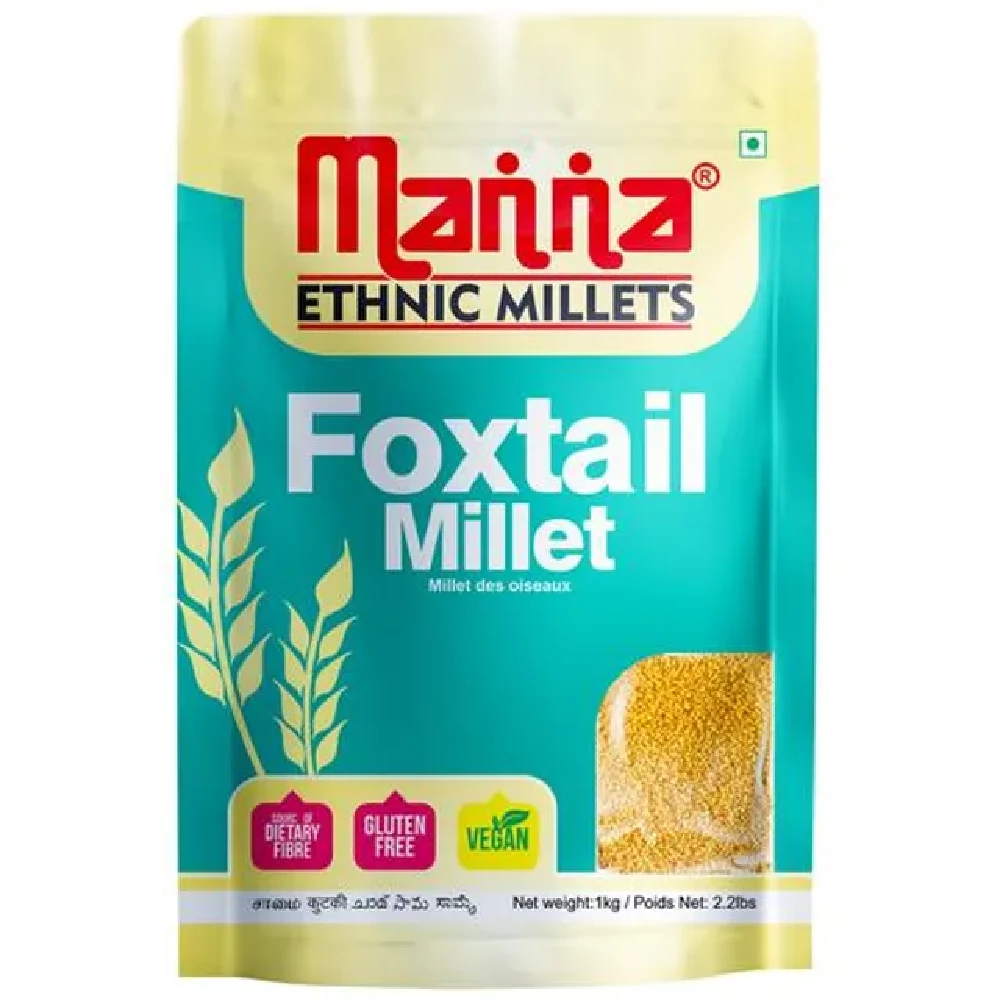
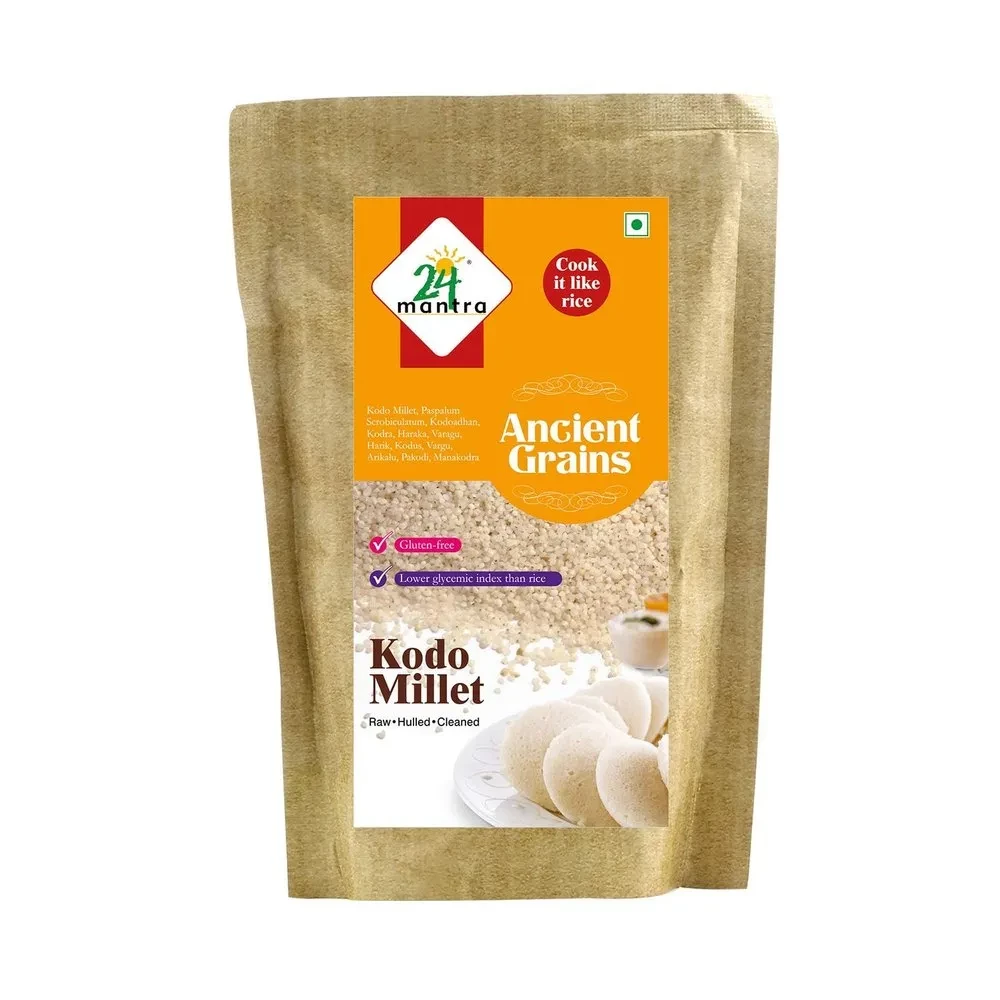
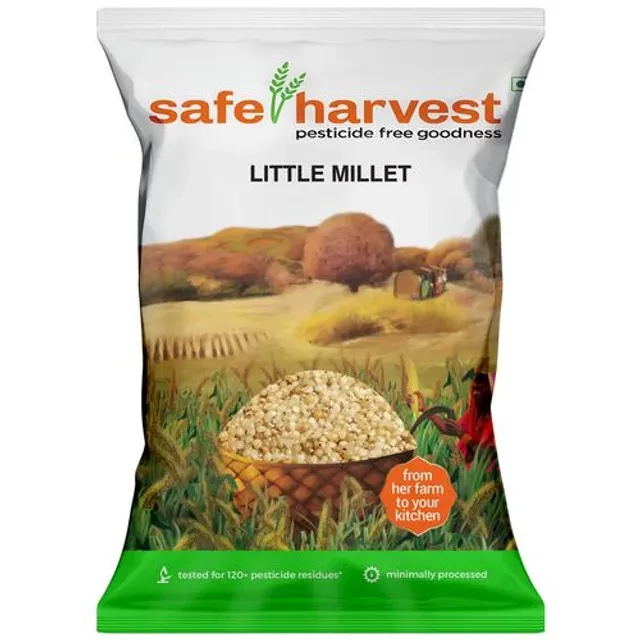
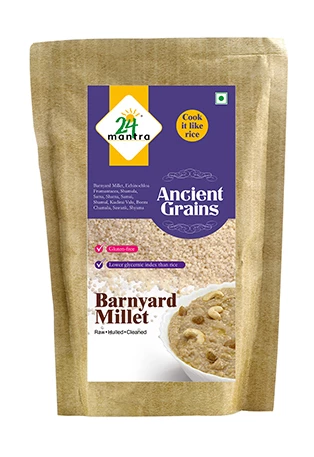
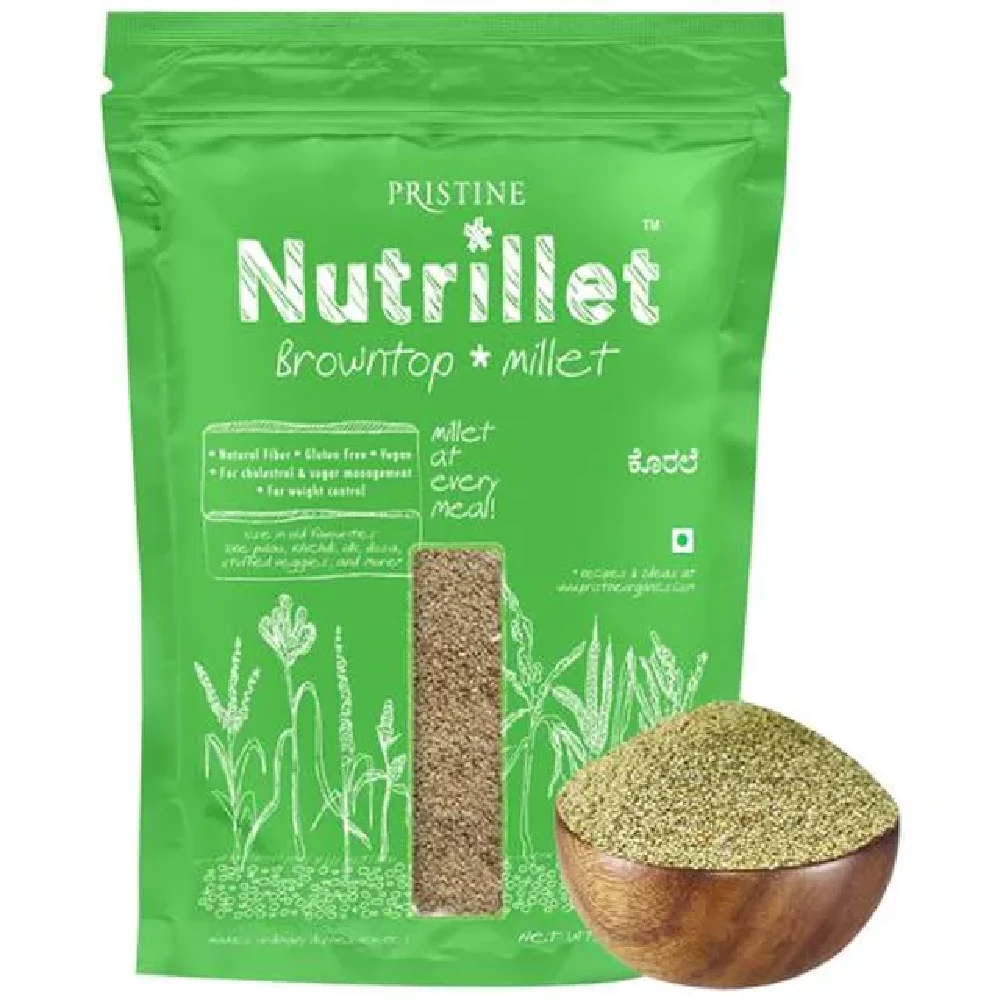
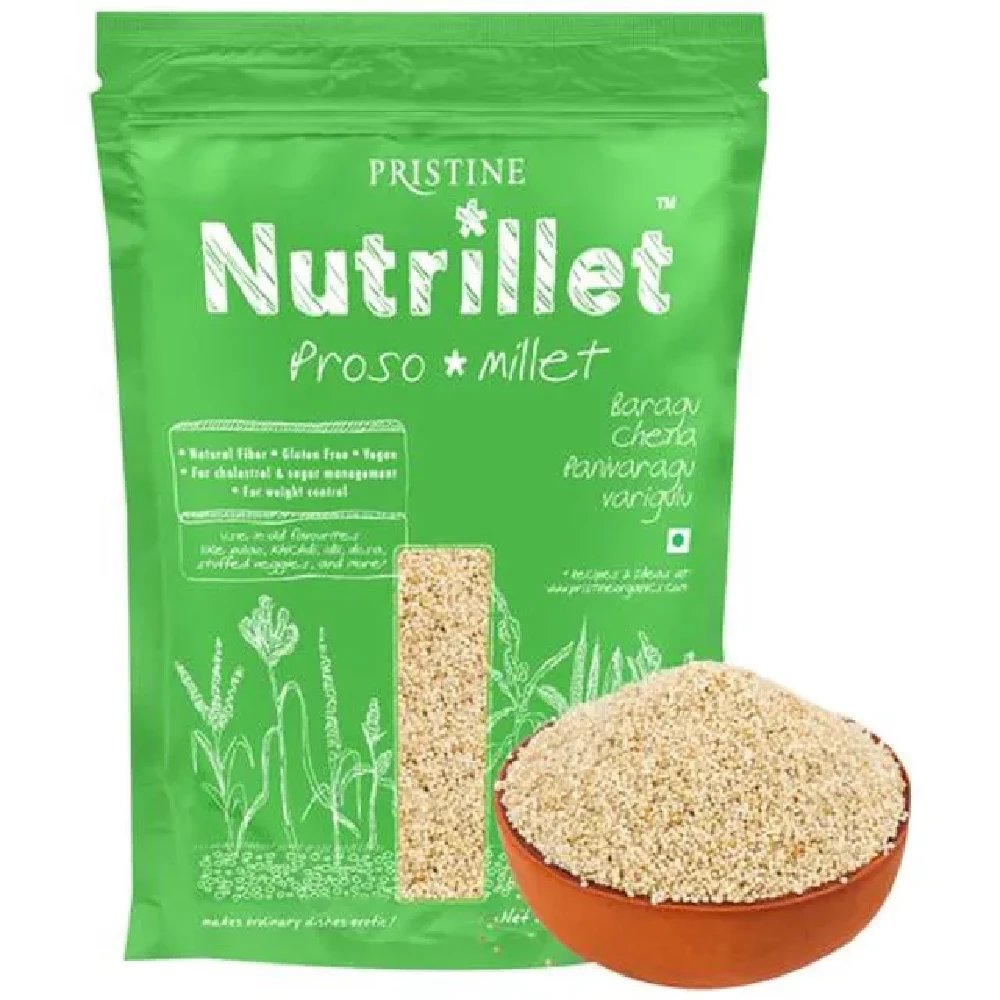
The ratios and times that actually work
Treat these as starting points. Millets vary by harvest, age, and how heavily they were hulled, so adjust after your first batch and then stick with what worked for that brand. If you are not sure which variety to buy first, the full millet range is a good place to compare them side by side.
Millet | Soak | Water per 1 cup | Stovetop | Pressure cooker |
|---|---|---|---|---|
Barnyard | 20 to 30 min | 2 cups | 12 to 15 min | 2 whistles |
Foxtail | 30 min | 2 to 2.25 cups | 15 to 20 min | 2 whistles |
Proso | 30 min | 2 cups | 15 to 18 min | 2 whistles |
Little | 30 to 45 min | 2.5 cups | 15 to 20 min | 2 to 3 whistles |
Kodo | 45 to 60 min | 2.5 to 3 cups | 20 to 25 min | 3 whistles |
Browntop | 6 to 8 hours | 3 cups | 25 to 30 min | 3 to 4 whistles |
Two patterns worth noticing. Soaking time rises roughly with grain hardness, not grain size, which is why tiny kodo needs far longer than larger-looking barnyard. And the harder the millet, the more water it wants, because it is absorbing over a longer cook.
The method, step by step
1. Rinse properly. Two or three changes of water, rubbing the grains between your fingers. Small millets carry fine dust and husk fragments that turn the finished dish faintly bitter if left in. Use a fine mesh strainer, since the grains slip through a colander.
2. Soak. This is the step Western recipes skip and the one that decides your texture. Soaking softens the bran evenly, so the outside does not turn to mush while the inside is still hard. Drain and rinse again afterwards. If you are soaking browntop overnight, keep it in the fridge.
3. Toast, optionally. A minute or two in a dry pan or a teaspoon of ghee before adding water gives a nuttier flavour and helps the grains stay separate. Worth doing for foxtail and proso, less necessary for kodo.
4. Cook. Bring to a boil, cover, drop to the lowest heat, and leave it alone. Stirring is what makes millet gluey. In a pressure cooker, count whistles from the first one and use low heat after.
5. Rest. Off the heat, lid on, for at least 10 minutes. This is not optional. The grains finish absorbing steam here, and millet fluffed straight off the stove is always wetter than millet that has rested.
6. Fluff with a fork, never a spoon.
When you want porridge, not fluffy grains
Everything above is for separate grains. For a soft, spoonable texture, which is how millet is eaten at breakfast across much of India, use 3 to 3.5 cups of water per cup of millet, cook 10 minutes longer, and stir often. Little millet and barnyard millet make the best porridge. Add jaggery and milk for a sweet version, or curd, salt, and a tempering of mustard seeds and curry leaves for a savoury one.
The three millets you probably will not boil whole
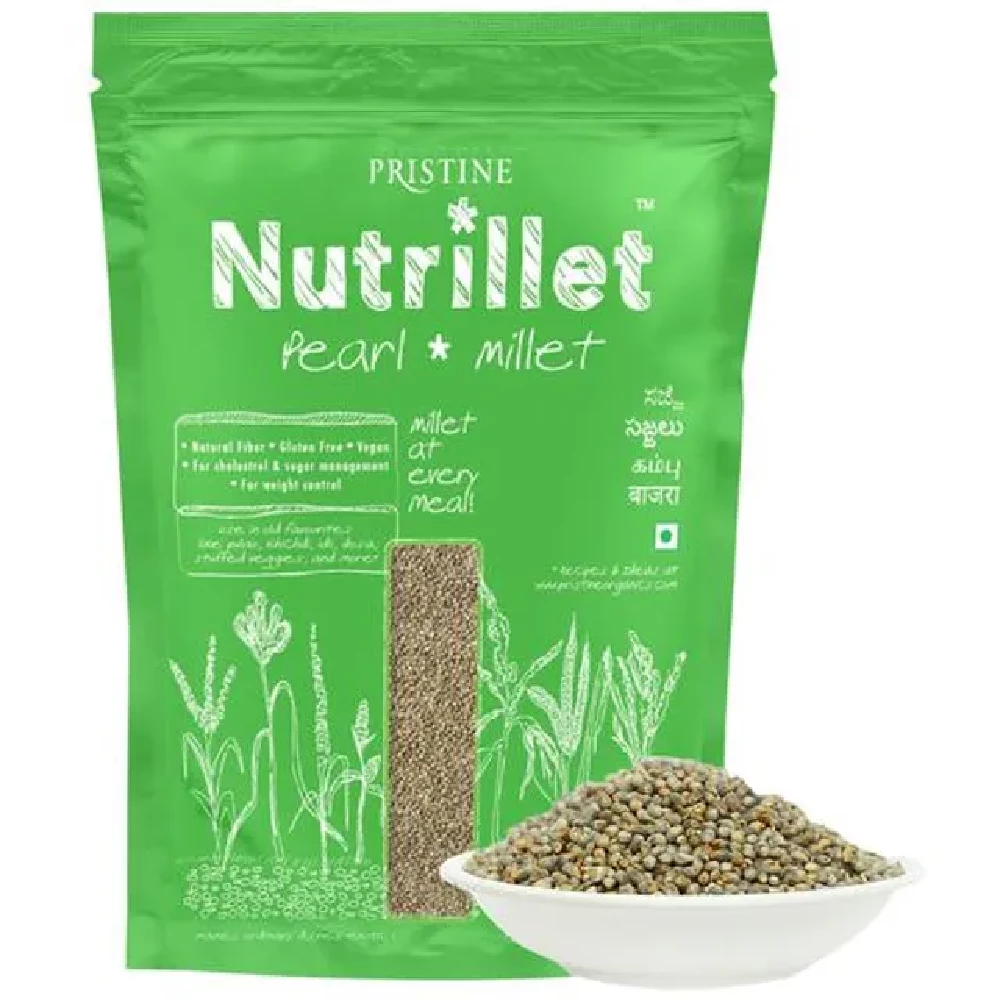
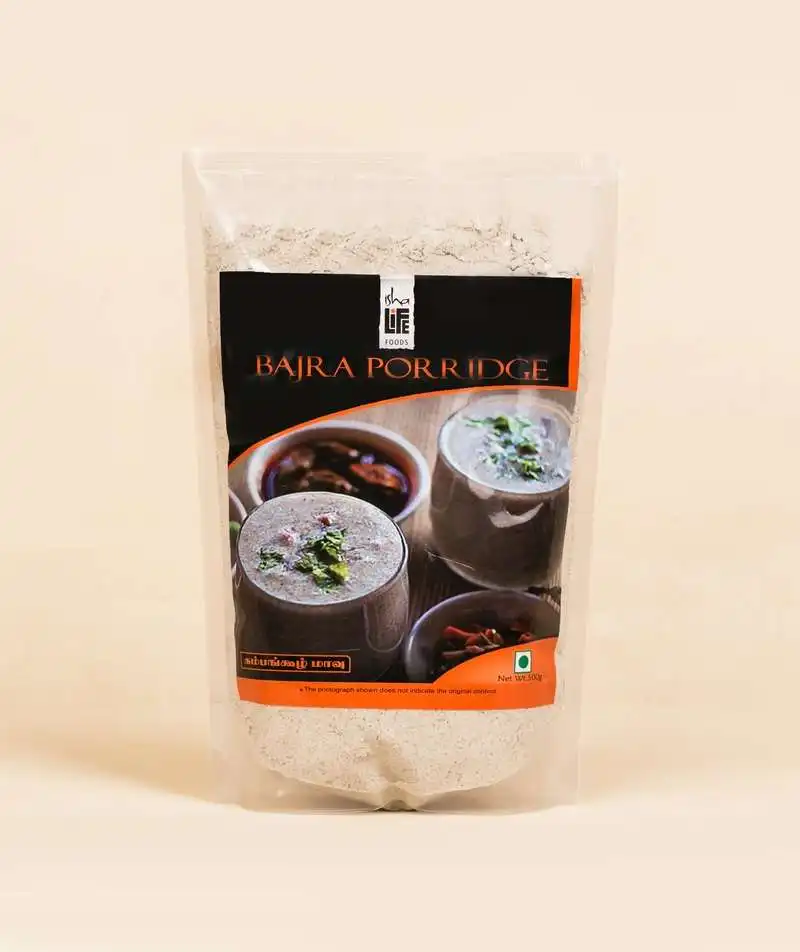
Pearl millet, finger millet, and sorghum are traditionally used as flour rather than cooked as whole grains, and this is where most generic millet guides go quiet.
Bajra (pearl millet) is ground for roti, especially in Rajasthan and Gujarat in winter. Bajra dough has no gluten, so it is patted out by hand rather than rolled. Whole bajra can be boiled, but it wants an overnight soak and 30 to 40 minutes.
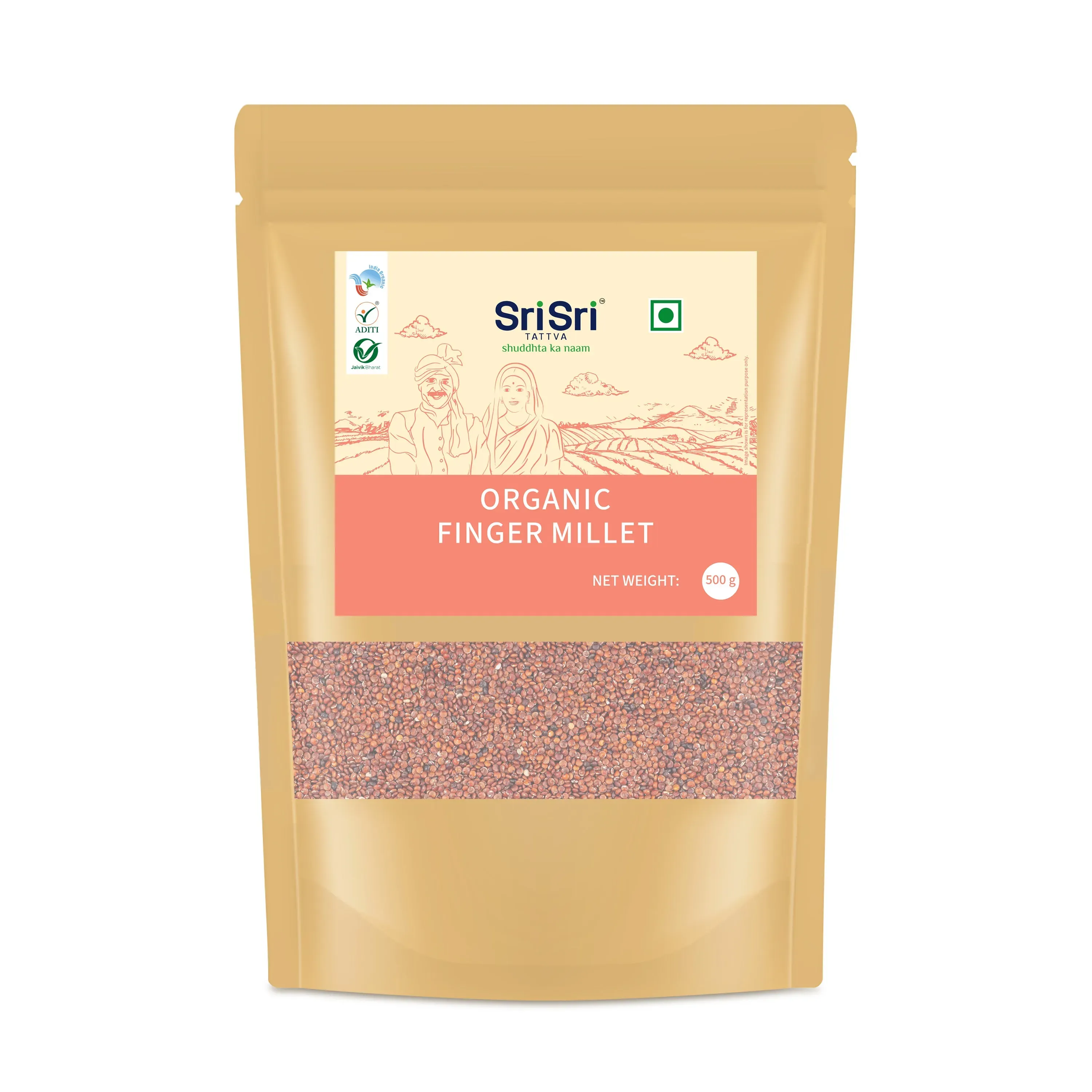
Ragi (finger millet) is almost never eaten as a whole grain. It becomes ragi mudde, ragi roti, or a porridge, and it is one of the first solid foods given to babies in South India.
Jowar (sorghum) goes into bhakri, and the whole grain is sometimes popped like corn. Boiling it whole takes an overnight soak and 45 minutes or more.
For roti, porridge, and mudde
Fixing the four things that go wrong
It turned to mush. Too much water, too much stirring, or no soak. Next time cut the water by a quarter cup and leave the lid on. Mushy millet is not wasted: press it into a tray, chill it, slice it, and pan fry the squares.
It is still hard in the middle. Not enough soaking, most likely, or you skipped the rest. Add a splash of hot water, cover, and give it 5 more minutes on low.
It tastes bitter. Under-rinsed, or the millet is old. Millets carry more oil in the bran than rice does and go rancid faster, which is why they keep about two months in the cupboard and much longer in the fridge or freezer.
It clumped into one mass. Almost always stirring during the cook. It also happens if you fluff while it is still hot and wet, so rest first.
Using millet in everyday cooking
The easiest way to make millet a habit is to stop treating it as a new dish and start using it where rice already goes.
Instead of rice with dal or curry: foxtail or little millet, cooked at the fluffy ratio
Upma: barnyard or foxtail, which hold their shape best
Khichdi: little millet with moong dal, cooked slightly wetter
Pongal and lemon rice: foxtail, which is the closest in behaviour to rice
Idli and dosa batter: kodo or little millet in place of part of the rice
Breakfast porridge: little or barnyard, or ragi as flour
Grain bowls and salads: proso or foxtail, cooked dry and cooled
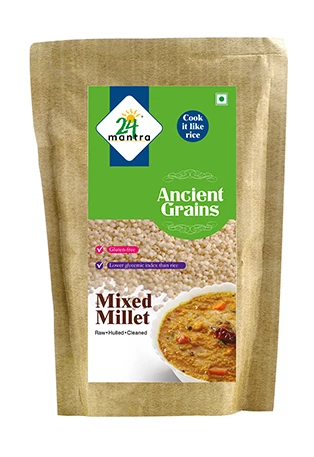
If your household is not sold on millet yet, start by replacing a quarter of the rice in a dish and work upward. A mixed millet pack is a cheaper way to find out which variety your family actually likes before committing to a large bag of one. The same gradual approach works for switching between rice varieties, which we cover in our guide to brown rice and basmati rice.
Buying millet
A few things worth checking:
The variety should be named. A bag labelled only "millet" tells you nothing about how to cook it. Bags that print the regional names as well are usually from brands that expect you to cook it properly.
Unpolished, where you can find it. Heavily polished millet cooks faster but loses the bran that made it worth choosing.
Buy smaller packs. Millets go rancid faster than rice. A pack you will finish in two months beats a bulk bag that turns bitter.
Check the pack date. Older millet needs longer soaking and often will not soften properly at all.
Outside India, most supermarkets stock proso millet and nothing else, and the small millets are hard to find even in larger Indian stores. The Desi Food ships foxtail, kodo, little, barnyard, browntop, and proso millet, along with ragi and bajra, to the USA and 80+ countries. Browse the full range on our millets collection page.