
Best Ayurvedic Herbs for Sleep: 8 Herbs and the Forms They Come In
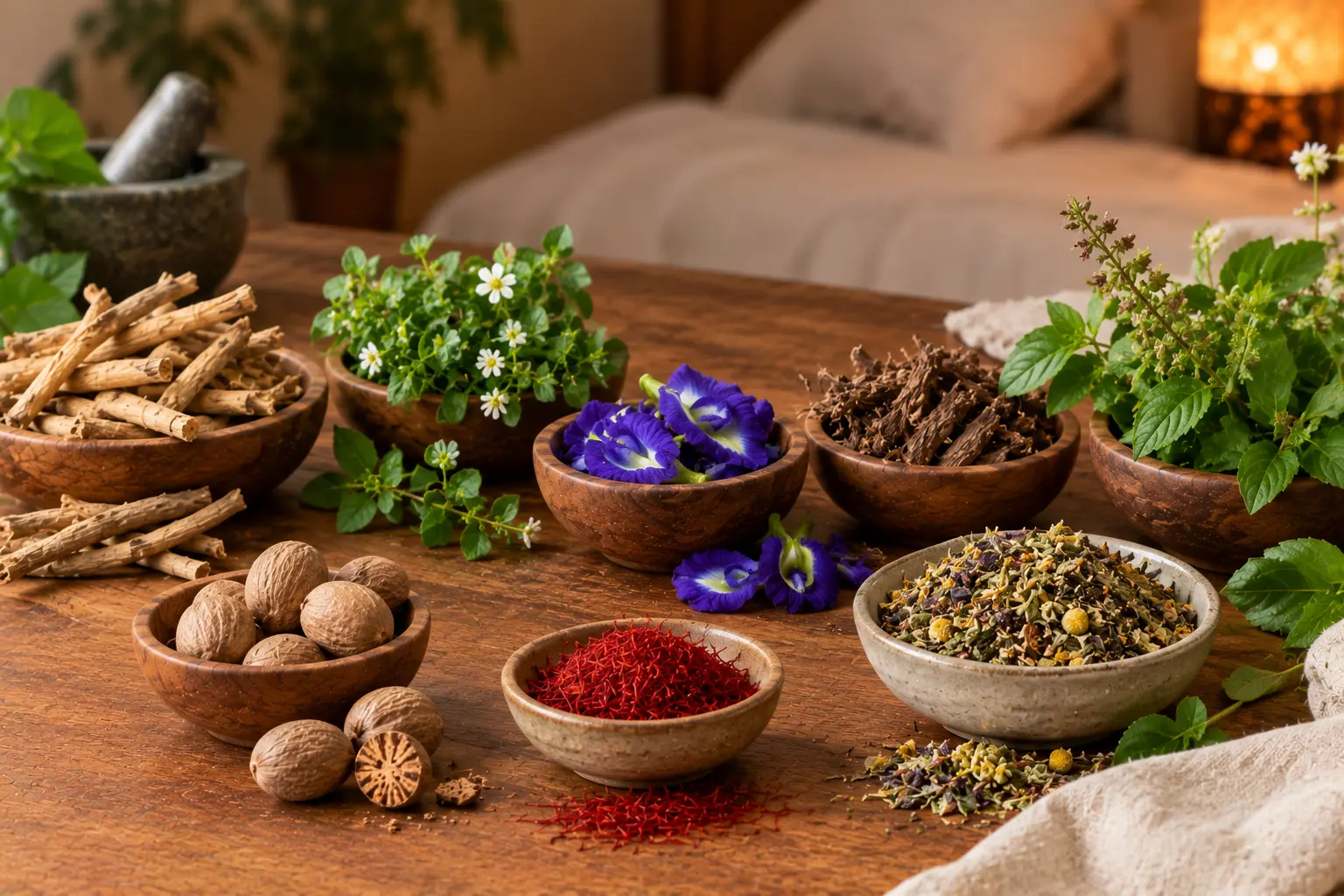
Best Ayurvedic Herbs for Sleep: 8 Herbs and the Forms They Come In
Ayurvedic herbs for sleep are sold under names that overlap. Brahmi can mean either of two plants. Tagara can mean either of two. Some packs hold one herb, others hold six.
This guide covers eight Ayurvedic herbs that people take in the evening. For each one you get the plant, the forms it comes in, what to check on the label, and where the research is limited.
None of these herbs is a treatment for a sleep problem or any health condition. If poor sleep is a regular problem, talk to a doctor.
Herb | Plant part | Common forms | Check on the label |
|---|---|---|---|
1. Ashwagandha | Root | Powder, capsules, tablets, fermented liquid | Root or root extract |
2. Brahmi | Whole herb | Powder, tablets, capsules | Bacopa or gotu kola |
3. Shankhpushpi | Whole plant | Powder, syrup, tablets | Single herb or blend |
4. Jatamansi | Root | Powder | Botanical name |
5. Tulsi | Leaf | Tea | Caffeine |
6. Nutmeg | Seed | Powder, whole | Food amounts only |
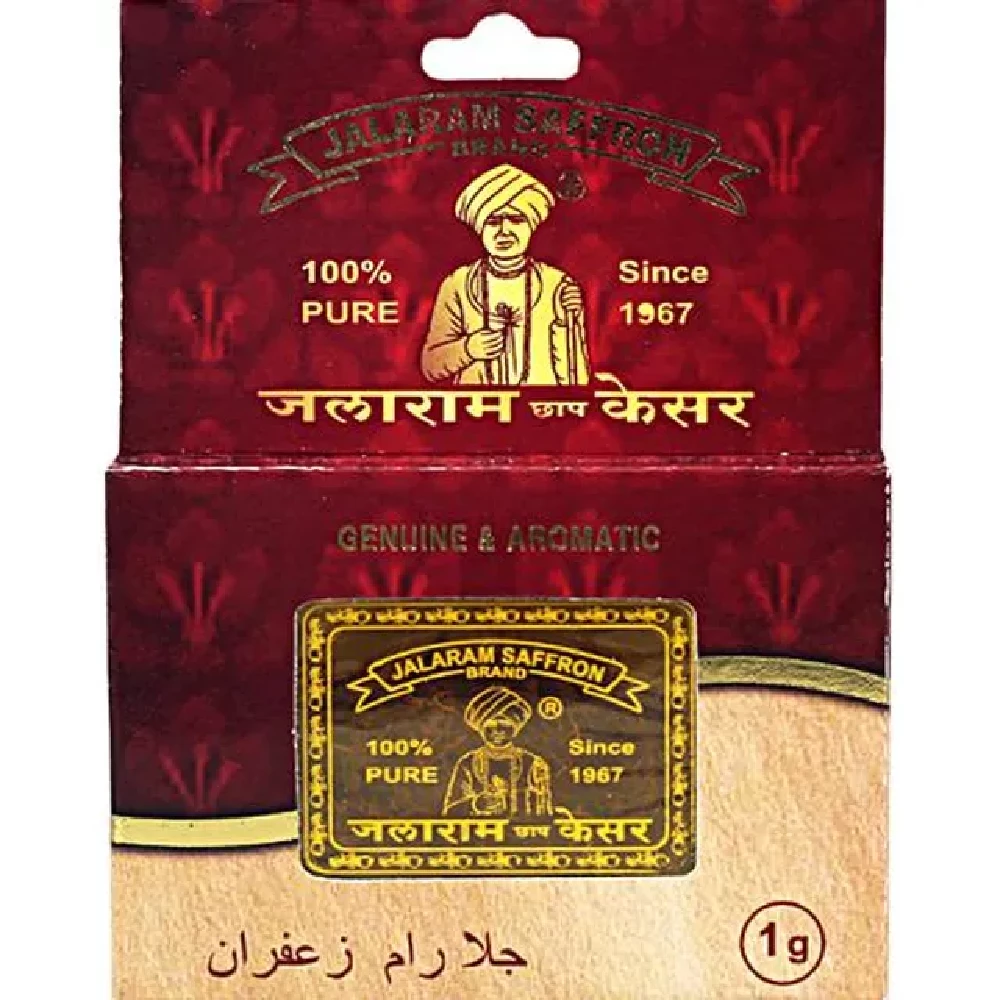
7. Saffron | Stigmas, sold as threads | Threads | Threads only |
8. Multi-herb blends | Varies | Tablets, syrup | Full ingredient list |
1. Ashwagandha (Withania somnifera)
Ashwagandha is a shrub, and the root is the part used most in Ayurveda. The name is Sanskrit and is often translated as "smell of the horse". The root smells earthy and tastes slightly bitter.
When people talk about ashwagandha for sleep, they usually mean this root, taken in the evening rather than in the morning.
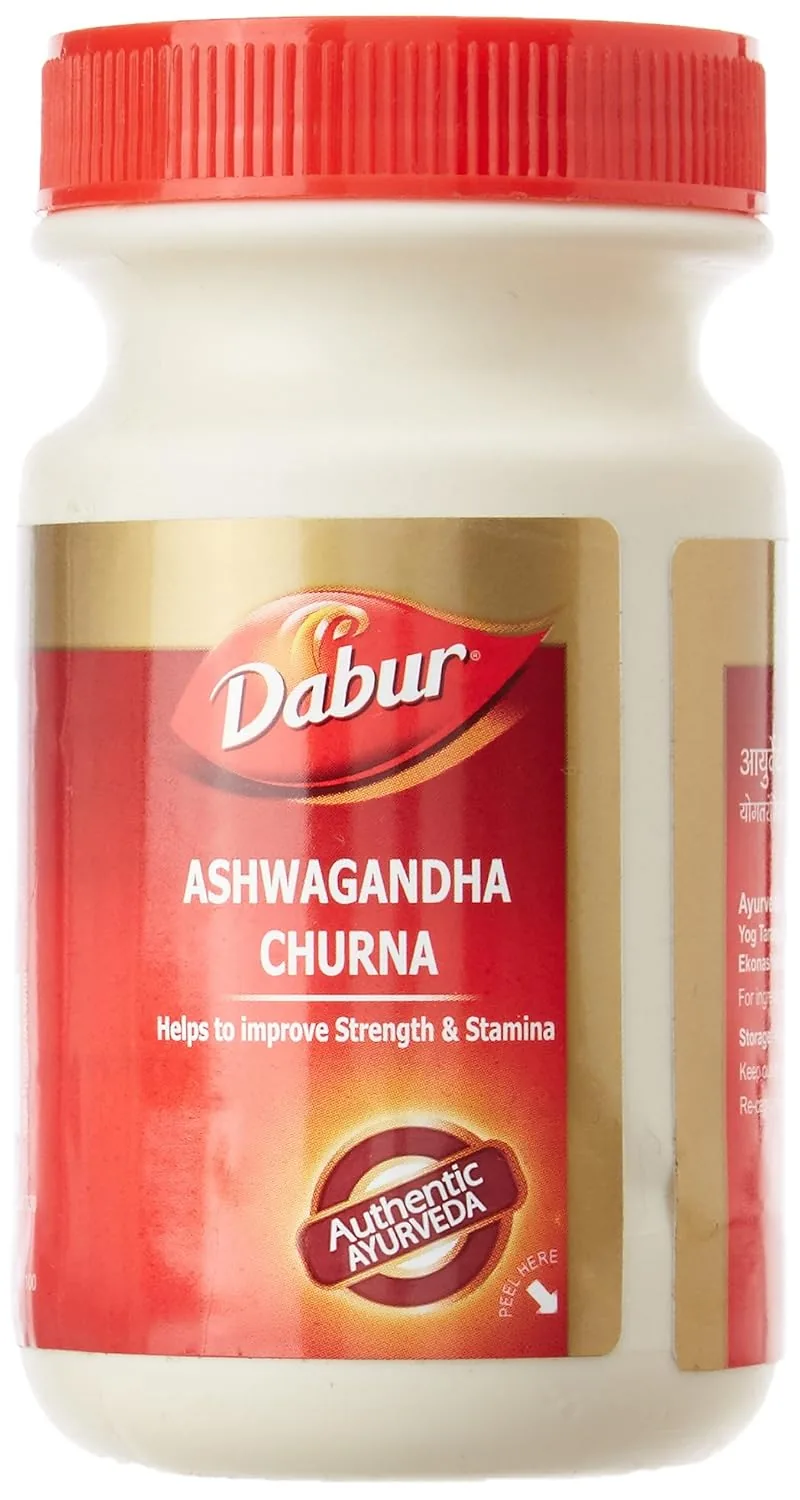
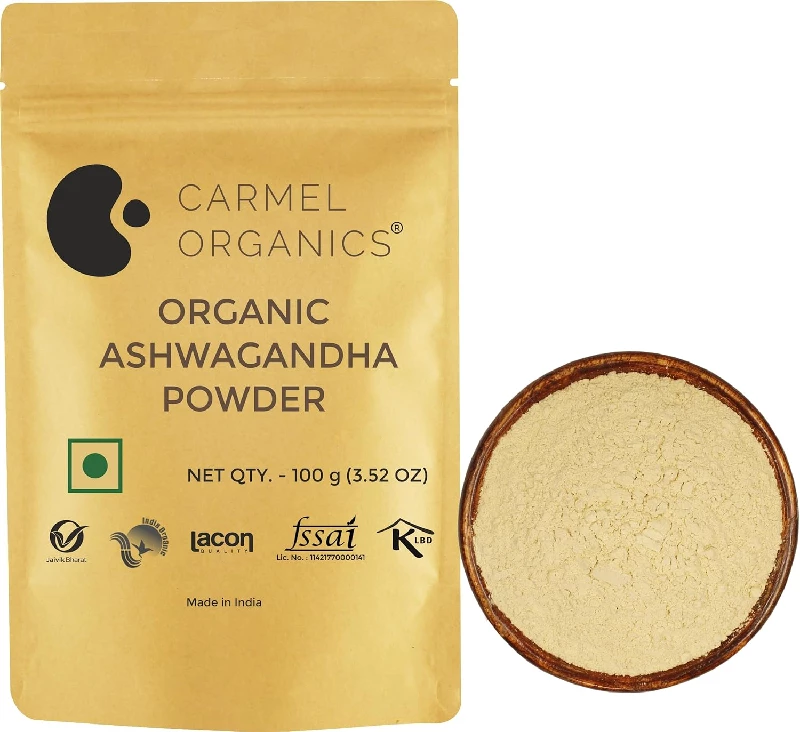
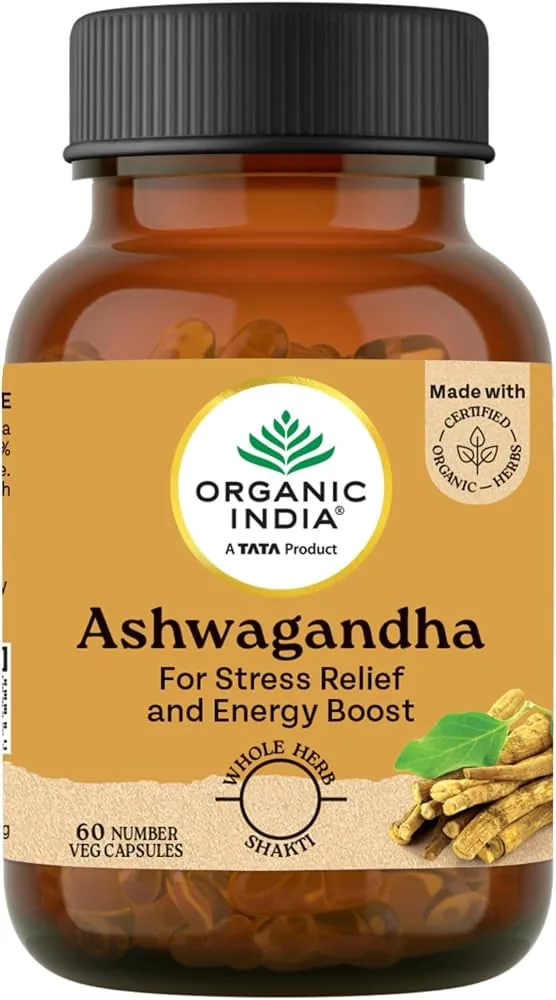
You will find it as churna (root powder), capsules, tablets, a fermented liquid called ashwagandharishta, and tea. Root powder is usually stirred into warm milk or water.
The US National Center for Complementary and Integrative Health says many ashwagandha studies were small and used different preparations, and that there is not enough information on its long-term safety. The same page says to avoid ashwagandha in pregnancy and breastfeeding, that it is not recommended before surgery or for people with autoimmune or thyroid conditions, and that it may interact with medicines for diabetes and blood pressure, and with sedatives.
LiverTox, a US National Institutes of Health database, has an ashwagandha entry noting rare reports of liver injury with products labelled as containing it.
On the label, look for the word "root" or "root extract". Our best ashwagandha supplements guide compares the forms in more detail, and our ashwagandha benefits guide covers the herb on its own.
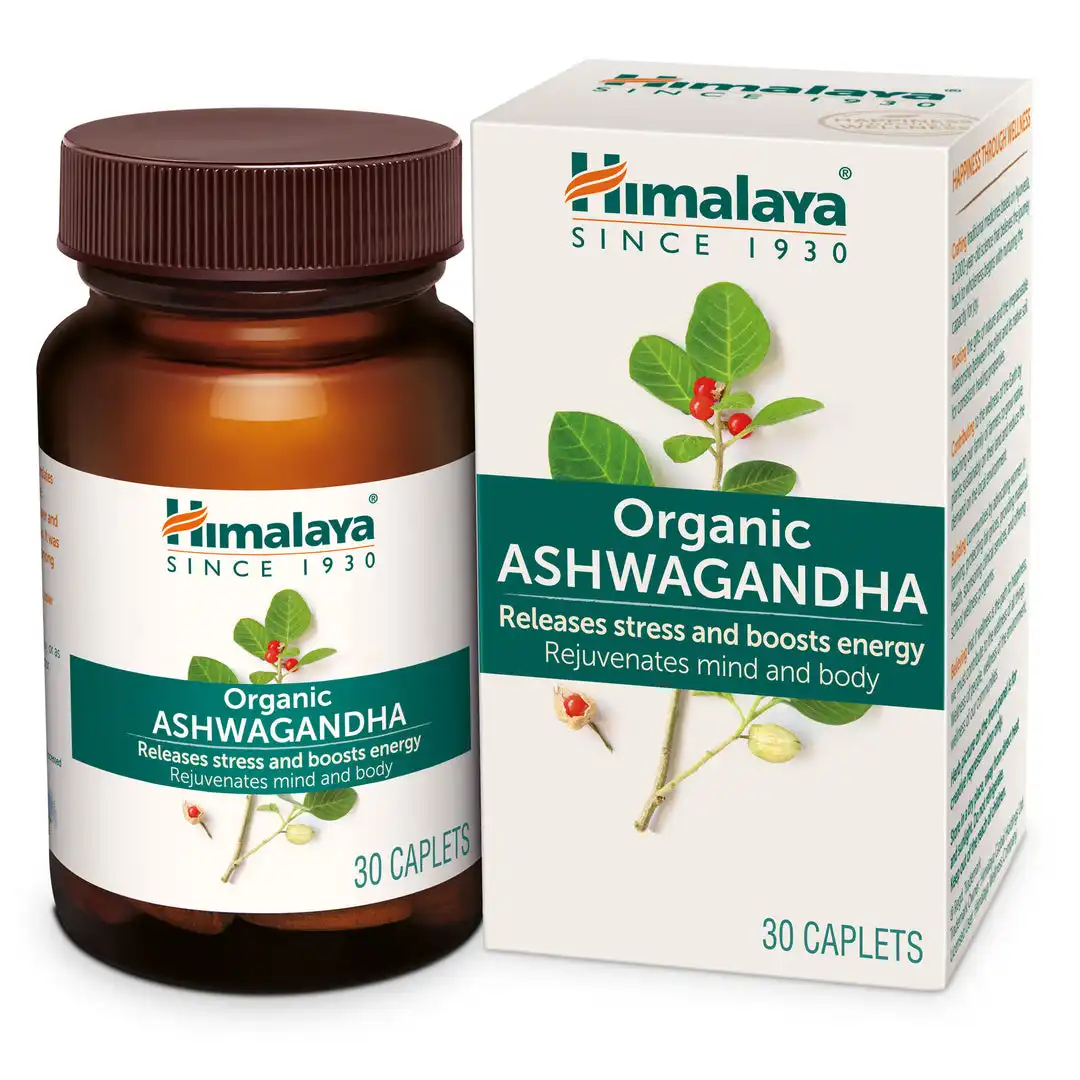
Brands here include Organic India, Himalaya and Dabur.
Ashwagandha
2. Brahmi (Bacopa monnieri or Centella asiatica)
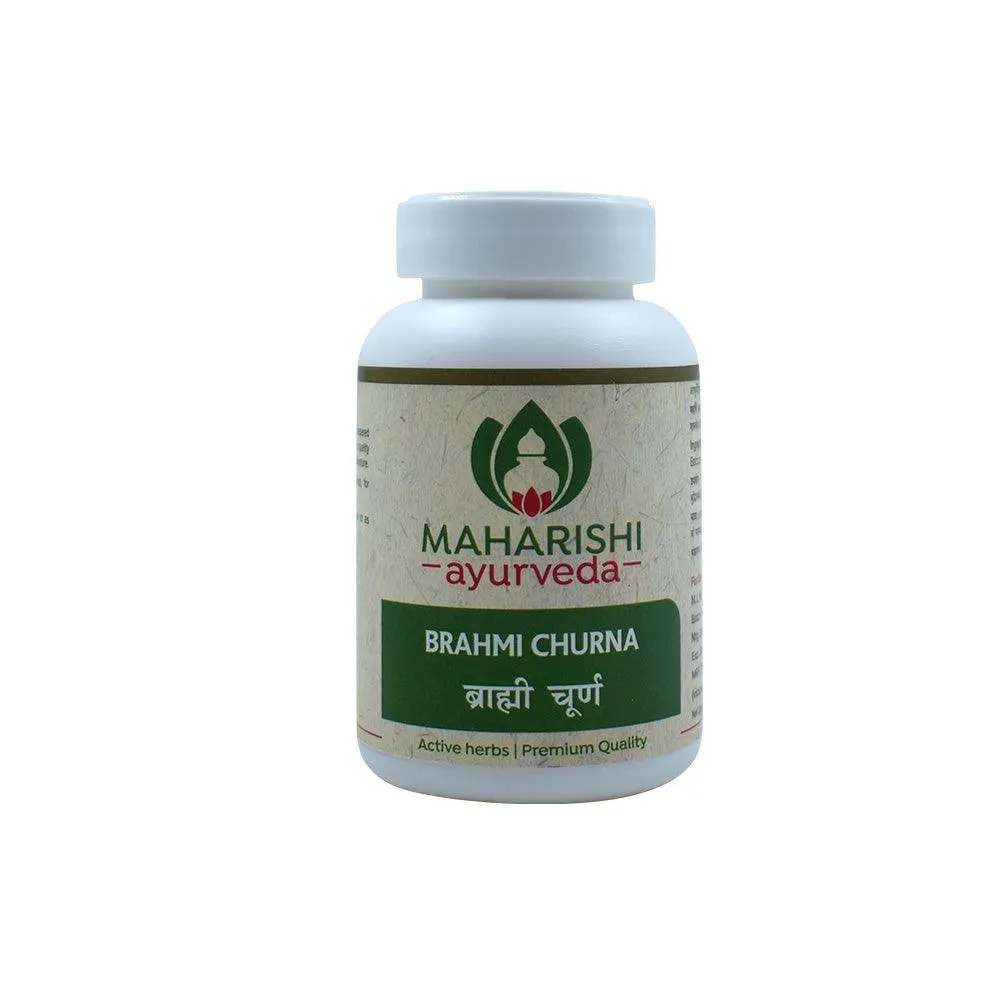
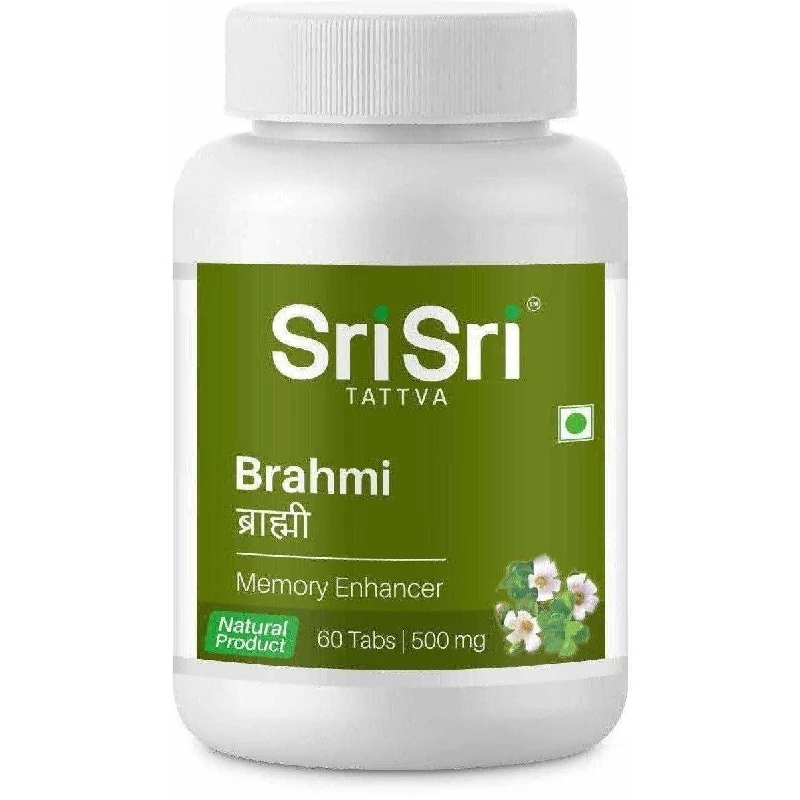
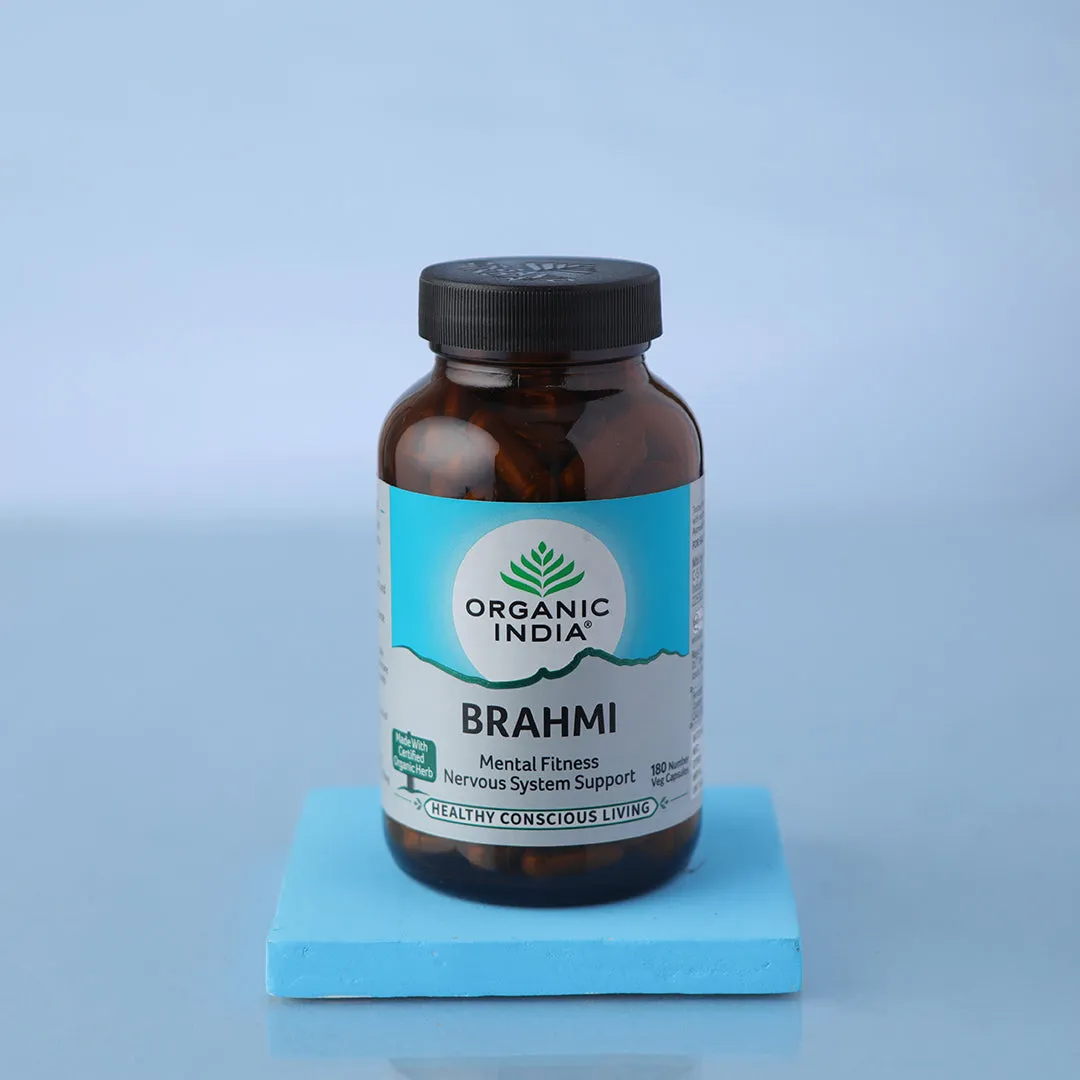
Brahmi is a name that covers two different plants. One is Bacopa monnieri. The other is gotu kola, also called Centella asiatica. Products sold as brahmi can be either, and some labels do not say which.
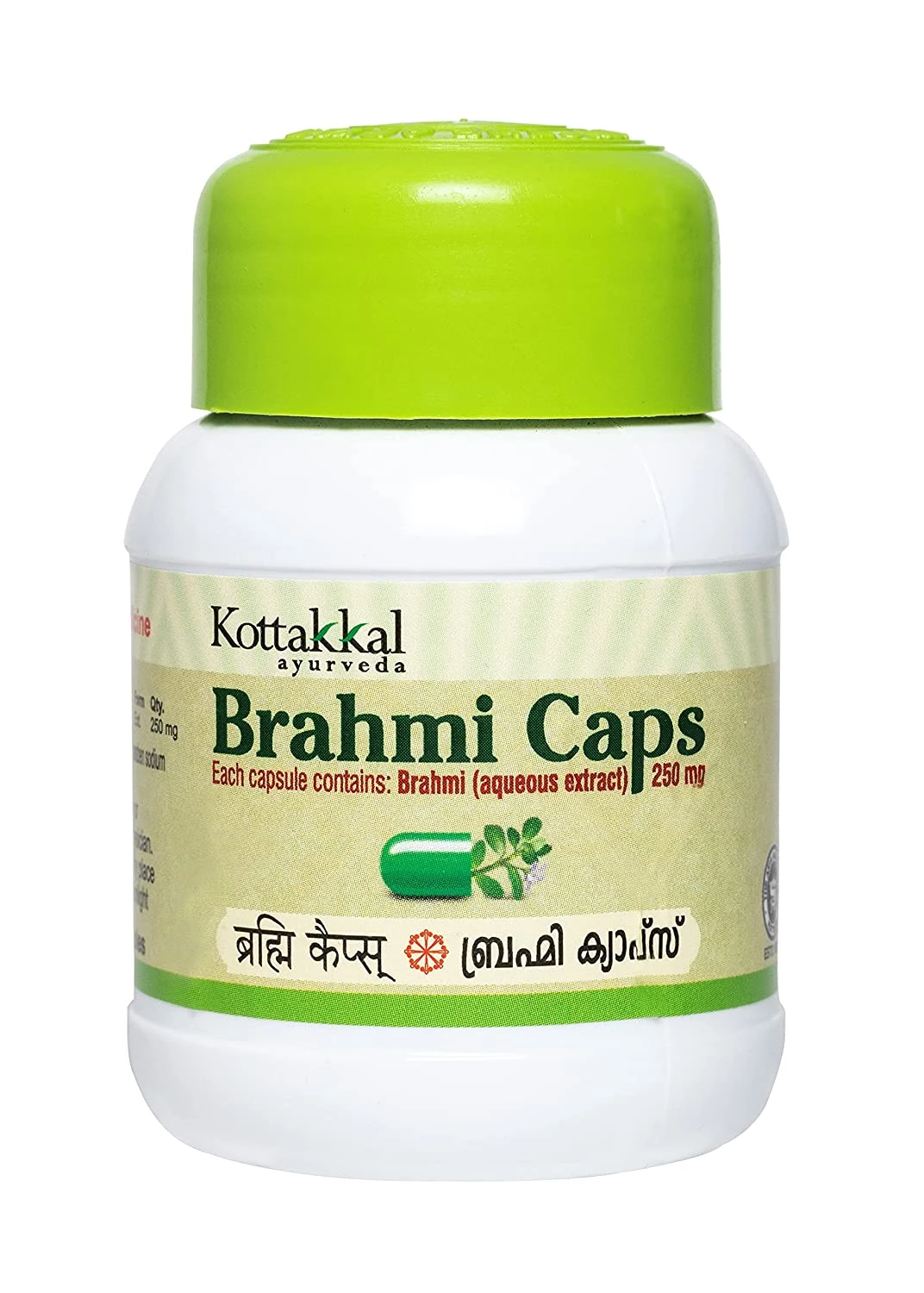
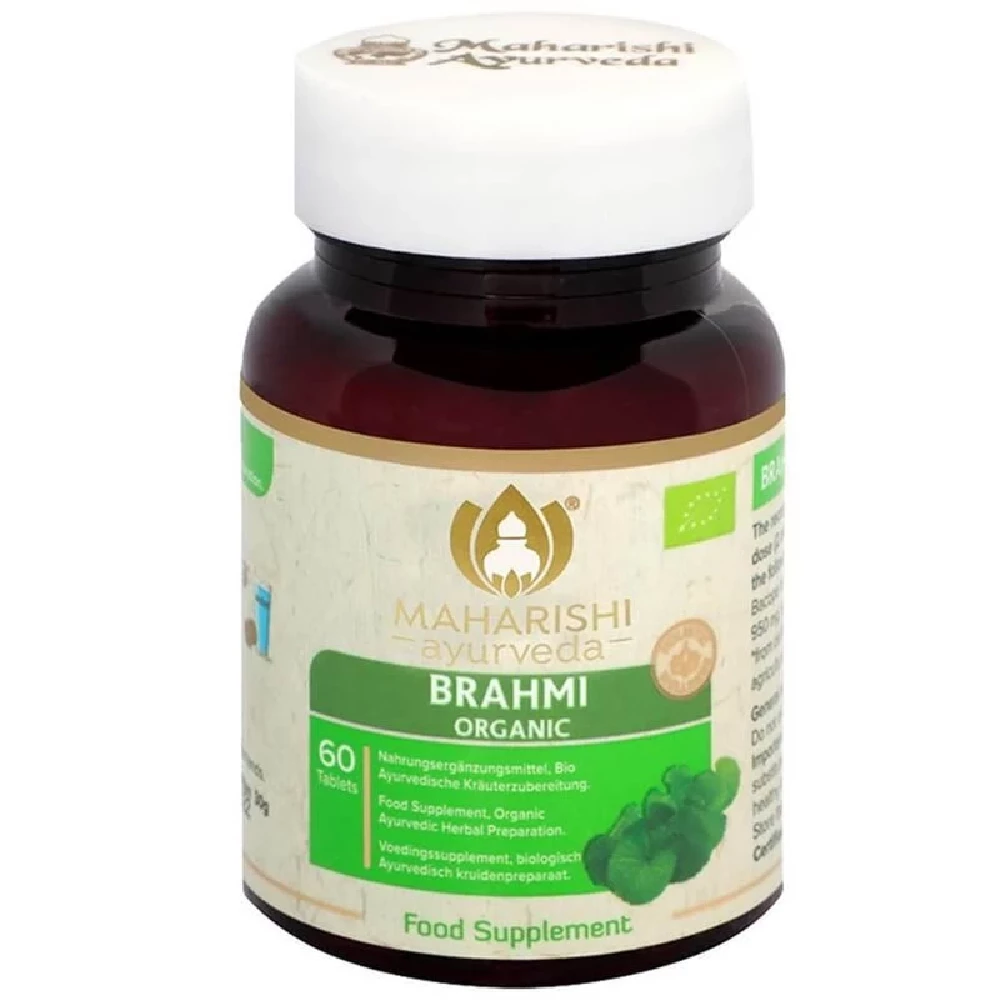
The listings show it. Maharishi Ayurveda's brahmi churna names Bacopa monnieri, and so does Sri Sri Tattva's brahmi tablet. Organic India's brahmi names Centella asiatica, which is gotu kola. The Kottakkal Ayurveda capsules and the Maharishi Ayurveda organic tablets do not name a species on the listing, so check the pack.
Human research on Bacopa is about memory and attention, not sleep. One review of nine trials on Bacopa monnieri and cognitive performance says only a large, well-designed trial will give firm answers. Another review of six 12-week trials on Bacopa monnieri and memory describes the research as early.
For gotu kola, LiverTox has a gotu kola entry listing it as a probable rare cause of liver injury. The reports are few. If you have a liver condition, ask your doctor first.
Brahmi
3. Shankhpushpi (Convolvulus pluricaulis)
Shankhpushpi is a small creeping herb. It is sold as the dried whole plant, ground into a powder. It also comes as a syrup and as tablets, and it often appears alongside brahmi in blends.
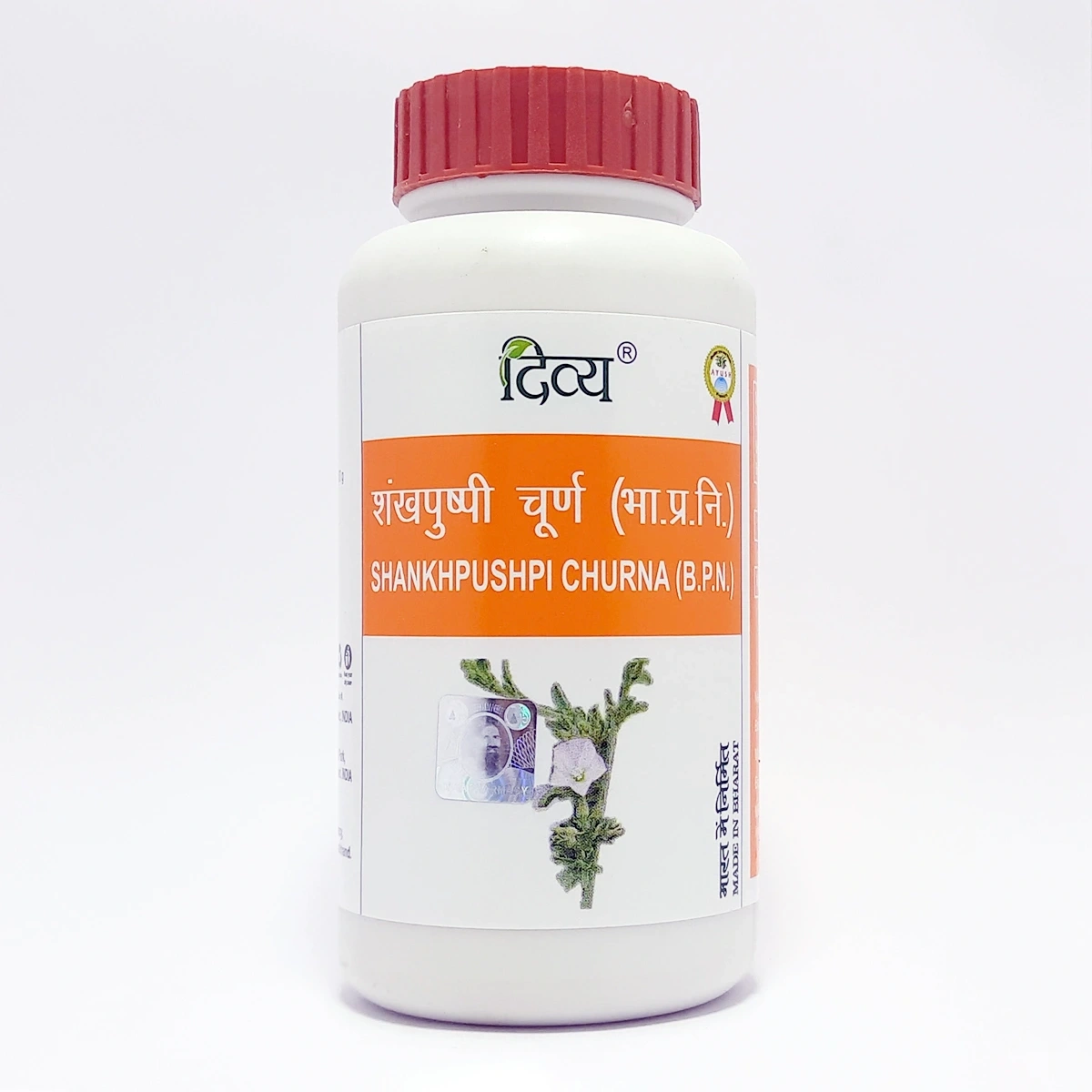
Patanjali's shankhpushpi churna lists shankhpushpi as its only ingredient.
No sleep research is cited here for shankhpushpi. Human research on it is very limited.
Shankhpushpi
4. Jatamansi (Nardostachys jatamansi)
Jatamansi is the root of a plant also called spikenard. It is sold mainly as a root powder. You will also see it named inside blends with brahmi and shankhpushpi.
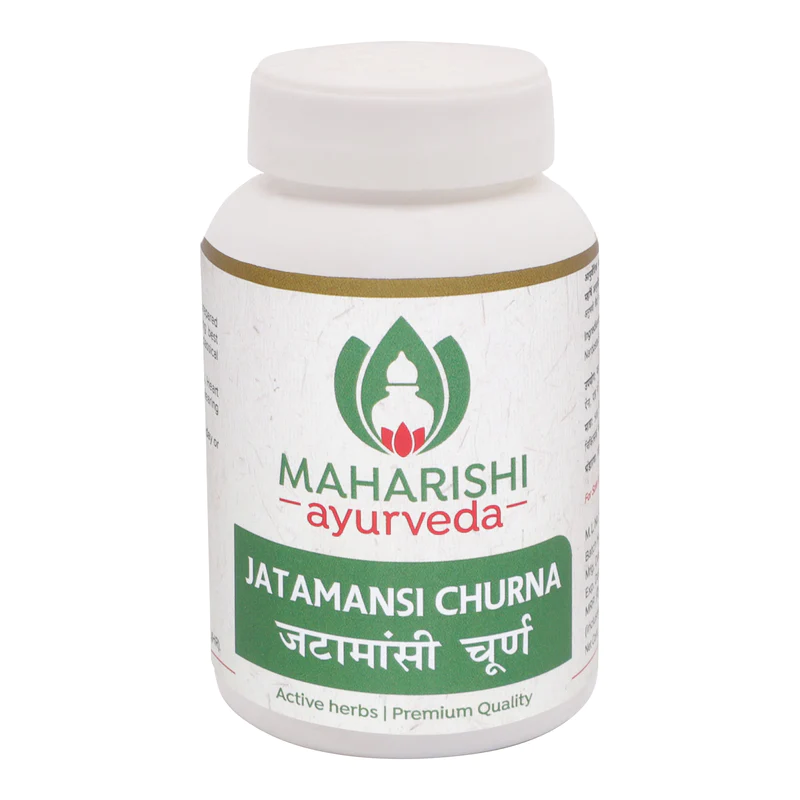
Names overlap here. Some sellers use the name tagara for jatamansi, while other labels use tagara for a different plant. There is more on that in the blends section below. The Maharishi Ayurveda churna listing names jatamansi and does not give a botanical name, so check the pack when it arrives.
No sleep research is cited here for jatamansi. There is very little human research on it.
Jatamansi
5. Tulsi (Ocimum sanctum)
Tulsi is holy basil. It is a leaf, so you steep it rather than simmer it. Pour hot water over the leaves, cover the cup and wait five to seven minutes. Covering the cup keeps the aroma in. Our best tea for sore throat guide explains steeping and simmering in more detail.
The taste is peppery and a little like clove.
Tulsi on its own has no caffeine. Blends with green tea do, so check the label if you plan to drink it in the evening.
Read the rest of each blend too:
The IndiSecrets chamomile blend lists chamomile, which belongs to the daisy family. If you react to daisy-family plants, ask your doctor first.
The Organic India Tulsi Mulethi blend lists licorice root (mulethi). Licorice carries its own cautions if you have high blood pressure.
The Organic India Tulsi Green Tea Ashwagandha blend lists ashwagandha as well as green tea, so the ashwagandha cautions in item 1 apply.
No sleep research is cited here for tulsi.
Tulsi teas
-1.webp)
-1.webp)
-1.webp)
-1.webp)
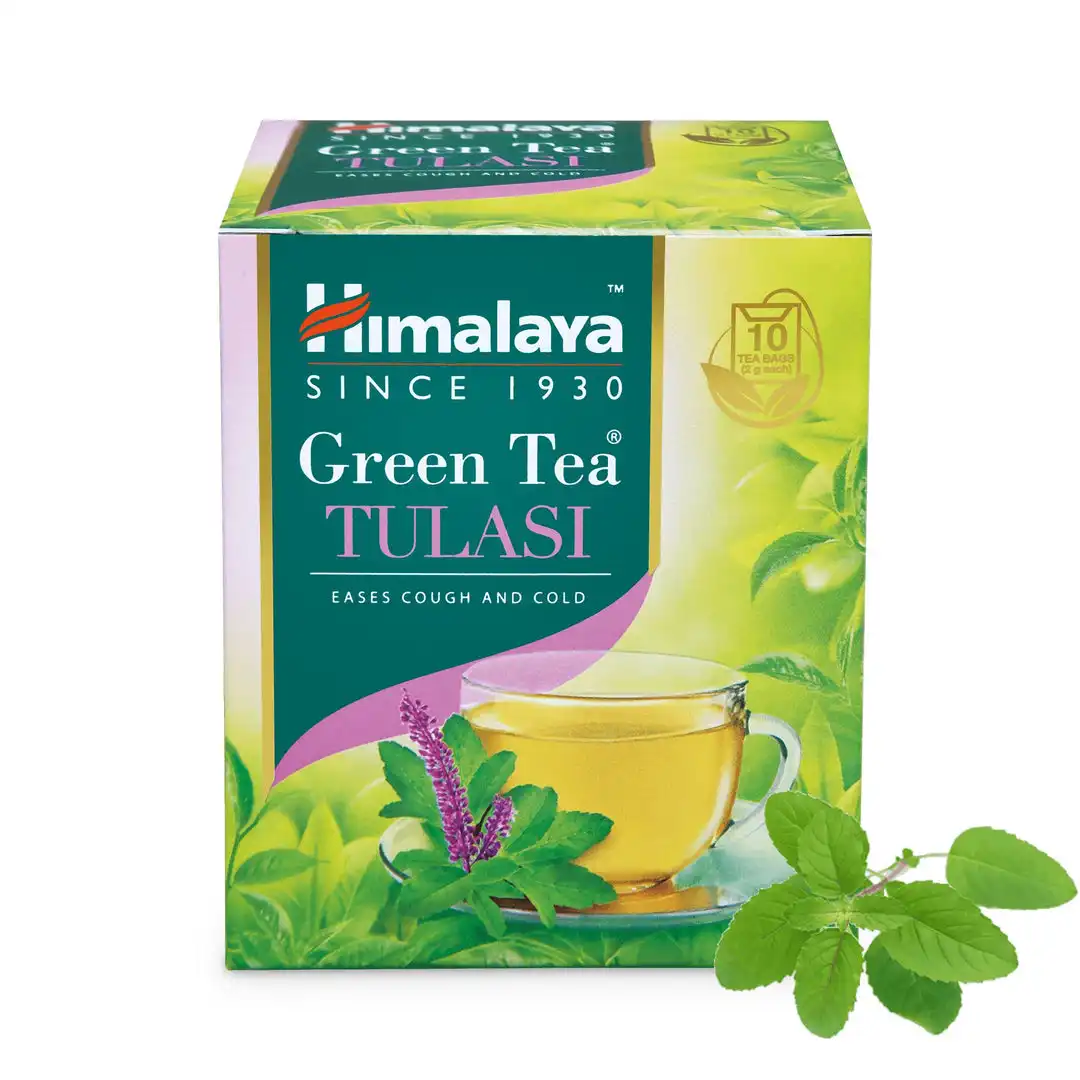
More blends sit in the tea collection.
6. Nutmeg (Myristica fragrans)
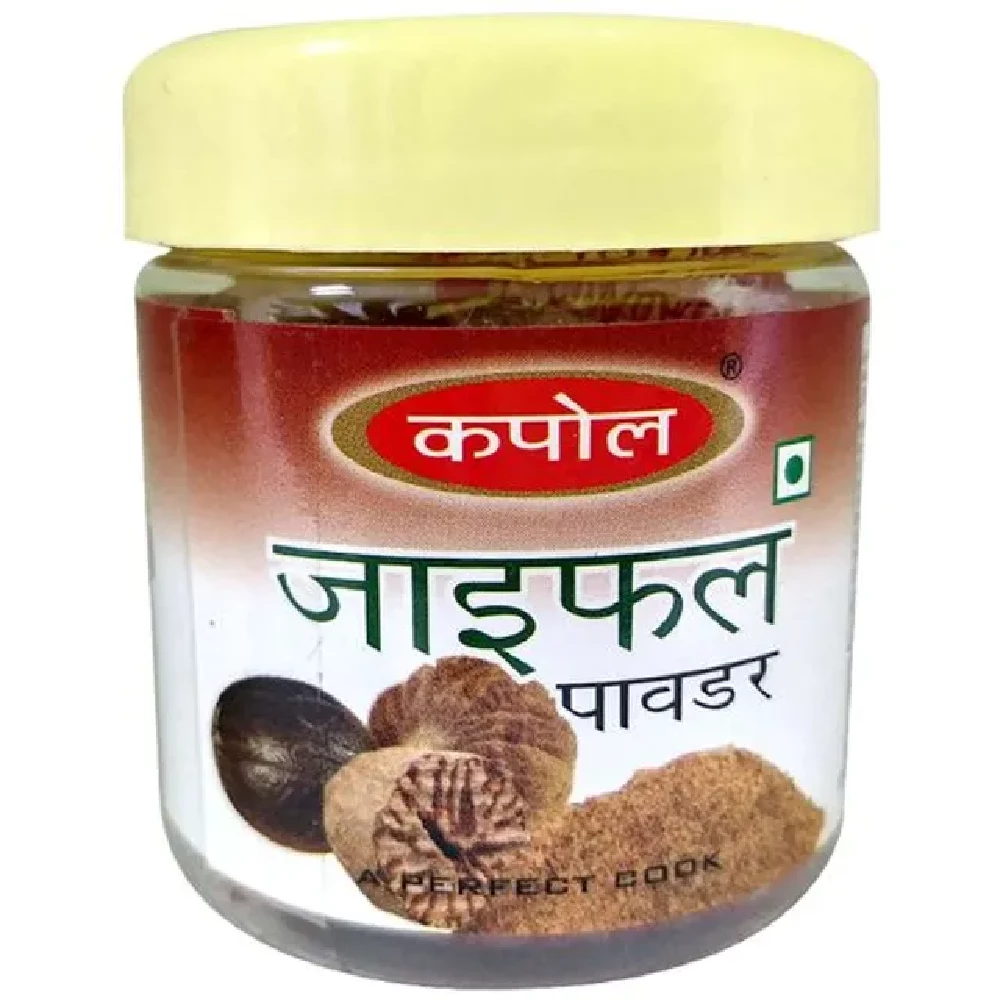
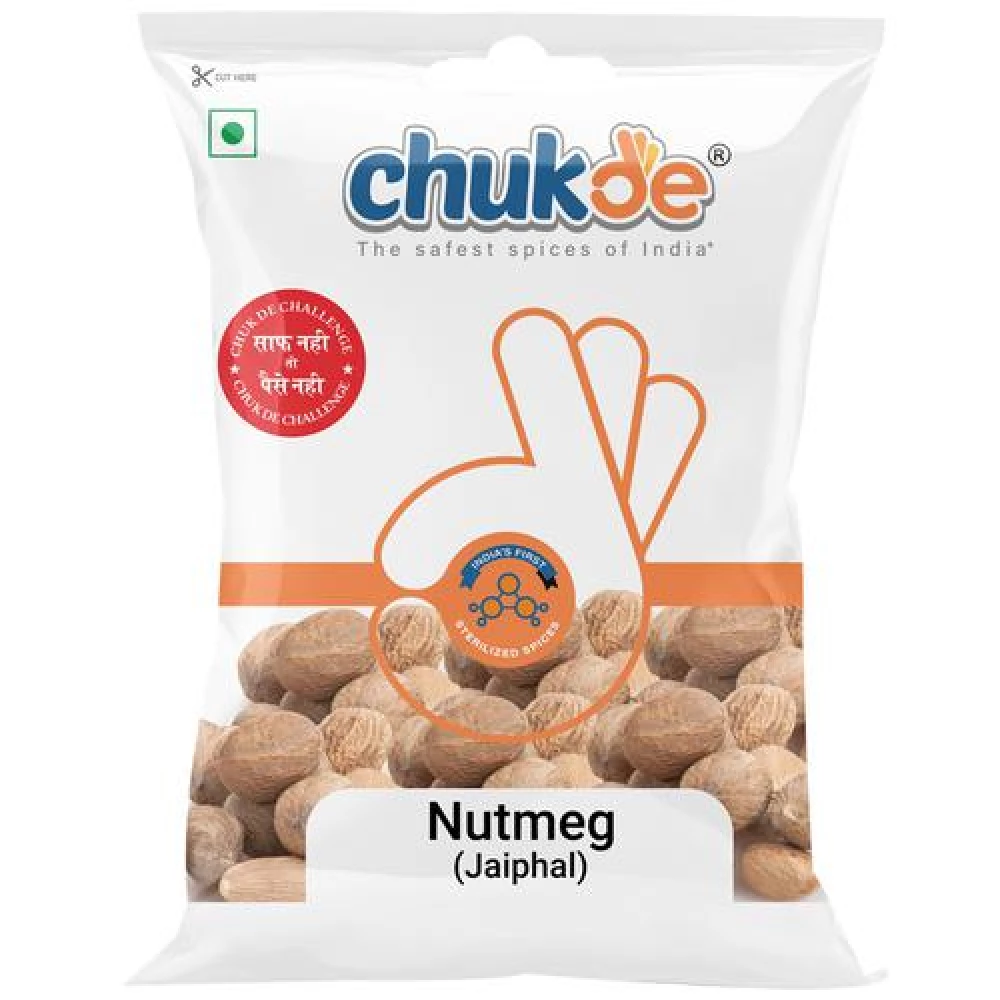
Nutmeg, or jaiphal, is the seed of a tropical tree. It is a kitchen spice. In many homes a small pinch goes into warm milk in the evening.
Keep it to a pinch. Poison Control in the USA says on its page about kitchen surprises and cautions that nutmeg is fine in cooking amounts, and that people who swallow a lot of it can become very ill. The same page says to keep nutmeg and mace out of the reach of children. If you are pregnant, ask your doctor first.
No sleep research is cited here for nutmeg.
Nutmeg
7. Saffron (Crocus sativus)
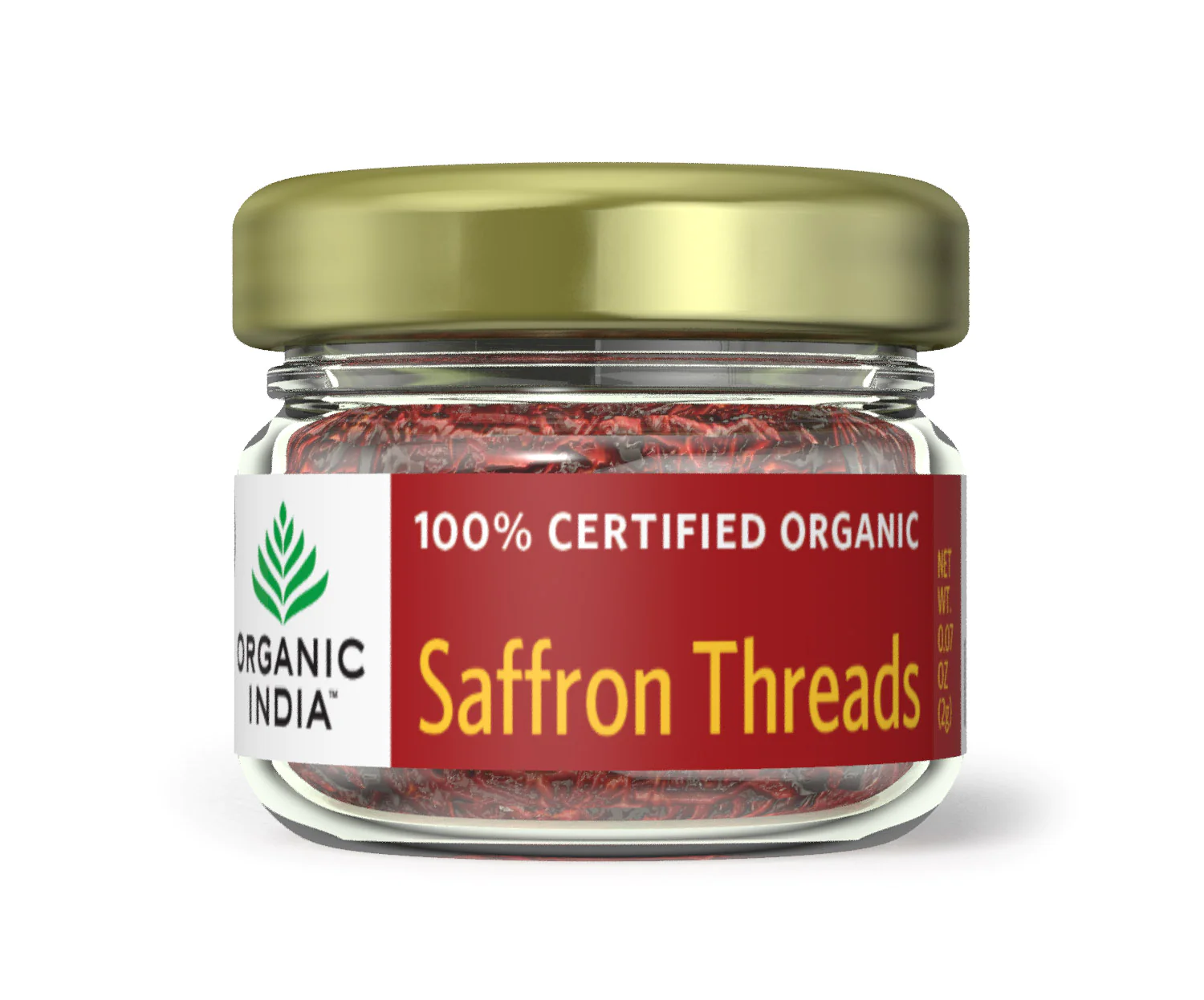
Saffron, or kesar, is made of the dried stigmas of a crocus flower, sold as threads. A few threads go into warm milk or water. Saffron is sold as threads only, so the label should list one ingredient.
A 2022 review of saffron says the evidence needs more clinical work. It notes that many trials were small and that some had no placebo group. No sleep finding is reported here for saffron.
Saffron
, 2 g-1.webp)
8. Multi-herb blends
Many Ayurvedic products mix several of the herbs above into one tablet or syrup. This is where names get confusing, so read the full ingredient list.
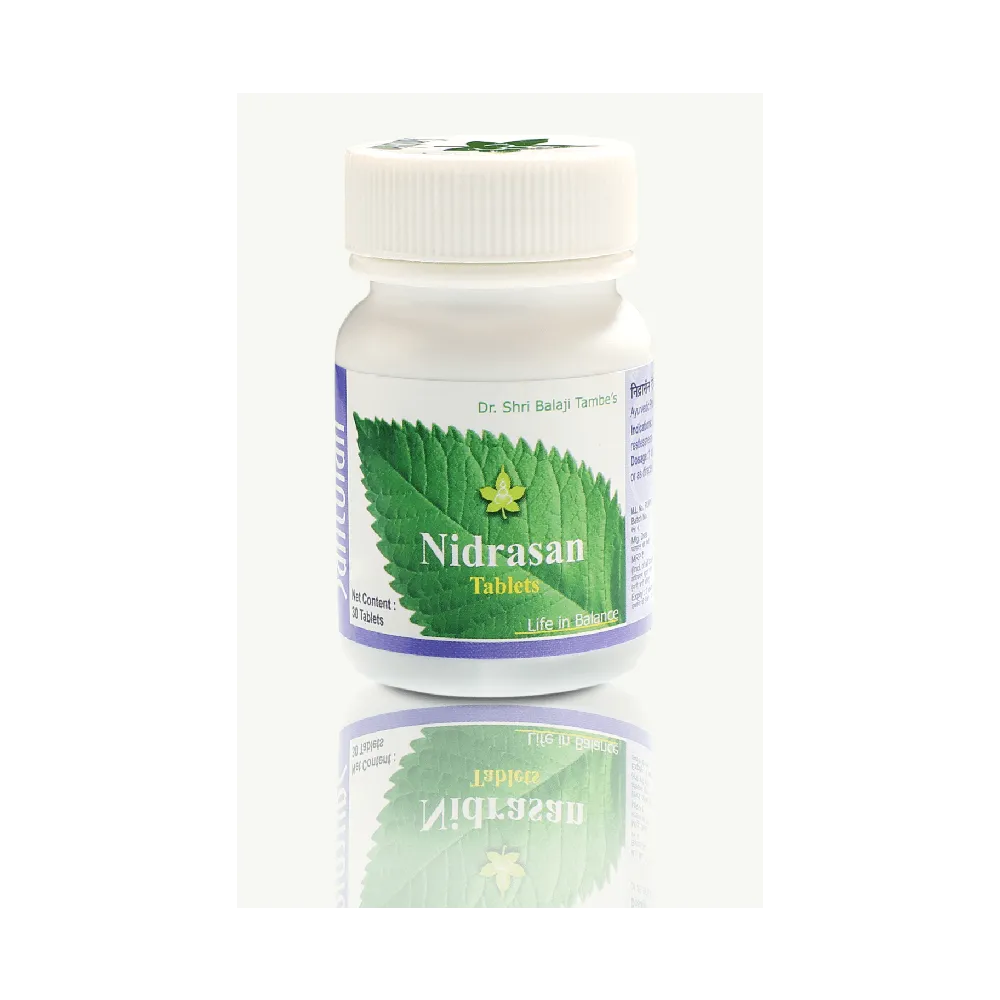
The Santulan Ayurveda Nidrasan listing names valerian and tagara among its ingredients.
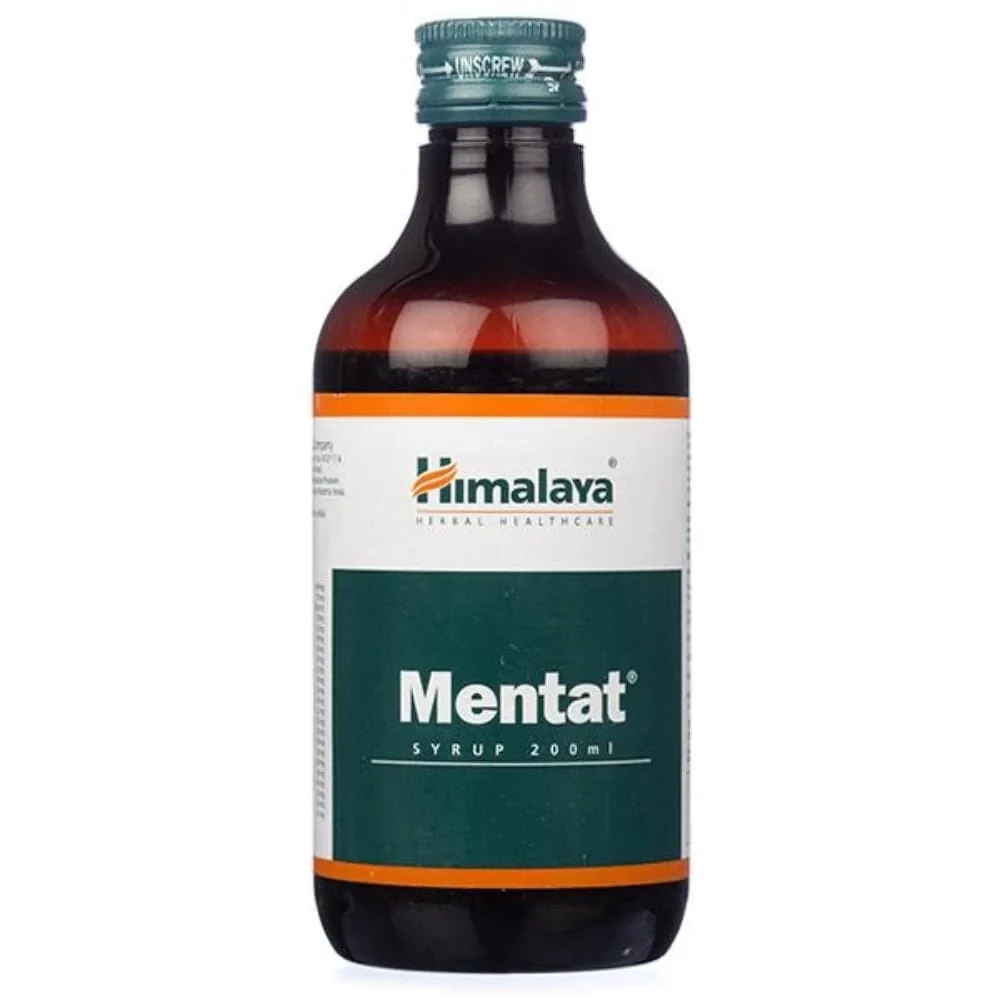
Himalaya Mentat Syrup is also a multi-herb product. Read its full ingredient list on the pack.
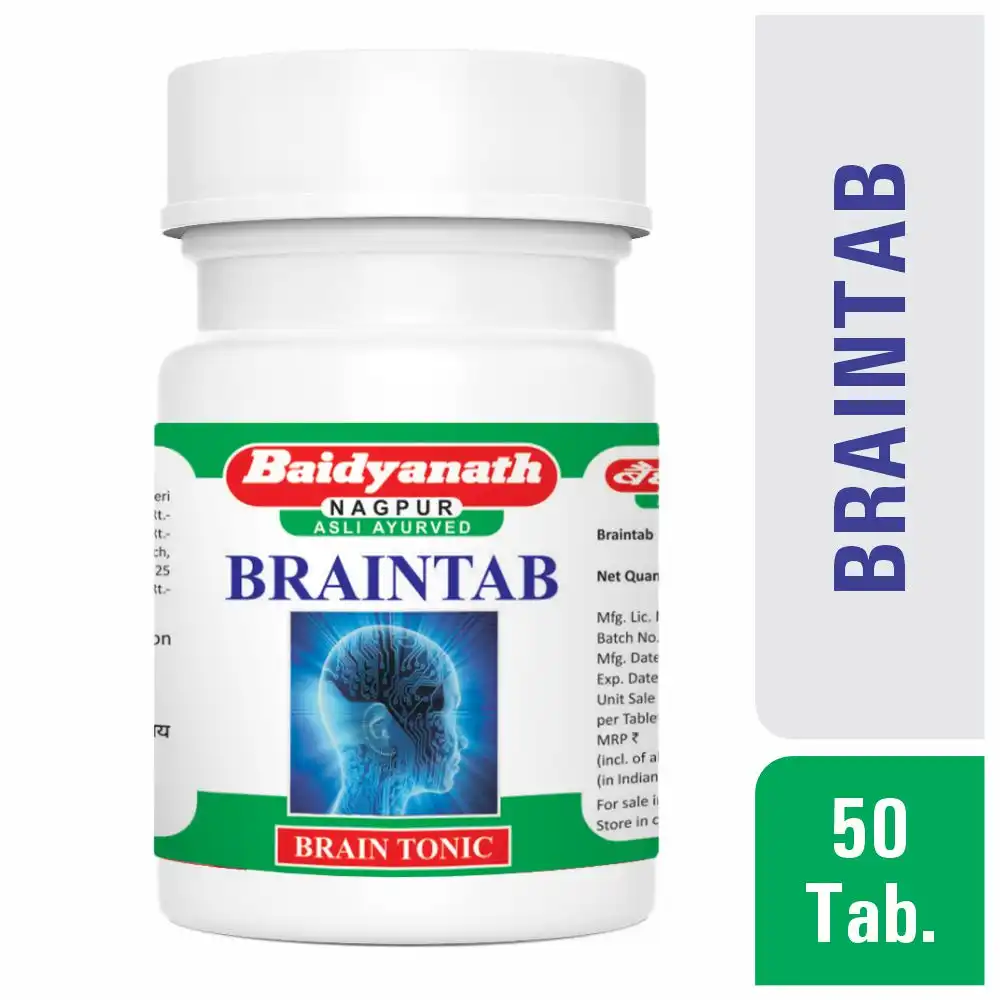
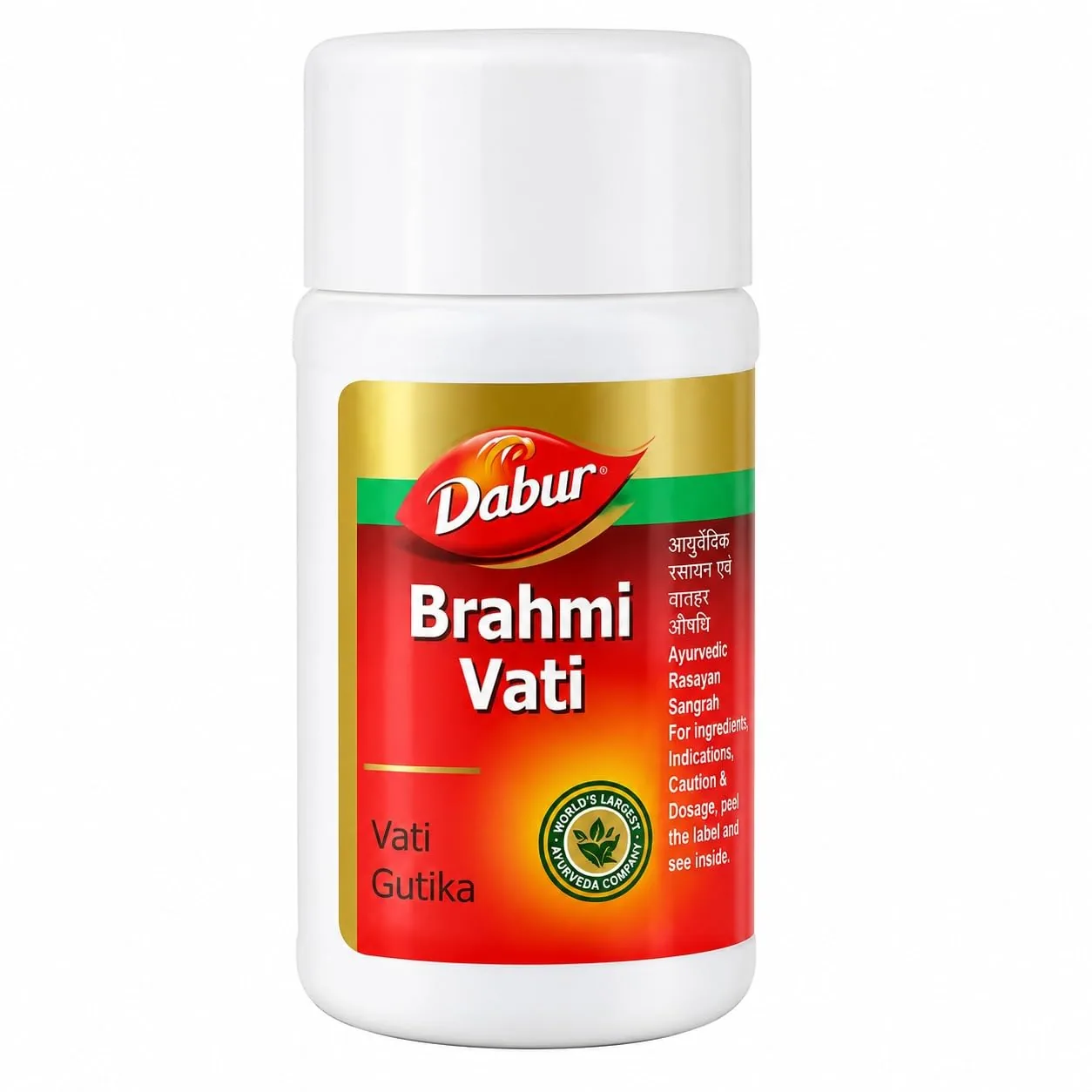
The Dabur Brahmi Vati listing names shilajit and abhraka bhasma. The Baidyanath Brain Tab listing names swarn makshik bhasma. Bhasma is a mineral ash preparation. If a term on a label is new to you, ask a pharmacist or an Ayurvedic practitioner before you buy.
Tagara is worth a note. The Vaidyaratnam label for one of its oils lists tagara as Valeriana wallichii, a relative of valerian. As the jatamansi section says, other sellers use the same name for jatamansi.
Valerian root is a separate Western herb. The US National Center for Complementary and Integrative Health says research on valerian and sleep is mixed, and that it should not be taken with alcohol or with sedatives.
Blends also make it harder to know what caused a reaction. Stacking herbs is not automatically safe, so take the full list of what you use to a pharmacist.
Multi-herb blends
Before you start any herb
Speak to a doctor or pharmacist first if you are pregnant, breastfeeding, taking medicine, or living with a medical condition.
Tell them about sedatives and sleep medicines in particular, and about thyroid, diabetes and blood pressure medicines.
Stop and ask for advice if you notice yellow skin or eyes, dark urine, or a new rash.
In the USA, the FDA does not approve dietary supplements before they are sold. Makers are responsible for the safety and labelling of their own products, and the FDA acts once a product is on the market. Rules in the UK, Canada, Australia and the Middle East differ, so check where you live.
Ingredient details on this page come from each maker's own listing, so read the pack when it arrives. TheDesiFood ships these herbs, with doorstep delivery worldwide, including the USA, UK, Middle East, Australia and Canada, and the full Ayurveda collection holds more of them.
This guide is for general information only and is not medical advice.