
10 Benefits of Aloe Vera Juice: What People Drink It For
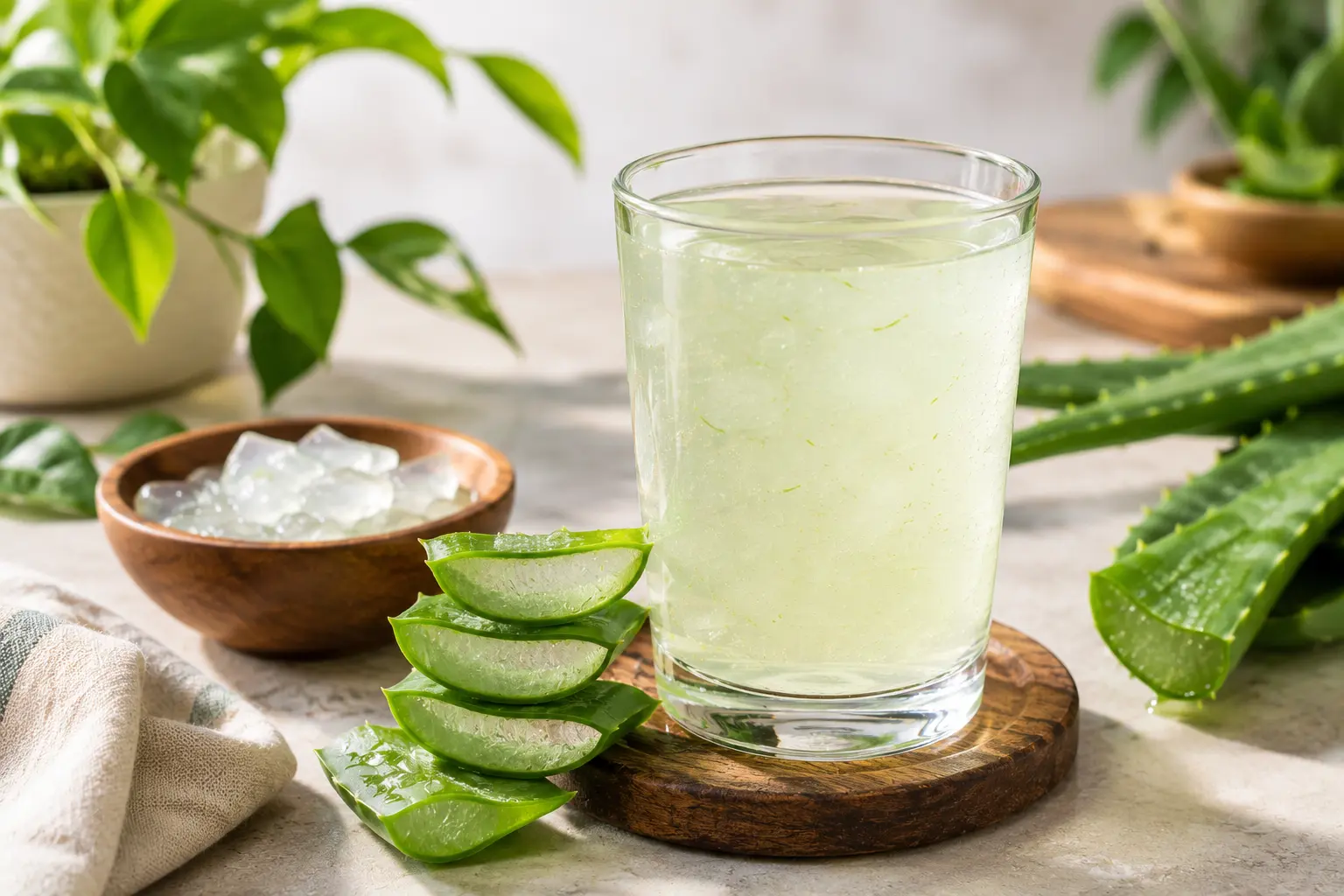
10 Benefits of Aloe Vera Juice: What People Drink It For
Aloe vera juice has moved from the wellness shelf to the fridge in a lot of homes. People drink a small measure in the morning, usually mixed into water, usually before breakfast.
If you are wondering what it is actually meant to do, the honest answer has two parts. There is a long list of things people drink it for, and there is a much shorter list of things the research has looked at closely. This guide covers both. For a neutral summary of where the evidence currently stands, the US National Center for Complementary and Integrative Health keeps a page on aloe vera.
What Is Actually in the Bottle
An aloe leaf has three parts. The clear inner gel. A bitter yellow layer just under the skin called aloe latex. And the green outer rind.
Aloe vera gel juice is made from the inner gel only. This is the mildest and the most common type sold as a drink.
Whole leaf juice is made by pressing the entire leaf, rind included. That means it also picks up the latex layer, which contains a compound called aloin. Aloin is a strong laxative.
Reputable whole leaf juice goes through a filtering step called decolorization, usually through activated charcoal, which removes the aloin. Juice that has not been through that step is a different product. If a label says inner leaf, inner fillet, gel or decolorized, the aloin has been kept out or filtered out.
So when a label says "aloe vera juice", it could mean any of these. Reading which one you have is the starting point.
1. Everyday Digestive Comfort
This is the most common reason people drink it. Aloe vera has a long history of traditional use for the stomach, in Ayurveda and elsewhere, and digestive comfort is what most people are hoping for when they start.
Research here exists but is early. Small studies have looked at aloe vera and irritable bowel symptoms, and results have been mixed rather than conclusive. There is no settled answer yet.
2. Heartburn and Acidity
Another common use, and one that has been studied a little more directly. A small number of trials have looked at aloe vera syrup and reflux symptoms, with some promising results, though the studies were small and the findings have not been confirmed at scale.
If you get frequent heartburn, that is worth a conversation with a doctor rather than a bottle, because persistent reflux can have causes that need looking at.
3. Constipation
This one needs care, because it is a real effect rather than a gentle one.
Aloe latex contains aloin, which works as a stimulant laxative. It draws water into the intestine. That is a genuine physiological action, not a wellness claim.
It is also why the US Food and Drug Administration declared aloe not generally recognized as safe and effective in over-the-counter laxative products, in a rule that took effect in November 2002.
If you are drinking a properly decolorized juice, the aloin has been filtered out and you should not expect a laxative effect. If you are getting one, that tells you something about what you are drinking.
4. Hydration
Straightforward and uncontroversial. Aloe vera juice is mostly water. Drinking a glass of water with a measure of aloe juice in it means you have drunk a glass of water.
For people who find plain water boring and reach for something sweeter instead, that is a real practical benefit, and it does not depend on any research at all.
5. A Lower Sugar Alternative to Soft Drinks
Related to the point above. Unsweetened aloe vera juice is very low in calories.
Read the label though. Many aloe drinks sold in supermarkets, particularly the flavoured bottled ones with pulp pieces, contain a lot of added sugar. Those are soft drinks with aloe in them. The Ayurvedic style juices sold in one litre bottles are usually unsweetened, which is a different product entirely.
6. Vitamins and Minerals
Aloe vera juice contains small amounts of various vitamins and minerals, including vitamin C, calcium and magnesium depending on the product.
Worth being realistic about the scale. The amounts in a thirty millilitre serving are modest, and aloe juice is not a meaningful substitute for eating vegetables. Blended juices, such as aloe with amla, generally carry more vitamin C because of the amla rather than the aloe.
7. Antioxidant Content
Aloe vera contains polyphenols and other plant compounds with antioxidant activity in laboratory testing.
The gap between antioxidant activity in a test tube and any effect in a person who drinks it is large, and it has not been closed for aloe vera juice. It is on this list because it is a real property of the plant, not because the outcome is established.
8. Skin
Most of the research on aloe vera and skin is about putting it on the skin, not drinking it. That is a genuinely different question, and the topical evidence does not transfer.
People do drink it hoping for skin benefits, and many product labels lean on that. There is not much research on drinking aloe juice for skin specifically.
9. Oral Health
Aloe vera has been studied as a mouthwash ingredient, with some findings on plaque and gum inflammation. That research is about rinsing with it rather than drinking it.
Some people swill the juice before swallowing for this reason. It is a reasonable enough idea, but it is not what the studies tested.
10. Blood Sugar
Some studies have looked at aloe vera and blood sugar in people with diabetes and prediabetes, and there have been findings suggesting an effect.
This is the one on the list where you should not experiment on your own. If you have diabetes or are on any medication that affects blood sugar, adding aloe vera juice is a conversation for your doctor, not something to try and see. The interaction risk is real and the point of your medication is that it is already doing this job.
How Much People Drink
Most Ayurvedic style aloe juices sold in one litre bottles suggest thirty millilitres, which is about two tablespoons, mixed into a glass of water. Usually once or twice a day, often before food.
Taste is worth mentioning. Pure aloe juice is bitter and slightly metallic. Blends with amla or triphala are more sour than bitter. Most people mix it into water rather than drinking it neat.
Who Should Skip It
Speak to a doctor first, or leave it alone, if you are:
Pregnant or nursing. California's guidance specifically notes that compounds of concern in non-decolorized extract can pass from mother to baby.
Managing diabetes or taking medication that affects blood sugar.
Taking diuretics, heart medication, or anything where potassium levels matter, since laxative effects can affect these.
Living with a bowel condition such as Crohn's disease, ulcerative colitis, or an obstruction.
Due to have surgery in the next two weeks.
Buying it for a child.
If you get cramping, loose stools or stomach pain after starting, stop and check what you are drinking.
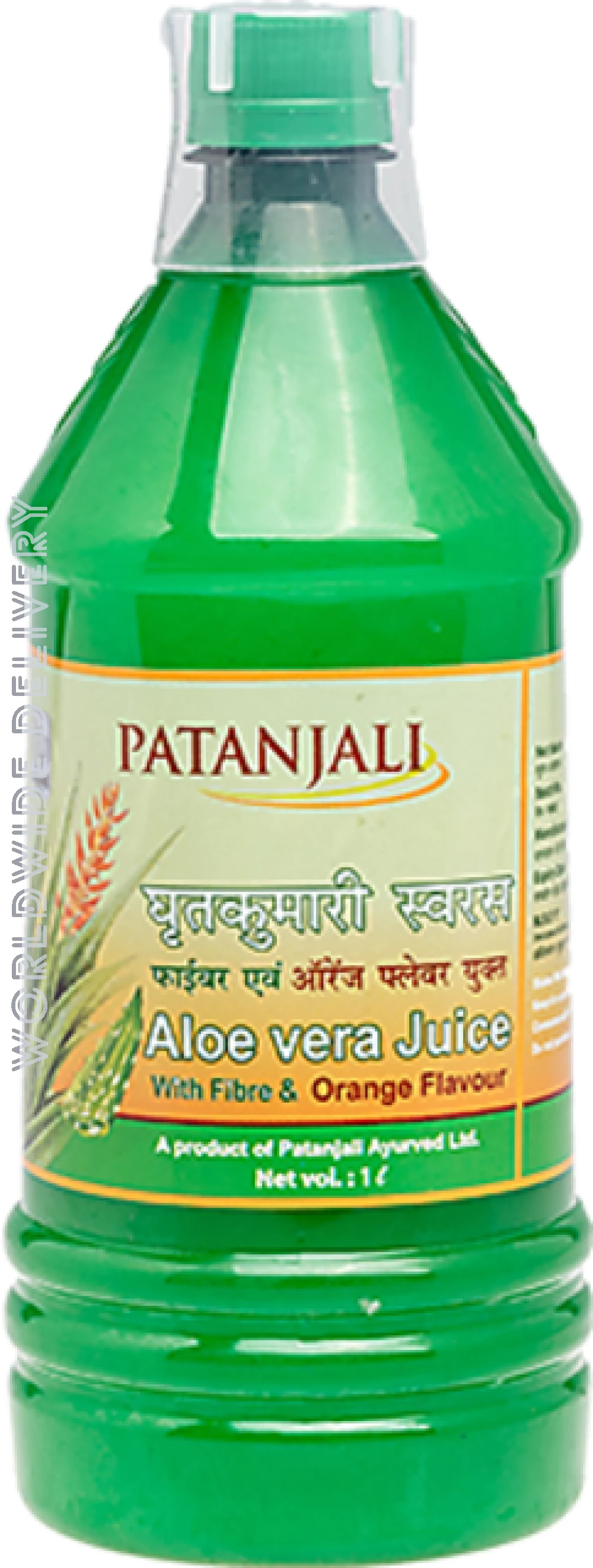
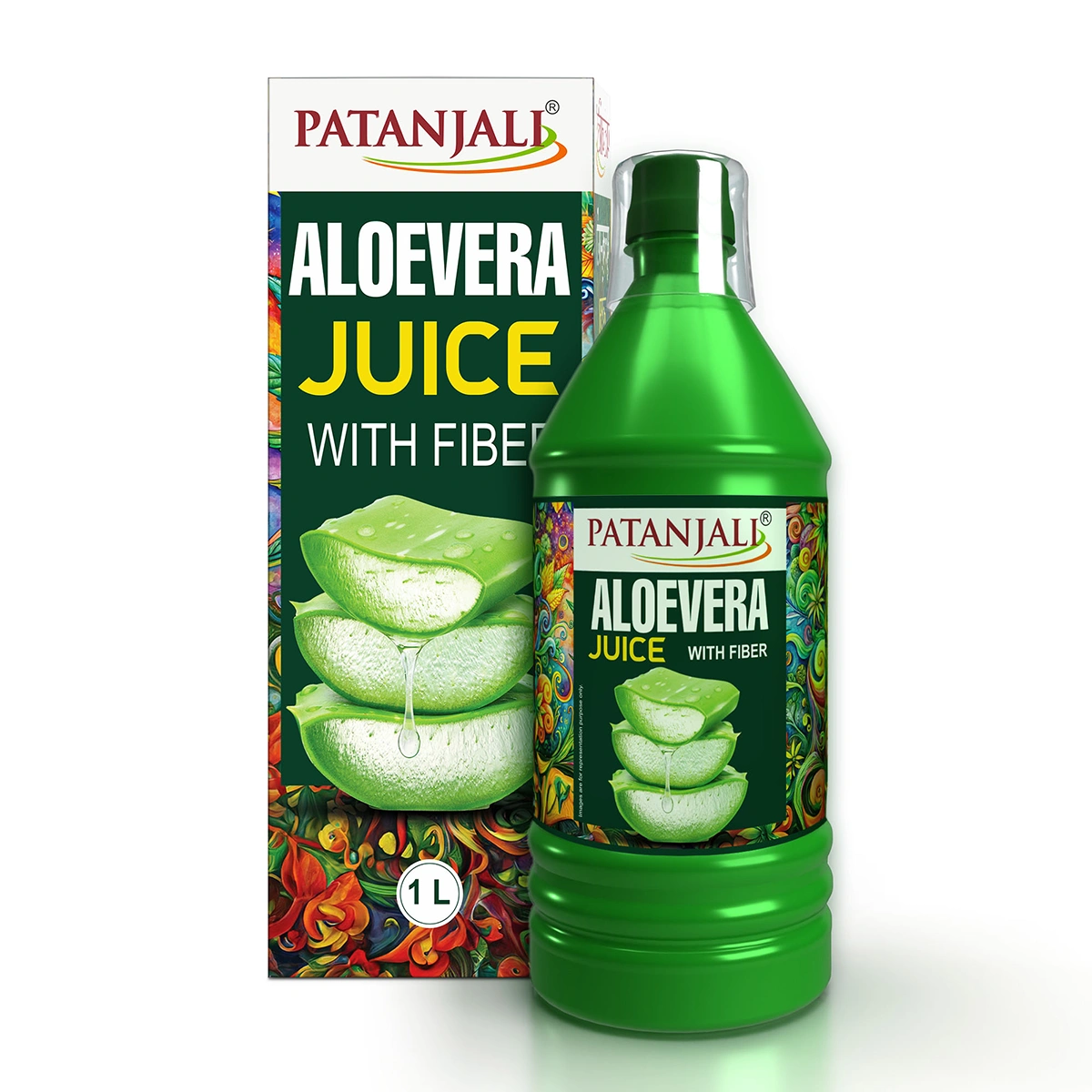
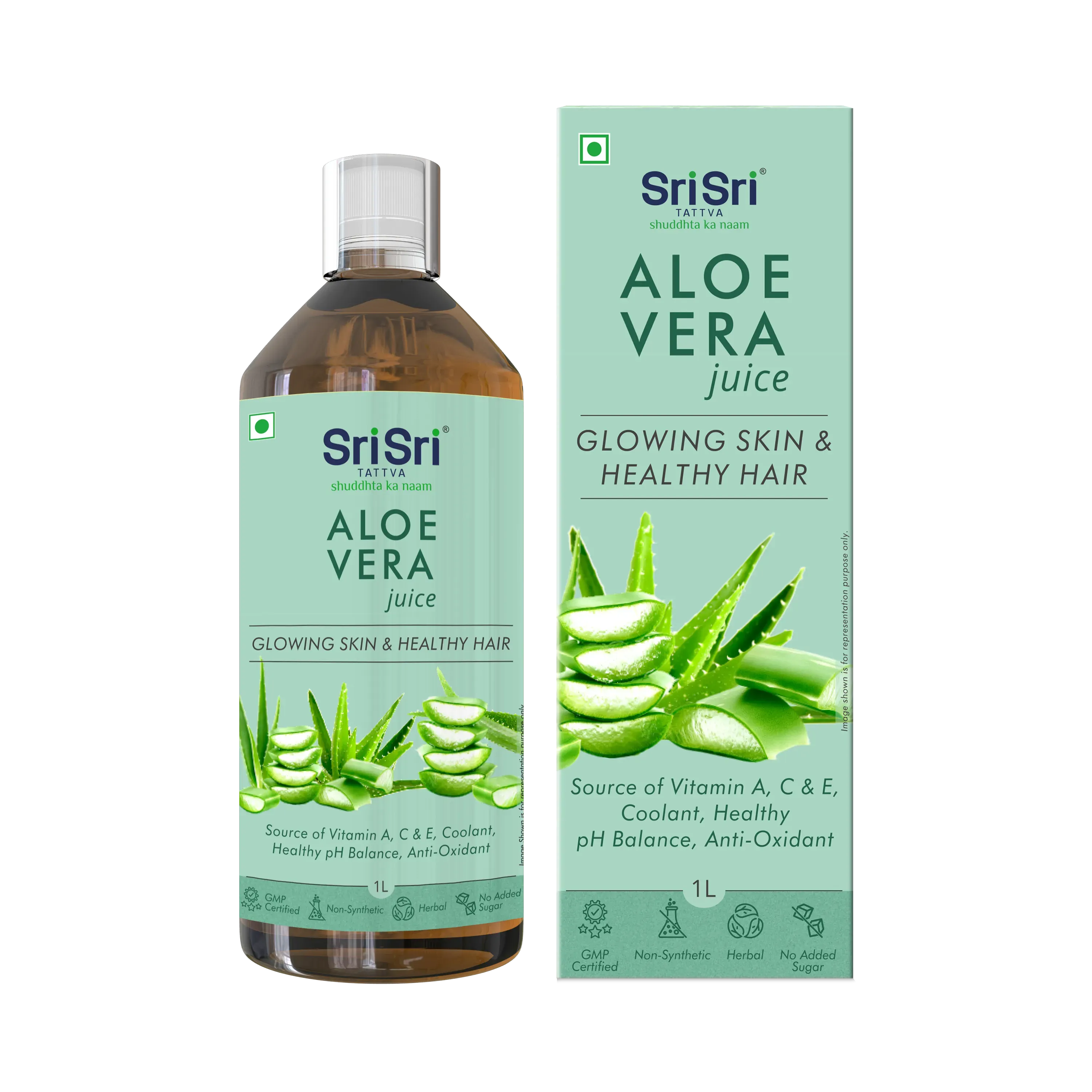
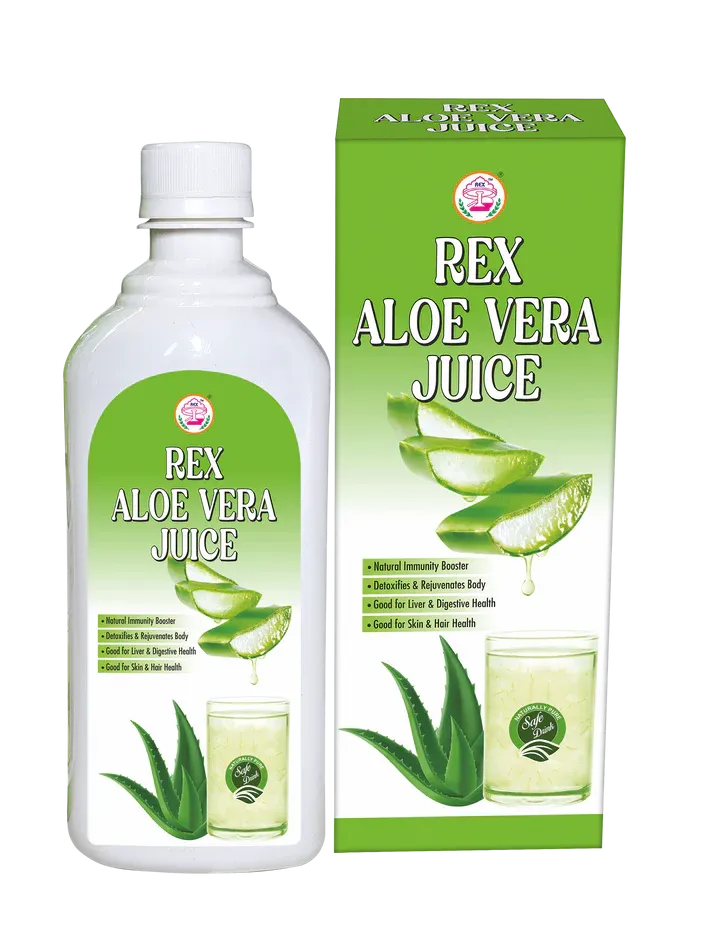

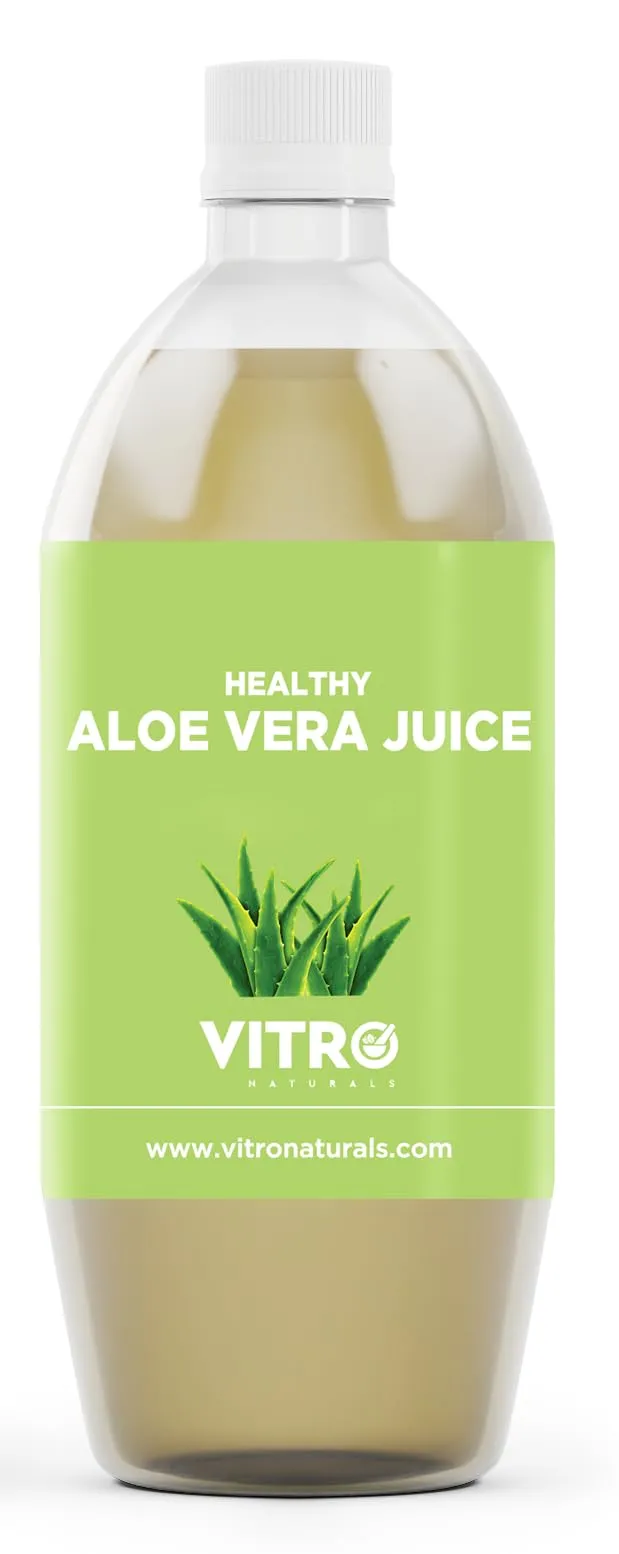
 Rejuvenates Skin and Hair, 1 L-1.webp)
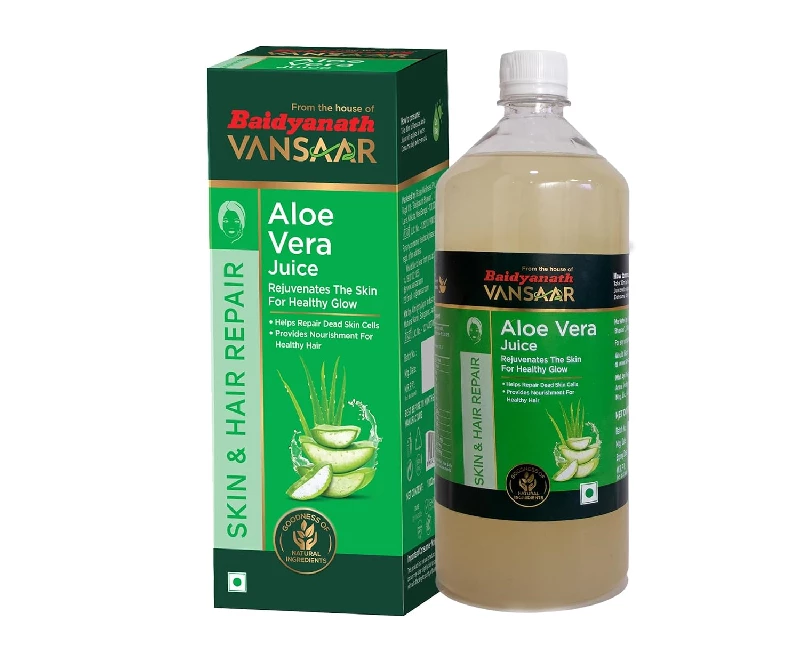
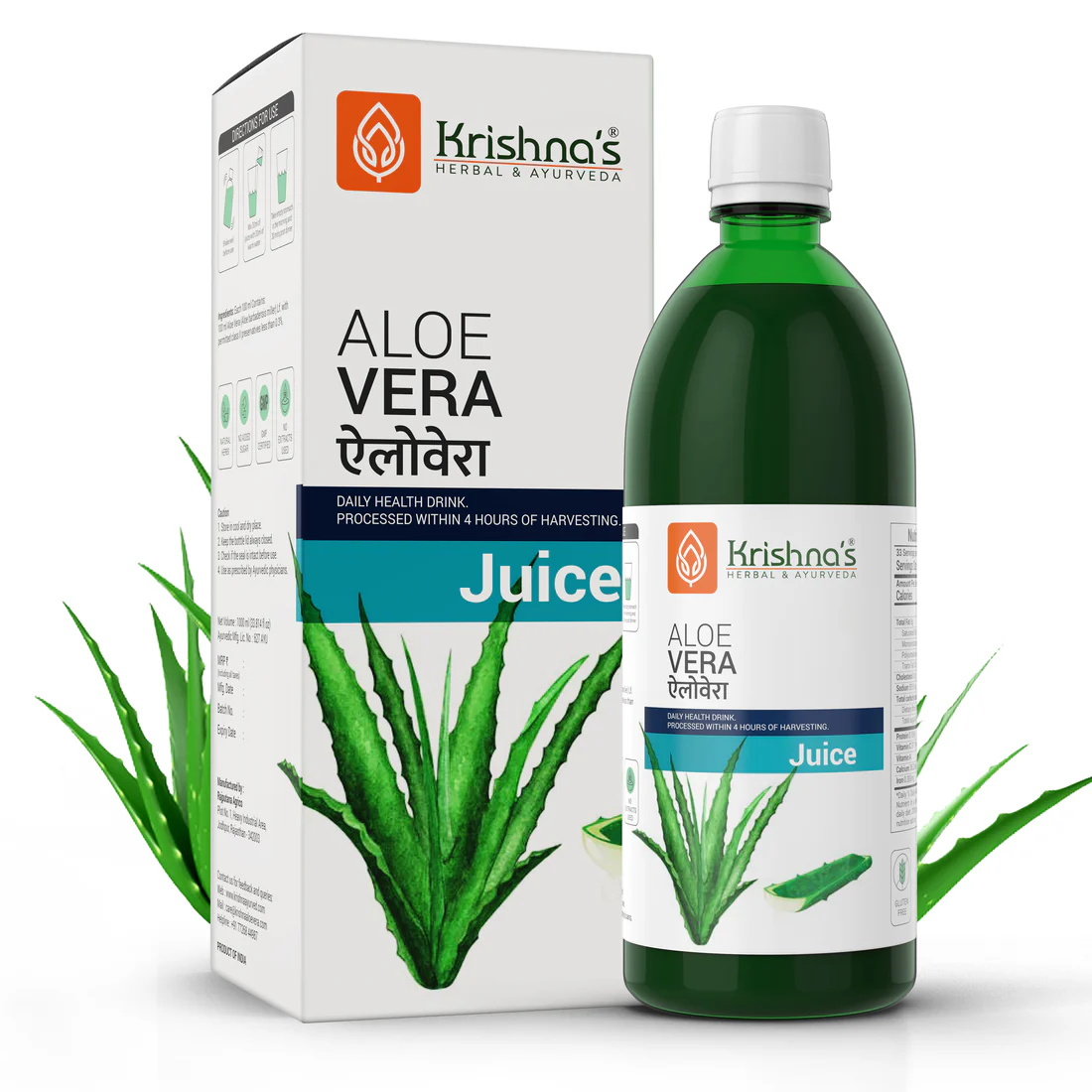
-1000-ml-1.webp)
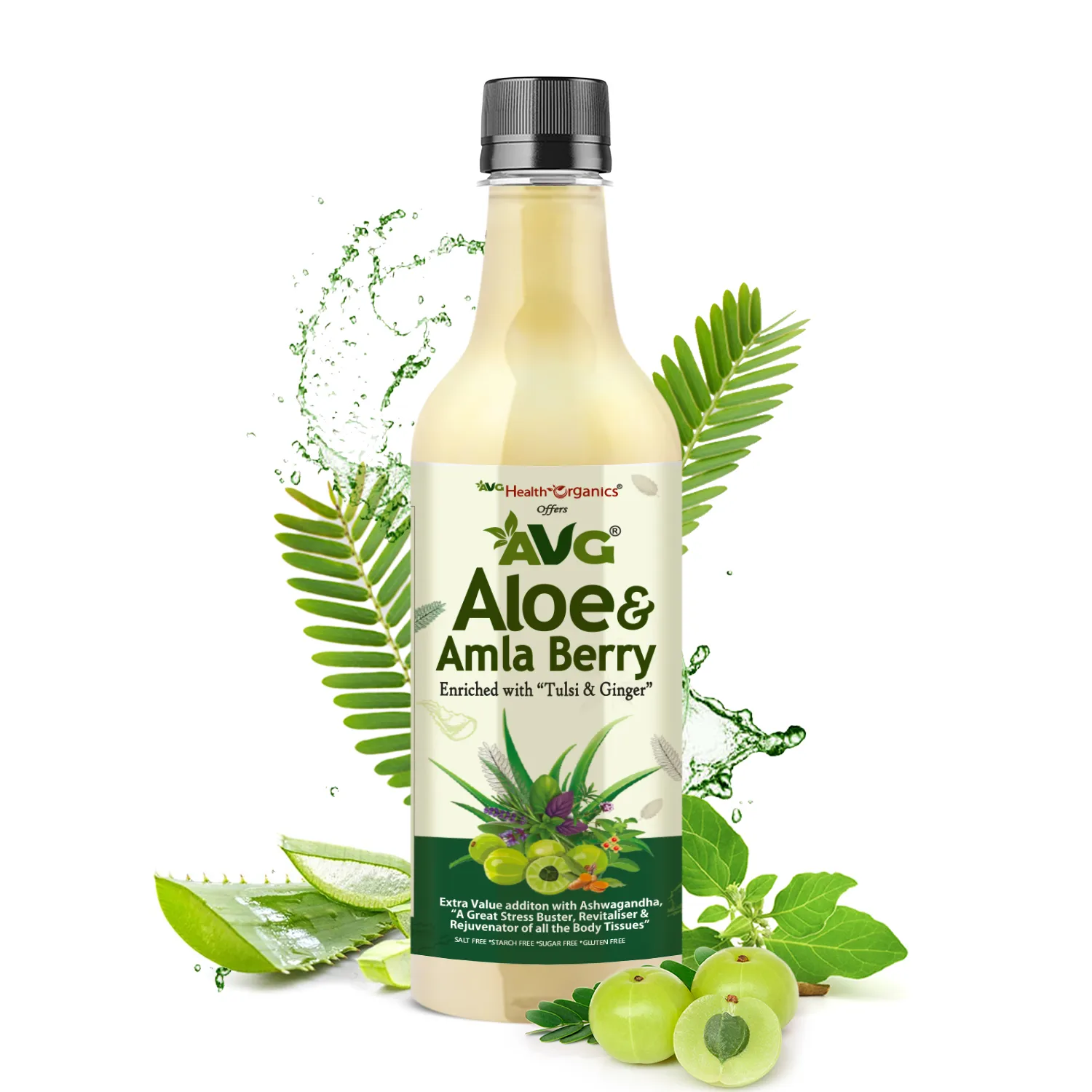
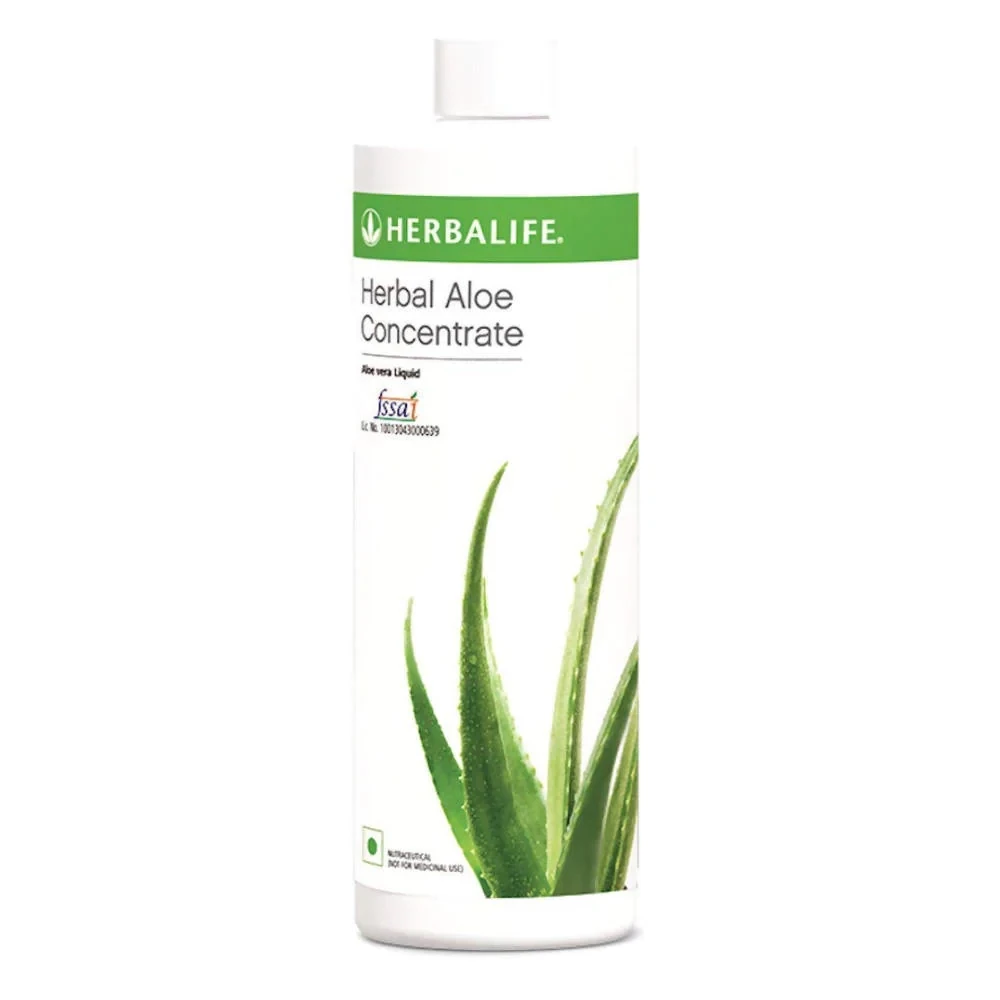
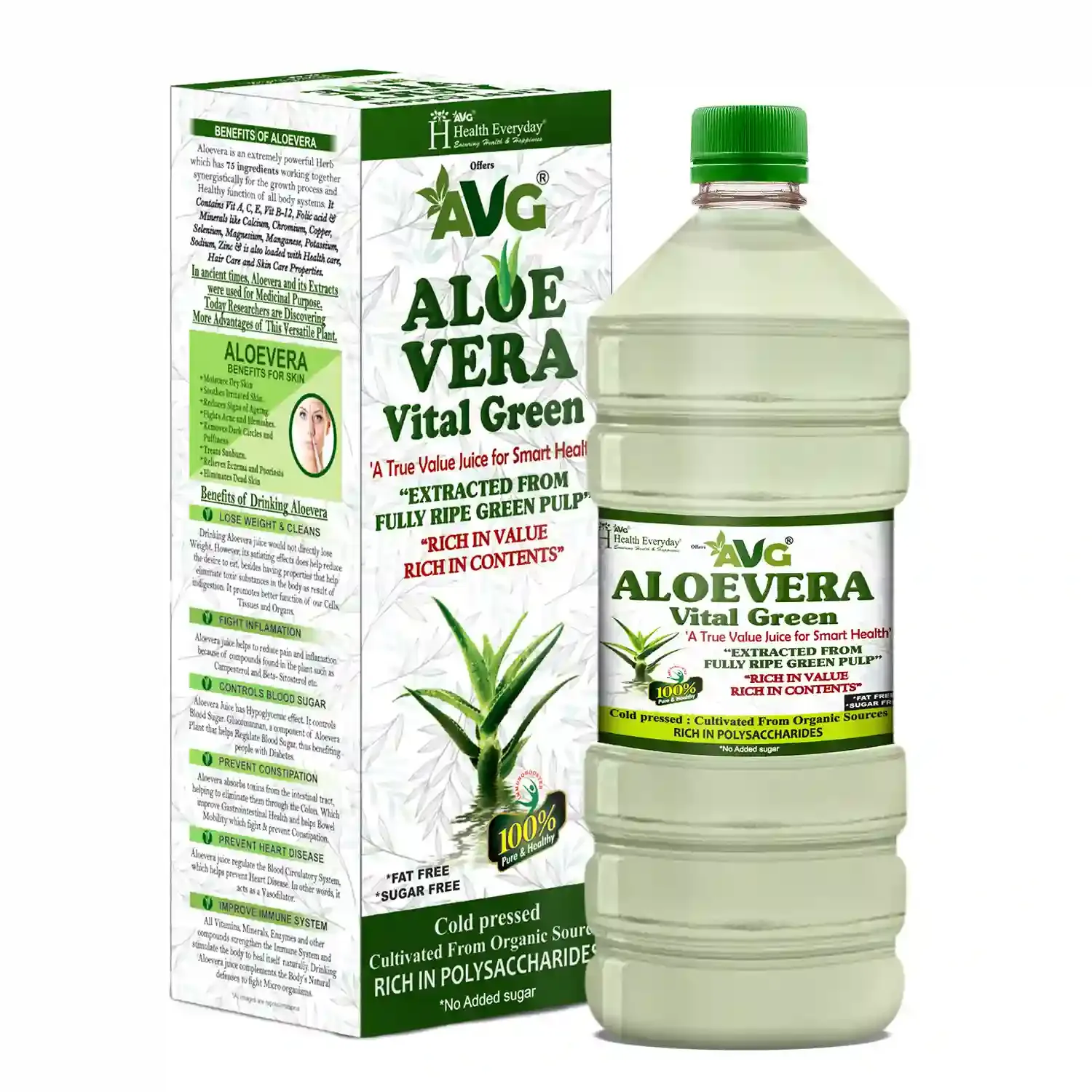
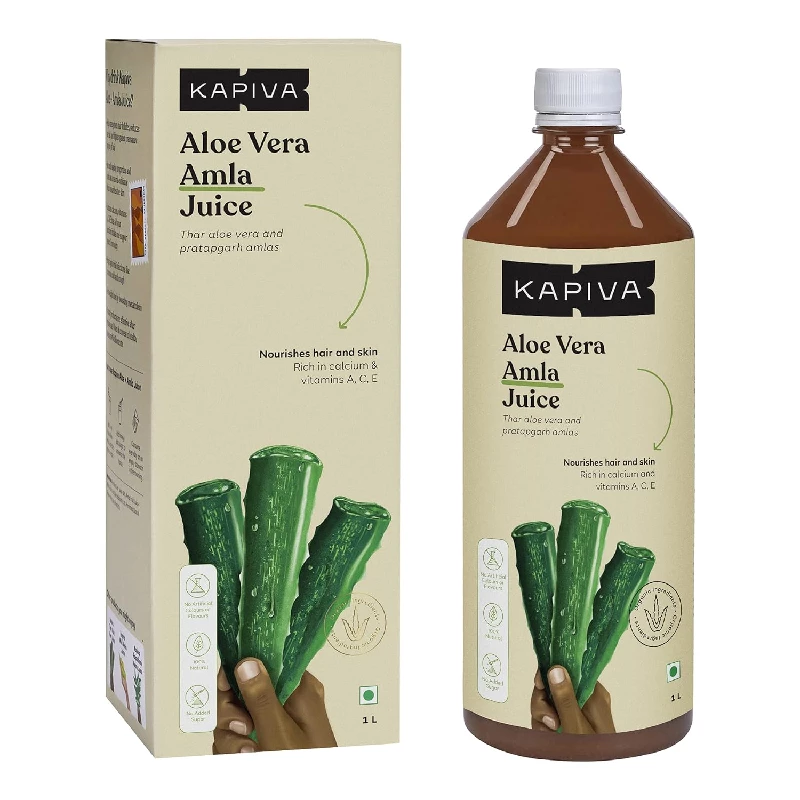
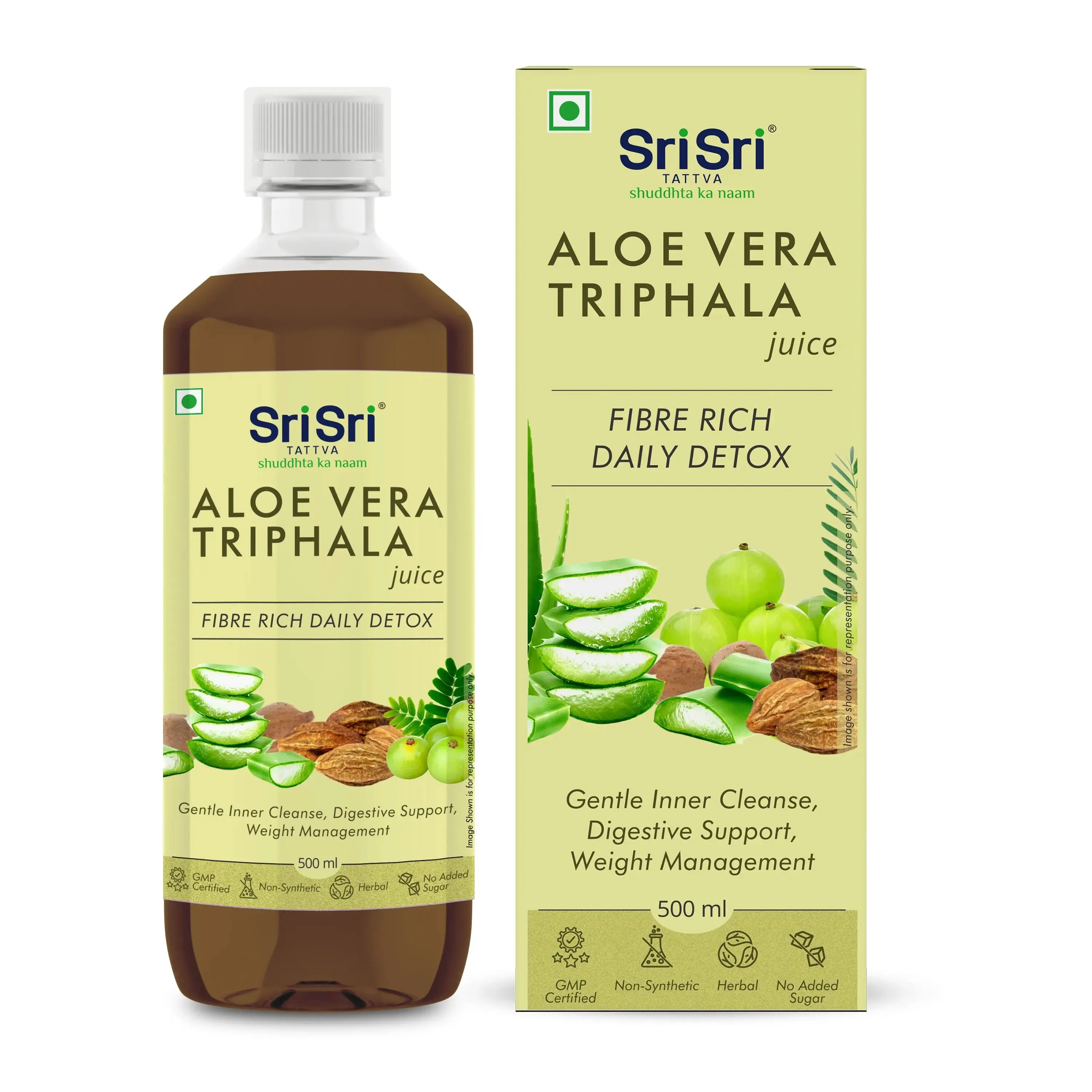
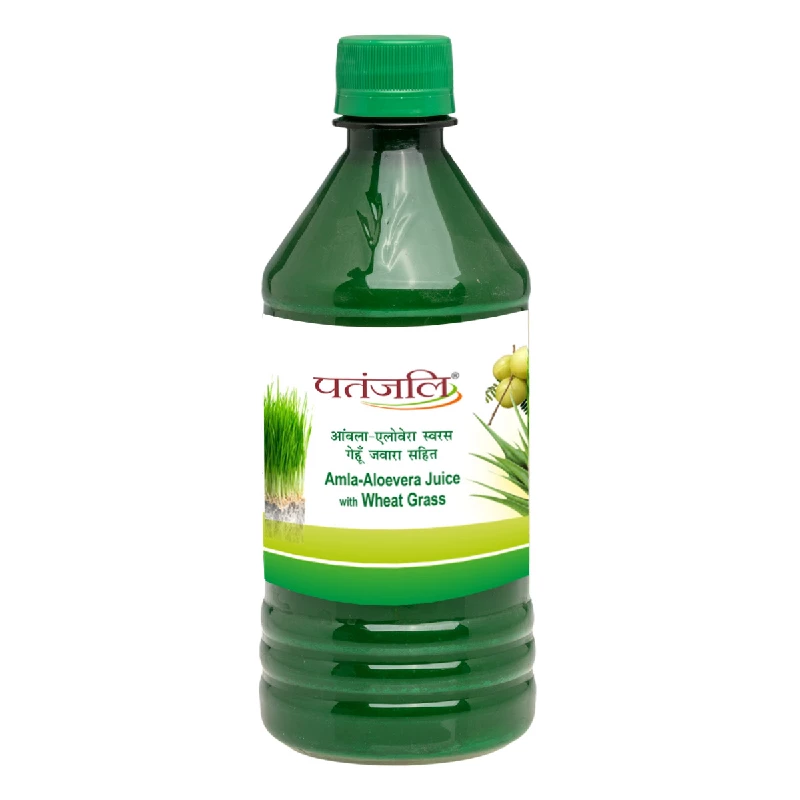
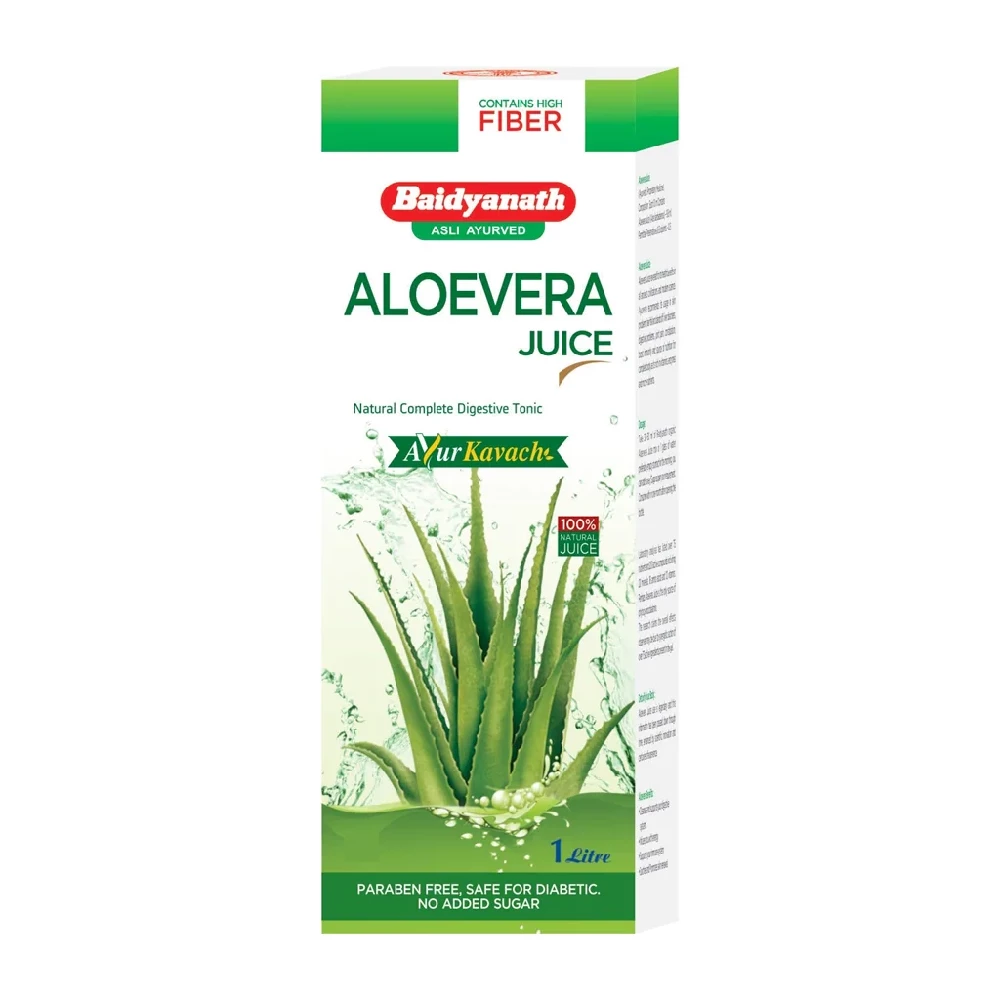
Browse aloe vera juices from Kapiva, Baidyanath, Patanjali, Sri Sri Tattva and Vitro Naturals in our Ayurveda collection, which stocks a wider range of Ayurvedic products alongside aloe vera juice. Doorstep delivery worldwide.
All product details, ingredient lists and serving directions are as provided by each manufacturer. We ship products as they come from the manufacturer.
Disclaimer: This article is for general information only. These statements have not been evaluated by the U.S. Food and Drug Administration or by any other food safety authority. Aloe vera juice is not intended to diagnose, treat, cure, or prevent any disease. Speak to your doctor before drinking aloe vera juice, especially if you are pregnant, nursing, managing a health condition such as diabetes, or taking any medication.