
What Is Tea Tree Oil? Uses, Benefits and Safety Explained
What Is Tea Tree Oil? Uses, Benefits and Safety Explained
Tea tree oil turns up on the label of a lot of Indian skincare and haircare, usually next to neem, salicylic acid or ginger. This page explains what it actually is, what it is used in, and what to watch out for.
What Tea Tree Oil Is Made From
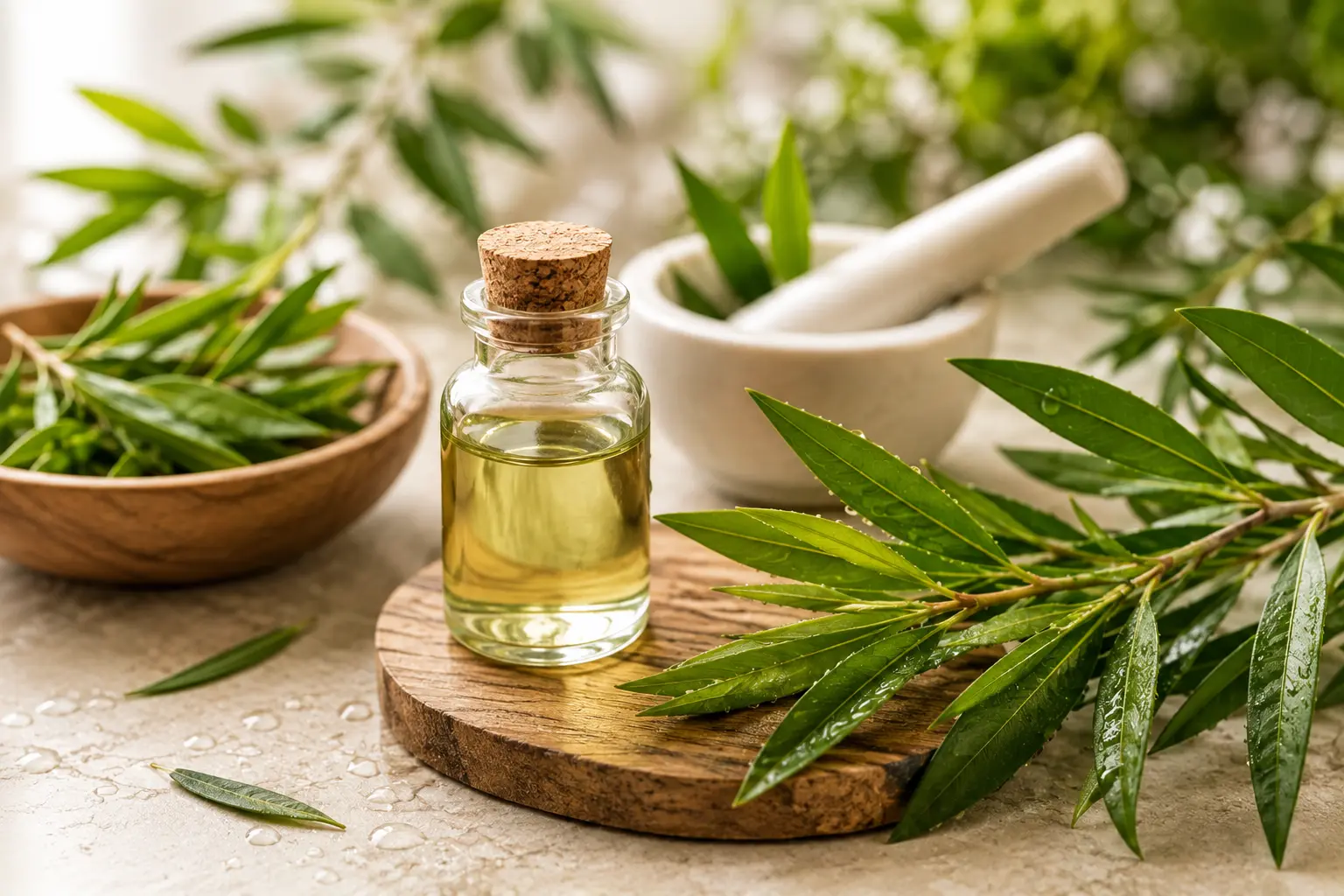
Tea tree oil is an essential oil. It is also called melaleuca oil.
It is pressed and steam distilled from the leaves of a tree called Melaleuca alternifolia. The oil ranges from pale yellow to almost colourless.
It is not a carrier oil, which is the point people most often miss. Almond oil, coconut oil and olive oil are carrier oils. You can pour those straight onto your scalp. Tea tree oil is far more concentrated, and it is meant to be used in small amounts inside a product, or diluted in a carrier oil, rather than applied neat.
That is why almost every tea tree product you buy is a shampoo, a face wash or a lotion rather than a bottle of the oil itself. The formula does the diluting for you.
Where Tea Tree Oil Comes From
The tree grows naturally in Australia, in southeast Queensland and along the northeast coast of New South Wales.
The name is misleading. Tea tree has nothing to do with the tea you drink, which comes from a different plant entirely. The name came from sailors who used the leaves to brew a drink.
Commercial production started in the 1920s. Today the oil is used worldwide, and Indian brands have built it into a wide range of everyday products.
What Tea Tree Oil Smells Like
Sharp, fresh and medicinal. The usual word for it is camphoraceous, which is the same family of smell as camphor or eucalyptus.
This matters more than you might think when buying. Tea tree is a divisive smell. Some people find it clean and refreshing. Others find it too clinical for something they use every day. If you have never used a tea tree product before, buy the smallest size first.
What the Research Actually Shows
Here is where we will be straight with you, because a lot of pages on this subject are not.
Tea tree oil has been studied, but the research is uneven. Some uses have reasonable support behind them and others have very little. It is not an approved drug in the United States, and it is sold there as a cosmetic ingredient rather than as a medicine. In some other countries it is registered as a complementary medicine.
So treat confident promises with caution, whoever is making them and whichever brand is attached. That includes the claims printed on the back of bottles. We sell tea tree products, and we would rather tell you what is in them than tell you what they will do for you.
If you have a skin or scalp problem that is not clearing up, a doctor or pharmacist is the right person to ask. That is not a line we add to be careful. It is genuinely outside what a shop can help with.
Tea Tree Oil for Face and Skin
This is where tea tree turns up most often, usually in products aimed at oily and acne prone skin, and usually paired with something else that does related work.
The common pairings are worth recognising:
Tea tree and salicylic acid. Salicylic acid is an exfoliant that works inside the pore. This pairing is in the Mamaearth Tea Tree Foaming Face Wash, the Tea Tree Face Serum and the Tea Tree Face Mask.
Tea tree and neem. A traditional Indian pairing. The Mamaearth Tea Tree Face Scrub uses it, with walnut beads for the scrubbing.
Tea tree and cinnamon. Less common. The Lotus Herbals Tea Tree and Cinnamon Face Wash puts it with oak bark extract and aims at oil control.
A practical note. Face wash, scrub, serum and mask are four different formats, and using all four is usually too much for skin that is already irritated. Most people are better off picking one and giving it a few weeks.
Tea Tree Oil for Hair and Scalp
Tea tree is one of the most common ingredients in Indian anti dandruff shampoos. It appears on its own, or with ginger, green tea or rosemary depending on the brand.
We have compared every Indian tea tree shampoo we stock in our tea tree shampoo guide, and the wider dandruff category, herbal and medicated, in our anti dandruff shampoo guide.
Drafter: link "tea tree shampoo guide" to the best tea tree shampoo post, and "anti dandruff shampoo guide" to the best anti dandruff shampoo post.
Beyond shampoo, there are two other formats:
The Mamaearth Tea Tree Anti Dandruff Hair Mask puts tea tree and lemon oil in a richer base with coconut and argan oil. It is a once a week product rather than a wash day one.
The Himalaya Anti-Dandruff Tea Tree Conditioner is the matching conditioner to their shampoo. Worth having, because tea tree shampoos can leave hair feeling rough, and a conditioner puts the softness back.
Tea Tree Oil for Body Care
Two formats here, and they do different jobs.
The Botanic Hearth Tea Tree Body Wash pairs tea tree with sea buckthorn and peppermint oil. Peppermint gives it a cooling feel, which some people like after the gym and others find too much first thing in the morning.
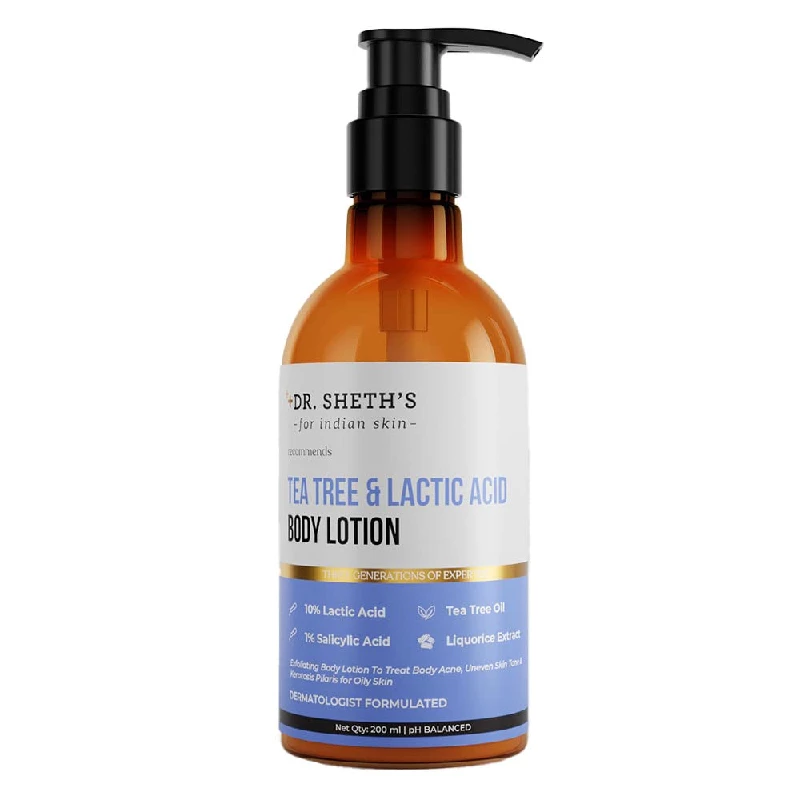
The Dr. Sheth's Tea Tree and Lactic Acid Body Lotion is a leave-on rather than a wash-off product. Lactic acid is a mild exfoliant, so this one is doing two things: putting moisture back and gently smoothing texture.
Tea Tree Products We Stock
Everything mentioned above, in one place.
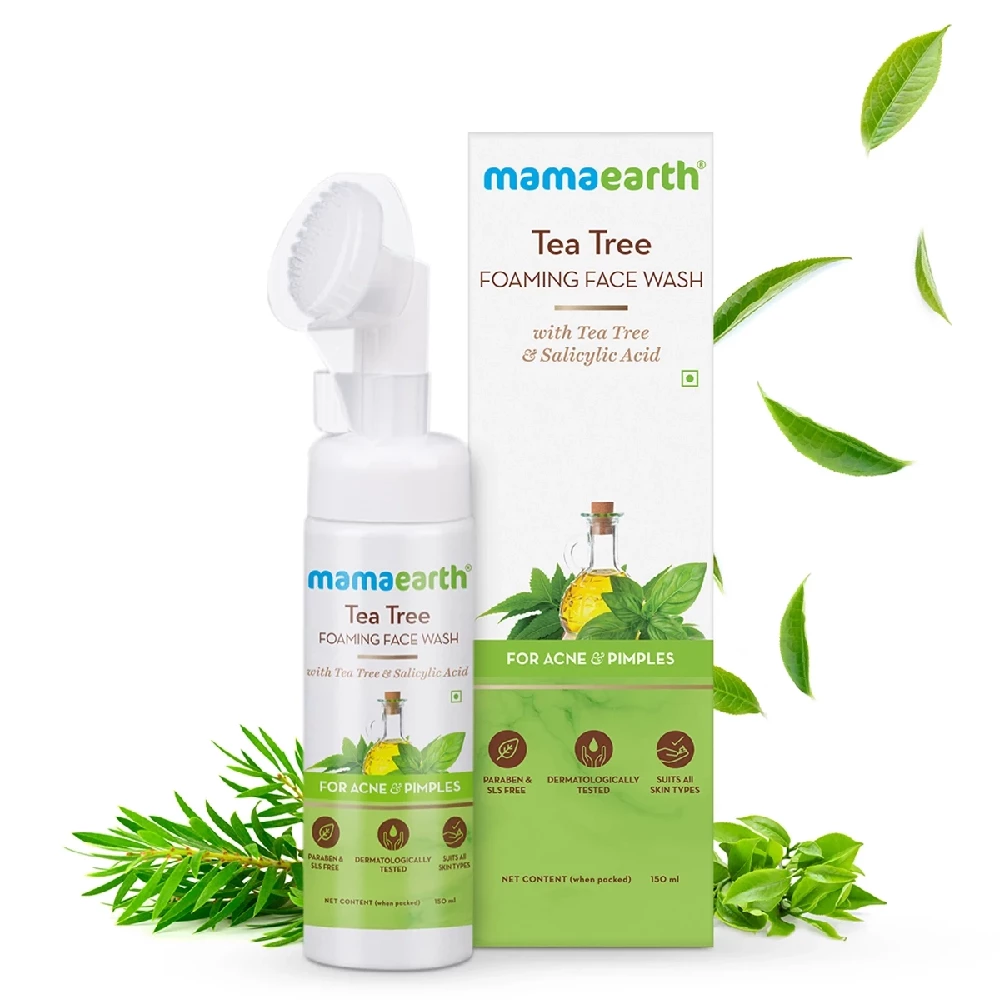
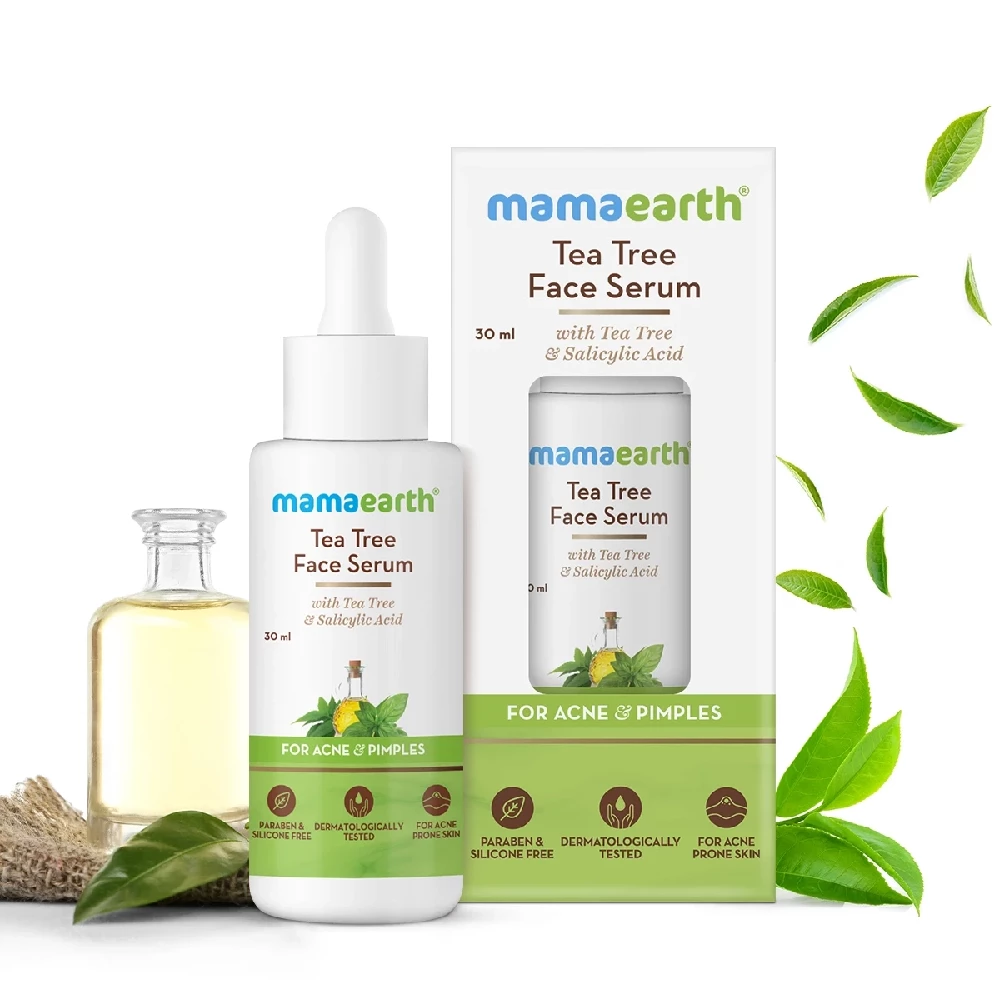
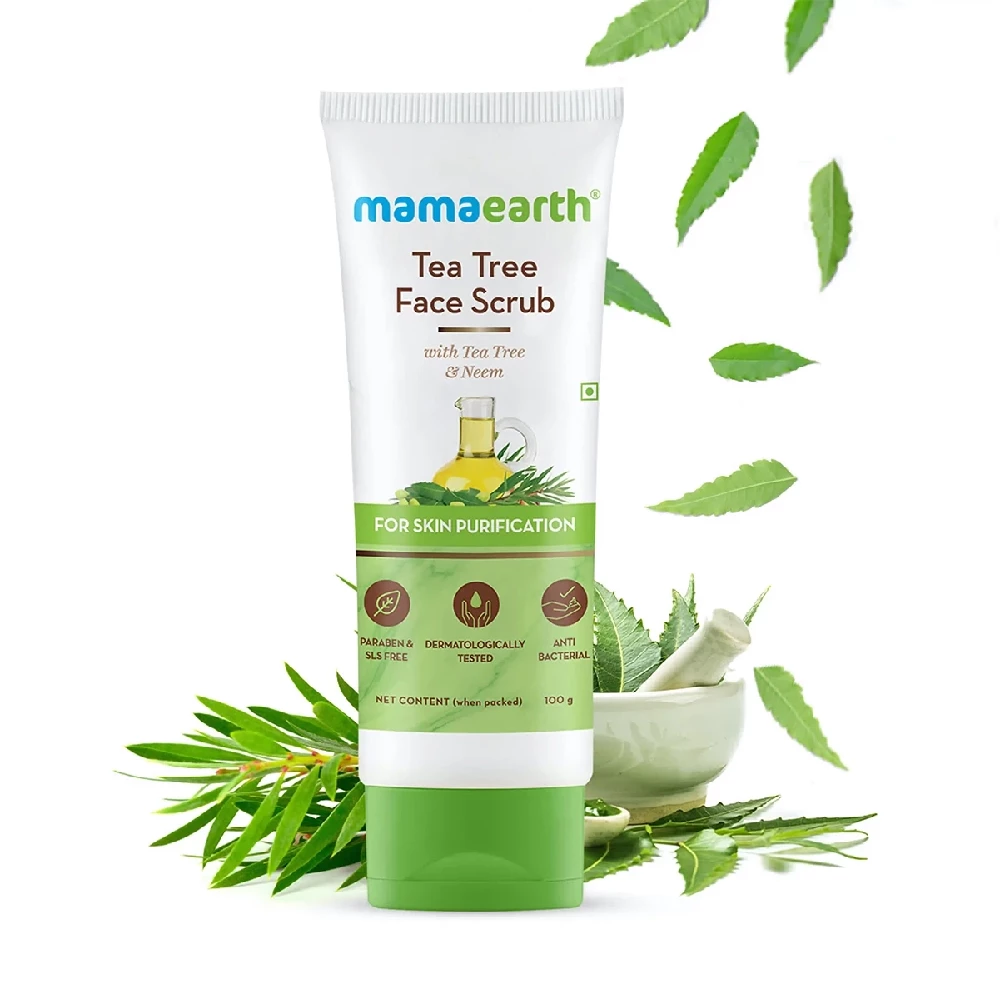
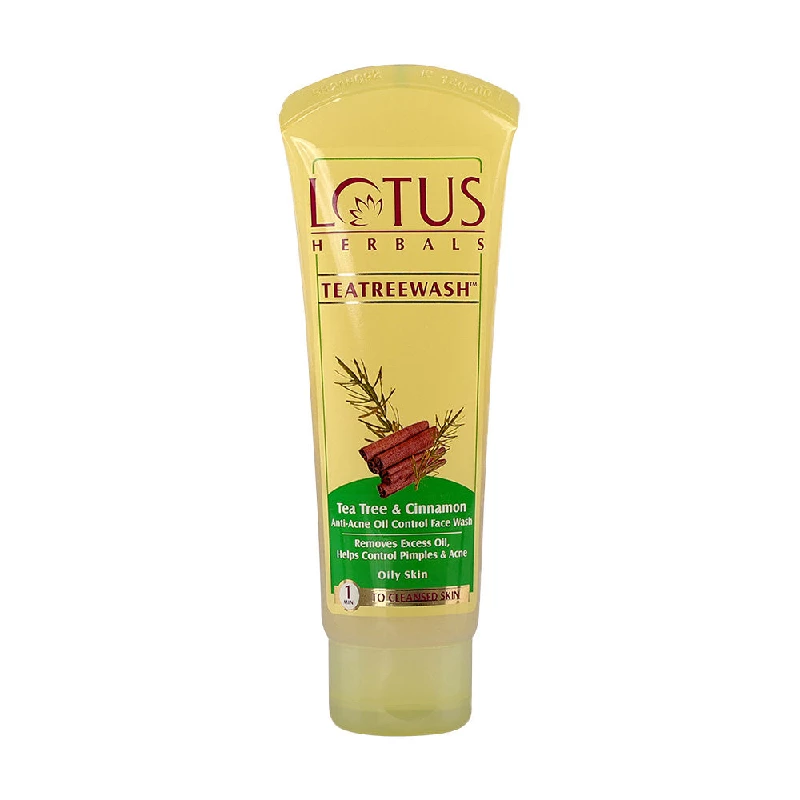
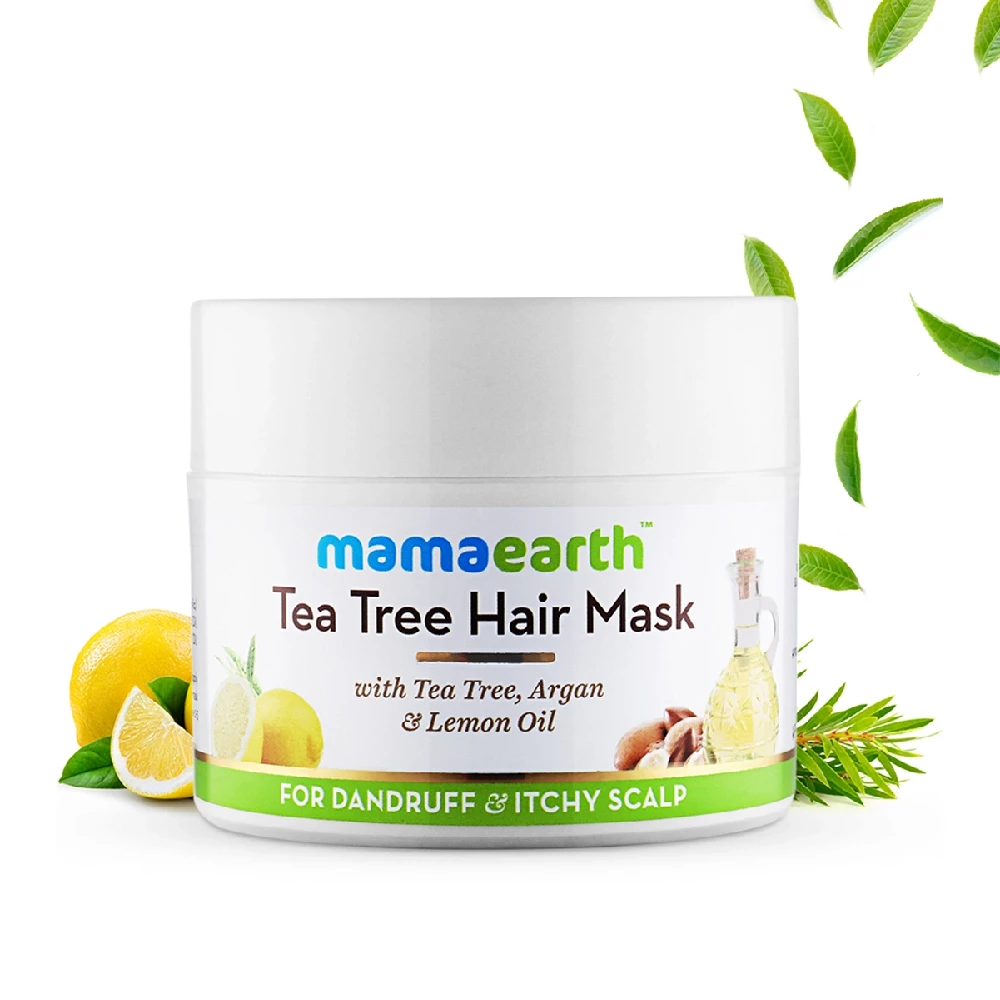
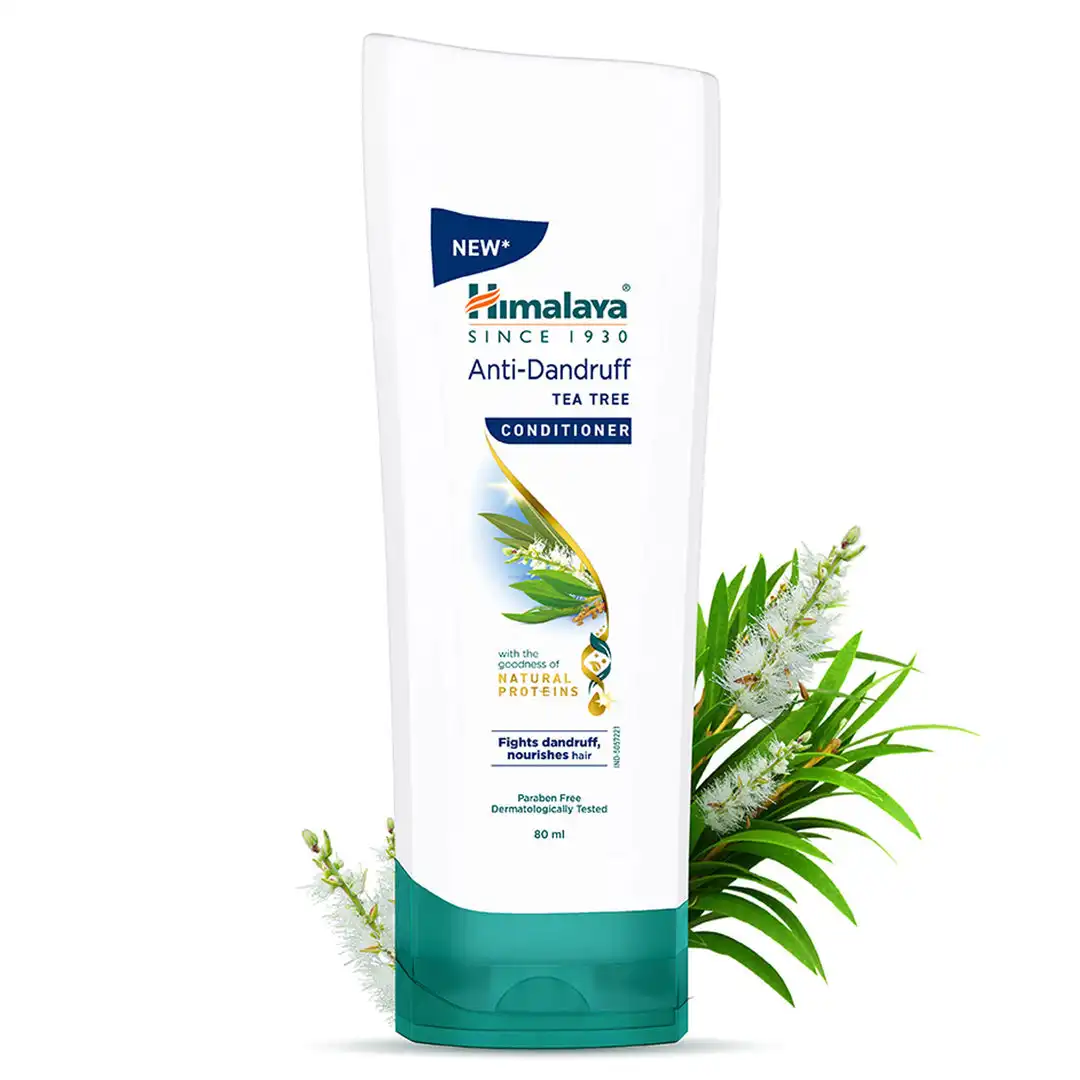
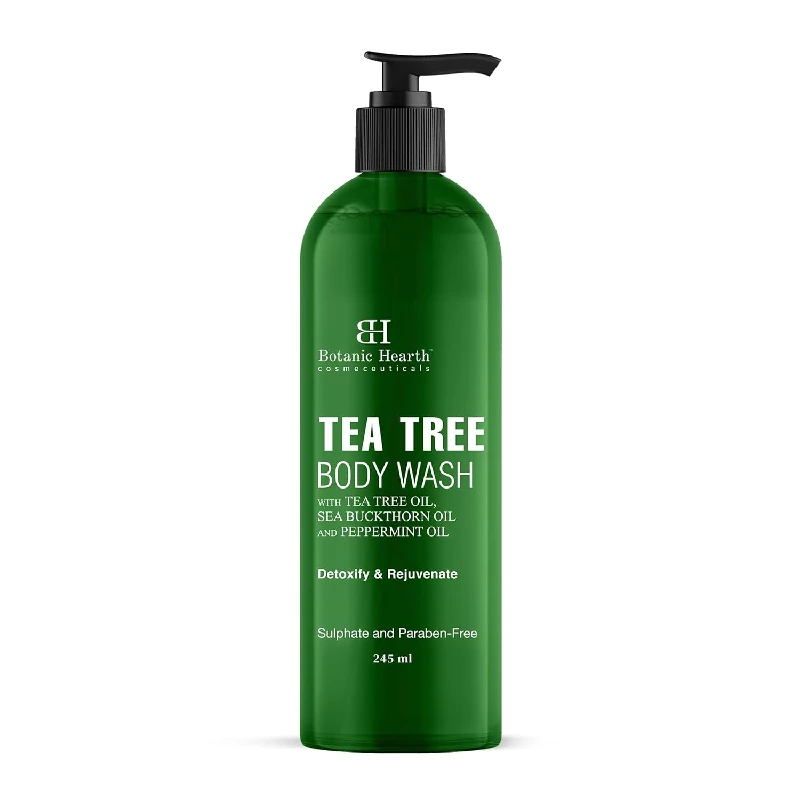
Drafter: this is one scrolling carousel holding all nine SKUs, not nine separate carousels.
Tea Tree Oil Safety Points to Know
Four things, and they apply to every tea tree product regardless of brand.
Never swallow it. Tea tree oil is for use on skin and hair only. Keep bottles away from children.
Patch test before first use. Tea tree oil is a recognised skin allergen for some people. Put a small amount on your inner forearm, wait a day, and see how your skin reacts before using it properly.
Do not use it on pets. Tea tree oil is toxic to cats and dogs. Do not use human products on them, and do not leave open bottles where they can reach.
Do not apply undiluted oil. If you buy pure tea tree essential oil rather than a finished product, it needs diluting in a carrier oil first. Neat essential oil on skin is a common cause of irritation.
How to Store Tea Tree Oil
Tea tree oil changes chemically when it meets air. As it oxidises, the composition shifts, and older air-exposed oil is more likely to irritate skin than fresh oil is.
Three practical rules follow from that:
Close caps properly. Keep bottles out of direct sunlight, and off a hot shower shelf if you can. Replace anything that smells sharp or paint-like instead of clean and medicinal.
This matters more when you are buying from abroad, since a bottle may spend longer in transit and storage than one bought locally. Buy from a seller who moves stock and sources directly from the brand.
Where to Buy Tea Tree Products
The Desi Food delivers to more than 100 countries, including the USA, the UK, Canada, Australia and the Middle East. We do not deliver within India.
Browse the beauty range for face and body products, or the shampoo collection if it is scalp care you are after.