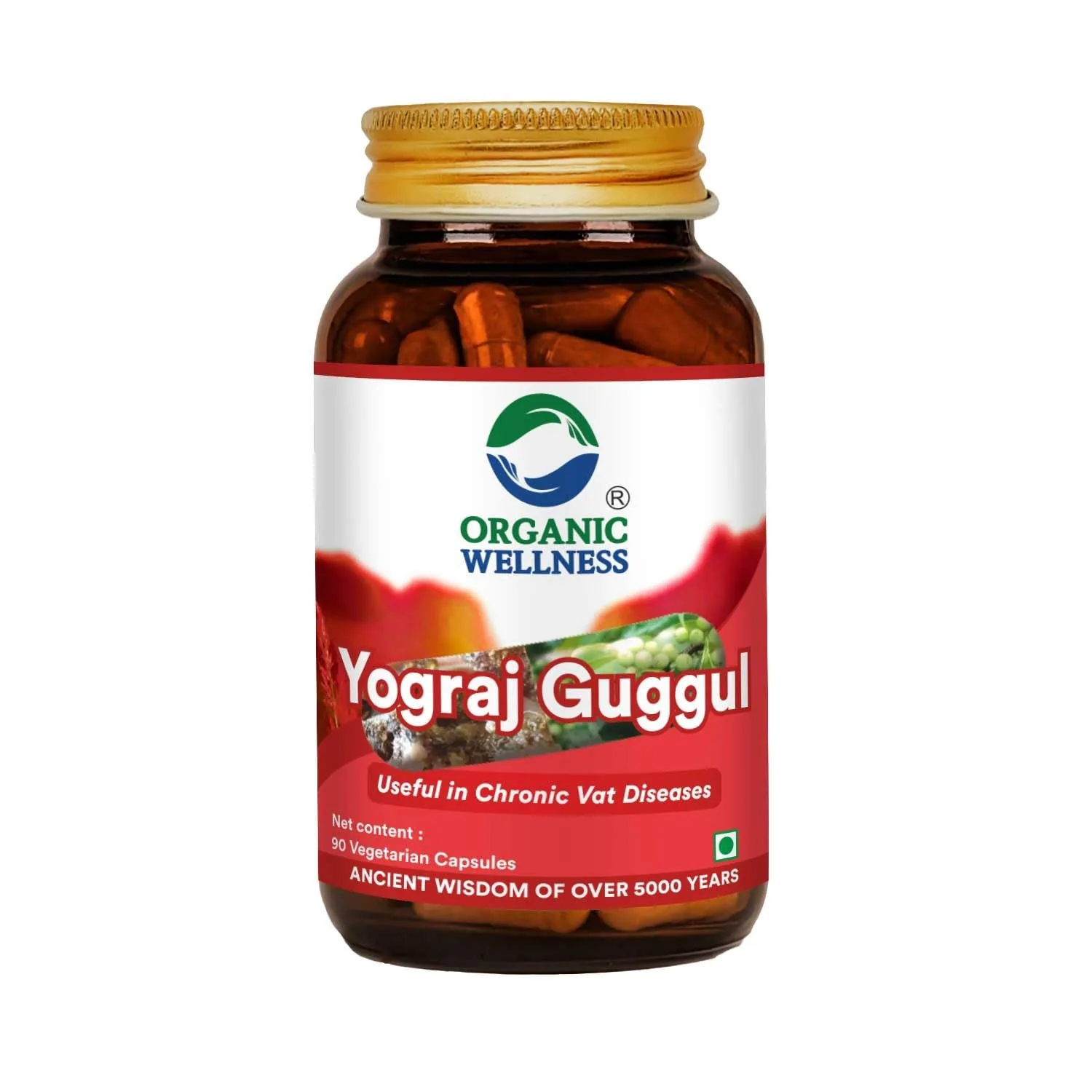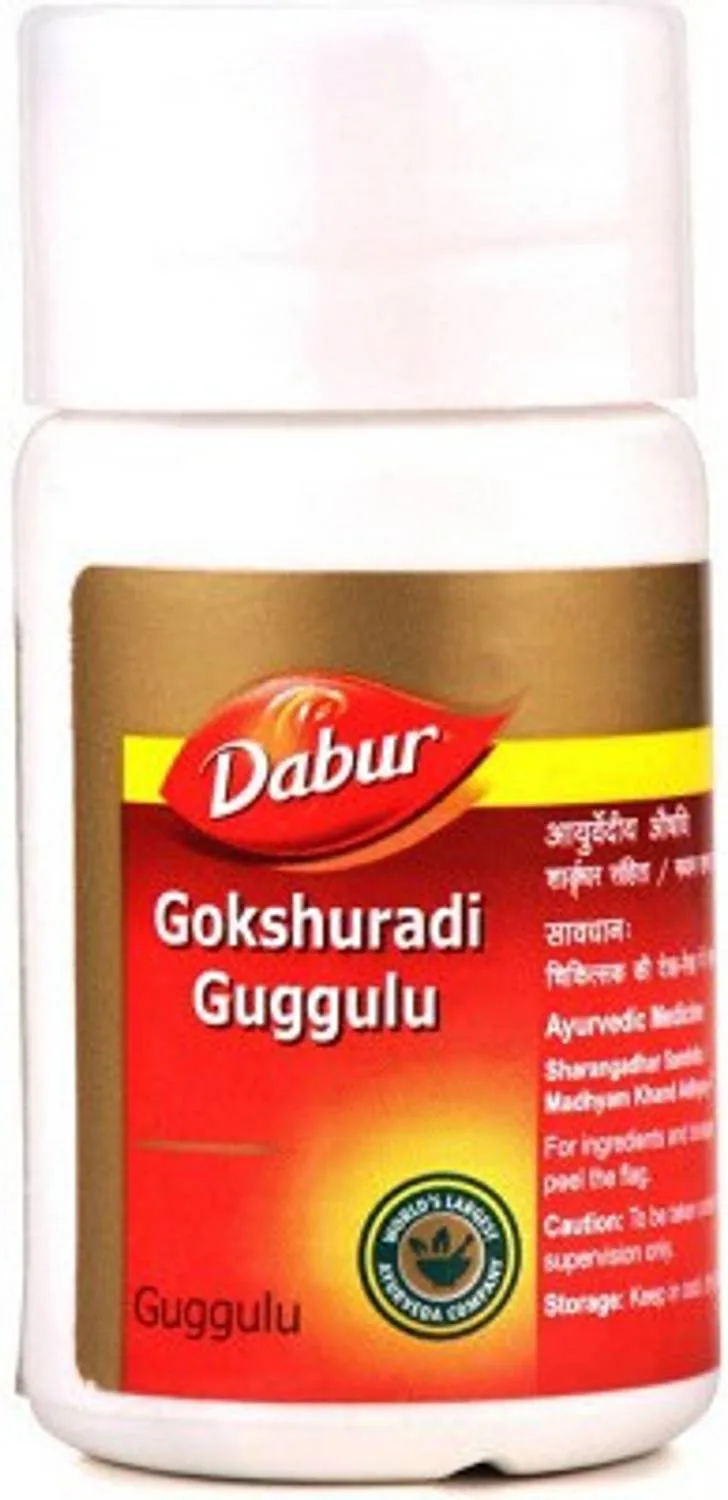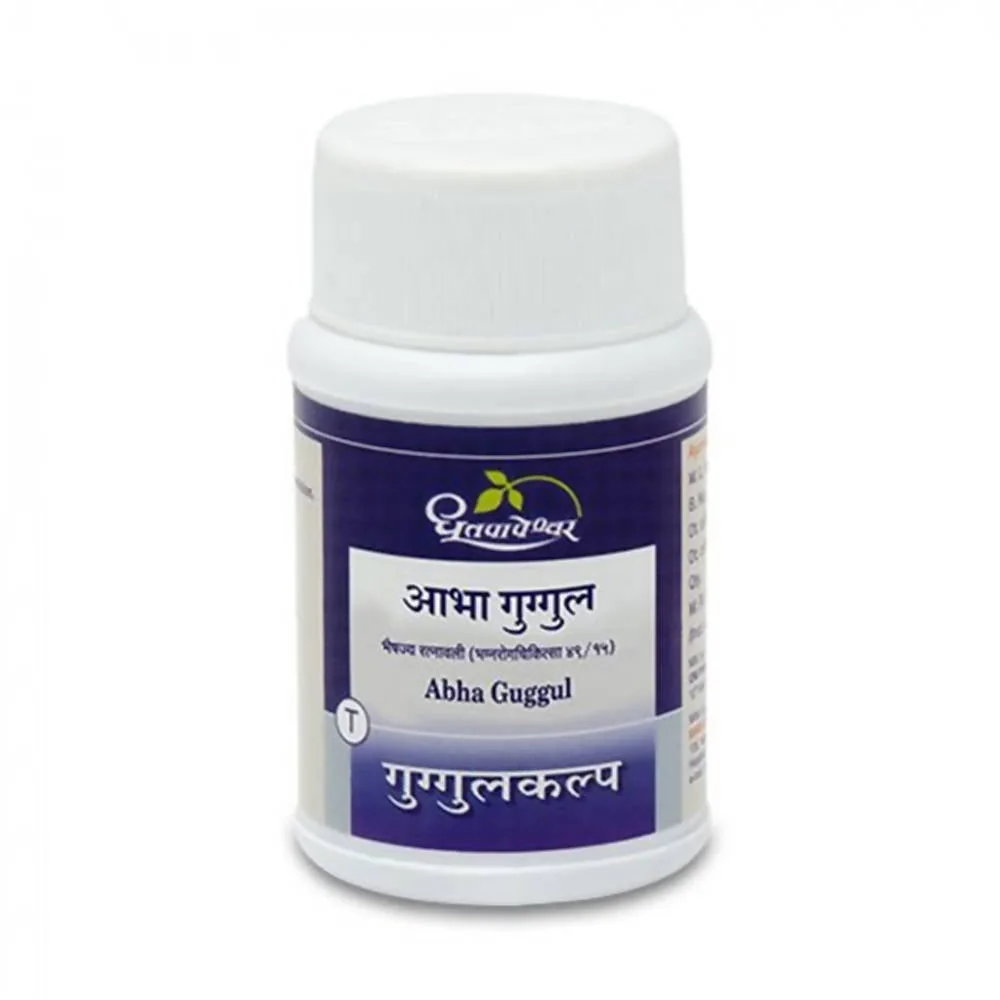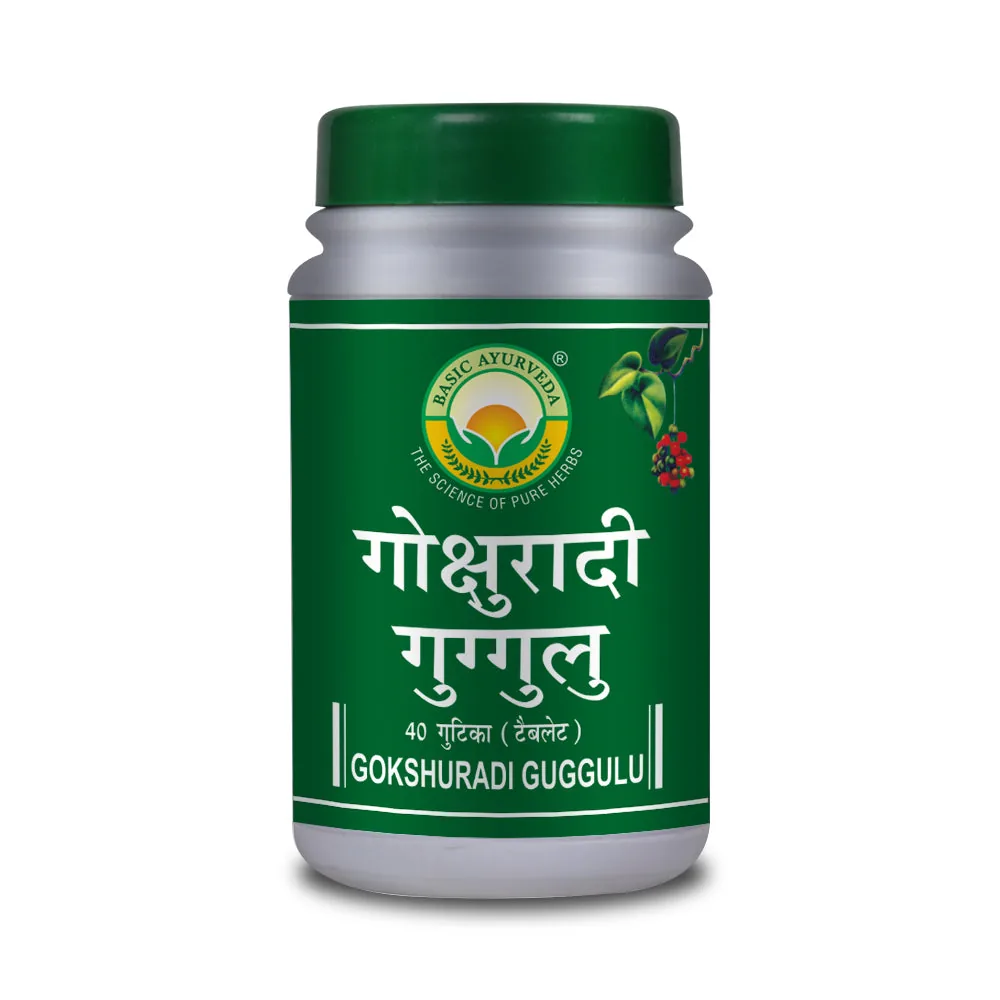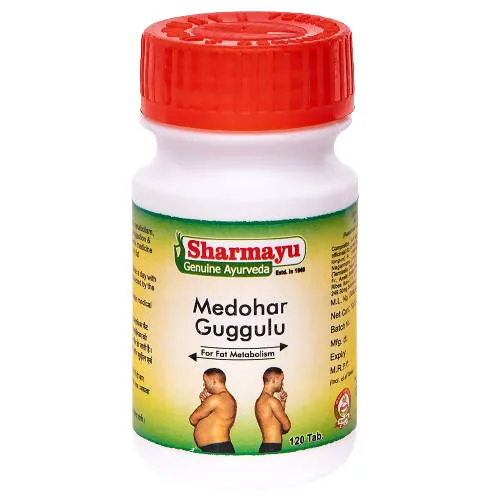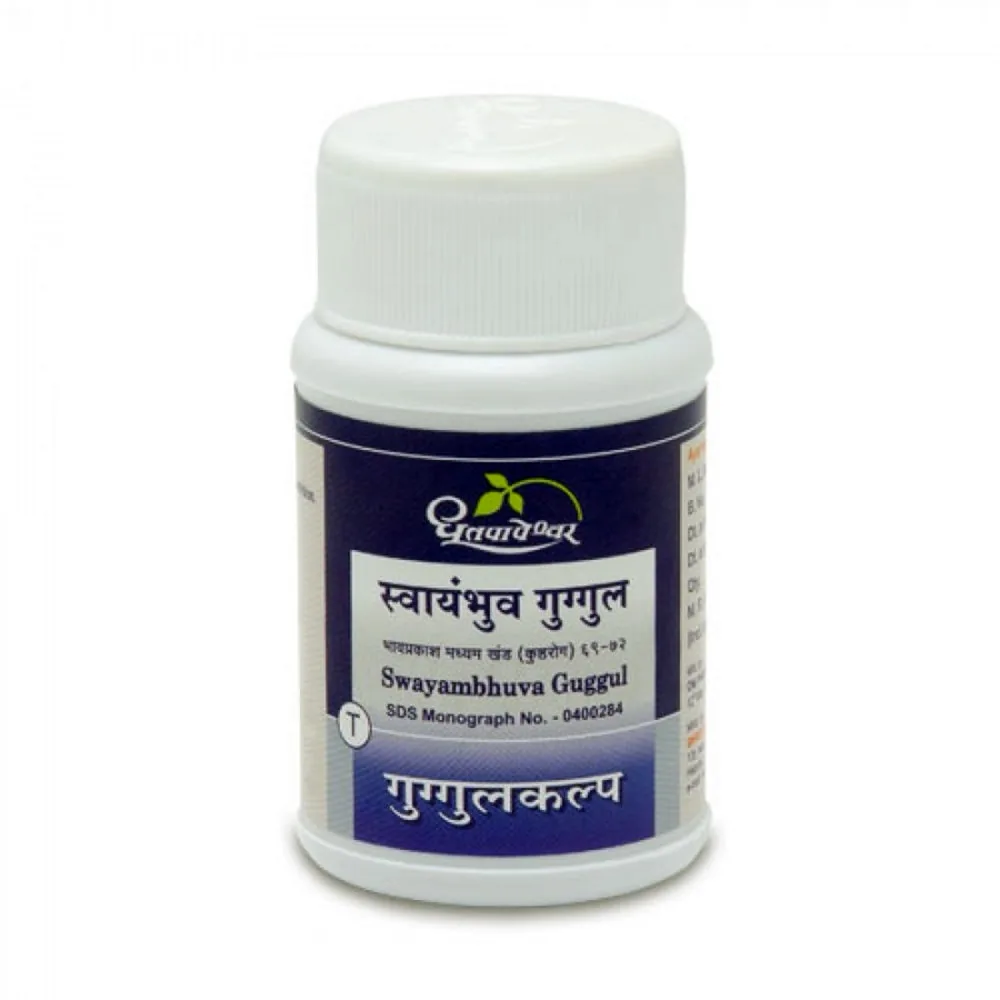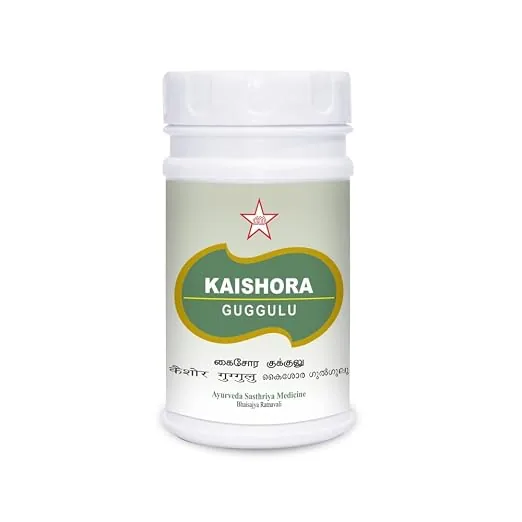
What Is Guggul? Benefits, Uses and Who Should Be Careful
What Is Guggul? Benefits, Uses and Who Should Be Careful
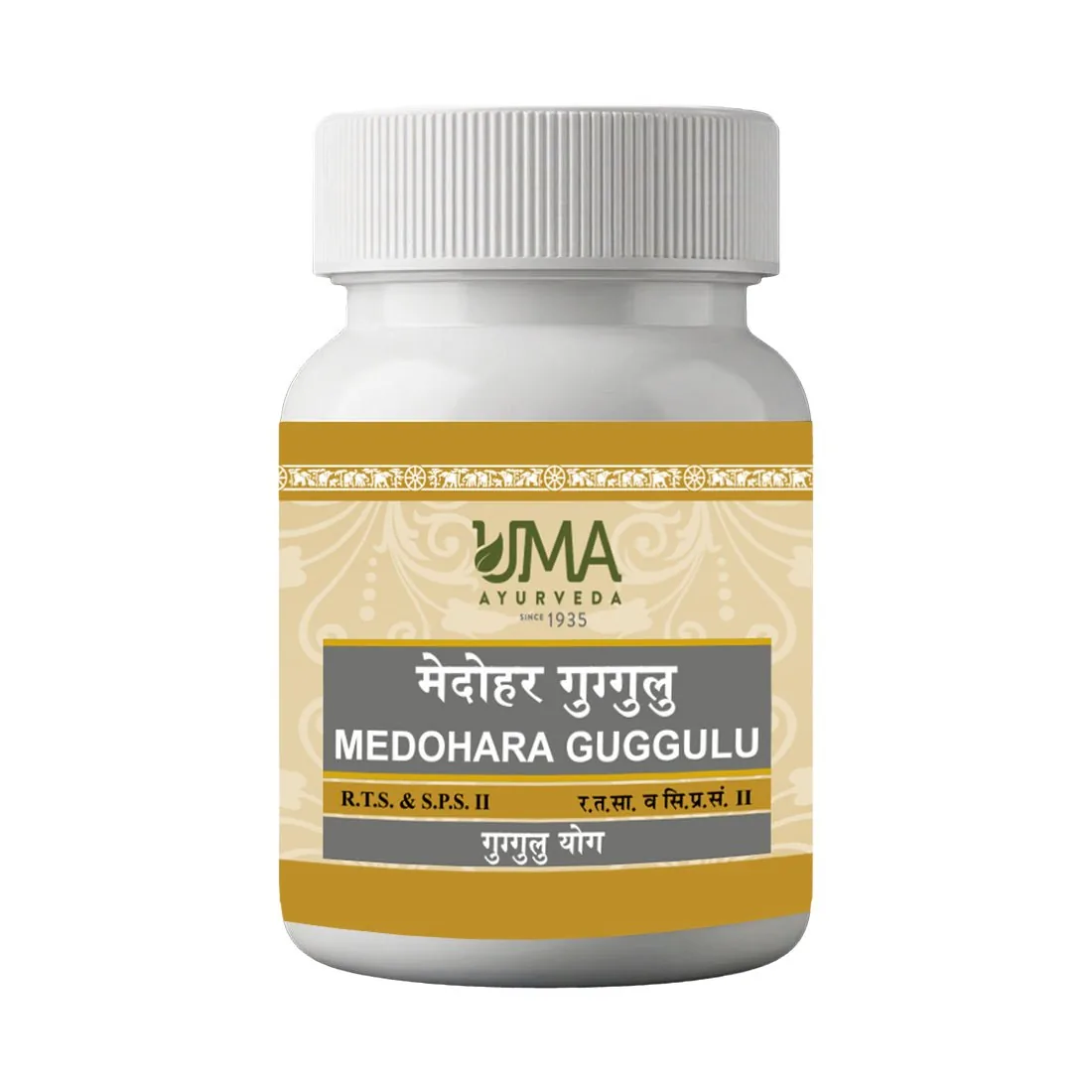
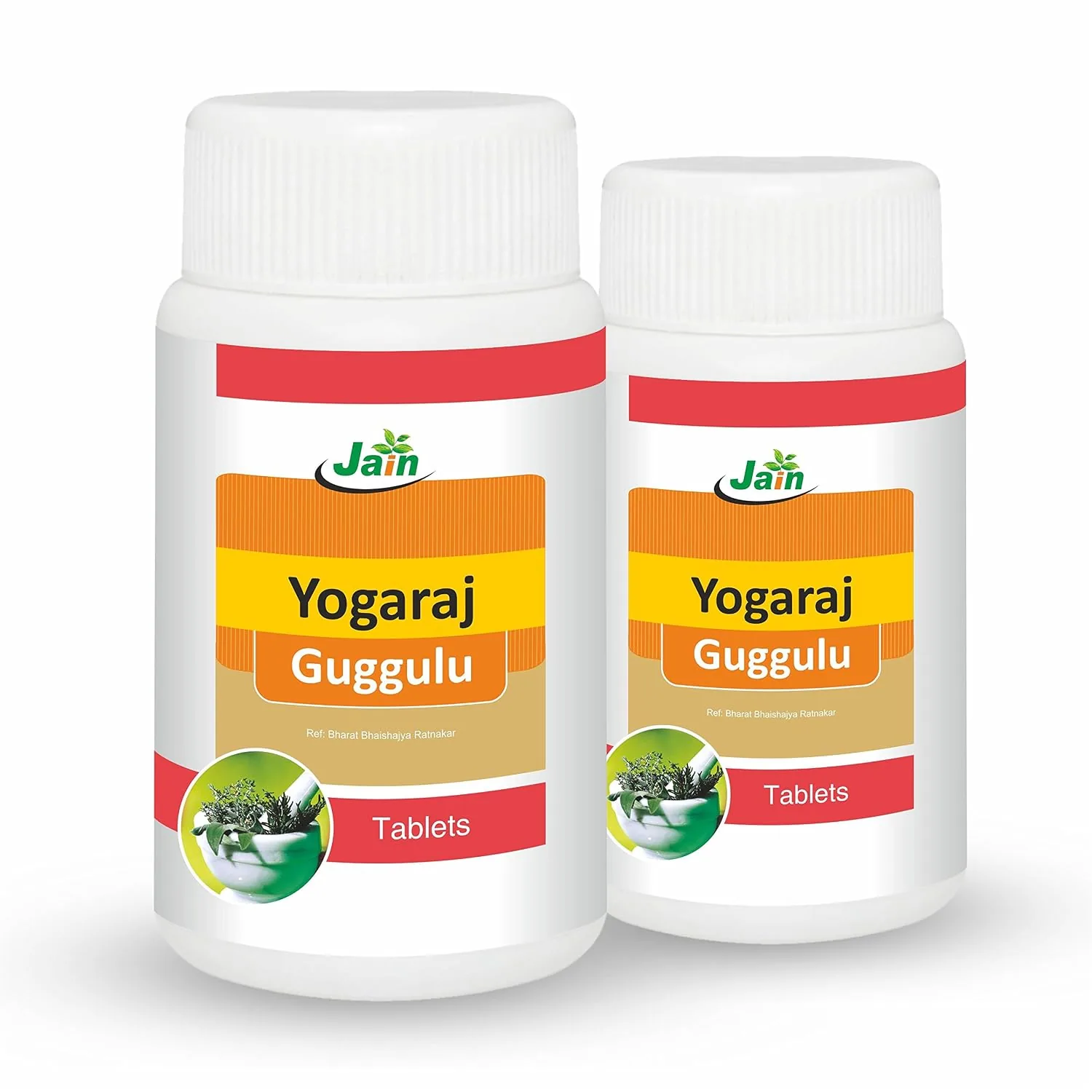
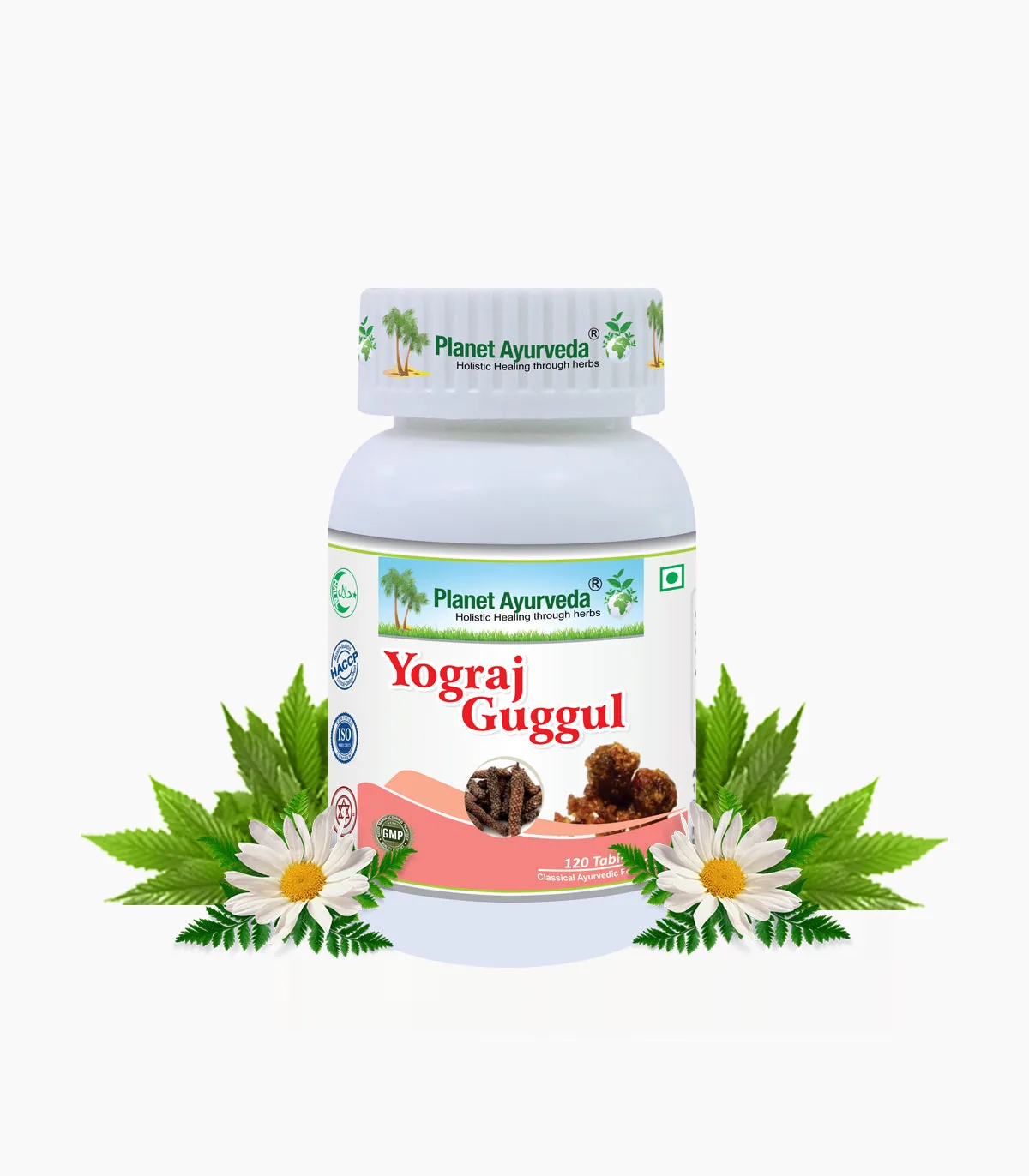
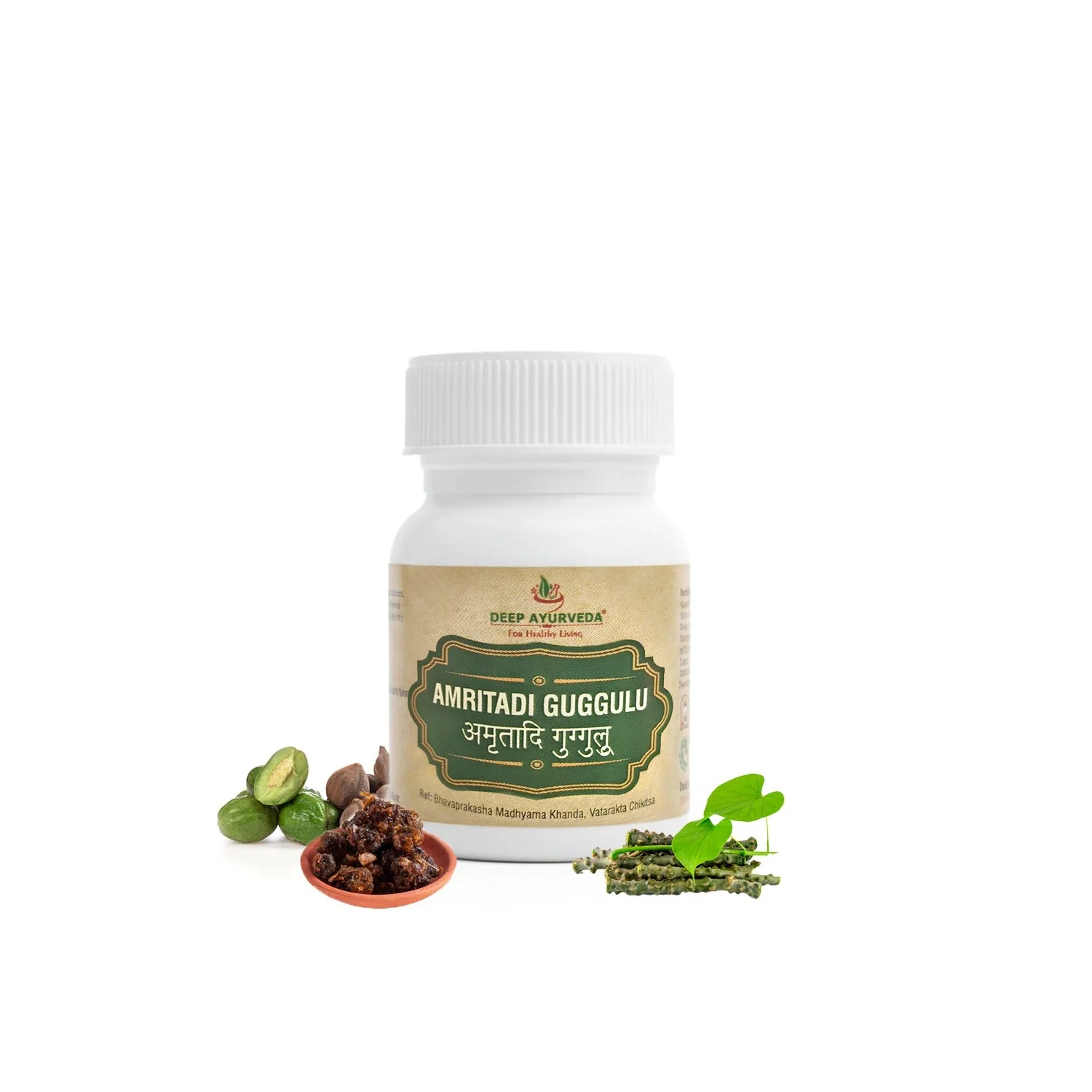
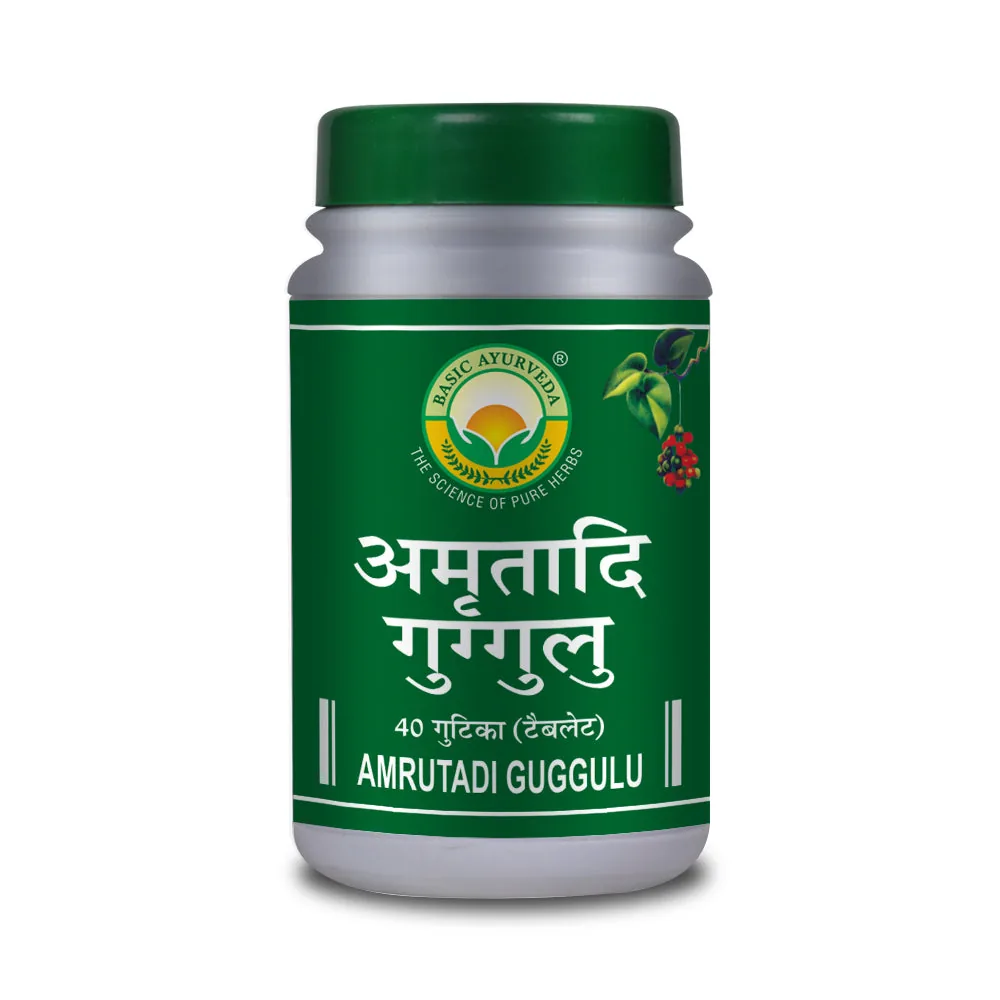
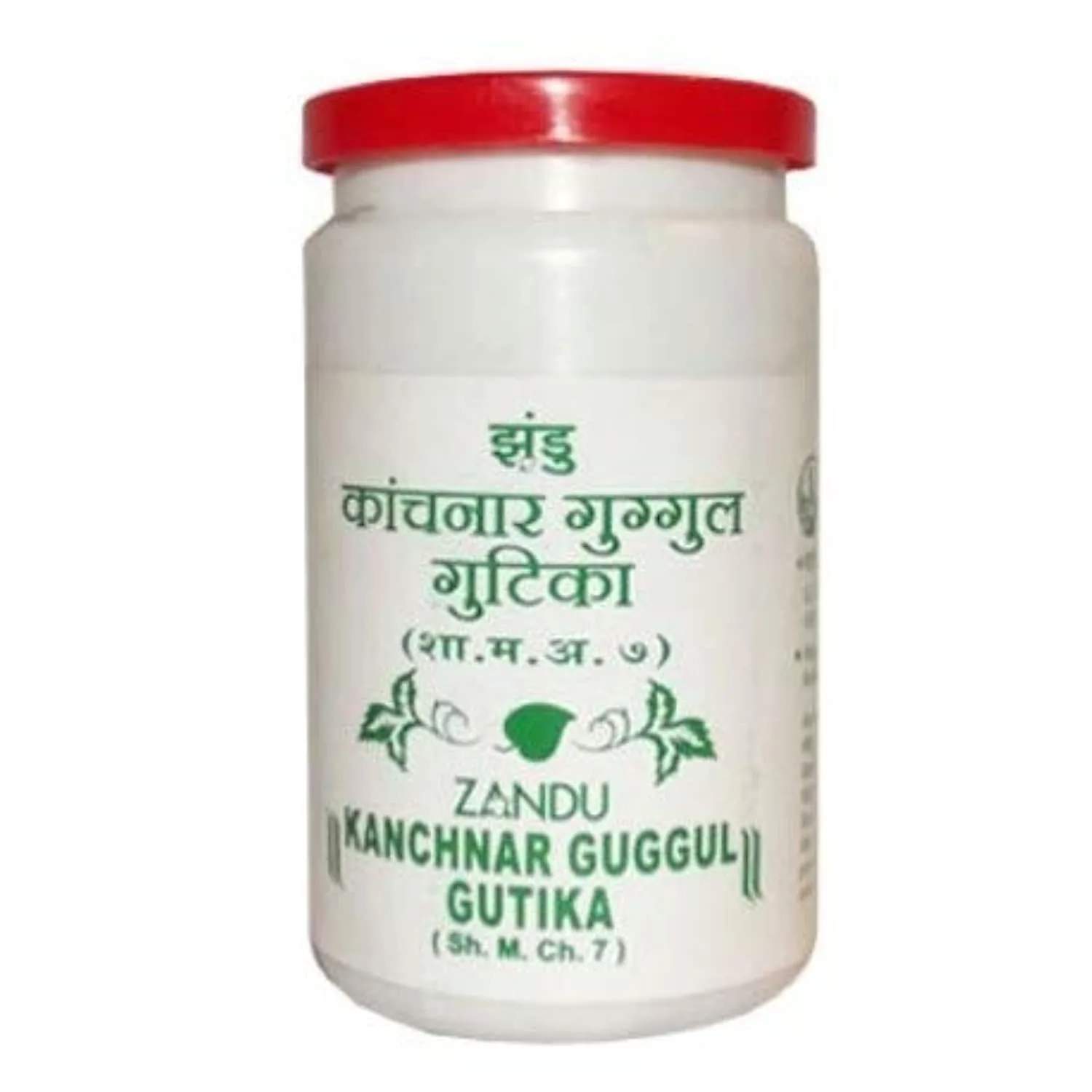
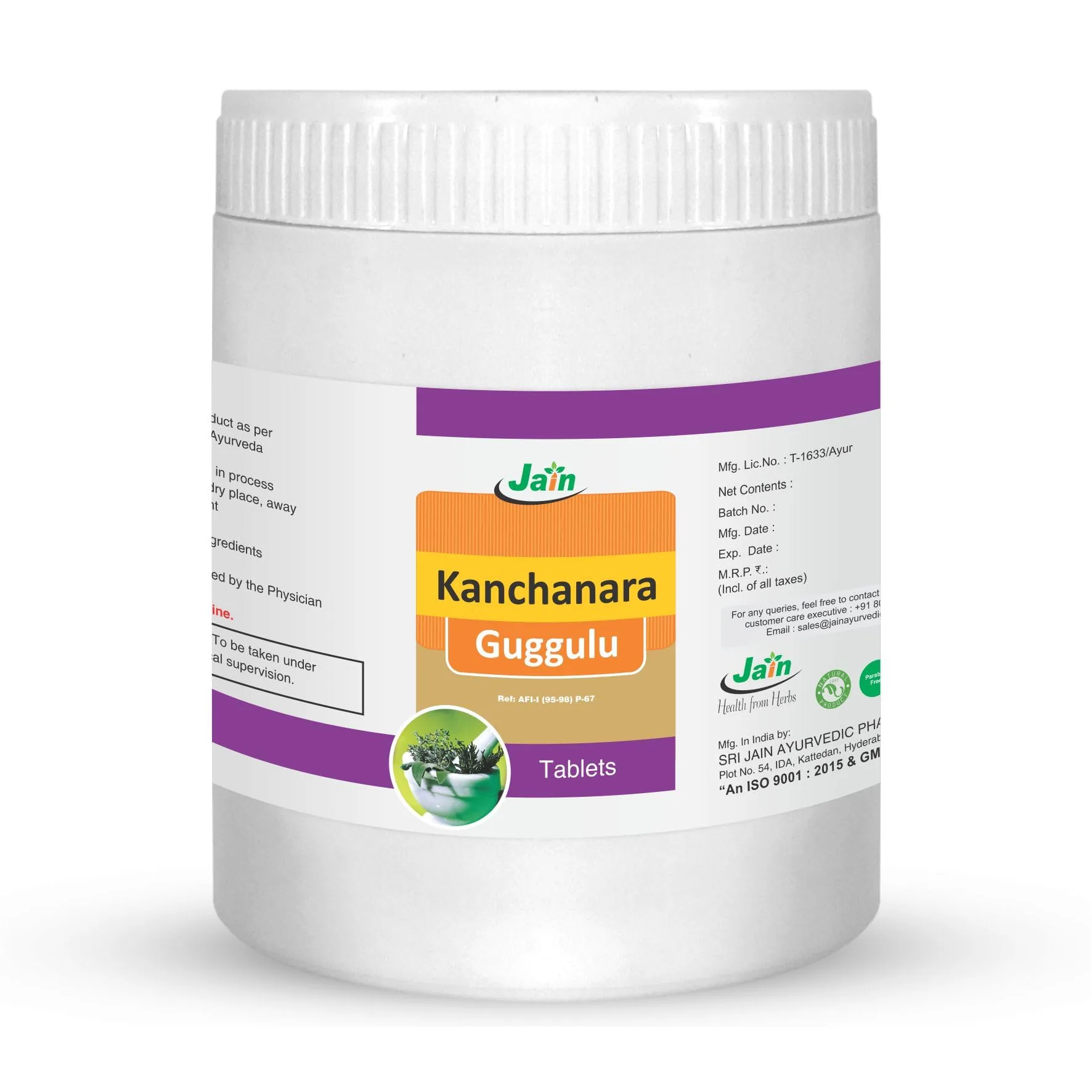
Guggul turns up in a lot of Ayurvedic products, usually as part of a formula with a long ingredient list. The name on the box is often Kaishore Guggulu or Yograj Guggulu rather than guggul on its own.
This guide explains what guggul is, the forms it comes in, what studies have found, how brands say to take it, and who should check with a doctor first.
Guggul products are sold as dietary supplements. Speak to your doctor before starting one, especially if you take any medicine. Some of the interactions below matter.
What is guggul?
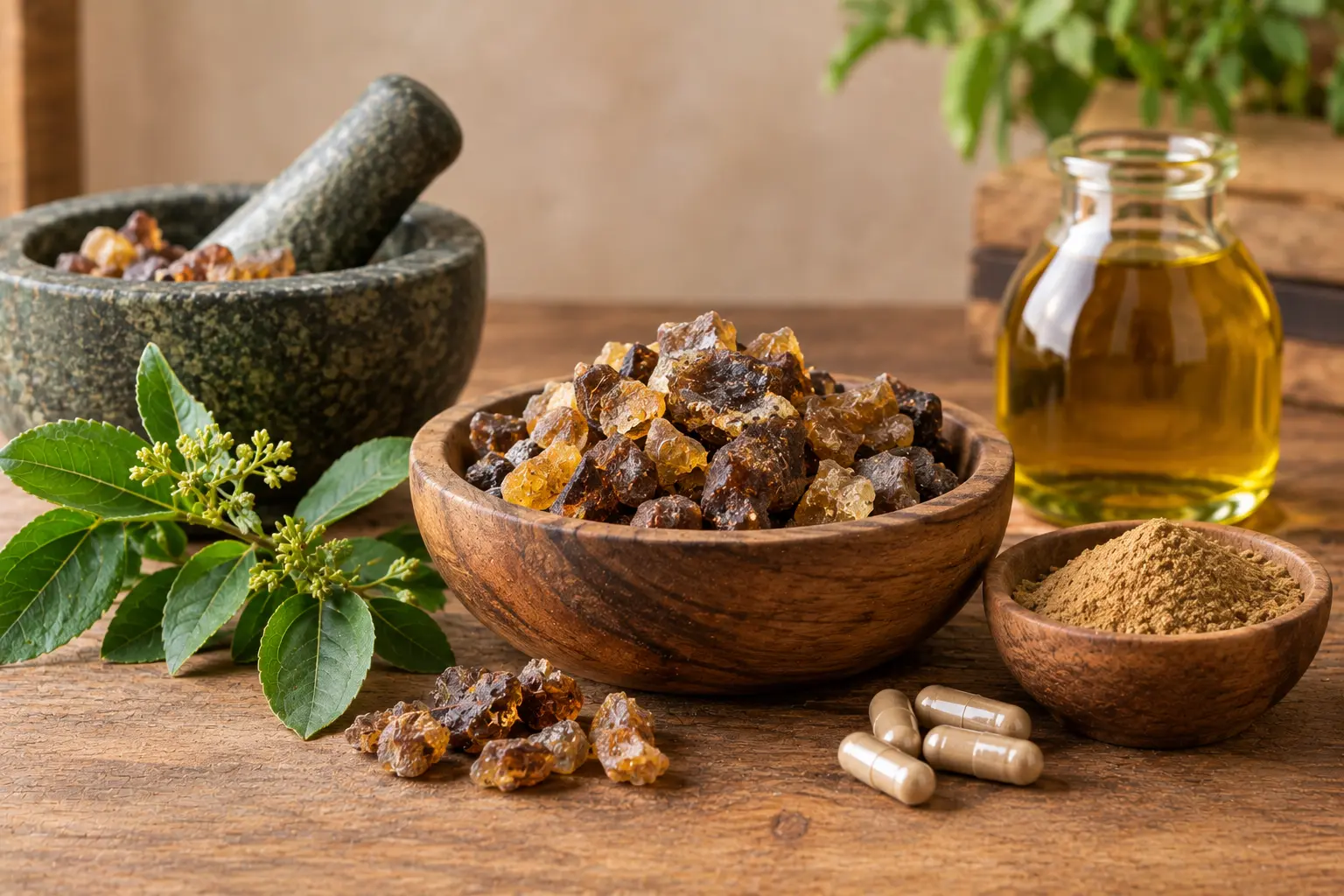
Guggul is a sticky resin that comes from a small thorny tree. Memorial Sloan Kettering Cancer Center describes it as "a resin extract that has been used in Ayurvedic medicine for centuries", from the tree Commiphora mukul.
You will also see the tree called Commiphora wightii, and the resin called gum guggul, guggulu or gugulipid. Gugulipid usually means a standardised extract rather than the plain resin.
The main compounds studied in it are guggulsterones. Memorial Sloan Kettering notes that guggulsterone affects cholesterol production by the liver in laboratory studies.
What is guggul used for in Ayurveda?
Guggul rarely appears on its own. In Ayurveda it is the base of a whole family of compound formulas, each with its own herb list, and the guggul is only one part.
Two you will see often:
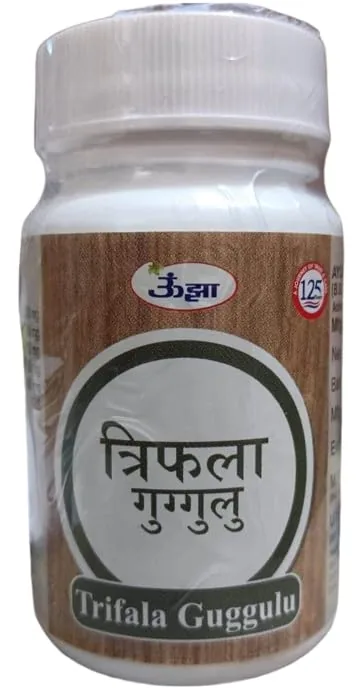
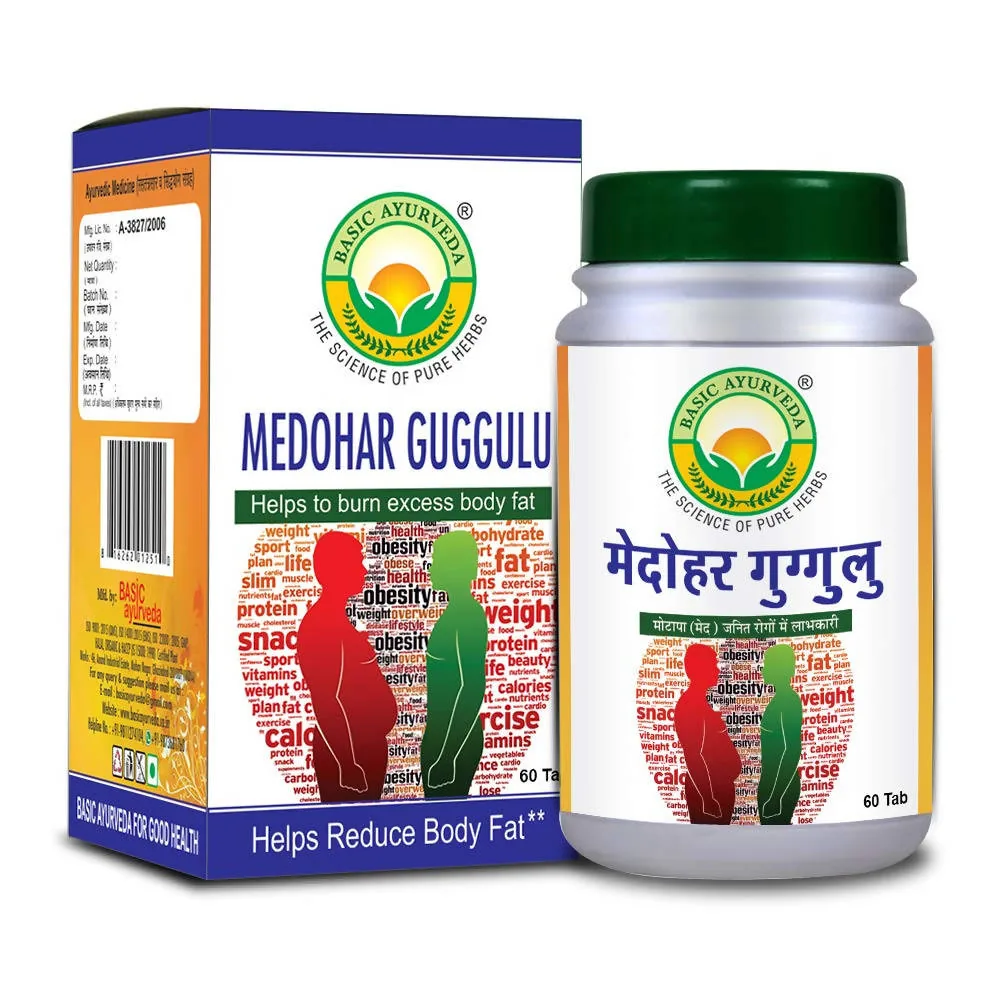
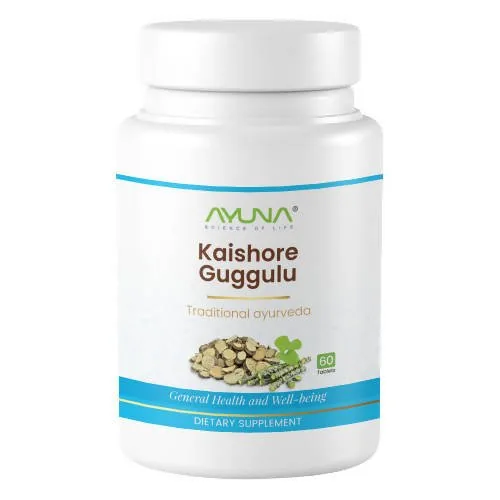
Kaishore Guggulu. Guggul with triphala and other herbs.
Yograj Guggulu. A longer formula. Dabur's list for its version runs to more than twenty ingredients, including chitraka, pippalimoola, ajamoda, gokshura, triphala, musta, pepper, ginger, cinnamon and guggulu.
Memorial Sloan Kettering lists the purported uses of guggul as acne, arthritis, haemorrhoids, high cholesterol, urinary tract disorders and weight loss. Purported means claimed rather than proven, and the next section explains why that distinction matters here.
Because most products are compound formulas, the guggul content is only part of what you are taking. Read the full ingredient list.
Guggul benefits: what the studies found
This is the part worth reading slowly, because the research does not line up with most of what is written about guggul.
The cholesterol trial went the other way. The clearest human test was a randomised controlled trial published in JAMA in 2003. Researchers gave 103 people either guggulipid at 1000 mg three times a day, guggulipid at 2000 mg three times a day, or a placebo, for eight weeks. LDL cholesterol fell by 4.9% in the placebo group, and rose by 3.9% and 4.7% in the two guggulipid groups. Six people on guggulipid developed a hypersensitivity rash, against none on placebo.
Reviews describe the evidence as mixed. Memorial Sloan Kettering states that studies on whether guggul can lower cholesterol are mixed, and that some research suggests it may raise cholesterol instead.
The thyroid claim was tested and not supported. You will often read that guggul stimulates the thyroid. The US National Toxicology Program ran toxicity studies of a gum guggul extract in rats and mice, published in 2020. The report says the "purported thyroid-stimulatory effects suggested by other studies were not found in this study".
What this means for you. No guggul product is approved as a treatment for any condition. The NIH Office of Dietary Supplements explains that dietary supplements do not need FDA approval before they are sold, and that companies are responsible for having evidence their products are safe.
We do not repeat product claims in this guide. Where a label promises a result, treat that as the maker's own statement.
What forms does guggul come in?
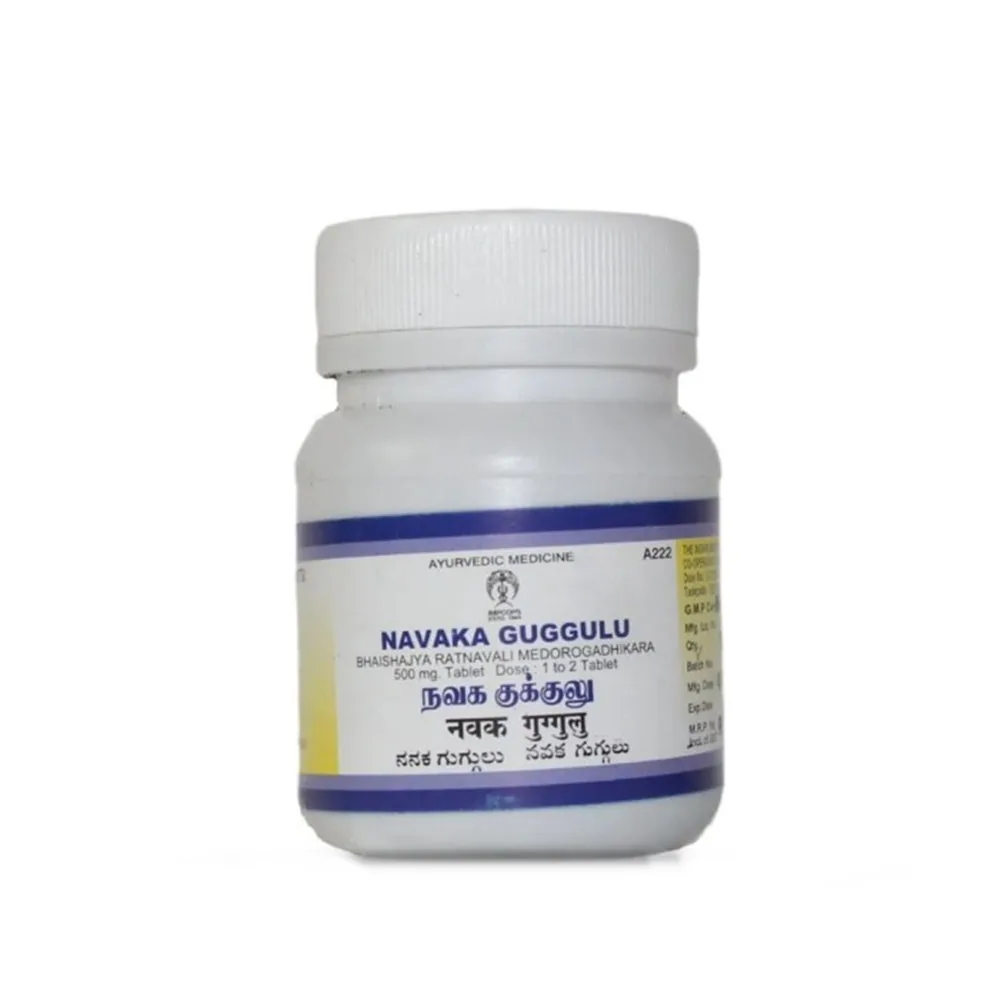
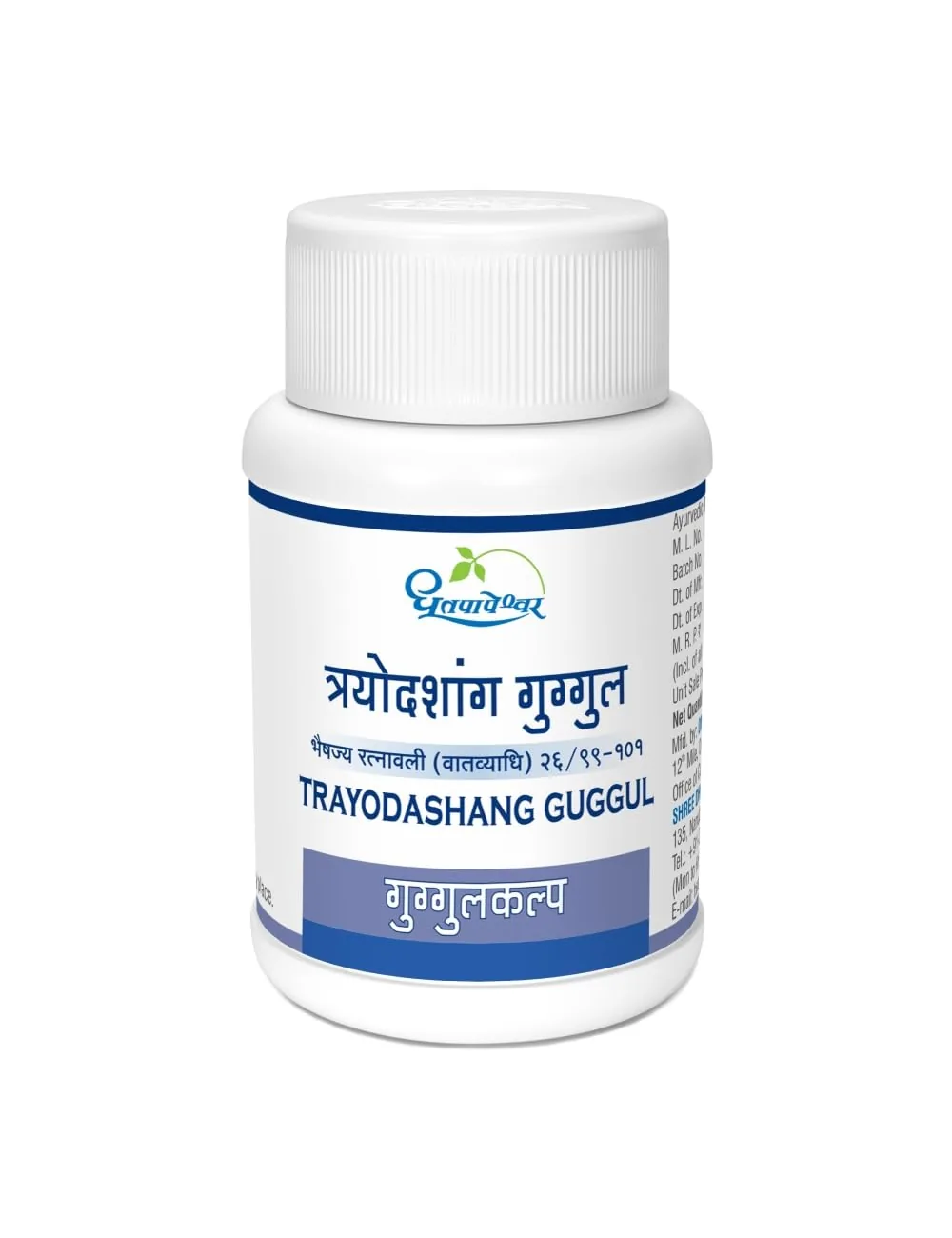
Classical compound tablets. The most common form, sold under formula names such as Kaishore Guggulu and Yograj Guggulu.
Powder (churna or vati form). Some classical formulas come as a powder to take with warm water.
Standardised extract (gugulipid). Sold on guggulsterone content. This is what the JAMA trial used.
Plain gum resin. Less common in retail products.
How to take guggul
Directions differ by formula and brand, so your label comes first, and a doctor's or practitioner's advice comes before that. These are the directions the makers give for products we stock:
Dabur Yograj Guggulu: 1 to 2 tablets, 250 mg to 500 mg, morning and evening, or as suggested by the doctor.
Maharishi Ayurveda Kaishore Guggulu: 1 tablet twice a day with water after meals, or as directed by your Ayurvedic practitioner.
Both sets of directions point you to a professional, which is a fair reflection of how these formulas are meant to be used. Classical Ayurvedic formulas are traditionally prescribed for a person, not picked off a shelf.
Tell your doctor you are taking it. The NIH Office of Dietary Supplements advises telling your health care providers about any supplement you take.
Guggul side effects and interactions
Reported side effects. Memorial Sloan Kettering lists headache, mild nausea, belching, hiccups, loose stools and rash. It also notes case reports of contact dermatitis, raised liver enzymes and rare acute liver failure.
Rash in the trial. As above, six of the 67 people taking guggulipid in the 2003 JAMA trial developed a hypersensitivity rash.
Medicine interactions. Memorial Sloan Kettering says guggul induces the CYP3A4 enzyme system, which the body uses to break down many medicines, and that it may make those medicines less effective. This is the main reason to talk to your doctor or pharmacist before starting guggul if you take anything regularly.
Who should be careful with guggul
Speak to a doctor before taking guggul if any of these apply to you:
You take prescription medicine. See the interaction above.
You have liver problems, or have had raised liver enzymes. Memorial Sloan Kettering notes liver case reports.
You have surgery coming up. The NIH Office of Dietary Supplements notes that some supplements can raise the risk of bleeding or change your response to anaesthesia.
You are pregnant or nursing. The same NIH page says many supplements have not been well tested in pregnancy or nursing.
You are buying it for a child. The NIH page makes the same point about children.
You have a thyroid condition. This is a common reason people look up guggul, and as above the thyroid claim was not supported in the NTP study. If you are being treated for a thyroid condition, this is a decision for your doctor.
You react easily to plant resins, given the rash reports.
A supplement is also not a replacement for treatment. The NIH page says supplements should not be used in place of prescribed medicines.
Where to buy guggul
TheDesiFood stocks classical guggul formulas from brands including Dabur, Baidyanath, Patanjali and Maharishi Ayurveda, with doorstep delivery worldwide, including the USA, UK, Middle East, Australia and Canada. Product details on each listing come from the manufacturer.