
The Goodness of Gir Organic A2 Gir Cow Ghee
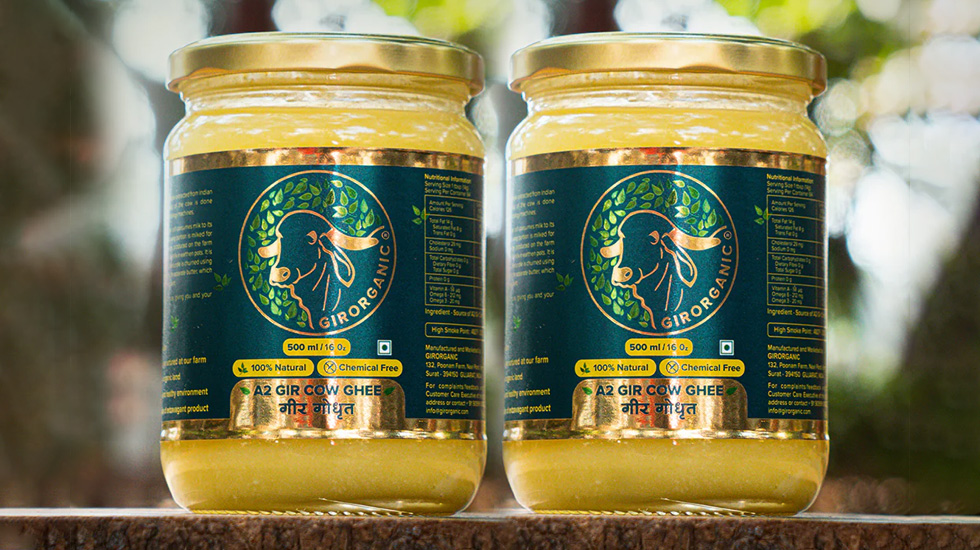
The Goodness of Gir Organic A2 Gir Cow Ghee
In one of the oldest Ayurvedic Texts, the Charaka Samhita, jaggery is described as a food that helps build strength, increase blood, and nourish the body. Jaggery, also known as Guda, Gur, Gul, Bellam, or Vellam, is an unrefined brown sugar obtained from various plant sources. It has been used in India since Vedic times. Jaggery, the best natural sweetener, is used widely in Indian sweets and savory dishes and is now gaining popularity in Western countries.
Jaggery is often referred to as non-centrifugal sugar because it is not processed using a centrifuge to remove the molasses, unlike refined sugar. India is the largest producer of jaggery, contributing to about 55% of the world's total jaggery production. In this blog, we will explore the various forms and types of jaggery, how it is made, its uses, and its health benefits.
How Jaggery is Made
When I read the written sentences in points explaining sap extraction from sugarcane, coconut, Palm jaggery, Marayoor Jaggery, Palmyra Jaggery, Toddy Palm Jaggery sound same. So Can you write in common and in brief paragraph:
Sap Extraction:
The sap extraction process for different types of jaggery involves tapping the sap from various plants. For Sugarcane Jaggery and Marayoor Jaggery, the juice is extracted by crushing sugarcane, with the latter specifically using sugarcane grown in the Marayoor region of Kerala. In the case of Coconut Jaggery, Palmyra Jaggery, and Toddy Palm Jaggery, sap is collected by making an incision in the flower stalks of the respective trees (coconut, palmyra, and toddy palm), with a container attached to catch the oozing sap. Palm Jaggery, on the other hand, is made by collecting sap from the flower stalk of the date palm tree using a similar incision method.
Filtration: The extracted sap or juice is strained to remove impurities.
Concentration: The sap is boiled in large, shallow vessels, where it is continuously stirred to prevent burning. The boiling process evaporates the water content, thickening the sap into a syrup. Impurities are skimmed off as the sap thickens and reaches a honey-like consistency.
Cooling: The thickened syrup is poured into molds to cool and solidify into jaggery.
- Sugarcane, Marayoor, and Coconut Jaggery are typically poured into rectangular or square molds.
- Palm, Palmyra, and Toddy Palm Jaggery: These may be poured into circular or dome-shaped molds, with Palmyra Jaggery often having a creamy white or yellowish hue, and Toddy Palm Jaggery having a rich golden-brown color.
Types of Jaggery
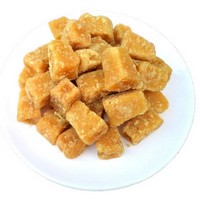
Cane Jaggery:
Made from sugarcane juice, cane jaggery is the most common type in Indian cuisine. After boiling and crystallizing the juice, it forms blocks that are sweet with a slight salty taste.
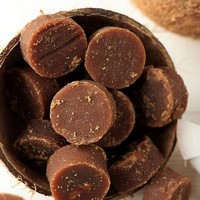
Coconut Jaggery:
Made from unfermented coconut sap, this jaggery is heated, crystallized, and poured into molds. Jaggery is particularly popular in Southern India and used in various traditional dishes.
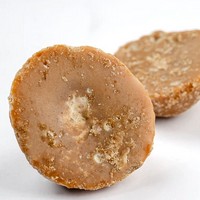
Palm Jaggery:
Known for its rich, chocolate-like flavor, palm jaggery is made from date palm sap. It retains more minerals compared to refined sugar, including potassium, magnesium, and iron, making it a nutritious alternative to regular sugar.
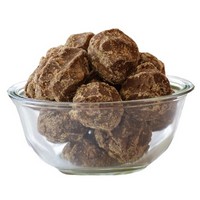
Marayoor Jaggery:
Originating from Marayoor in Kerala's Idukki district, Marayoor Jaggery is produced by farmers from the Muthuva tribe, using locally grown sugarcane. This variety is known for its distinctive taste and health benefits and is widely consumed in Southern India.
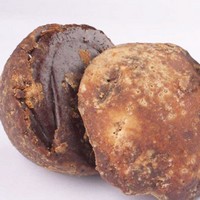
Palmyra Jaggery:
Also called "Taal Jaggery," palmyra jaggery is made from the sap of the palmyra palm tree. Its creamy white to yellowish color sets it apart and makes it a popular choice in West Bengal’s culinary traditions.
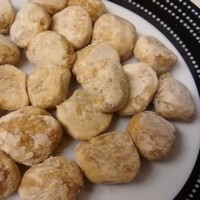
Toddy Palm Jaggery:
A specialty of Myanmar, Toddy Palm Jaggery is made by boiling the sap of the toddy palm. Known for its rich aroma and golden brown color, this jaggery is prized for its unique flavor and potential health benefits.
Jaggery, in all its varieties, is not just a sweetener but also a nutritious, natural alternative to refined sugar in many traditional diets around the world.
Health Benefits of Jaggery
Jaggery offers a variety of health benefits, making it a great addition to your diet. Here are some key benefits:
- Boosts Energy Levels: Unlike sugar, which gives a quick energy spike, jaggery provides steady, long-lasting energy without causing rapid blood sugar spikes.
- Relieves Menstrual Cramps: Jaggery helps alleviate menstrual pain by releasing endorphins, which also help reduce PMS symptoms like mood swings and cravings. Regular consumption may also regulate menstrual cycles.
- Controls Blood Pressure: The potassium and sodium in jaggery help maintain a healthy acid balance in the body, which supports stable blood pressure and smooth blood flow.
- Detoxifies the Liver: Jaggery acts as a natural cleanser, helping to remove toxins from the liver and supporting overall liver health.
- Boosts Immunity: Rich in antioxidants, zinc, and selenium, jaggery helps protect against free radical damage and strengthens the immune system. It also helps increase hemoglobin levels in the blood.
- Prevents Anemia: High in iron and folate, jaggery helps prevent anemia by promoting healthy red blood cell production, which is especially beneficial for pregnant women.
- Aids in Weight Loss: Jaggery is a good source of potassium, which helps balance electrolytes, boost metabolism, and reduce water retention, all contributing to weight loss.
Incorporating jaggery into your diet can be a tasty way to improve overall health while enjoying its natural sweetness.
Best Ways to Use Jaggery
Jaggery is a versatile ingredient that can be used in a variety of ways. Commonly used in desserts and confections like ladoos and tamarind candies, jaggery also enhances breads and rice dishes such as Meethi Roti (sweet flatbread) and gur ki kheer (sweet rice pudding).
It also adds a rich, balanced sweetness to savory dishes like moong dal (lentil stew) and Thai curries. Beyond cooking, jaggery is valued in Ayurvedic medicine for its health benefits, such as aiding digestion and providing vitamins and antioxidants.
Buy Jaggery Online from The Desi Food
At thedesifood.com, you can find high-quality jaggery from trusted brands with international delivery to countries like Canada, Australia, UAE, Singapore, and across Europe. Here are some top jaggery products available:
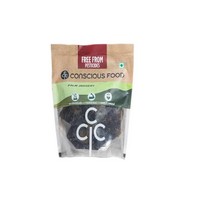
- Conscious Food Palm Jaggery: Made from coconut juice without chemicals, this palm jaggery is produced in Goa’s ideal climate for palm trees. Rich in iron, magnesium, and potassium, jaggery offers a natural chocolate-like flavor, making it a healthy alternative to refined sugar.
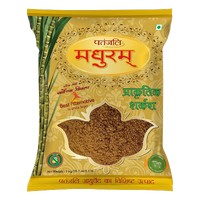
- Patanjali Madhuram Jaggery Powder: A traditional, natural sweetener perfect for making sweets and desserts. A healthier choice than white sugar, jaggery offers various health benefits.

- Two Brothers Organic Farms Sugarcane Jaggery Block: Made by melting and stirring organic sugarcane juice in an iron kadai, this jaggery block is 100% natural, free from additives, preservatives, and fillers. It aids digestion, relieves constipation, and boosts energy.
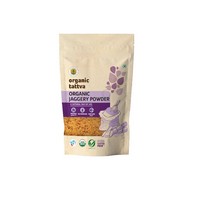
- Organic Tattva Organic Jaggery Powder: A natural and nutritious substitute for sugar, this jaggery powder is made from organic jaggery, free of pesticides and chemicals, and is an excellent source of iron.
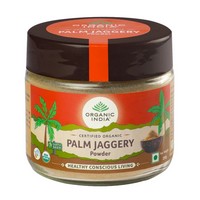
- Organic India Palm Jaggery: Sourced from the sap of palm trees, this minimally processed jaggery is ideal for diabetics and those looking to reduce sugar intake. It helps retain essential vitamins and minerals and promotes overall vitality.
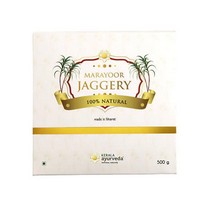
- Kerala Ayurveda Marayoor Jaggery: Known for its purity and unique processing method, Marayoor Jaggery from Kerala is unrefined and perfect for cooking and baking.
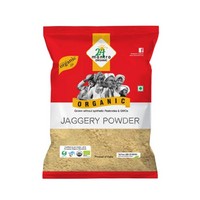
- 24 Mantra Jaggery Powder: Made from organic sugarcane, this jaggery powder is free from chemicals and pesticides. A great sugar replacement for your morning tea, traditional sweets, and even curries, jaggery provides a rich source of iron and magnesium.
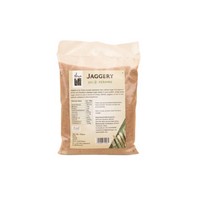
- Isha Life Jaggery Powder: Elevate your dishes naturally with Isha Life Jaggery Powder, a healthier alternative to refined sugar. Made from 100% pure sugarcane juice, it offers a rich, caramelized flavor, packed with essential minerals like iron, calcium, and potassium. With its low glycemic index, it provides sustained energy and is perfect for baking, beverages, and sweet treats.
Explore these healthy, natural jaggery options at The Desi Food and enjoy their many health benefits, including improved digestion, enhanced energy, and better nutrient intake.